This week I have some objects I expect you’ll identify pretty easily, but I think they’re interesting and hopefully you will as well:

As usual, you can put your suggestions, comments and questions below and I’ll do my best to respond. Good luck!

This week I have some objects I expect you’ll identify pretty easily, but I think they’re interesting and hopefully you will as well:
As usual, you can put your suggestions, comments and questions below and I’ll do my best to respond. Good luck!
I know Christmas has been and gone, so this post is far from breaking news, but I’ve been meaning to write it ever since I saw this advertisement on a local bus stop:
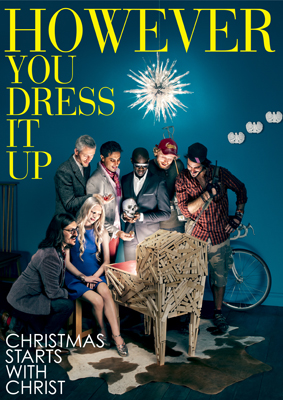
Now although I’m an atheist, I really don’t have a problem with the advertisement for any reason beyond the utter banality of the message. It’s a bit like saying this:

For both there is an etymological root linking a supernatural figure to the name of a day – it’s very common, just think of other supernatural figures that lend their names to days, like Tiw, Wodin and Freyja. I wonder if we should also remember these deities on their appropriate days? That seems to be the logical implication of the Christian advert.
But then, what should be done about Easter? Maintaining the logic of the Christian advertising around Christmas, it would seem that we should remember that Easter is named for the pagan goddess Ēostre. This seems doubly reasonable since there is hardly any difference between the Christian celebration and the Pagan fertility festival, with all it’s rampant rabbits and eggy delights.
The fact is that by following the logic of the advertising we should either be utterly ignoring the etymological root of Christmas, as we do for Easter and Tuesday, or we should be acknowledging the etymological root for all days named after supernatural beings.
I’ve decided to make sure I remember that Christmas is about Christ, Easter is about Ēostre and Thursday is most definitely about Thor, which is presumably what constitutes hammer time:
On Friday I showed you some specimens that I had to identify in the museum last week, and I asked if you had any idea what they might be:

Perhaps unsurprisingly, several of you did have a very good idea.
They look a bit bony, but they’re not bone. They look a bit toothy, but they’re not teeth. They look a scutey, but they’re not scutes. They are in fact from an animal that doesn’t have bones, teeth or scutes.
Denis Copilas, Matt king, henstridgesj, Barbara Powell and David all managed to spot that these are the hooks from a very large Continue reading
This week I have some mystery objects that I had to identify earlier this week. Any idea what these things might be?
I’m going to be in Buxton for the day, looking at a mermaid (as is my wont), so I may not be able to respond to comments as usual. That said, I will try, so put your suggestions, observations and questions below – I will respond eventually.
Good luck!
On Friday I gave you this specimen to identify:
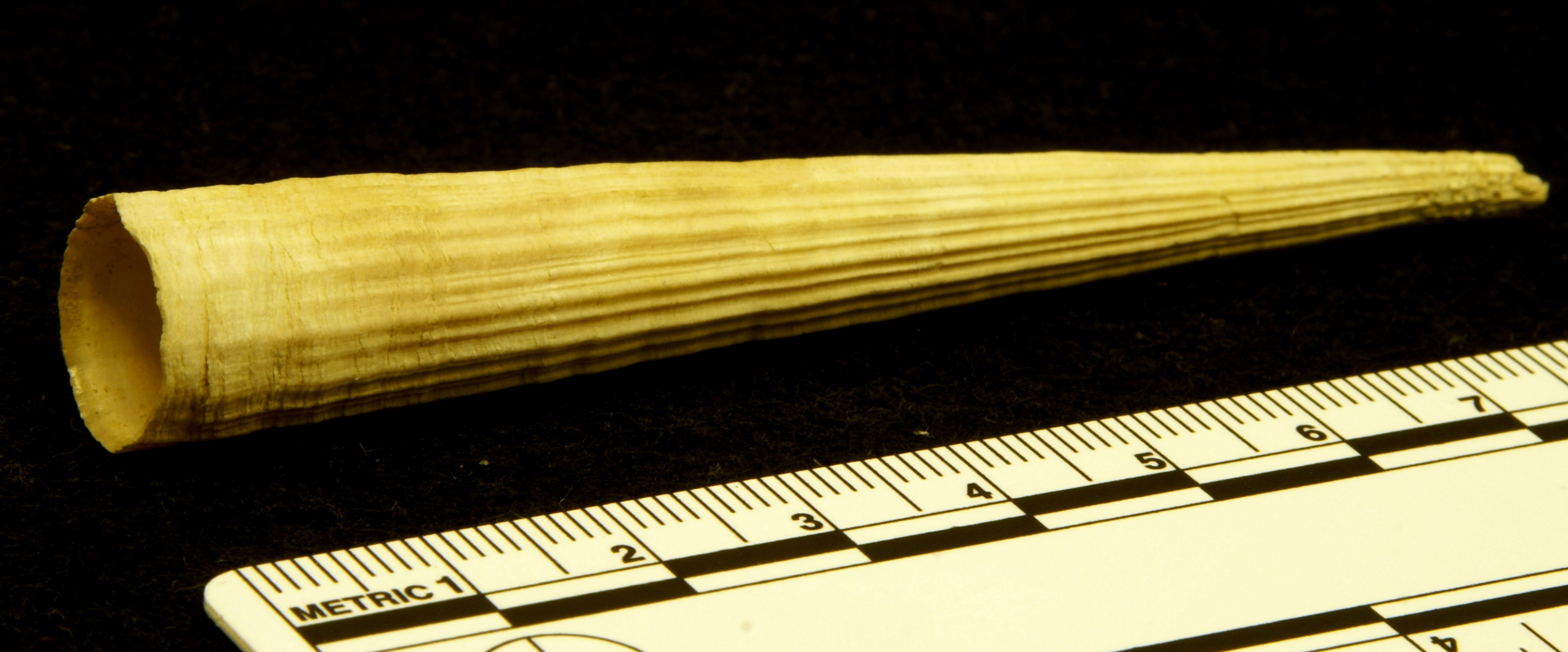
I thought that some of you might find it a bit tricky, since this is a shell from a group of animals that aren’t that familiar to most people.
Barbara Powell was the first to spot what this shell came from and her identification was supported by Dave Godfrey, Julie Doyle and henstridgesj. It’s a Continue reading
This week I have something from the Horniman’s collections that some of you will probably be able to identify straight away, whilst others may have a slightly harder time:
Any idea what it is?
Put your suggestions, comments and questions below and I’ll do my best to respond. Good luck!
On Friday I gave you this object to identify:
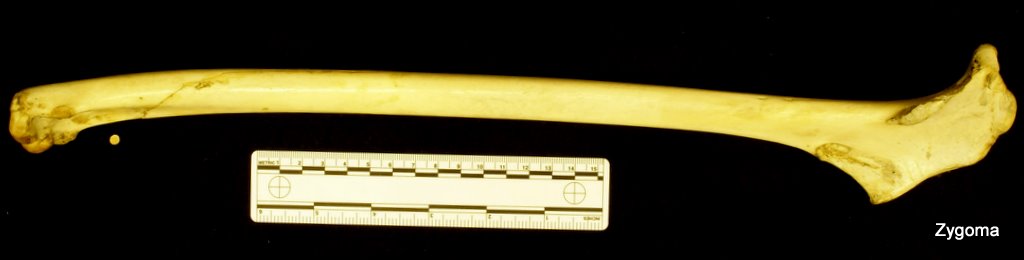
This type of bone can prove tricky to identify, and we often have queries about them on Ask A Biologist. With a large example like this one there will often be a suspicion that it comes from a human.
However, this is in fact the humerus of a bird – the large flange at the proximal end (the bit nearest the body) makes it hard to spot the rounded point where it articulates with the scapula, coracoid and furcula bones that make up the shoulder joint. The flange itself provides a large attachment area for the tendons and muscle needed to power and control flight.
Here are some images of a (much smaller) goose humerus that show the general structure of the bone more clearly:
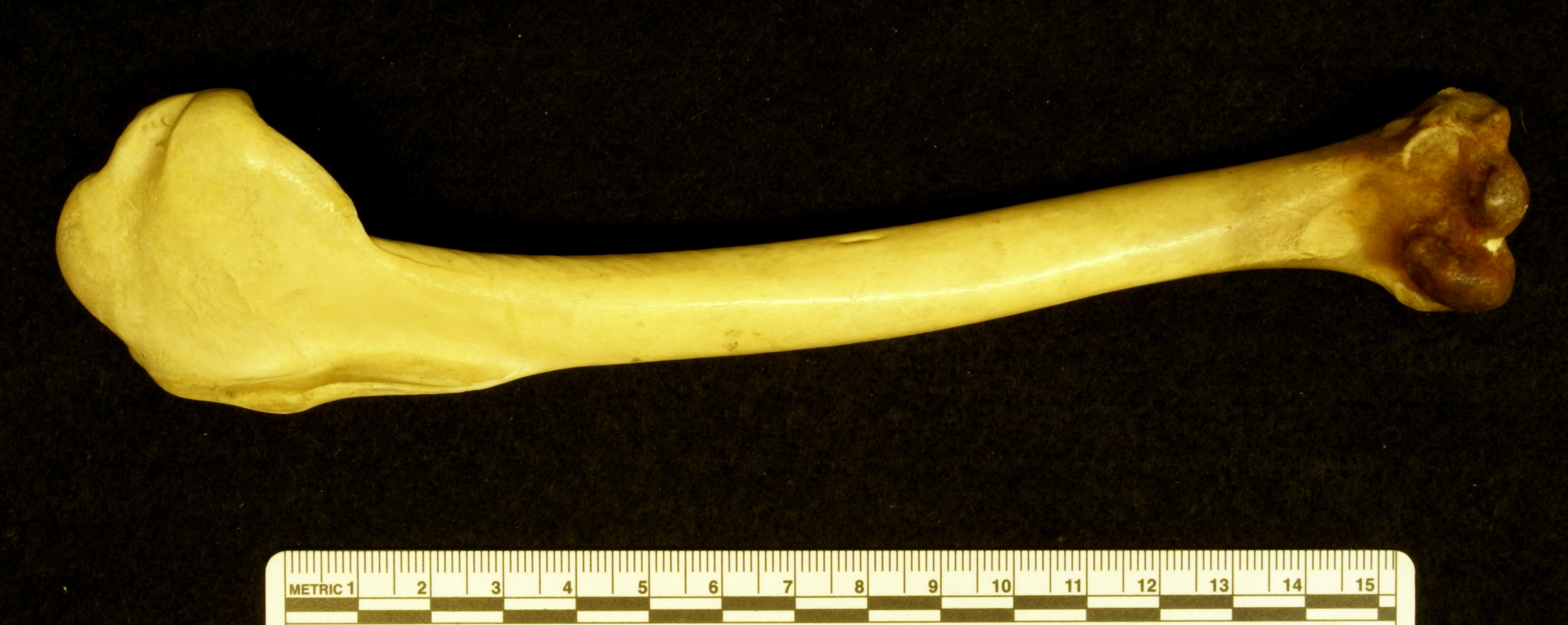

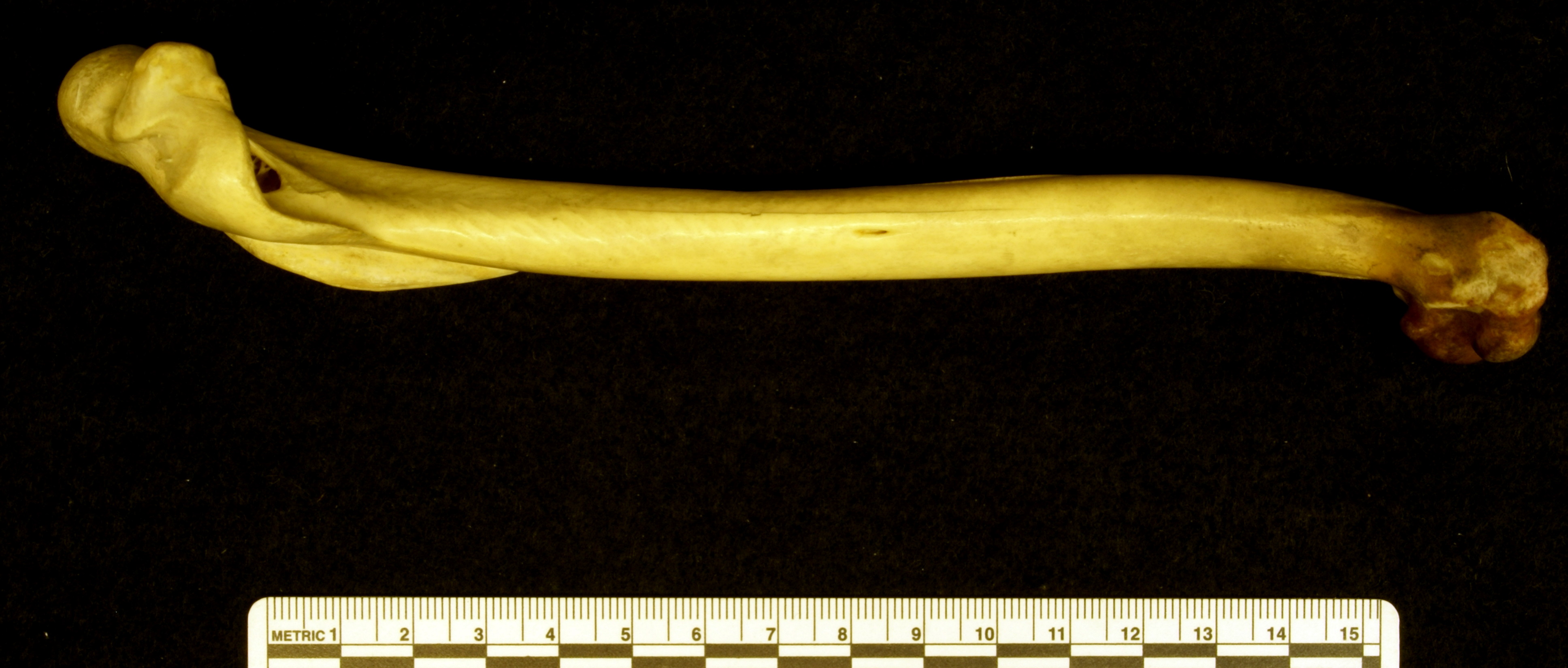
Once you’ve recognised the mystery object as the humerus of a bird, the length of about 45cm (17.7 inches) immediately narrows down the species it could come from.
Jack Ashby was the first to recognise what this humerus belonged to and he found support from Rachel, Carlos, Julie Doyle and initially Barbara Powell (although she later opted for another possibility). It’s the humerus of an Continue reading
This week’s mystery object is one that seems to perplex a lot of members of the public when they come across it, so I thought it might be a good test of your identification skills:
Any idea what this bone is and what it belonged to? You can put your suggestions, comments and questions below and I’ll try to respond during the day. Good luck!
Happy New Year!
On Friday I gave you this piece of an animal to identify:

As expected, you managed to work out what it is in fairly short order.
Jake recognised it as skin, Denis Copilas as scales and Rhea as carapace – all of which are right at least in part. Henstridgesj and Barbara Powell’s friend Alison spotted that the section of carapace came from a Cowfish or Boxfish. There wasn’t really enough information available to identify it any further than that.
Fortunately this specimen had a label associated with it, so I can tell you that the section of carapace is from the Continue reading
The WordPress.com stats helper monkeys prepared a 2011 annual report for this blog.

Here’s an excerpt:
The concert hall at the Syndey Opera House holds 2,700 people. This blog was viewed about 48,000 times in 2011. If it were a concert at Sydney Opera House, it would take about 18 sold-out performances for that many people to see it.
This week I’m giving you a mystery object that I think will be fairly straightforward to identify, although it might take a few attempts to get the right species:
Let me know what you think in the comments box below – I’ll do my best to reply to any questions. Good luck!
Apologies for a somewhat belated answer to last week’s mystery object – Christmas and all that…
I gave you these two unidentified objects from the Horniman Museum collections, so you could have a go at identifying them:
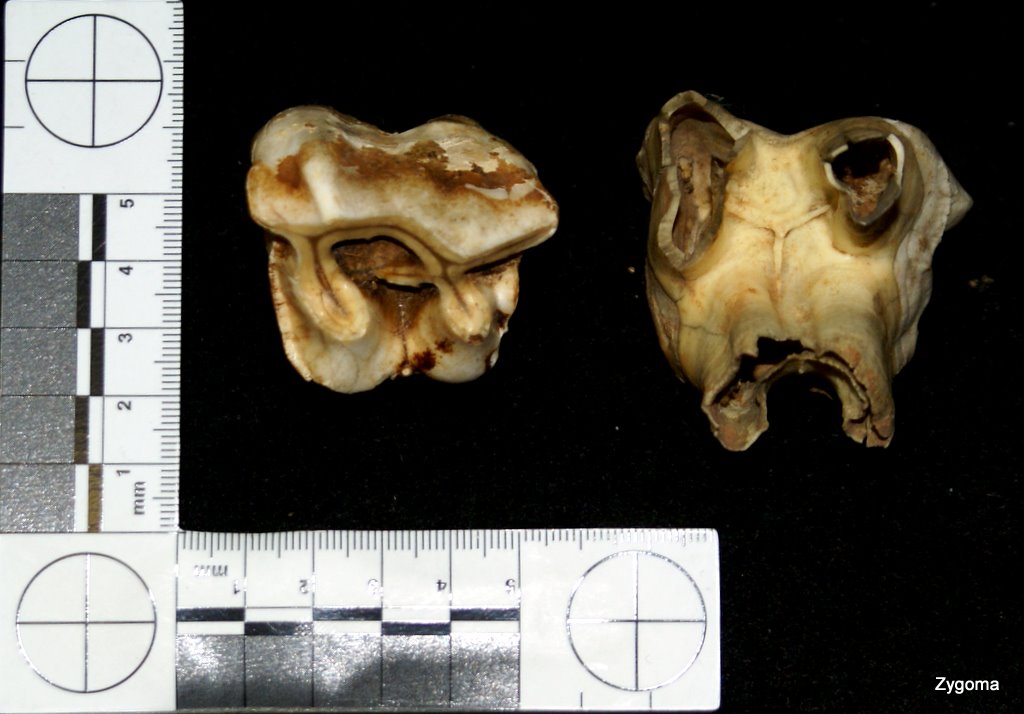
I was not disappointed either – Jake recognised that they were upper molars or premolars from a grazing animal and Rhea identified the animal in this cryptic clue:
If the owner of these teeth could market and sell a coffee, would it be interested in a label with a *unicorn* mascot that comes in the sumatran or javan blends? Continue reading
This week’s mystery objects were found in the collections with no data. See if you can work out what they belong to:
As usual, you can put your questions, comments and suggestions below. Good luck!
On Friday I gave you a bit of a tricky mystery object in the shape of this partial skull:


I wasn’t expecting anyone to get it without some clues, but I underestimated my talented audience!
Jake spotted that it was a mammal based on the ear morphology and then worked out what kind of animal based on clues from henstridgesj who suggested seal and Julie Doyle, who managed to not only identify the species, but drop this lovely cryptic clue to convey that information:
Not a lot to phocus on, but……. I’m harboring an idea about who it might be. Continue reading
It’s been a while since I gave you something partial to identify, so here’s something to be going on with:
As usual you can put your suggestions, comments and questions below and I’ll do my best to respond. Good luck (I have a feeling you might need it)!
On Friday I gave you a bit of a tricky mystery object:

Jackashby spotted that the skull is from a bat and Rob Hinkley did a bit of research while on a trip to the Horniman and was able to identify what the specimen is labelled as. Apparently it’s a Continue reading
Apologies for the slightly late posting today – it was out Xmas Party last night and an early start was simply beyond me. Another skull, but a bit trickier than last week:
I will try to answer questions and respond to your suggestions during the day, so put them below. Good luck!
On Friday I gave you this very easy, but hopefully interesting object:

Unsurprisingly most of you managed to identify this as being the skull of a juvenile or more accurately neonate (new born) Continue reading
This week I probably won’t be able to respond to comments on the mystery object as I’m in Liverpool at a conference about Dinosaurs (yay!), but I have a feeling you’ll get this without any help from me, as it’s pretty distinctive:
Good luck!
On Friday I gave you a genuine mystery object from the Horniman’s collections:


It had been highlighted as potentially being human in origin, but it’s very short, despite being fully fused (therefore from an adult) and the condyles (the bumps that make the top of the knee) are too similar in size – humans have a bigger condyle on the inside of the knee.
However, the general shape is quite similar to a human femur – the depth and orientation of the condyles and the groove between them is all wrong for a quadrupedal animal and the femoral head and neck (the articulation at the top that goes into the hip) are at an angle and shape similar to that seem in humans.
There were some great observations and suggestions and I was pleased that henstridgesj managed to get the same identification as I finally decided on, with Matt King making a very similar suggestion. I think it’s the femur of a Continue reading

