
Before I share this week’s Friday mystery object, I’d like to just take a moment to mark the 100th birthday of Sir David Attenborough.
I think it’s fair to say that he is a national hero in the UK and the source of inspiration for generations of naturalists, thanks to his documentaries. I’ve been fortunate enough to meet the legend himself a couple of times, and he was even generous enough to lend his Elephant Bird egg to an exhibition I was involved in at the Horniman Museum over 10 years ago.
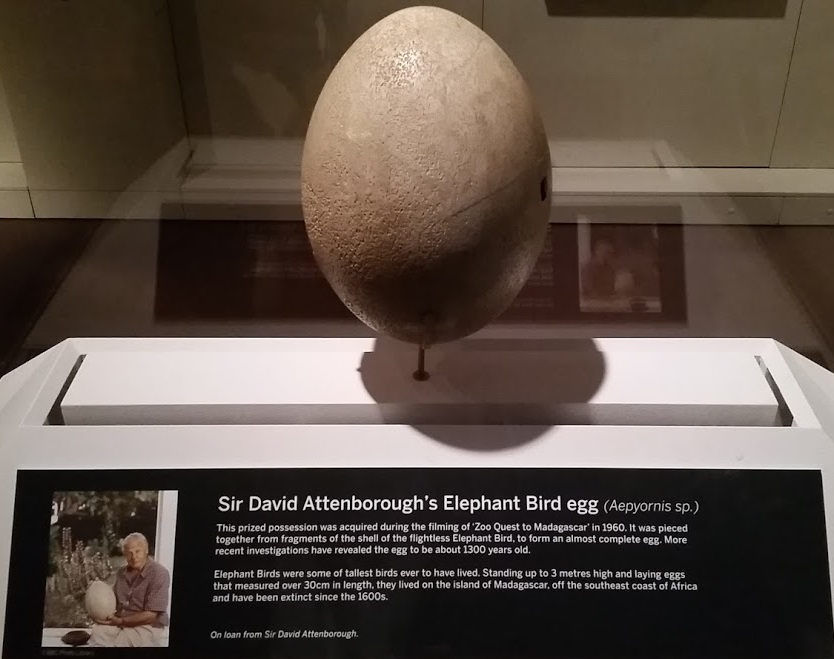
So here’s wishing a very happy century celebration to Sir David!
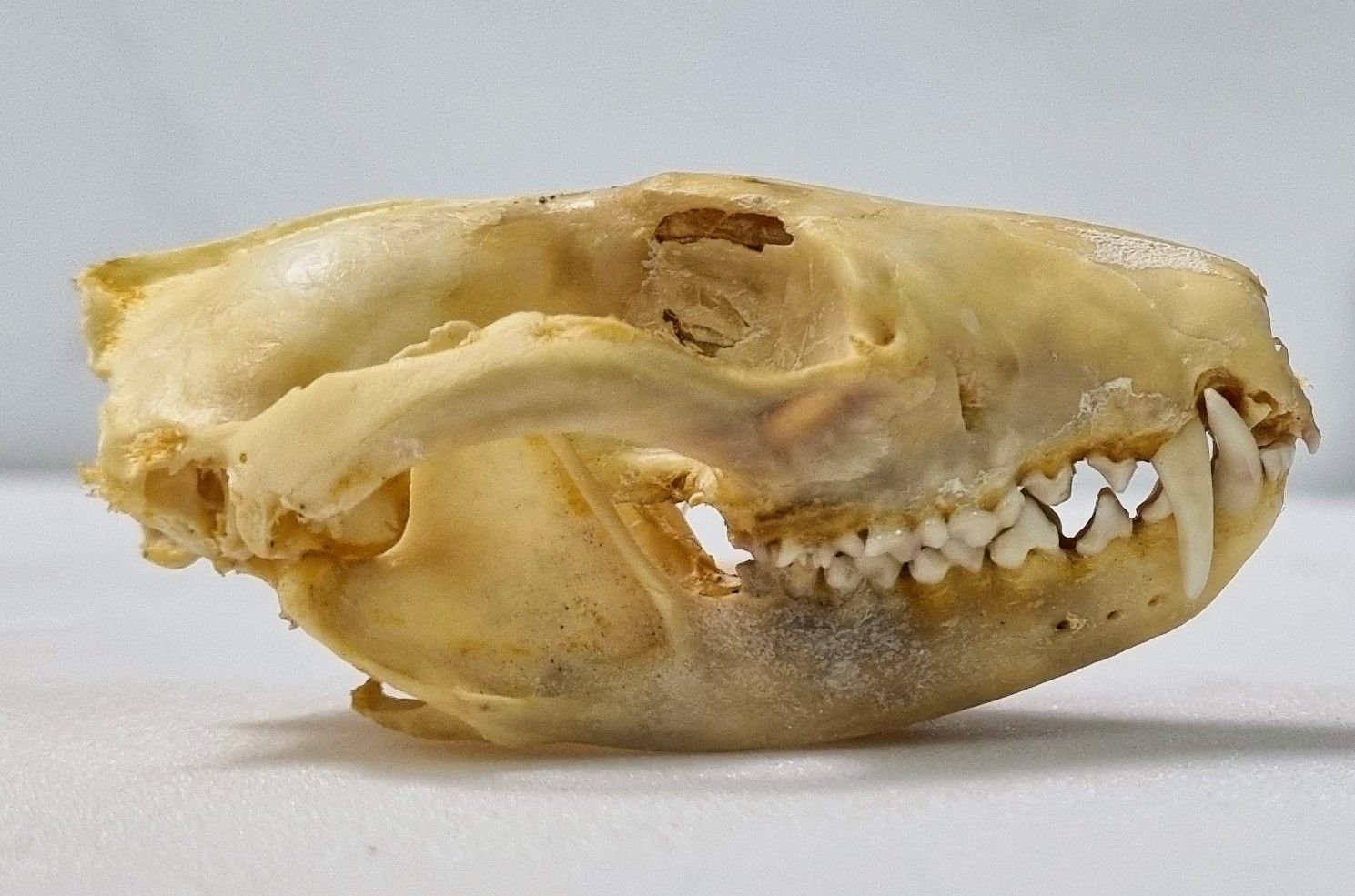
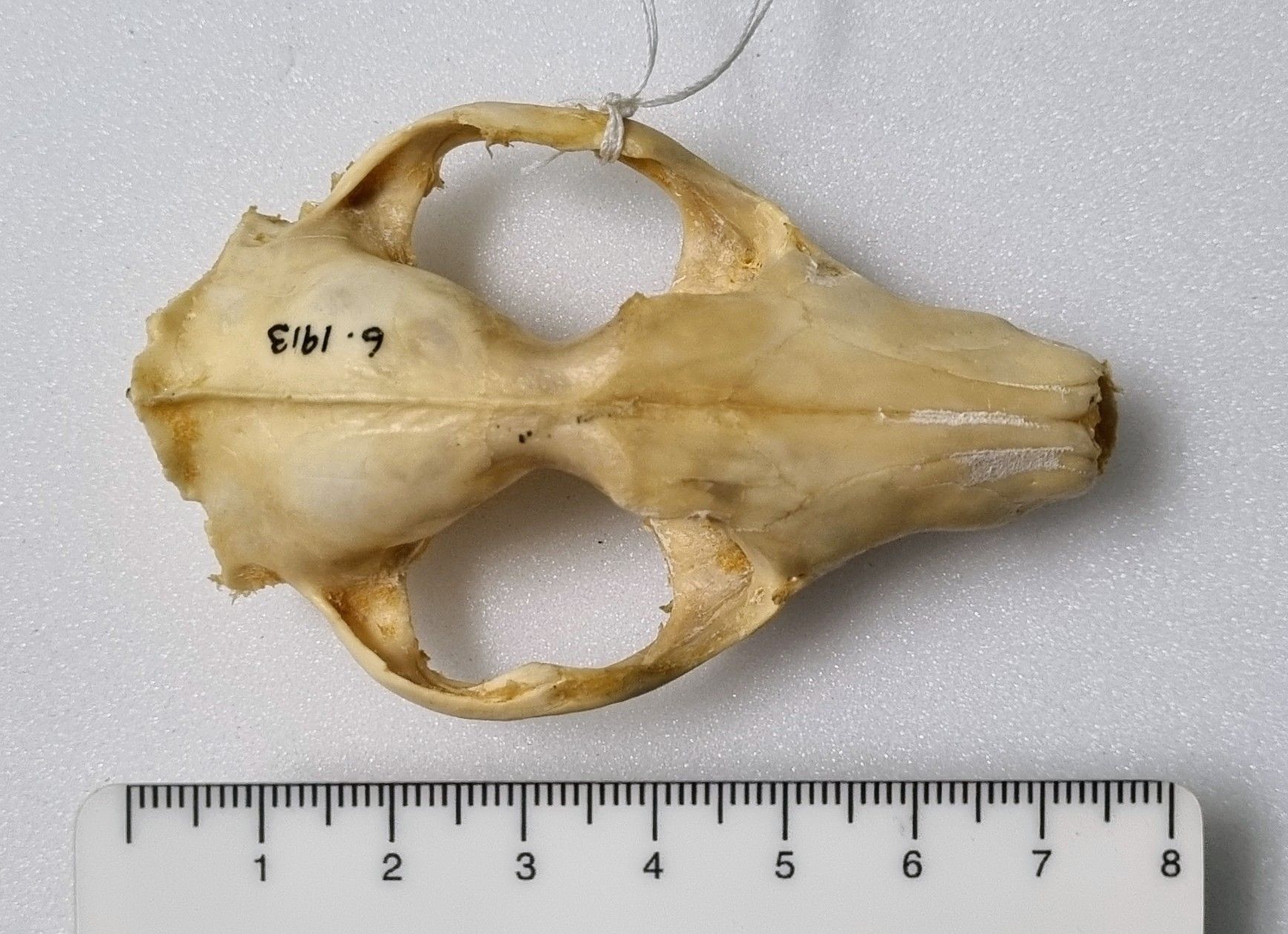
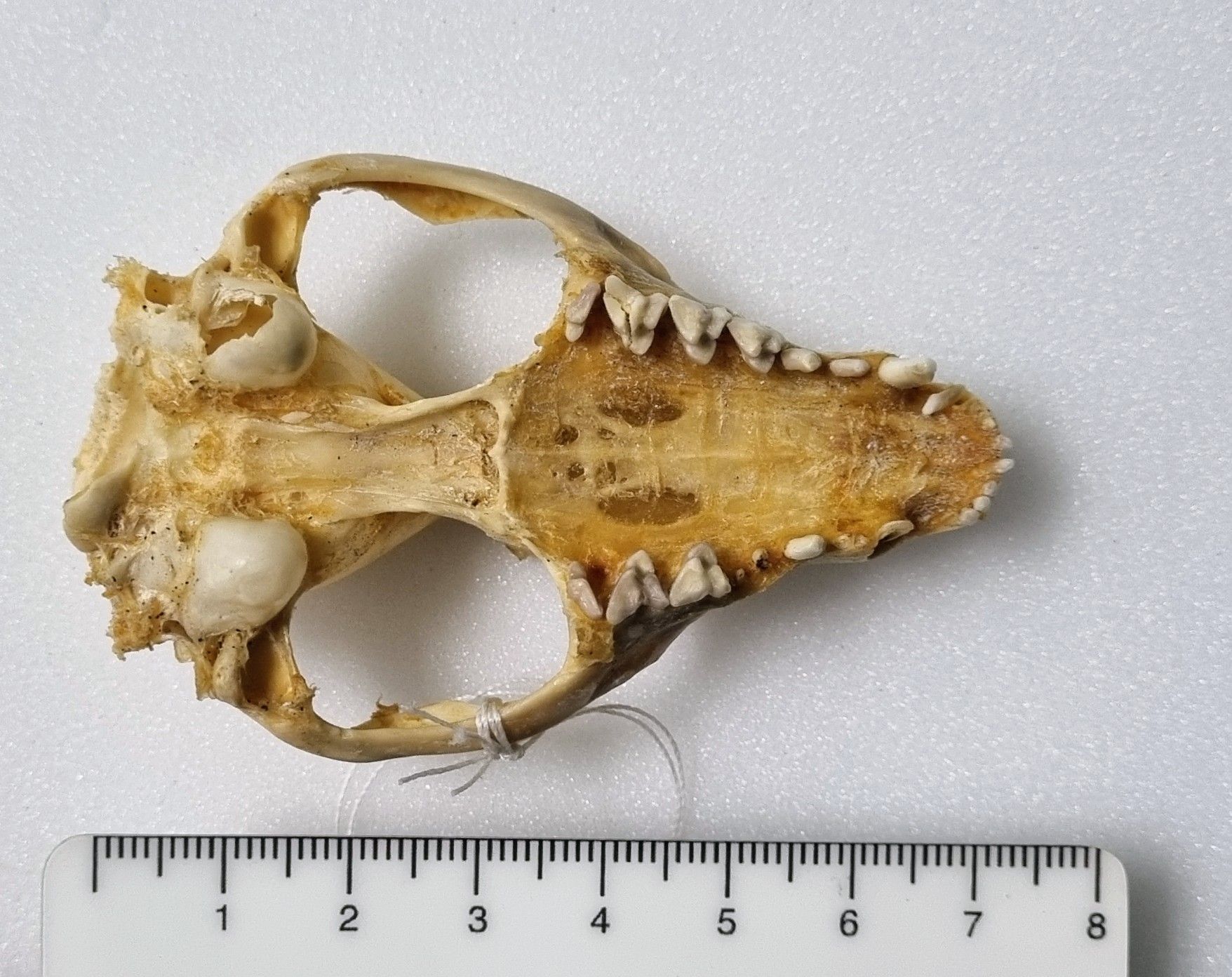
With that said, here is a nice skull for you to have a go at identifying – I’d love to hear your thoughts on what it might be:
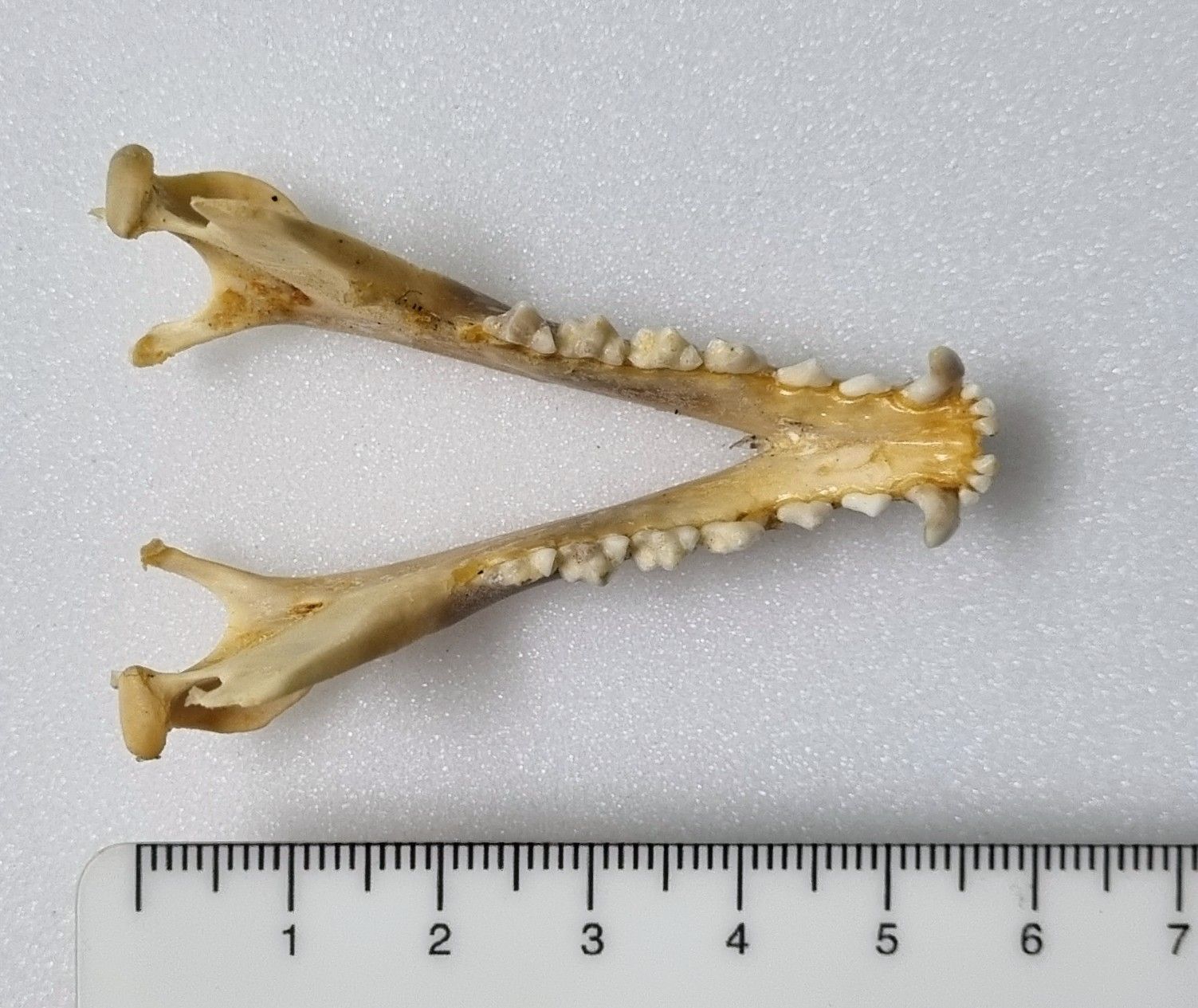
Let me know what you think in the comments below, and I hope you have fun working it out!


Some might have a devil of a time figuring out this flesh-loving beast.
I’m in a whirlwind like spin over this psycho-sarco’s skull….as yatesam says-bedevilling!
of my collection, looks most similar to D. virginiana
The rounded lower jaw and palatine holes have this one in the pocket. Now we need to be Driving Miss Daisy Home in am emaculate car.
Oh… skip the emaculate car. Just get it over the hillieri
katedmonson has it right. The profile of the snout and the width of the preorbital region in dorsal view show that this is Miss Daisy, not Taz, as I suggested earlier. However if the ‘hillieri’ clue was meant to steer the car to the west, then I disagree – at 8cm long, and a chunky almost devilish shape this one had to have had a spotty tail.
Could this be the only marsupial living in North America?
No, that species has a pointier snout, a larger sagittal crest and three premolars on each side of each jaw (vs. two here).
So, I originally thought Spotted tail but look at the nasals on that one compared to our unknown. So rounded..???? That’s why hiliri. Hummmmm
I had a chance to look at some dasy skulls today …. and you are correct. I was underestimating skull size in this genus and as it turns out, the mystery skull is within range for a western. The prong like angular process of the mandible in both the mystery skull and the westerns convinced me.