Friday mystery object #92

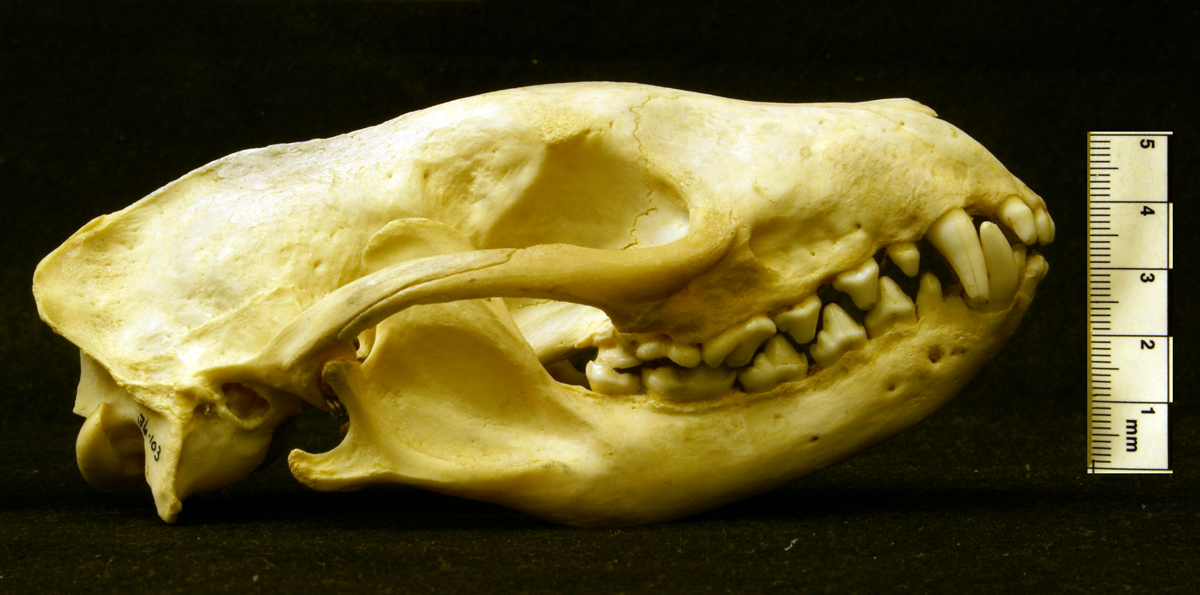
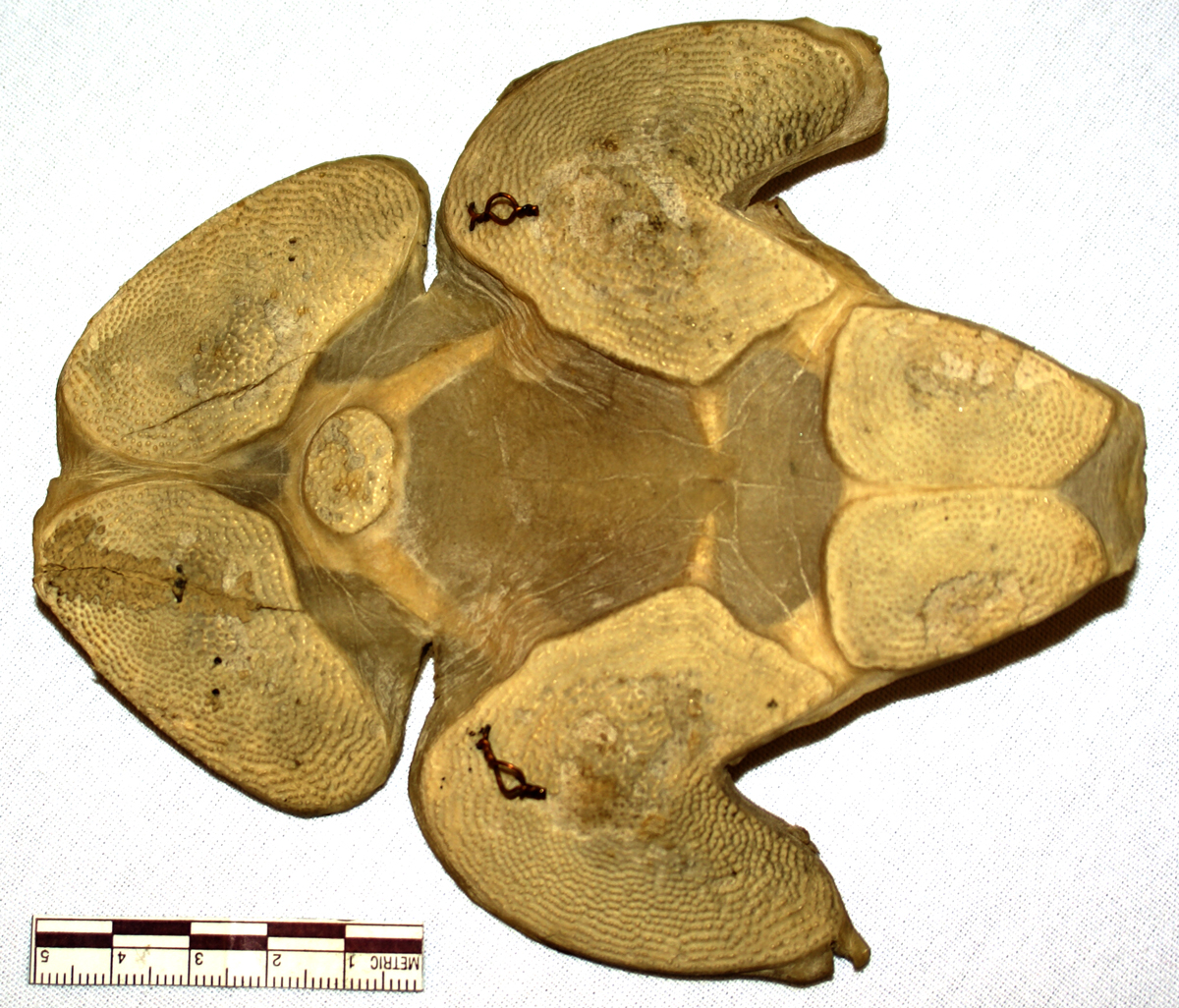
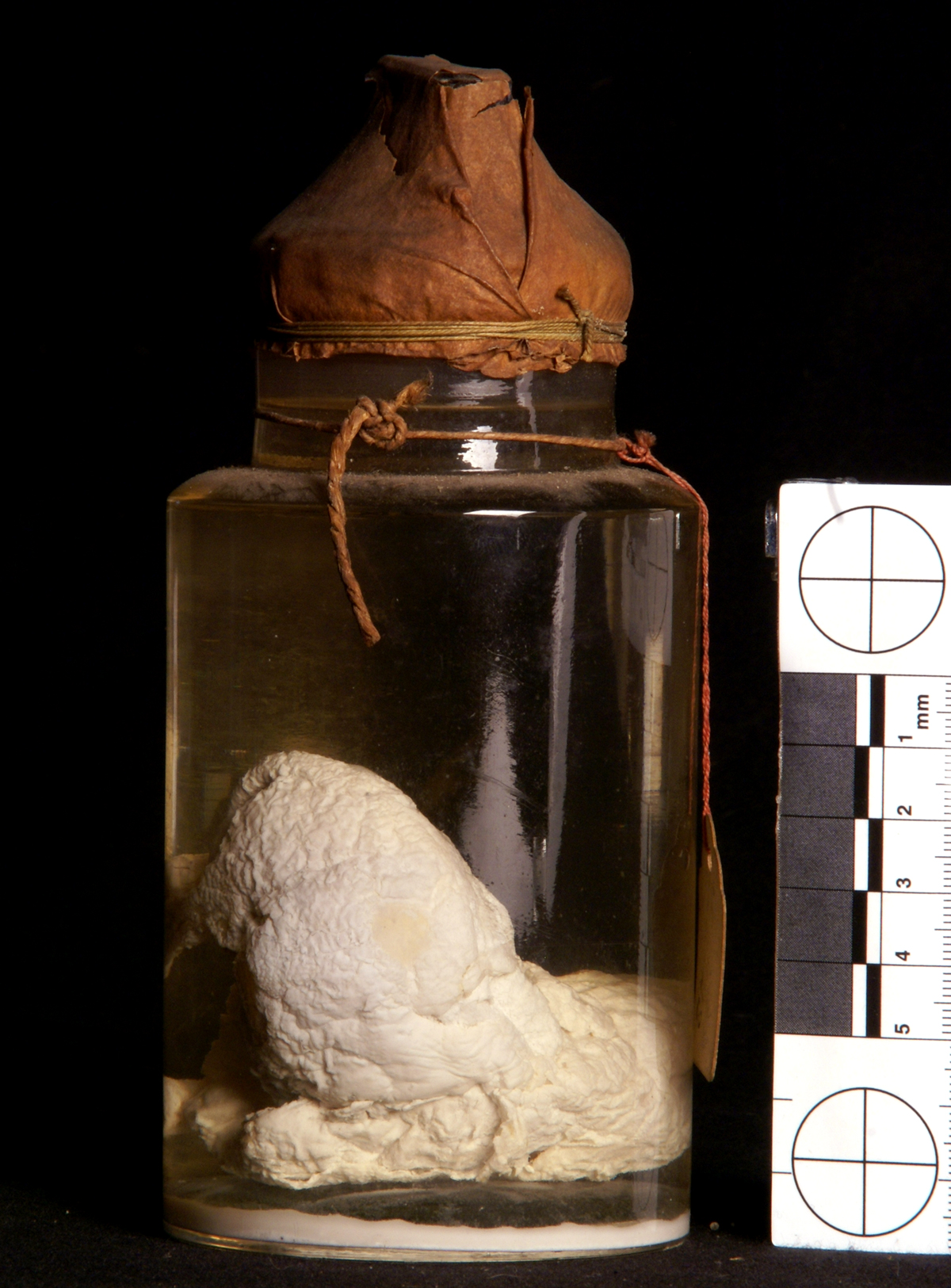
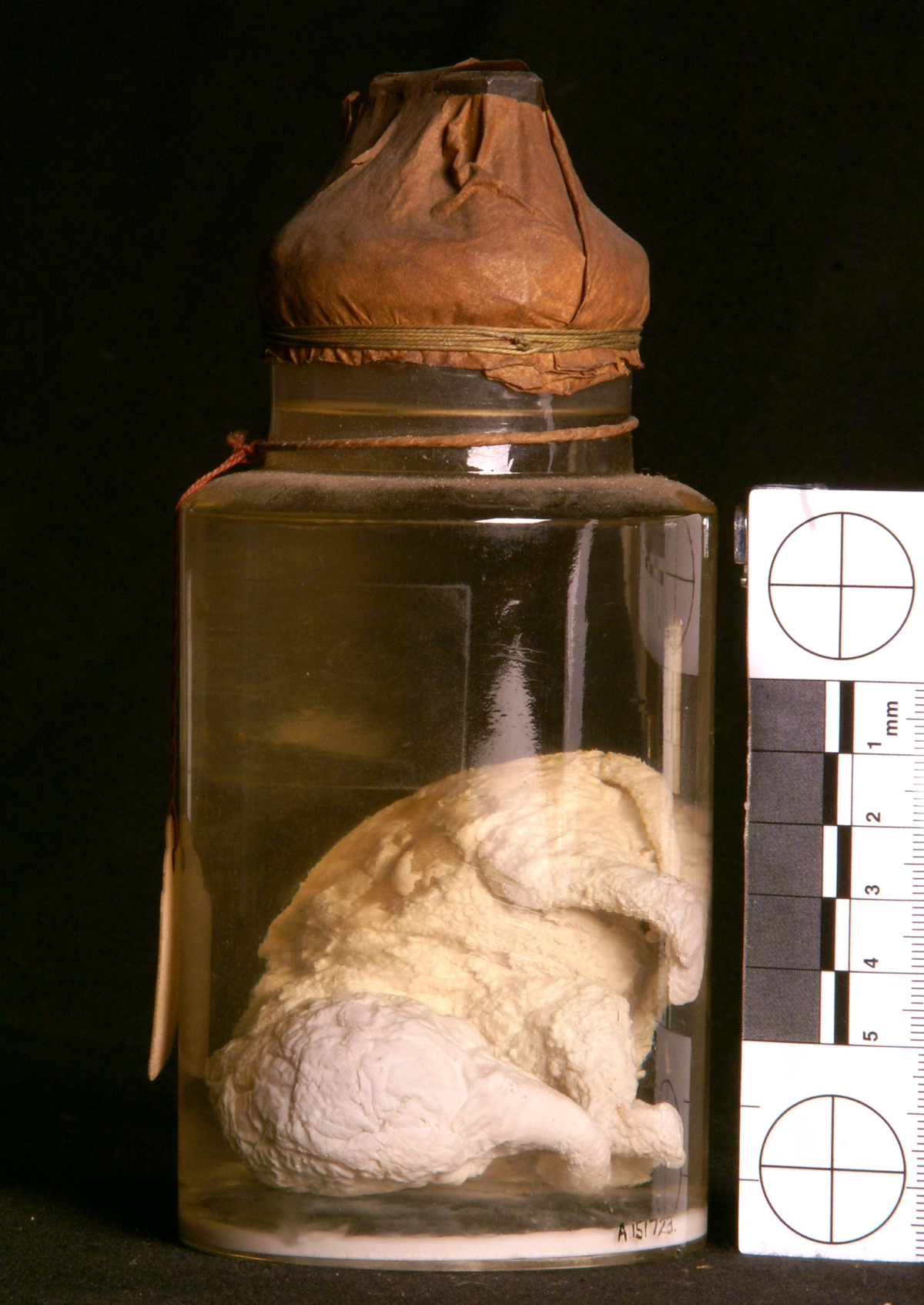
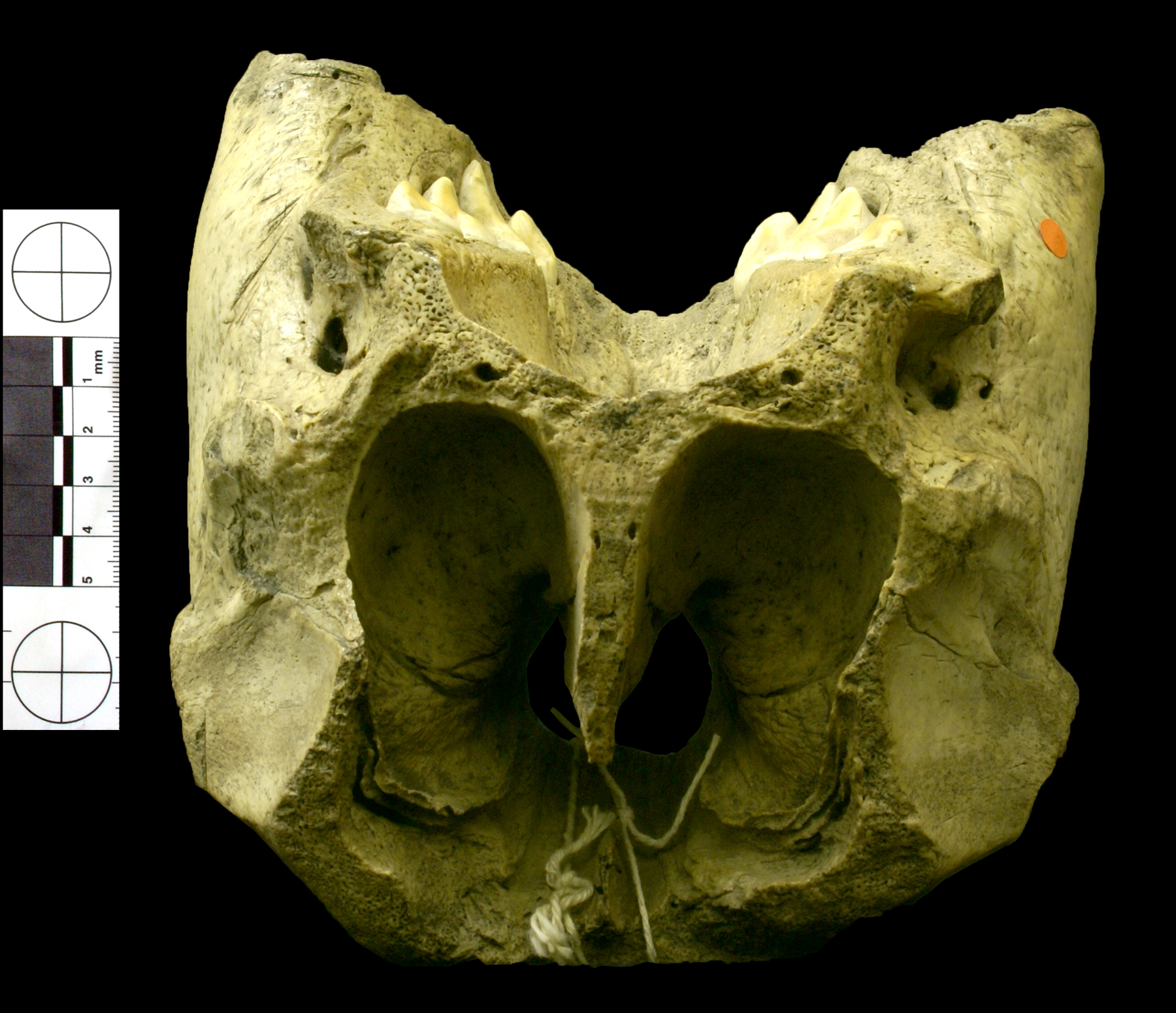
This week I’ve decided not to opt for an Eastery mystery object and stick with skulls – hopefully nothing too difficult, but enough to be a challenge. Any idea what this skull belongs to?

As usual I will try to respond to any questions comments or suggestions below.

Good luck and have a lovely Easter Bank Holiday!

Apes are monkeys – deal with it

Are apes monkeys?

Martin Robbins wrote a fun piece in The Lay Scientist the other day on the incorrect use of the term monkeys to describe apes (triggered by an article by Graham Smith for the Daily Mail). In Martin’s words:

A great crime against pedantry is in progress and it’s time for someone to draw a line

So as a pedant with a professional interest in this issue I am taking my stand, to help ensure that a miscarriage of pedantic justice doesn’t occur.

Nested hierarchies

Apes are monkeys in the same way that monkeys are primates, humans are apes and I am a human – it’s called a nested hierarchy.

Primate nested hierarchy

This means that all apes are monkeys, but not all monkeys are apes. Just as all humans are apes, but not all apes are human. By the same token, humans are all ape, contrary to the title of the otherwise rather good book 99% Ape: How Evolution Adds Up.

This nested hierarchical system is the mainstay of biological taxonomy – each individual fits in its species (with the possible exception of hybrids), each species in its genus, each genus in its family and so on. It’s how Linnaeus organised things back in the 1750’s and it works remarkably well. [EDIT it’s actually a bit more complex than that]

Why do nested hierarchies work in biology?

Linnaeus’ system works well in biology because species share varying degrees of similarity depending on when they branched off from a common ancestor. The groups with most shared characteristics can be clumped together. That’s a bit tricky to explain in a few words, so here’s a simple diagram:

Primate phylogeny adapted to show clades. Image adapted from handout used by Mr. Krauz (click image for link to source)

The groups that form after a branching event are called ‘clades’ and the members of the group can correctly be referred to by the name of any of the clades that they are part of. This is known as monophyly (which means one leaf).

If a name is given to a group of species that are not all related in this way it will either be a polyphyletic group (many leaves) or a paraphyletic group (excluding leaves). Again, this can be confusing to describe, so here’s another diagram:
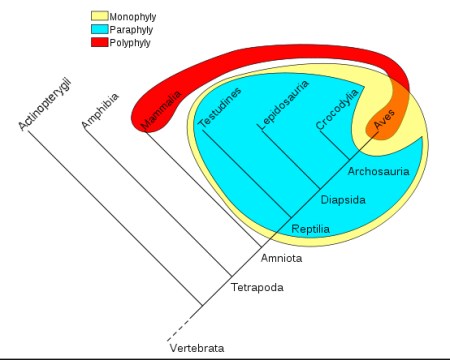
Monophyly, paraphyly and polyphyly in the vertebrates – from Wikipedia (click image for source)

Polyphyletic and paraphyletic groups are not particularly scientifically informative, since they include or exclude members of clades with no evolutionary justification. This means that scientists prefer to base names for groups on clear monophyletic clades.

That’s a scientific argument for considering apes to be monkeys.

But ‘Monkey’ isn’t a scientific term

Aha! I must make it clear that I have been using the term monkey as a direct match for the term Simiiformes (which includes the Old and New World monkeys, the lesser apes and the great apes) in the discussion above, but is that valid?

Obviously I argue that it is, since I’ve been using it – the question should be why wouldn’t it be valid? The only logically robust answer (that I can think of) is that it wouldn’t be valid if people don’t commonly use the two terms to refer to the same things. So do people use the term monkey to refer to the apes?

The simple fact is that this whole discussion has been raised because Graham Smith published an article in which he refer to apes as monkeys, which demonstrates that monkey is indeed used as a generic term to refer to apes.

Another example is Terry Pratchett’s Discworld, where the Librarian (who happens to be an Orang-utan) dislikes being referred to as a monkey, which happens regularly – it may be fiction, but it seems reasonable to suggest that it reflects the use of terminology of real people.

In addition, I would suggest that it’s helpful for common terms for biological groups to directly reflect the scientific terminology as much as possible, since this improves the ability of scientists to communicate with a non-specialist audience. So even if monkey didn’t mean the same as Simiiformes (which it seems to) it probably should. Otherwise monkey has no scientifically meaningful analogue, since it would refer to a paraphyletic (and therefore arbitrary) grouping.

Case closed?

I think that my argument is pretty robust and I’ll stand by it until I hear something convincing enough to change my mind.

That said, I will add an important caveat – monkey is a generic term and when referring to Chimpanzees, Gorillas, Gibbons, Orang-utans and Humans the more specific term of ape should be used for clarity. After all, you don’t refer to your pet cat as a pet carnivore, or a budgie as a theropod, because generic terms omit a lot of additional information.

So although apes are monkeys, they are still apes – and that means something.

[N.B. this discourse continues in more detail here]

Friday mystery object #91 answer

On Friday I gave you this cute little chap to identify:

I was very impressed with Neil’s comment, which managed to convey the scientific name of the species without giving it away. Here’s what he said:

I see one eye and two fingers

which neatly leads us to  Continue reading

Friday mystery object #91

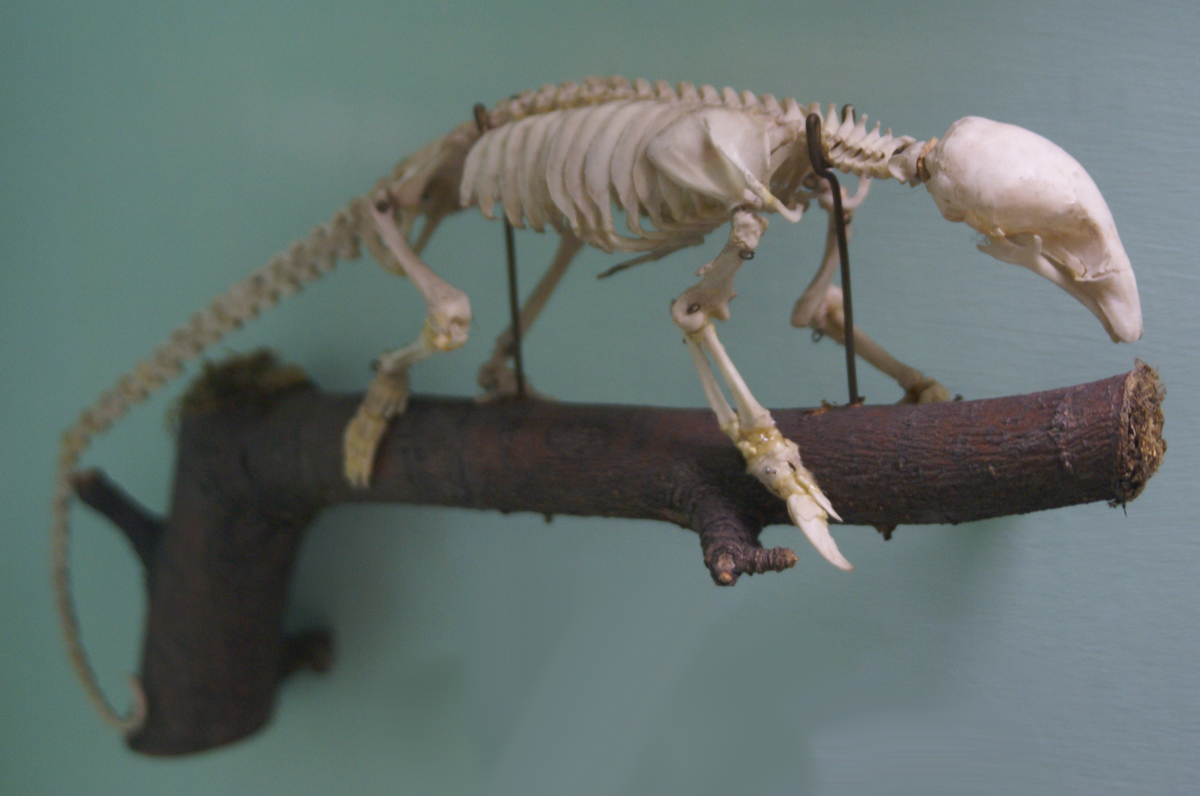
This week I’m going to give you an object that’s on display at the Horniman Museum. Whenever I see this specimen I’m reminded of the diversity of life that is out there in the wider world, that we never consider normally. Any idea what this skeleton belongs to?

As usual, I will do my best to reply to your questions, observations and suggestions in the comments section below.

Good luck!

Friday mystery object #90 answer

I must apologise in advance for the somewhat short answer to the mystery object this week. Partly it’s because I don’t know much about musical instruments and partly because I’ve been busy pulling together a guest post for GrrlScientist over at Punctuated Equilibrium on the Guardian science blogging network (not sure when it will go live[EDIT it’s live now]). Excuses aside – on with the answer!

Last Friday I gave you this object to identify:


I was impressed that everyone immediately spotted that it was a musical instrument, but I was even more impressed that so many of you identified which continent it was from (Africa) and the general type of instrument. Historically in the West this has been referred to as a ‘thumb piano’ which is a very Eurocentric interpretation. A more accurate generic name is lamellophone (or lamellaphone).

There are lots of different sorts of lamellopone from different regions in Africa, including the mbira, the sanza, the kalimba and lukembe. This particular example differs from all of these other forms in the way in which the lamellae are secured:

This particular type has tangs on the lamellae that are driven directly into the wooden resonator, rather than having a fretboard like an mbira:

Mbira by Alex WeeksThis means that the instrument is not tunable, unlike the mbira.

This unusual characteristic identifies this mystery object is an  Continue reading

Friday mystery object #90

This week I thought I’d give you a break from the bones and provide something a bit more cultural for you to identify:

Any idea what it is, where it’s from and what it’s for?

As usual you can put your questions, comments and suggestions below and I’ll get back to you as best I can (possibly with some additional information from my colleague Tom – who knows far more about this object than I do!).

Good luck!

Friday mystery object #89 answer

On Friday I gave you this archaeological mystery object from Surrey to identify:

Jake immediately spotted that it was the mandible of a carnivore and ruled out a Cat because the teeth were wrong. General consensus leaned towards this being from a mustelid of some kind – which David Craven confirmed with the correct identification of   Continue reading

Noisy neighbours

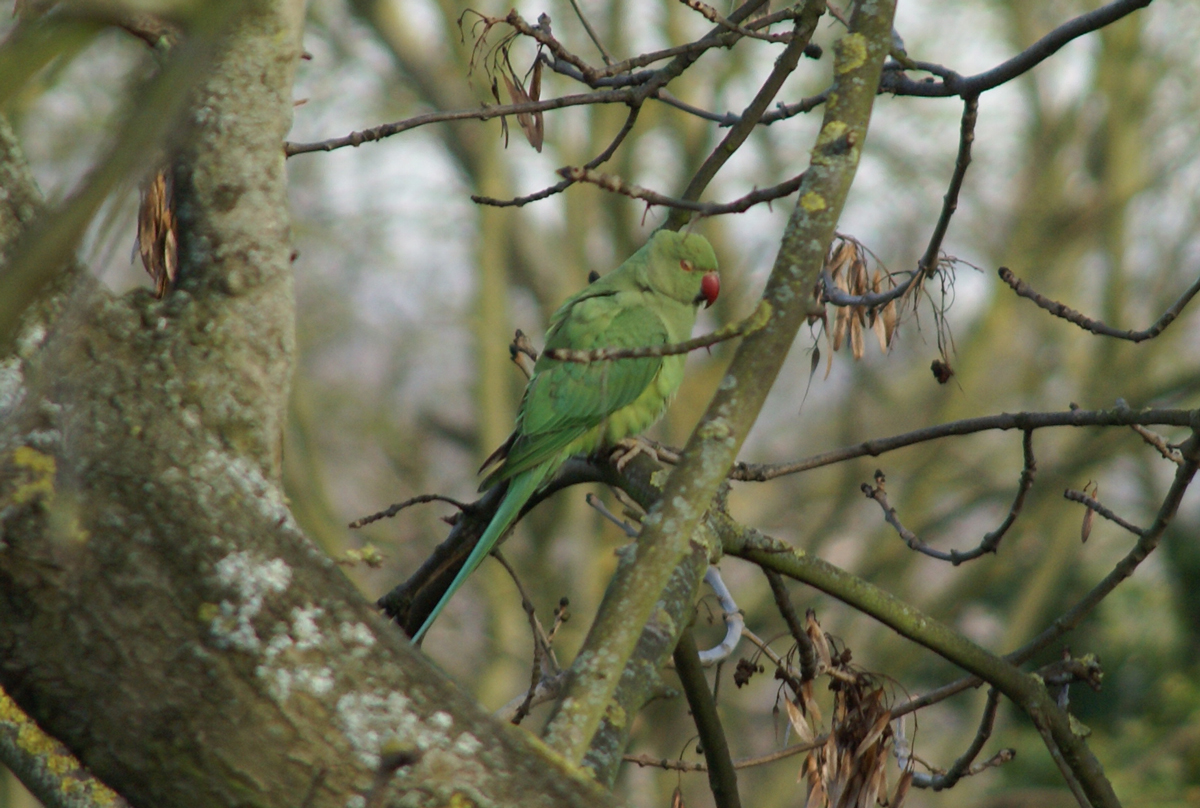
I just thought I’d mention my new noisy neighbours at work – a couple of Ring-necked parakeets have set up a nest in an old Greater-spotted woodpecker hole next to my office:

Parakeet nest hole

The squawking is loud and frequent, but it’s novel having these colourful birds just a few metres away!


One of the new neighbours

Friday mystery object #89

This week I’m going to give you something to identify from an archaeological excavation near Coulsdon in Surrey. It was associated with human remains and some clay pipes that suggest an approximate date between 1600-1850AD. Any idea what this section of mandible belonged to?

After getting the scale wrong last week I have made sure that there are scale bars in the image this time!

As usual you can put your questions, observations and suggestions in the comments section below and I’ll do my best to respond. Good luck!

Friday mystery object #88 answer

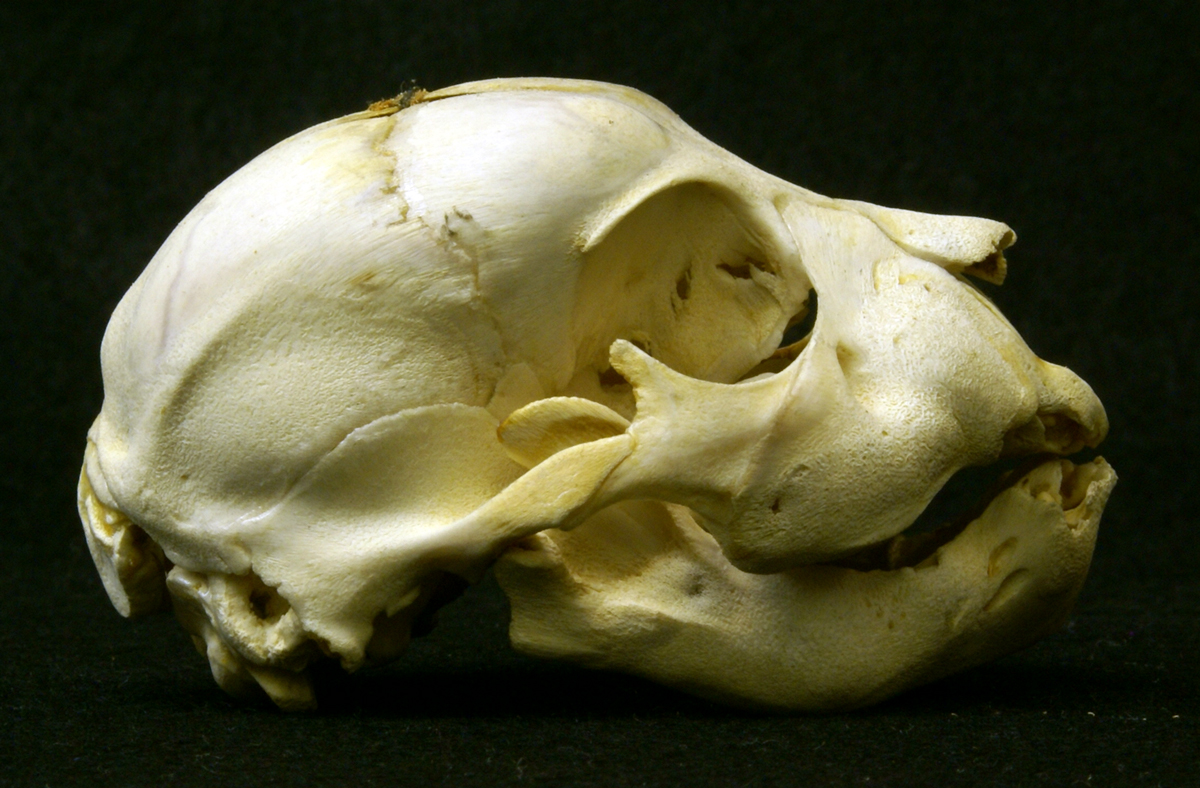
I’d like to begin by apologising for providing misleading information about Friday’s mystery object – I omitted a scale bar and then described the skull as being 4cm long. It goes to show how even a small amount of time can addle one’s memory, since this skull is in fact 7cm long:

I thought it would prove an easy one to identify, since it’s from a very well known species that I have talked about before – but the identification was made more difficult because it is a very young individual. This fact is clear from the lack of fusion of the bones and the lack of teeth. CopilasDenis and David Craven both spotted this and they also picked up on the fact that this skull is from a carnivore – as did ObenedO.

As to what species this skull comes from, no-one really came very close. In fact I was surprised when Jake said:

It doesn’t look catty or doggy or sheepy or deery.

since this is actually the skull of a Continue reading

Friday mystery object #87 answer

On Friday the mystery object was provided by Mark Carnall, the curator of the newly reopened Grant Museum of Zoology:

It’s not been an easy one to work out – I thought it was part of a fish skull when I first saw it and comments have ranged from a squashed frog to Yoda’s foot.

The closest suggestions came from Jamie Revell, Steven D. Garber, PhD and Helen (sort of…), this is the  Continue reading

Friday mystery object #87

This Friday we have a guest mystery object from the newly reopened (and rather fantastic) Grant Museum of Zoology:

I got this one wrong when I first saw it – I hope you manage to do better!

I’ll do my best to give clues and answers to questions during the day, but hopefully Mark and Jack from the Grant will be able to provide some guidance as well. More about the awesome new Grant Museum on Monday with the answer. Good luck!

Friday mystery object #86 answer

On Friday I gave you this fluid preserved specimen to identify:

I probably made this one a bit harder than I could have, by not giving you a photo from the other side, but then that would have made it too easy:

It seems that Neil was the only person who may have correctly identified this specimen, as hinted in this comment:

Knowing it’s an embryo give me some idea (possibly incorrect) of the orientation: tail and hind-limbs at top, trunk, then forelimbs at lower left and the head, unhelpfully facing away from us, at lower right. It would then appear to be a quadrapedal tetrapod, probably (?) a mammal. Based on the apparent shape of the feet and possibly the hint of an ear I’m going to say …

This is of course assuming that Neil deliberately chose the word ‘trunk’ to indicate that he had worked out that this is the embryo of an  Continue reading

Friday mystery object #86

This week I thought it would be nice to give you a bit of a break from the usual skulls, so this week I have a fluid preserved specimen for you to identify:

It may just look like a small white blob, but it’s my favourite small white blob ever. Can you work out what it is?

As usual you can put your observations, comments and suggestions below and I’ll do my best to respond. Good luck!

Friday mystery object #85 answer

On Friday I was at the Natural Science Collections Association conference in Newcastle, which was a very enjoyable couple of days spent with other natural scientists discussing issues relating to natural history collections. The downside was that I wasn’t really able to respond to comments particularly well.

However, it turns out that you didn’t really need my input, since there were some great clues by other commentators, that helped with the identification of this object:

Jake spotted that it was the nasal cavities and teeth (the premaxilla and part of the maxilla) of a marine mammal and Jonpaulkaiser identified that it belonged to a  Continue reading

Friday mystery object #85

This Friday I’m at a conference in sunny Newcastle, so I might not get to answer questions on this post until a bit later in the day, but I have a feeling you won’t need my help on this one! Any idea what this object from the Horniman collection might be?

Please do feel free to ask questions and make suggestions below – I will do my very best to respond. Good luck!

Friday mystery object #84 answer

On Friday I gave you this piece of skull to identify:

It was in the Horniman collections with no identification beyond a pencil note saying ‘Monkey?’, but that seemed to be a  bit of an odd suggestion, since primates have very rounded braincases – even the longer skulled ones like baboons. I think the person who made the tentative identification had got the section the wrong way round – thinking that the nuchal crest was a part of a brow-ridge or something – a mistake that Jake certainly didn’t make. They also missed what several of you spotted – the rugose (sort of wrinkly) structure that supported the olfactory epithelium (the inner back part of the nose where the receptors for smell are located).

What most of you did miss however, was the lack of fusion of the cranial sutures, which indicates that this was from a juvenile animal. As a result it is smaller and has far less well-developed muscle scars than an adult animal would have. A faint muscle scar can be seen converging on what looks like the beginnings of a sagittal crest (as pointed out by Manabu Sakamoto), so it seems reasonable to guess that the adult animal would have a reasonably well developed crest on the top of the braincase.

Eventually Neil dropped a couple of hints that showed he knew what it was and David Craven and KateKatV also suggested that they knew that it was part of the braincase of a juvenile  Continue reading

Friday mystery object #84

This week I have a really tough one for you. It’s a specimen I found in our collections with a tentative identification that I was unconvinced by. I followed my instincts and they led me not only to a more accurate identification, but also to the rest of the specimen, from which it had been separated before they even arrived at the Horniman. Can you work out what it is?

Please feel free to ask questions and make observations or suggestions in the comments section below and I’ll do my best to respond. Good luck!

Friday mystery object #83 answer

I apologise in advance for providing a slightly short answer to this week’s mystery object – I found myself a bit strapped for time between responding to Intelligent Design types trolling my blog here and at Scientopia, writing a talk for Skeptics In the Pub tomorrow evening and trying to sort out my laptop power lead after it broke (now fixed thanks to the helpful staff at Maplins who gave me the parts I needed to make repairs).

On Friday I gave you this object to identify, thinking that it might be a fun challenge:

As it turns out it seems to have been a good one, since most of you managed to work out what it’s from. There were some great hints dropped and I think that the comments proved to be a useful resource for those who weren’t sure, but they didn’t detract too much from the fun of working it out. Thanks to everyone for being awesome!

The first to correctly identify both the type of bone and the species it came from was Cromercrox, who gave a great rationale for his suggestion: Continue reading