Friday mystery object #11

My internet is still down at home, but here’s a Friday Mystery Object anyway!

This time I just want you to work out what group of animals this ribcage comes from:

mystery11a

Here’s a close-up that you might find useful:

mystery11b

Now you don’t need to be an expert to work this out – just work out how this ribcage is similar to the ribcage of other animals and certain features should start standing out to make the answer obvious – a real case of deductive power!

To assist, I will point you in the direction of some useful comparative material and I urge you to consider how function and inheritence both shape bones used in movement.

Feel free to ask questions in the comments section below – I will reply whenever possible. I hope you enjoy the detective work!

Friday mystery object #10 answer

On Friday I presented two mystery objects after a frantic search through the photos on my phone whilst at the SVP conference in Bristol:

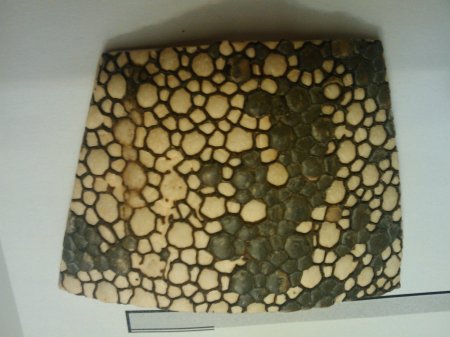
Name the source of this leather seat cover

Name the source of this leather seat cover

2009-09-04 10.21.29

 As it is you performed remarkably well, SmallCasserole spotted that the leather was Continue reading

Friday mystery object #10

Currently in my apartment in Bristol frantically searching for a suitable mystery object whilst also trying to plan the talks I want to attend at SVP.

I get the feeling skulls are getting boring for some of you, so perhaps it’s time I introduced an object that isn’t directly related to what I’m doing at work. In the pub yesterday, a natural history curator friend  of mine (David Waterhouse from Norwich Castle Museum) queried the type of leather on the seat of his chair (it’s the kind of thing we do). We think we know, but can you work it out?

Name the source of this leather seat cover

Name the source of this leather seat cover

Not an easy one, particularly without any clues, but I will attempt to answer any questions go help you on your way – just post them below in the comments section.

Good luck! Continue reading

Friday mystery object #9

It’s Friday again, we all know what that means – Mystery Object time!

Last week I gave you a really tricky one, that you managed to work out with some clues. I liked the Q&A format, but unfortunately I am between ISP’s at the moment, so I don’t think I will have the chance to have as much input this week. Instead there is a poll (although comments are always welcome!) and I will return to my favourite objects – skulls.

mystery9a

So, what is this the skull of? Choose an answer from the poll below (don’t forget to hit “vote”): Continue reading

Friday mystery object #8

Well, after last week’s impressiveness on your collective parts, I think I’d better step up to the plate and deliver something truly taxing. This one I guarantee you won’t get without some extra clues.

Here it is:

Scale in cm
Scale in cm

(click on image to enlarge)

It’s a tall order I know, but what do you think it is?

Put your answers in the comments section below and if you need some clues (or ask some sensible questions) I will respond accordingly.

Good luck (I have a feeling you’ll need it!)

What is science?

N.B. If you’re after a quick answer then see here, if you want an in-depth outline see here or if you want to know how science works see here– this blog is more concerned with the broader conceptual framework within which science fits.

Knowledge is an interesting concept – how can we really “know” anything? How do we determine truth from untruth? Does knowledge even require what is “known” to be true? I don’t think so – I think it merely needs to appear true.

The human brain looks for explanations – being able to identify cause and effect is a powerful capability, after all, it underpins all human achievement. For example, if our ancestors were unable to identify that seeds grow into plants, we could never have established agriculture (and subsequently civilisation).

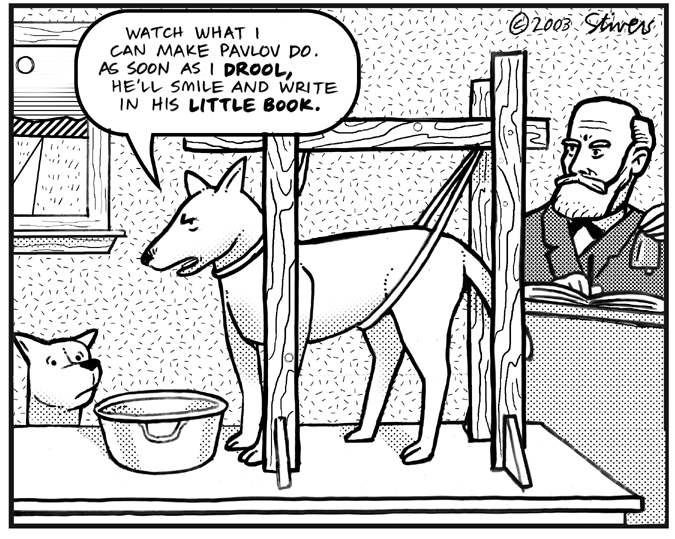
There are a variety of ways in which we make links between cause and effect, from straightforward reflexive Pavlovian classical conditioning, through more complex methods of identifying concept-based causation, to the rigourous statistical analysis of double-blind randomised controlled trials of modern biomedical research (which marks our current best attempt at linking cause to effect, whilst minimising the influence of coincidental factors). However, one of the most common ways in which we find explanations is by relating an observed occurance with an observed outcome – we look for a correlation.

Of course, the trouble with correlations is that you will often be spotting a relationship that doesn’t really exist. Factor A might occur at the same time or increase at the same rate as factor B, but it could be due to factors 1,2 and 3. For example, seasonal sales of ice-cream in the UK can be directly correlated with seasonal umbrella sales in Australia – obviously they are not directly related to each other, but they share the factor of seasonality in their respective hemispheres. So a summer in the Northern Hemisphere sees more ice-cream being bought, whilst in the Southern Hemisphere it is winter and people are buying umbrellas to keep off the rain. This is a simple illustration that is intended to be clear, but unfortunately most of the time we find it very difficult to identify what the factors involved in a correlation actually are – but that doesn’t stop us drawing conclusions from what we see, or think we see.

Identifying cause and effect?

Identifying cause and effect?

So what else do we use as a way of acquiring knowledge Continue reading

Friday mystery object #7 answer

Here’s what I said on Friday, just before 7am:

Just posted the Friday Mystery Object. Not a skull, no options and just one clue (for now): http://wp.me/pvJGH-6M You’ll never get it! #FMO

[PaoloViscardi on Twitter, Friday 4th September]

Of course, I was hoping to be proved wrong, but Gimpy managed to prove me wrong in record time (about an hour). So well done to Gimpy, although I now can’t help but hate you just a little bit for ruining my fun… (is this how the woo merchants feel?). Clearly the clue I left was far too much of a give-away (I should have listened to Melissa).

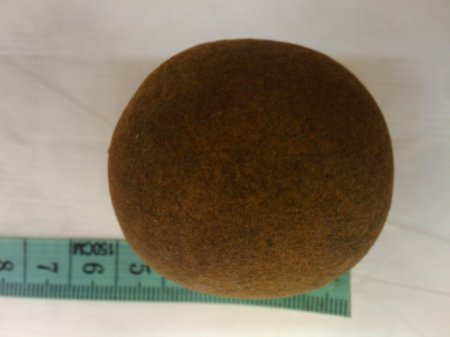
The question was “what is it and what’s it made of?” and it referred to this:

Scale in cm

Scale in cm

If you read the comments you probably worked out that it is indeed a Continue reading

Friday mystery object #7

Since there have been calls for some variety (skulls not good enough for you eh?) and there have even been accusations of the FMO being “too easy” I have decided to unleash a tricky one for you this week.

Scale in cm

Scale in cm

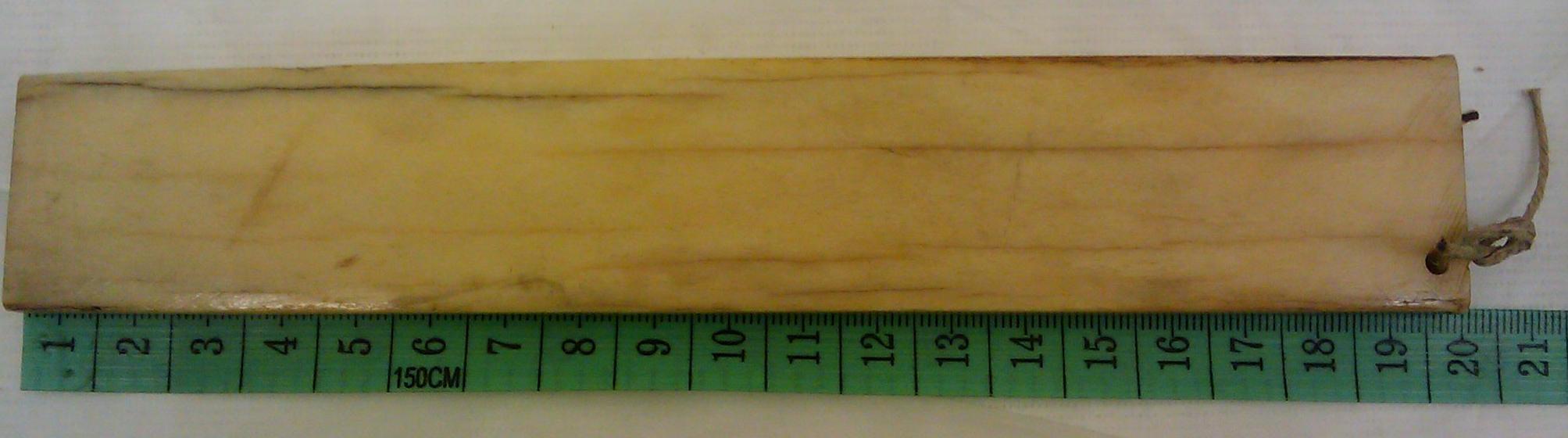
Simple questions, what is it and what’s it made of?

No poll this week, just leave your thoughts in the comments section below. I will give you a clue however – it’s supposed to be magical (even Harry Potter’s used one).

More clues to follow if they’re needed!

Friday mystery object #6

Once more, it’s that time of the week when I challenge you with one of the objects I work with and ask the question – “What is it?”.

I asked if people would like a change of tack with the mystery object this week, but the only feedback was from Fia, who is happy with the skullduggery. So skullduggery it is again!

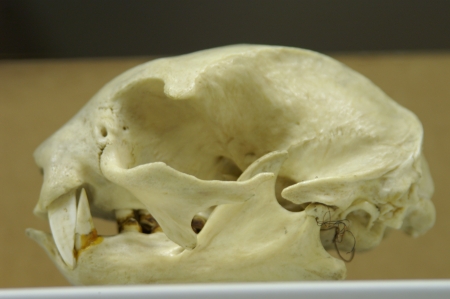
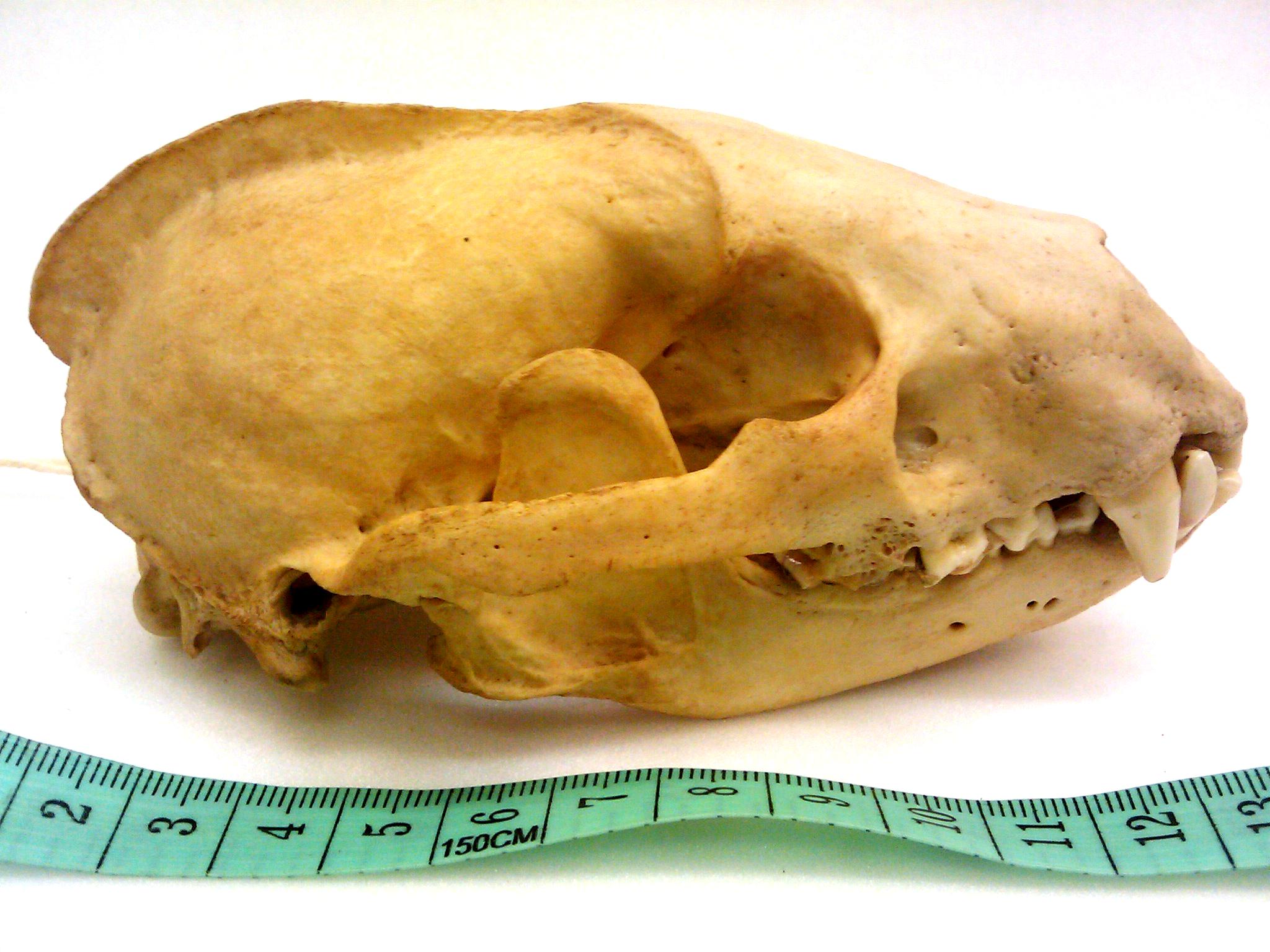
Can you tell me what this skull belonged to? It’s from a bit further afield than previous skulls I’ve shown you:

PICT7275

Skull length ~8.5cm

Continue reading

WTF is homeopathy?

My first exposure to the word ‘Homœopathic’ was at Hampton House, a hall of residence at Bristol University which was an ex-homœopathic hospital (and is now the student medical centre). All I knew was that it was a magnificent building that used to be a hospital of some sort – but I never really thought about what the ‘Homœopathic’ bit meant – I just assumed it was another branch of medicine. Continue reading

Ouch!

Just a quick post to let everyone know that being run over by a motorbike is an unpleasant experience and I strongly recommend avoiding it. However, as always I try to make the best of these things, after all I now have a smiley face imprinted on my leg and comedy tyre-marks on my shirt – so there is an element of win there.

Happy wound inflicted by motorbike

The wry grin of a wound inflicted by motorbike

Continue reading