Friday mystery object #6

Once more, it’s that time of the week when I challenge you with one of the objects I work with and ask the question – “What is it?”.

I asked if people would like a change of tack with the mystery object this week, but the only feedback was from Fia, who is happy with the skullduggery. So skullduggery it is again!

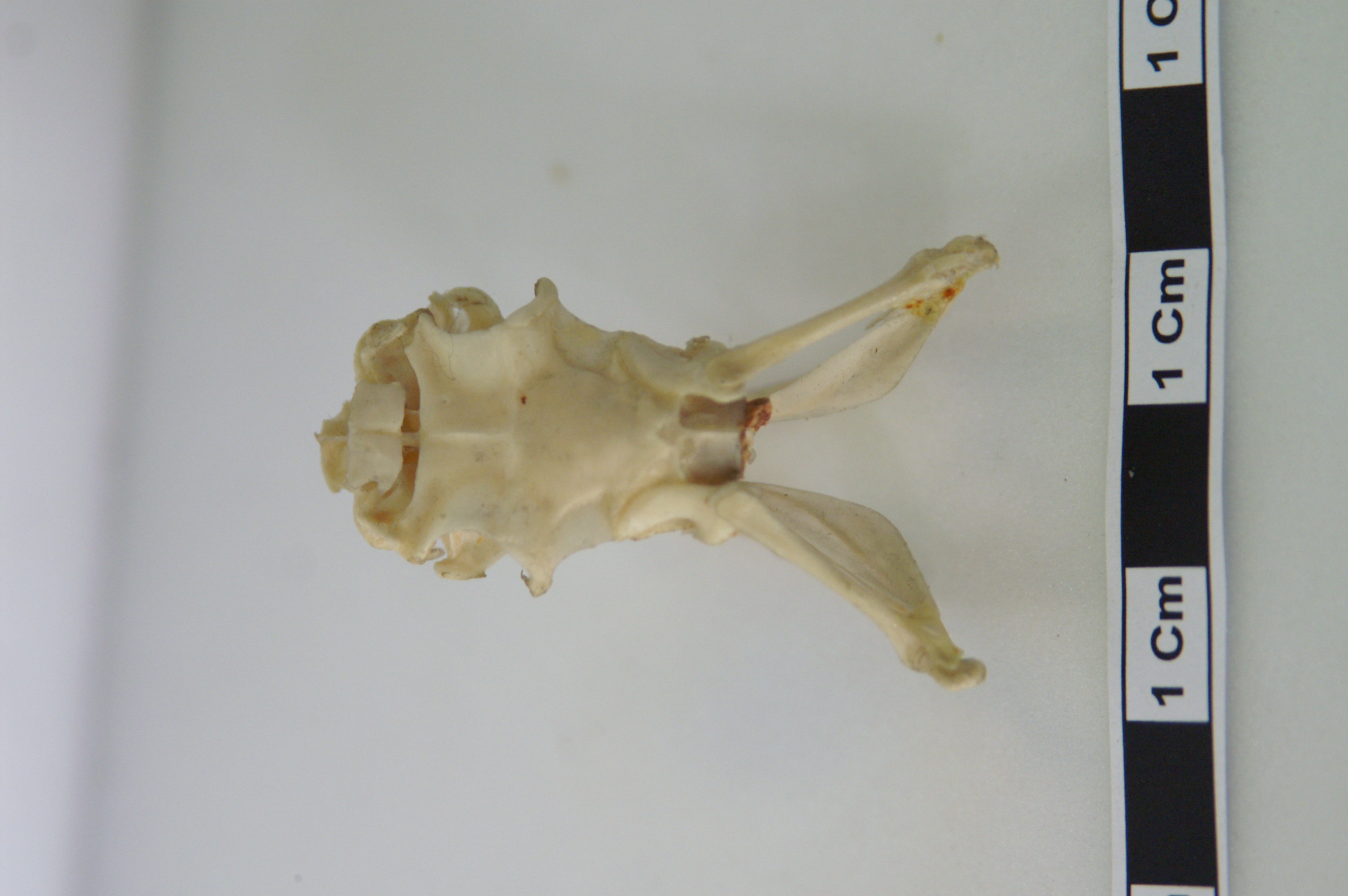
Can you tell me what this skull belonged to? It’s from a bit further afield than previous skulls I’ve shown you:

PICT7275

Skull length ~8.5cm

Continue reading

WTF is homeopathy?

My first exposure to the word ‘Homœopathic’ was at Hampton House, a hall of residence at Bristol University which was an ex-homœopathic hospital (and is now the student medical centre). All I knew was that it was a magnificent building that used to be a hospital of some sort – but I never really thought about what the ‘Homœopathic’ bit meant – I just assumed it was another branch of medicine. Continue reading

Ouch!

Just a quick post to let everyone know that being run over by a motorbike is an unpleasant experience and I strongly recommend avoiding it. However, as always I try to make the best of these things, after all I now have a smiley face imprinted on my leg and comedy tyre-marks on my shirt – so there is an element of win there.

Happy wound inflicted by motorbike

The wry grin of a wound inflicted by motorbike

Continue reading

Failings of ‘parental intuition’

I am concerned by all the irresponsible, selfish and stupid parents of the world. The ones that upon reading this would be moved to comment along the lines of “you’re not a parent, so you don’t know anything” – because that is how arrogant and self-righteous the sort of parents I am thinking of are.

parenting

Being a parent does not make you immune from criticism, it does not make you an expert in rearing children and it does not make you medically qualified, intelligent or well informed. It may, however,  make some people more selfish, overly-defensive and irrational. Not only do some parents think that society owes them for having children (I for one didn’t ask them to have unprotected sex), but they also seem to think that their ‘little darlings’ are beyond reproach and any trouble that they get into is somebody else’s fault. Continue reading

Friday mystery object #3

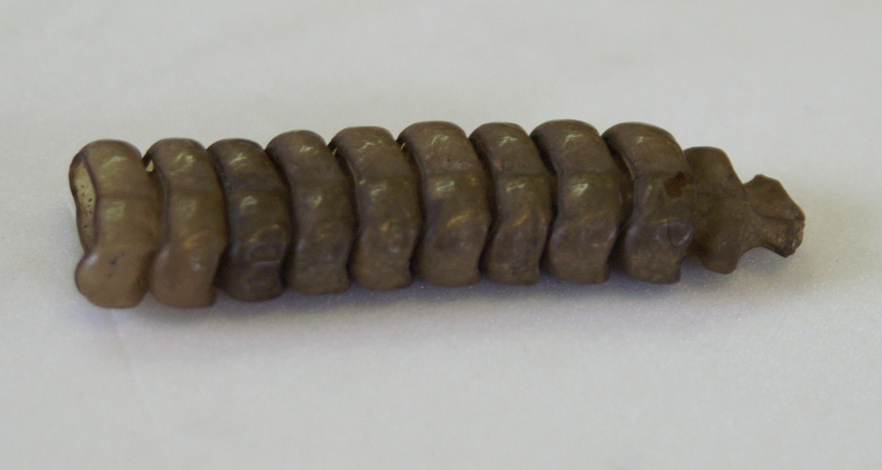
More poorly labelled stuff I’ve found at work this week – do you know what this is and where it came from?

Dorsal view

Dorsal view (total width ~5cm)

Ventral view (width ~5cm)

Ventral view (total width ~5cm)

I’ve decided to trial multiple choice answers for this one, so please vote on what you think it is! [N.B. don’t forget to hit the “vote” button after making your selection!] Continue reading

Friday mystery object #2

Delving deeper into the world of natural history this week, with the second of my Friday Mystery Objects!

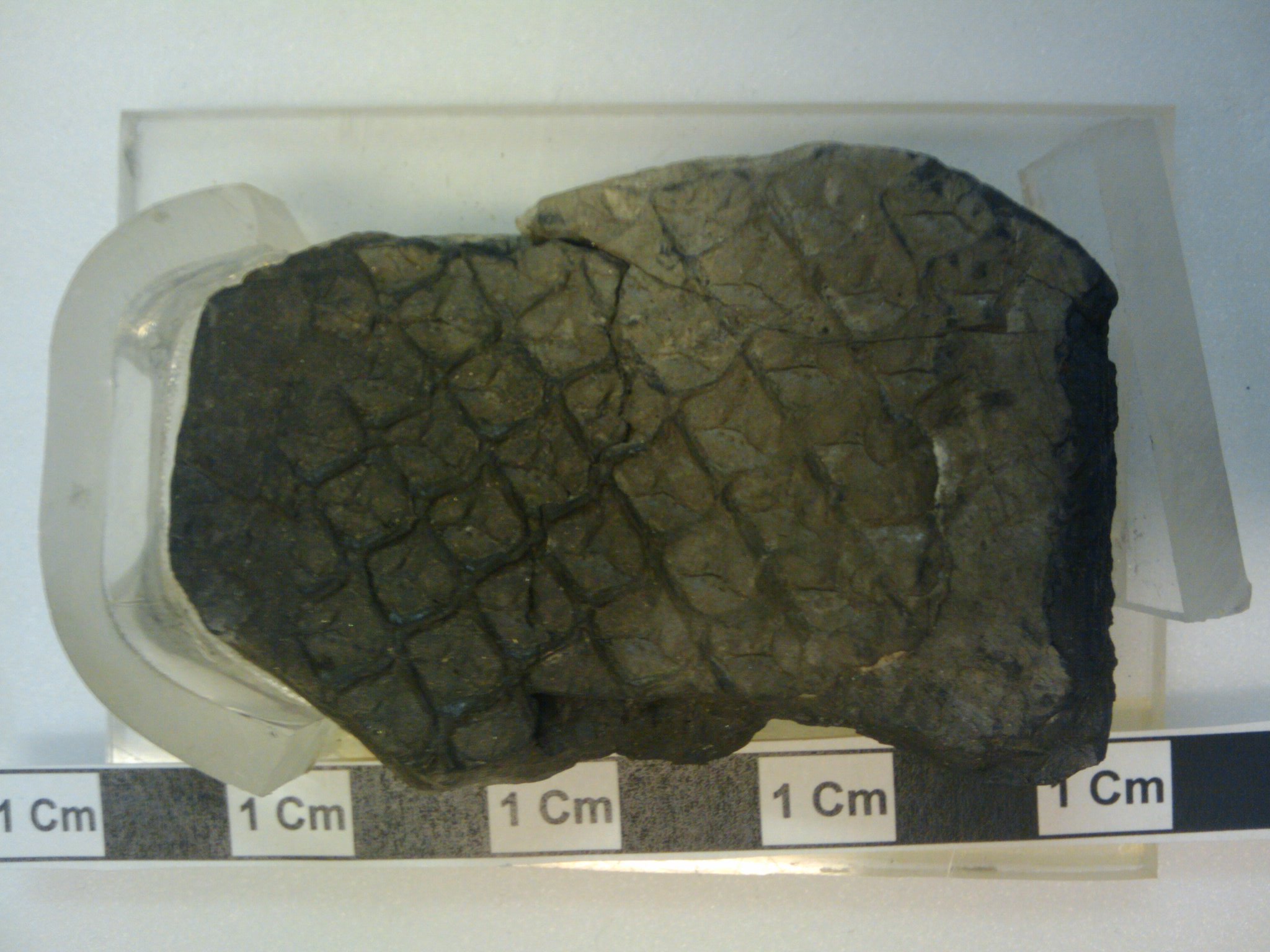
This should be much easier than last week’s object since you only need to work out what it is and I have provided two views (scale is in cm BTW). If it proves too simple I will up the difficulty next week!

mystery object #2a

mystery object #2b

As before, put you thoughts in the comments section below. Answer will follow on Monday in a seperate post and I may drop in some extra clues if they’re needed.

Beware the spinal trap

For anyone who has not been in the sceptical blogosphere much, there has been a rising tide of support for science writer Simon Singh, who is currently being sued for libel by the British Chiropractic Association (BCA). Their grounds for this action was an article published in the Guardian newspaper that highlighted the lack of evidence supporting some of the claims made by chiropractors. Rather than take the opportunity of a 500 word rebuttal of the article as offered by the Guardian, the BCA chose instead to personally sue Simon Singh.

The British legal system has an unusual take on libel laws that strongly favours the claimant by flipping the onus of proof onto the defendant (no innocence until proven guilty here) and by being prohibitively expensive (usually for the defendant). In the case of Simon Singh the judge in the case has fastened on the word “bogus” as having a very specific legal meaning entailing deliberate deception rather than simply being “not genuine” or “spurious” (for the ruling see the excellent Jack of Kent). This means that Simon has a long and expensive time ahead, first appealing this initial ruling and then (assuming his appeal will fail as most do) he will need to compile evidence to support an assertion that he never intended to make.

Many in the scientific and sceptical community are rallying around Simon to offer support where possible. We see the BCA’s action as being inappropriate because science is founded on rebuttal of claims by the provision of evidence, not on who has the best legal support. Science cannot progress without disagreement and libel laws are unnecessary when evidence should be used to rebut. The BCA’s actions undermine the scientific process and they significantly weaken the claims of chiropractic – after all, if they had evidence for efficacy, why would they go through the hassle of suing? The poor support for some of the claims made by chiropractors has been subsequently dragged into the light of the British Medical Journal by a variety of scientists (see DC’s improbable science), and a “quacklash” by members of the sceptical community (in particular by the efforts of Zeno and Andy at the Quackometer [and of course Simon Perry!]) has innundated the BCA with complaints against chiropractors who advertise  poorly supported ‘treatments’ for non-spinal conditions.

Below is an edited version of the original article by Simon Singh, which I am reproducing in support of Simon and the Sense About Science campaign to keep libel laws out of scientific debate.

“Some practitioners claim it is a cure-all, but the research suggests chiropractic therapy has mixed results – and can even be lethal, says Simon Singh. Continue reading

Thoughts on humanism

I thought I’d write a piece on humanism because it seems to have a lot of confusion surrounding it. Some view it as a religion or cult, others see it as an organised anti-religious sect of militant atheists. The confusion arises because the term “humanist” can be used to describe a variety of philosophical approaches both contemporary and historical.

I am a Secular Humanist, which effectively means that I am an atheist with beliefs about the ability of people to improve their lives and the lives of others (including other species) by behaving in a rational and socially responsible way. Humanists subscribe to the ‘Golden Rule‘ (don’t do things to others that you wouldn’t like to have done to yourself) as a simple moral guideline and rather than relying on the supernatural as the source of moral principles, humanists rely on rational consideration and those human values that have arisen as part of the evolution of human social behaviour. In short, humanism is explicitly being good without god. Continue reading

Friday mystery object #1

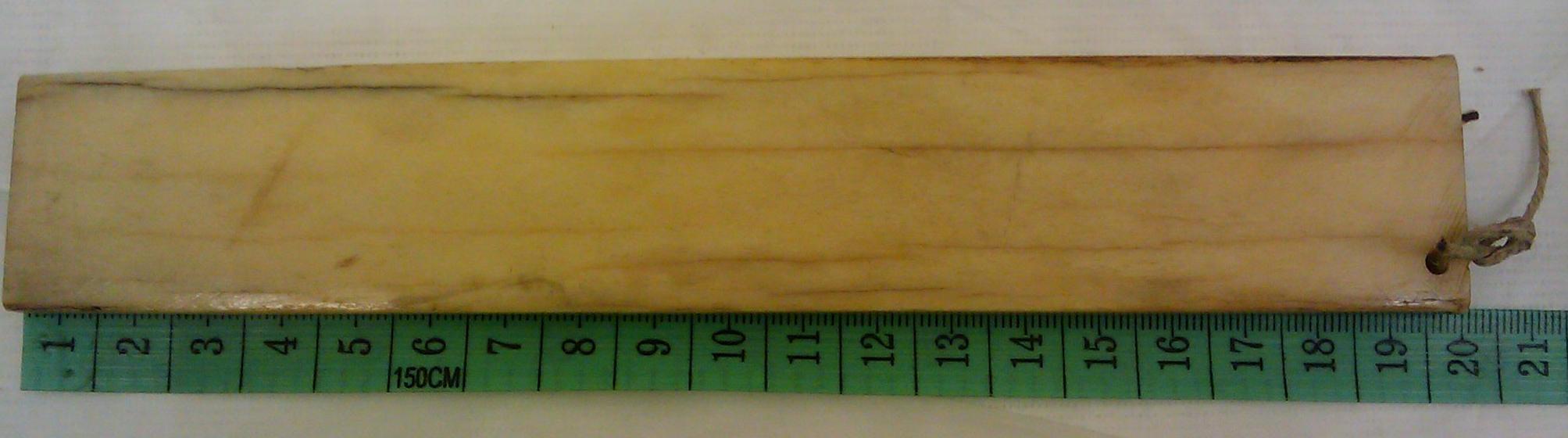
I’ve decided to share my world with others – at work I get to see some amazing stuff and often I have to work out what it is, because the label has gone missing. So here is the first of my Friday Mystery Objects!

mystery1

So, what is it and why does it look like that?

Put you thoughts in the comments section below. Answer will follow on Monday in a seperate post.

Good luck!

Mail online – ‘Homeopathy works!’ Part II

Right (rolls up sleeves), I said I would try to track down the reference that the Mail Online used in their comment adverse and misleading article by Jenny Hope, so that I could comment further. It has been tracked down – not by me I am ashamed to admit, but by EoR who commented on a blog about the same article at Thinking is Real.

Here it is in all its glory in the BMJ ( 19 August 2000) pp. 321:471-476 . Notice the date? It’s nine years old, which explains why I couldn’t find it – after all, it was supposed to be news, so I foolishly expected it to be new. Silly me. Continue reading

Our humanist wedding

In 2008 Melissa and I were living in London and planning to get married. We are both atheist and neither of us wanted a religious ceremony, but we did want to share the experience with our family and friends. We wanted to get married in Ireland (where Melissa is from), but the residency requirements for the marriage license made it impossible for us to do the legal bit there. In the end we decided to get a quick legal marriage in Lewisham registry office, witnessed by just our parents, followed by a celebratory wedding ceremony in Ireland some months later.

Freed from making the legal oaths part of our ceremony and not wanting to use a priest, Continue reading

Mary

Pick a number to tell your story, a single measure to summarise your life’s worth. What’s it to be? Height? Weight? How about your salary? For some, that would do it nicely. Most would feel cheapened. How about your personal tally of wives or husbands? Or maybe longevity captures it? Up to a point, perhaps, until someone asks what you did with all those years.

The Tiger That Isn’t (page 88). Blastland & Dilnot, 2008.

If one number could possibly summarise Mary’s life’s worth it would probably be the number of people who attended her funeral. Continue reading