Friday mystery object #29

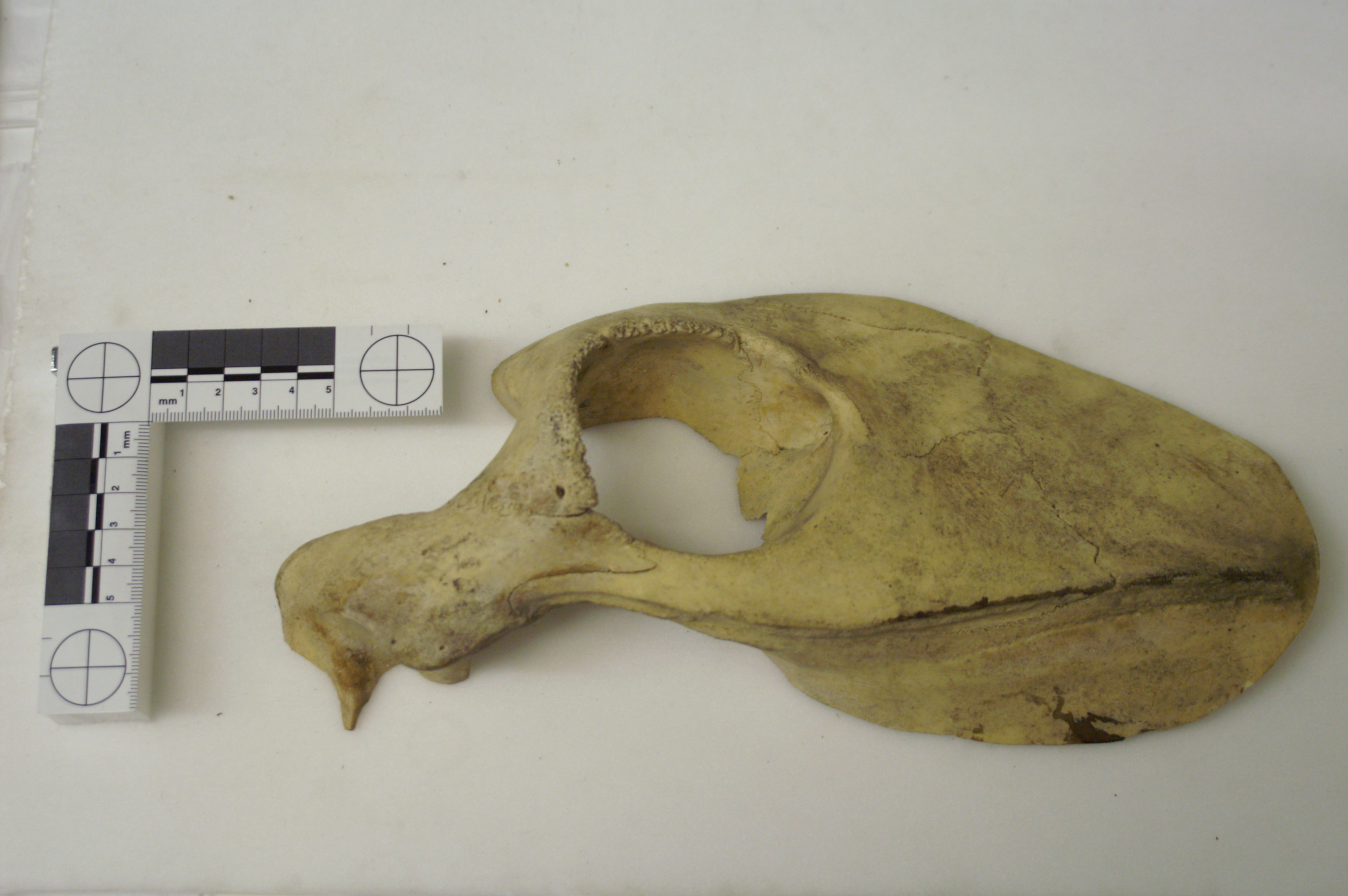
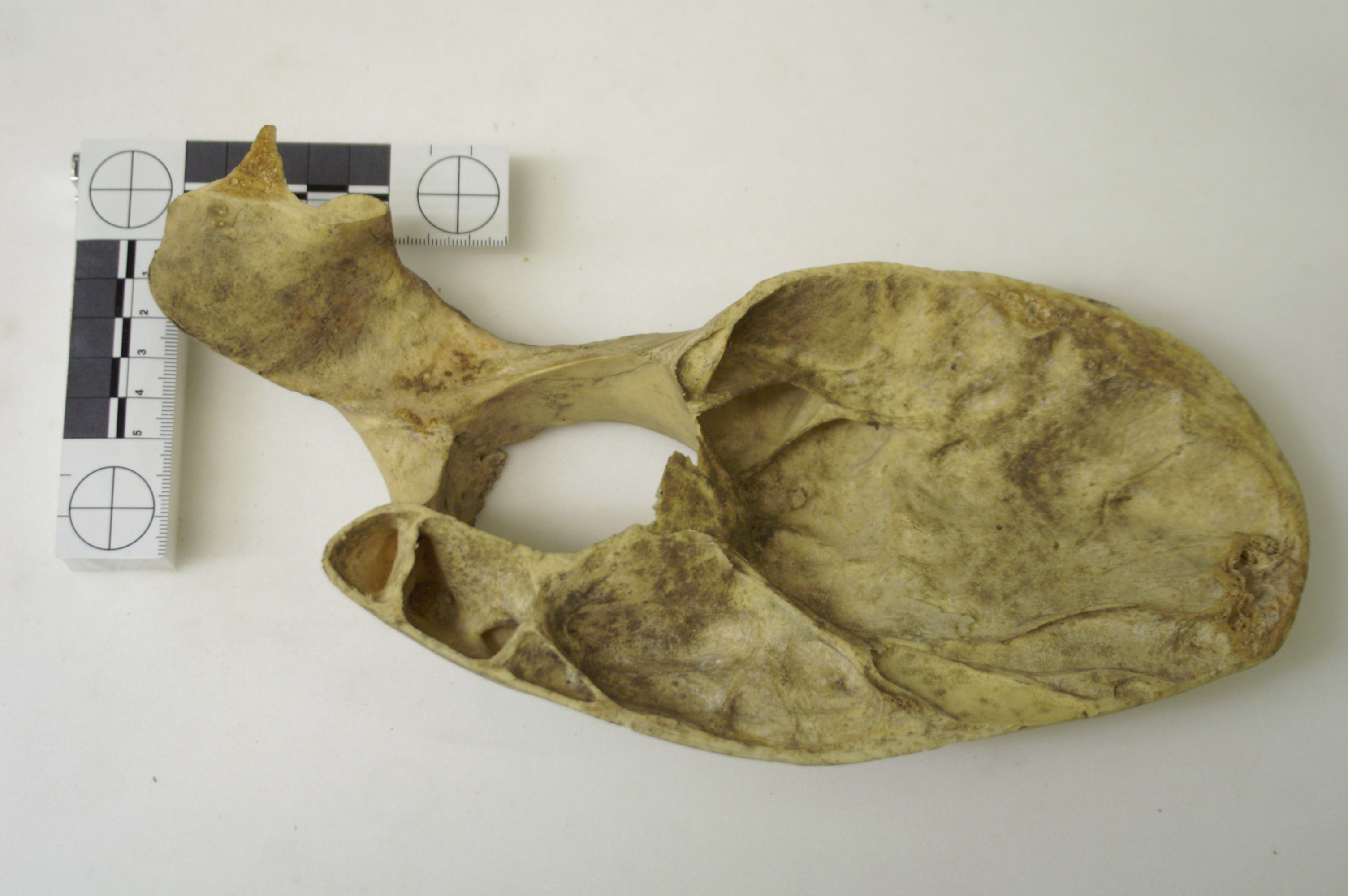
Friday again and I am ready to show you some of the stuff I have found buried deep in the stores building of the Horniman Museum as I work to identify, organise and document our osteological (that’s bone) collections. Any idea what this odd looking thing is?:

As usual answers below in the comments section and feel free to ask questions – I will do my best to respond!

London ten23

It looks like we all managed to survive the 10:23 mass overdose – no great surprise. I don’t think that anyone – sceptic or homeopath – was expecting any other outcome. The publicity stunt (it was never intended to be an experiment) seems to have had the desired effect, in that the media have reported it – from a brief blurt by the Mirror to a substantial piece by the Observer and everything in-between, my favourite being the reports by the Mail and Guardian, but only because they have a photo of my wonderful wife taking her ‘medicine’.

The protest has been successful in that it has sparked discussion. Indeed on Twitter the legendary flaming spam troll Nancy Malik has worked herself into a veritable frenzy of activity. I expect she’ll be busy spamming every blog and news website for months to come with the amount of coverage 10:23 has generated.

The to-and-fro between sceptics and homeopaths over the last couple of days has been of real interest, because it has clearly demonstrated why we should have concerns about the quality of evidence and arguments being put forward for homeopathy. The simple fact is that there is a gap in the logic or critical thought process associated with the homeopathic method. Rather than approaching the discipline with the opinion that it could be improved or that some elements of it might work better than others, homeopaths seem to seek to justify the entirety of the system wholesale without recourse to the scientific method. This is consistent with a faith-based system supported by dogmatic doctrine, not an evidence-based system. It relies on belief rather than knowledge.

Homeopathy has not changed appreciably in 200 years, since it was founded by Samuel Hahnemann. This means that Hahnemann either managed to hit upon a perfect system that required no improvement, or that the system has been very recalcitrant to change (and therefore development). Given that the evidence in support of homeopathy to date has been equivocal at best, I don’t think that perfection is the likely option. If it was as effective as claimed by the likes of Nancy Malik there could be little doubt as to its efficacy.

I will leave the critique of homeopathy there for now, or this post will take another few weeks to complete – however it will be continued. For now I’d just like to state that it was a genuine honour to join Simon Singh, Evan Harris, Dave Gorman and the assorted sceptics who braved that icy Saturday morning in Red Lion square to make a point. I want to pass on my thanks to the London 10:23 team headed up by Carmen – it was a thoroughly enjoyable event and hopefully it won’t be the last – let’s see how the NHS report on homeopathy pans out.

Here are some photos from the event (higher rez versions are available if anyone wants them) – more can be seen here:

Friday mystery object #28 answer

On Friday I presented you with this mystery object:

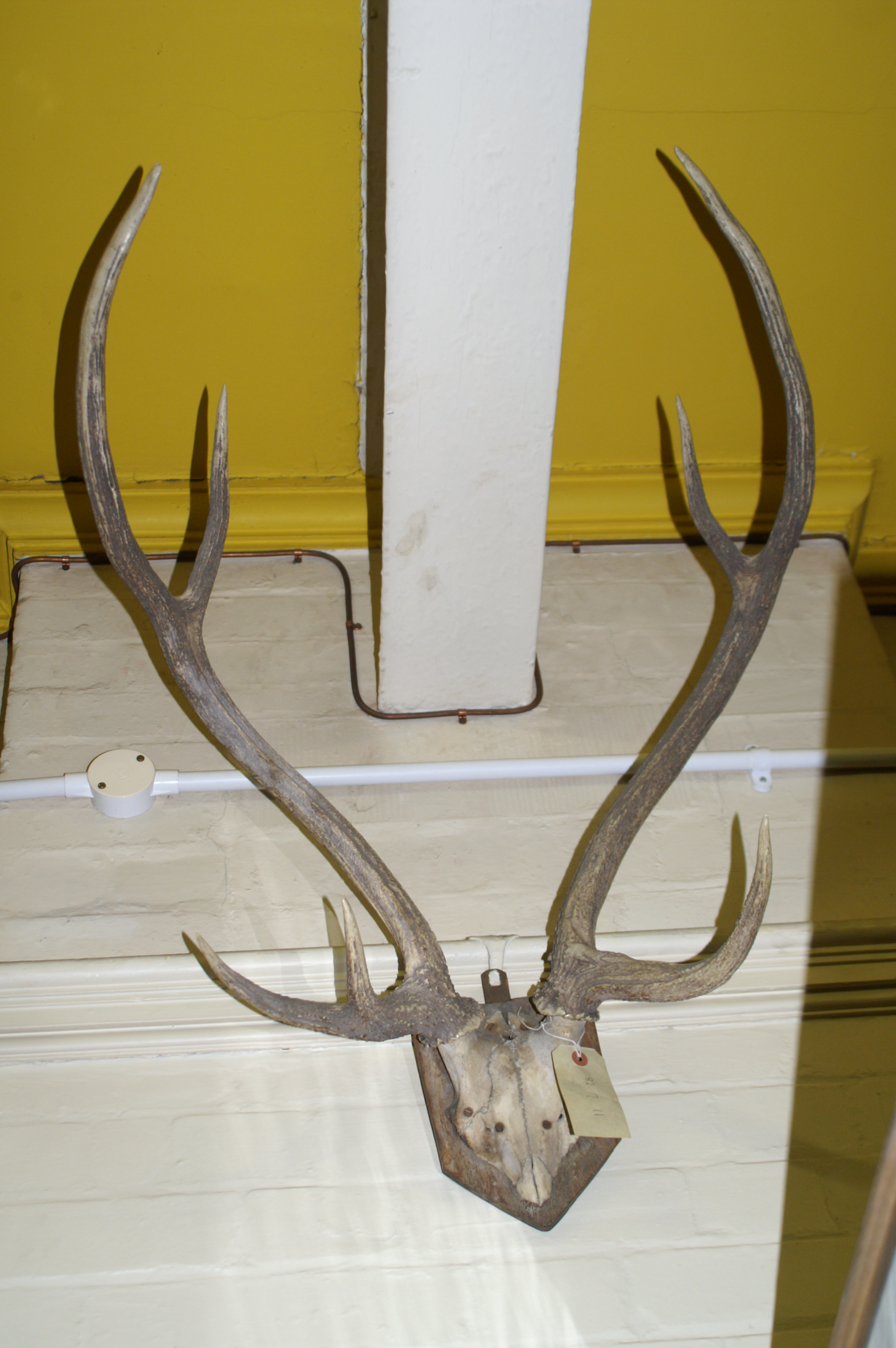
This specimen is one of 14 of the same species that we have in the Study Collections Centre at the Horniman Museum. Myself and a collegue (Steve, king of knots) recently remounted all of our trophy plates on steel mesh, using steel S-hooks, plastazote foam and archival tape restraints and supports. The outcome has been very satifactory:

Unfortunately, most of these specimens have been donated from private collections where the information has not been retained with the specimen, so I have had to identify pretty much all of these trophies. The one I showed you on Friday is most likely to be a Continue reading

Friday mystery object #28

It’s Friday again, so that means it’s time for a mystery object! Any idea what this is?

I’ve recently been through the process of identifying, organising and remounting the antlers and game heads in the Horniman’s stores building (it looks really good now!). It turns out that most of the deer antlers we have belong to one species – the one pictured above in fact. Can you identify it and do you notice anything unusual about the one in the picture?

Put your answers and any questions in the comments section below. Good luck!

One lump or two?

One lump or two? 'High potency' homeopathic pillules are nothing but sugar

The 10:23 campaign seems to be stirring up a wasps nest amongst homeopaths – fortunately these wasps have a venom so dilute that they are incapable of doing much more than make an angry buzz. I would feel sorry for them if they weren’t so adamant that their flimsy belief system is capable of treating serious illnesses like type I diabetes, gangrene, appendicitis, AIDS, malaria, etc. (you don’t believe that they make such claims? check out Nancy Malik’s twitter account: http://twitter.com/DrNancyMalik).

Of course, some homeopaths have taken up the #ten23 hashtag and are fighting a spirited (and sometimes spiritual) battle against the arrayed forces of science, scepticism and general doubt (as is their right). Needless to say their response does tend to rely heavily on bombast, unfounded statements from anecdote and links to videodotes or webpages promoting homeopathy, although seldom to anything resembling rigorous, peer-reviewed scientific studies (the odd basket of carefully picked cherries does turn up). But of course, science is clearly lagging behind – in the words of one homeopath twitterer (@HomHeals):

Homeopathy – Waiting for Science to Catch Up!

This made me chuckle, because it put me in mind of other unfounded beliefs that science has caught up with and subsequently shredded with Ockham’s Razor – like Jack the Ripper in a lab coat.
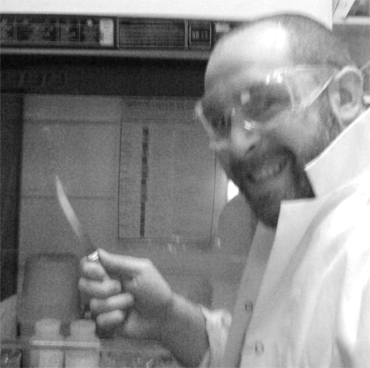
Approximation of my mental image of science armed with Ockham's Razor, hunting down woo. DISCLAIMER This is in no way meant to represent a threat of physical violence - I abhor such things.

Scary science is gonna get you! DISCLAIMER This is in no way meant to represent a threat of physical violence

But of course, it’s not like that. There is no dichotomy between science and homeopathy. Science is a process whereby evidence is assessed in a systematic, repeatable way and ideas are accepted or rejected on the basis of the outcome, whilst homeopathy is a set of beliefs based on a defining principles established by Samuel Hahnemann 200 year ago. These principles as a set have simply failed to stand up to scientific testing, so homeopathy finds no support from science. This means that for homeopaths to continue doing their thing, they need to reject the principles of the scientific method (i.e. reliance on evidence), rather than change their ideas about homeopathy. In response to the rhetorical question posed by John Maynard Keynes:

When the facts change, I change my mind. What do you do, sir?

A homeopath would probably respond by saying:

“I ignore the facts – they’re not my facts anyway, they’re facts made up by people who are colluding to besmirch the name of homeopathy and I have anecdotal evidence that is far more convincing than your double-blind, randomised, placebo controlled trial anyway. And your facts are just made up by big pharma, which doesn’t work and it kills people. You’re just a bunch of allopaths who don’t recognise the true faith of homeopathy. So there.”

What is particularly vexing about debate with homeopaths is their inevitable retreat into logical fallacies and long outdated arguments. They make statements about homeopathy being better than allopathy, when allopathy was a phrase coined by Hahnemann 200 years ago for the Hippocratic, Galenic etc. schools of medicine, long since made defunct by Germ Theory in the 1880s and the rise of modern evidence-based medicine, which has been around for less than 40 years.

In effect, modern medicine has successfully overhauled the established medical opinion of Hahnemann’s time by virtue of being more effective. If homeopathy was as effective as homeopaths make out, it’s surprising that it isn’t the method that has been adopted as the best form of treatment available – after all it has been around longer and it’s cheaper to produce because it doesn’t require all that pesky testing. Moreover, it sells in huge amounts – but popularity is not a robust indicator of efficacy by any means, as I’m sure any homeopath could tell you… if they weren’t so obsessed with popularity.

Before this post turns into a huge rant or a serial refutation of the nonsensical arguments used by homeopaths, I will try to make my point. 10:23 is about what is in a ‘high potency’ homeopathic preparation (of 30C or more). These products are marked as having active ingredients, but the dilution of whatever ingredients might have been in the solution at the outset is so great as to go far beyond the Avogadro constant – in short there is less than a single molecule weight of the ingredient in the solution. This solution is then dropped on sugar and allowed to evaporate. So should it be marked as being an active ingredient? It’s rather like a bag of sugar listing Tyrannosaurus rex as one of its ingredients, because there is a possibility that one molecule of water that dried on one grain of sugar was once in contact with a T. rex (see here for a clear summary of the homeopathic process).

Despite the lack of any robust support for efficacy of super-high concentration homeopathic products, the UK’s leading high street pharmacist, Boots, sells these products with the full knowledge that they are not shown to work:

I have no evidence before me to suggest that they are efficacious, and we look very much for the evidence to support that…

(Paul Bennett, Professional Standards Director of Boots speaking at the Science & Technology Committee Homeopathy inquiry 25th Nov 2009 – full transcript here)

This seems wrong. It seems as though a trusted company is betraying people’s trust – falling back on caveat emptor (let the buyer beware) rather than maintaining the standards of what they sell. Imagine if Boots started selling travel sickness pills that contained no active ingredient, just sugar. This would be a placebo and it would be unethical (and probably illegal) for Boots to sell the product. Which may explain why Boots don’t indicate what the homeopathic pillules they sell are for. In effect, they do sell travel sickness pills that contain no active ingredient, just sugar (it’s called Aconite 30C) but they get around the ethical and legal problems using the disclaimer:

Boots Aconite 30c is a homeopathic medicinal product without approved therapeautic indications.

Contains ingredients:

Active Ingredients: 30c Aconitum napellus

Also contains: Sucrose & lactose

(taken from Boots website)

It would be interesting to see if the listed ingredients would actually stand up in a court of law, given the lack of any molecules of Aconitum napellus in the product – it’s rather like an apple pie with no apple.

The 10:23 campaign is intended to make this point in the public eye, to raise awareness of what super high dilution homeopathic pillules actually consist of – nothing but sugar. That’s why I will be taking part in the London leg of the homeopathic overdose at 10:23 this Saturday. Perhaps it will make the point publicly enough to persuade Boots that they shouldn’t be misleading the public by stocking homepathic remedies that are not shown to work and are listed as having active ingredients, yet they contain nothing but sugar.

“One lump or two?” Not for me thanks – I’m cutting down on woo.

Friday mystery object #27 answer

On Friday I gave you this scrawny looking bird to identify:

The beak (and feet) gave away that it is a parrot (or psittaciform as the parrots are known to ornithologists and the taxonomically minded), which was immediately recognised by SmallCasserole shortly followed by Debi Linton. SmallCasserole suggested “parakeet” which I suppose could be accepted as a correct identification since they are called “parakeets” by Americans, but it took Jim to identify it more specifically – it is of course a Continue reading

Spin the bottle…

Shocking news about Scotland’s drinking on the BBC today, in their words:

Scots ‘drink 46 bottles of vodka’

Of course there are caveats on that statement – Scots don’t actually drink 46 bottles of vodka, they drink the equivalent of that amount of alcohol. Not all Scots do the drinking either – after all there are five-year-olds who might have difficulty putting away that much booze, no the people who are being considered responsible for drinking all that alcohol are all over 18.

I must admit that this seems like an oversight by the NHS Scotland, since they are clearly aware that underage drinking (from the age of 13) not only happens, but is a common and regular occurrence, one that has been the focus of campaigns by NHS Scotland in the past.

Back to the vodka. I’m surprised that the BBC didn’t use tequila or sambuca as the equivalent amount of alcohol – after all, we can all recoil in horror at the thought of drinking that much of the patently nasty stuff. But to be fair the BBC do give other equivalents:

537 pints or 130 bottles of wine per person

But hang on – 130 bottles of wine per person equates to 1 large glass a day. Suddenly it doesn’t sound quite so bad. However, the situation with regard to drinking in Scotland is bad, costing around 2.25 billion per year.

And we know why. People don’t drink one large glass of wine a day any more that they drink 46 bottles of vodka in a year. People drink vast quantities on a Friday and Saturday night because it has become synonymous with having a good time. But at least there are indications that the culture of binge drinking might be starting to change, which can’t be a bad thing. Let’s see how economic recession will influence the situation – it may be a case that people can’t afford to binge as often or as hard, or maybe people will just turn to cheaper alternatives for their booze kick – Tennents Super anyone?

Fighting juice

[Edit: perhaps Buckfast should more rightly claim the title of “fighting juice”]

Friday mystery object #26

This Friday I have decided to give you a mystery object that I have to deal with on a regular basis. Something that I get more enquiries about than anything else. Do you know what this is?

Your only clues are that they come in a range of sizes and they are often found on the South Coast of England by walkers.

As usual, answers below – I will do my best to respond to questions, but I have a submission deadline looming for corrections on a paper, so I may be a bit tied up. Good luck!

Friday mystery object #25 answer

It seems that the change of tack on the mystery object was a welcome variation – record views and far more comments than usual as everybody strove to find the answer. Given that favourable response I will try to include a more diverse theme for the choice of Friday mystery objects in future!

Here is the object in question:

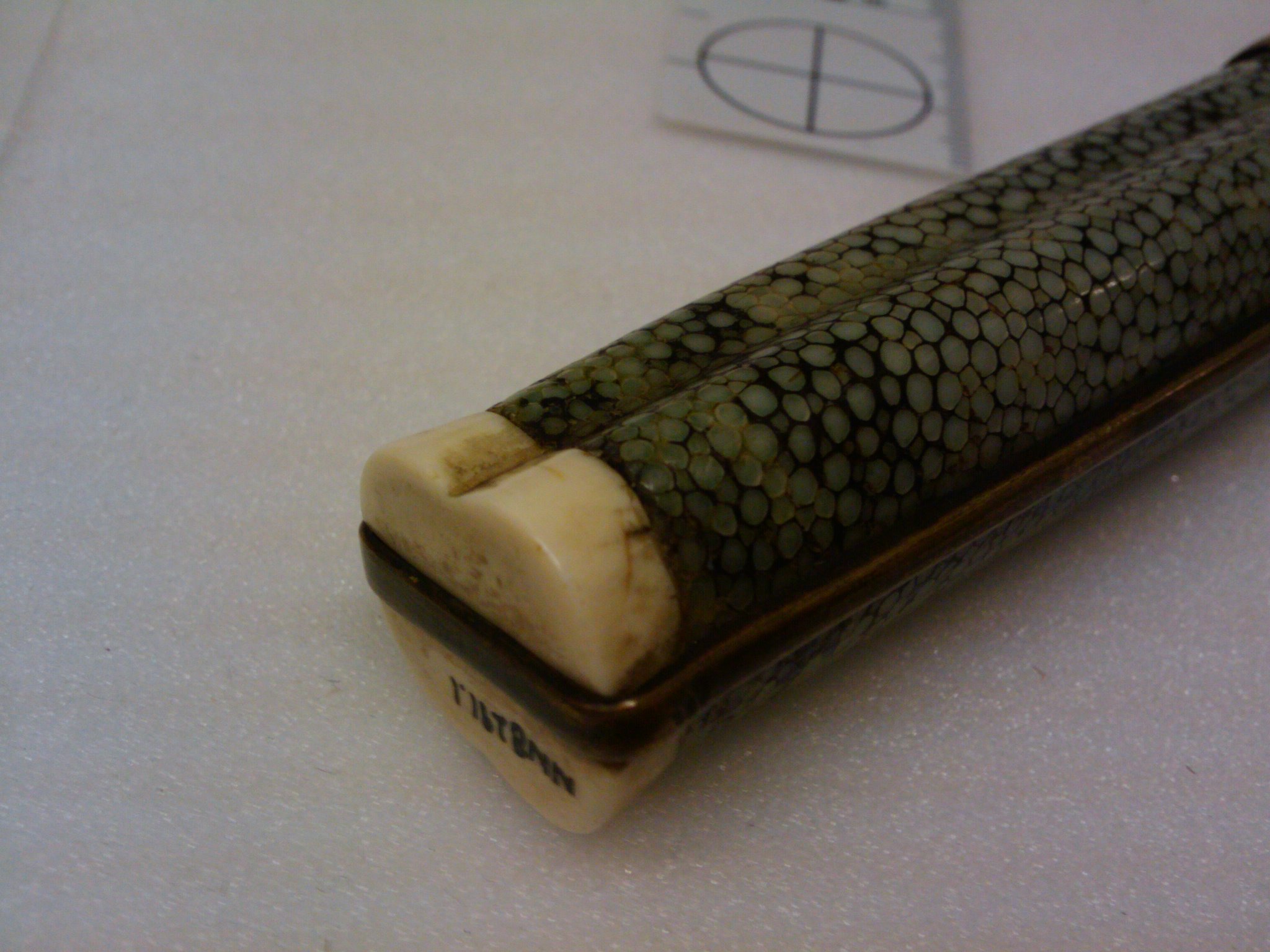
You were also given a couple of detail images and asked to work out a) what is it, b) what animal bits it’s made from and c) where it’s from. I thought this would be fairly easy, which is why I didn’t include the photo below, which would probably have given the game away immediately:

Clearly this is a Continue reading

Friday mystery object #25

I think it may be time for a change of tack on the mystery object. In the museum I am often called upon to identify bits of animal used in anthropological artefacts and musical instruments, so here is something that I was presented with by my colleagues Drew and Helen who work in our store building:

Can you work out a) what is it, b) what animal bits it’s made from and c) where it’s from?

Put your answers in the comments section below and feel free to ask me questions about the object – I’ll do my best to respond.

Best of luck!

Friday mystery object #24

Hello blogosphere! It’s Friday again – the first of the New Year, so I’d like to wish everyone a happy and productive 2010!

Having been on the road for the last couple of weeks I have been struggling to find a suitable mystery object, but here’s one I prepared earlier:

Simple question – what is it? Answers in the comments section below – I will try to feedback on questions as opportunity permits. Good luck and happy New Year!

Friday mystery object #23 answer

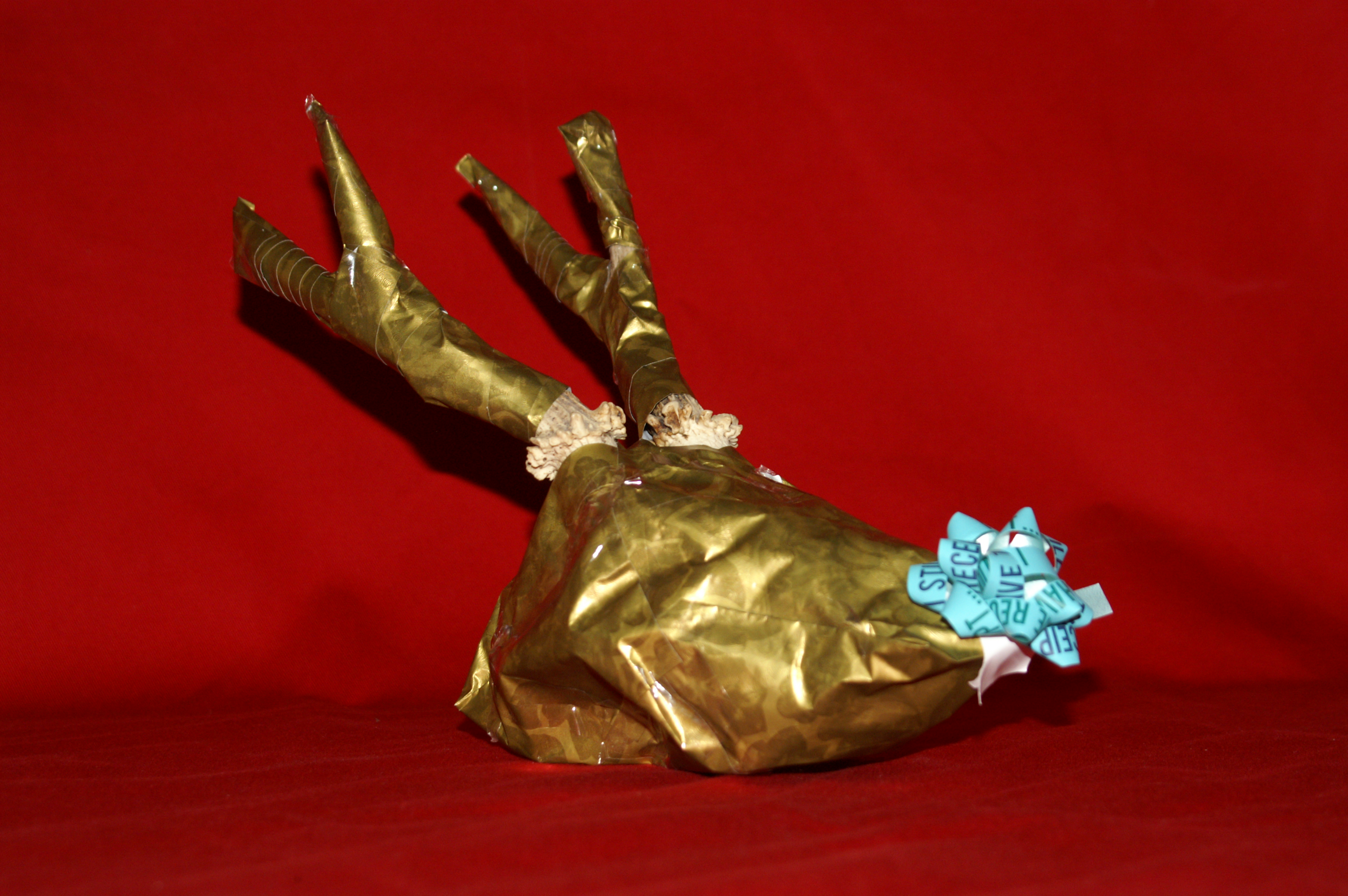
I hope you all had an enjoyable Christmas, apologies for the late posting of the answer to Christmas Friday’s mystery object, but better late than never. I must admit that this was a bit of a cheat, because I have posted one of these before, but this time it had antlers and it was gift wrapped:

Without antlers it proved tricky before, but this time only a few of you got to see it at all (I assume due to Christmas). Jim is the only one to have identified it this time, although KateKatV took this opportunity to remind me about a bit of silly season science from a few years ago – something that might merit a blogpost all to itself…

With no further ado, here is the unwrapped object:

This is a Continue reading

Friday mystery object #23

It’s Friday again, but this Friday is a bit different to most since it’s Christmas Day, so a hearty Merry Christmas to you all!

Just because it’s Christmas I see no reason to miss a mystery object, although this one is a bit more festive than usual:

Can you tell what’s under the wrapping paper?

As usual, pop your answers and any questions below in the comments section and I will endeavour to provide clues if they’re needed.

Merry Christmas!

Friday mystery object #22

It’s a snowy Friday here in London, the Horniman is looking otherworldly – in fact, here’s what it looks like from my office window:

The view from my office

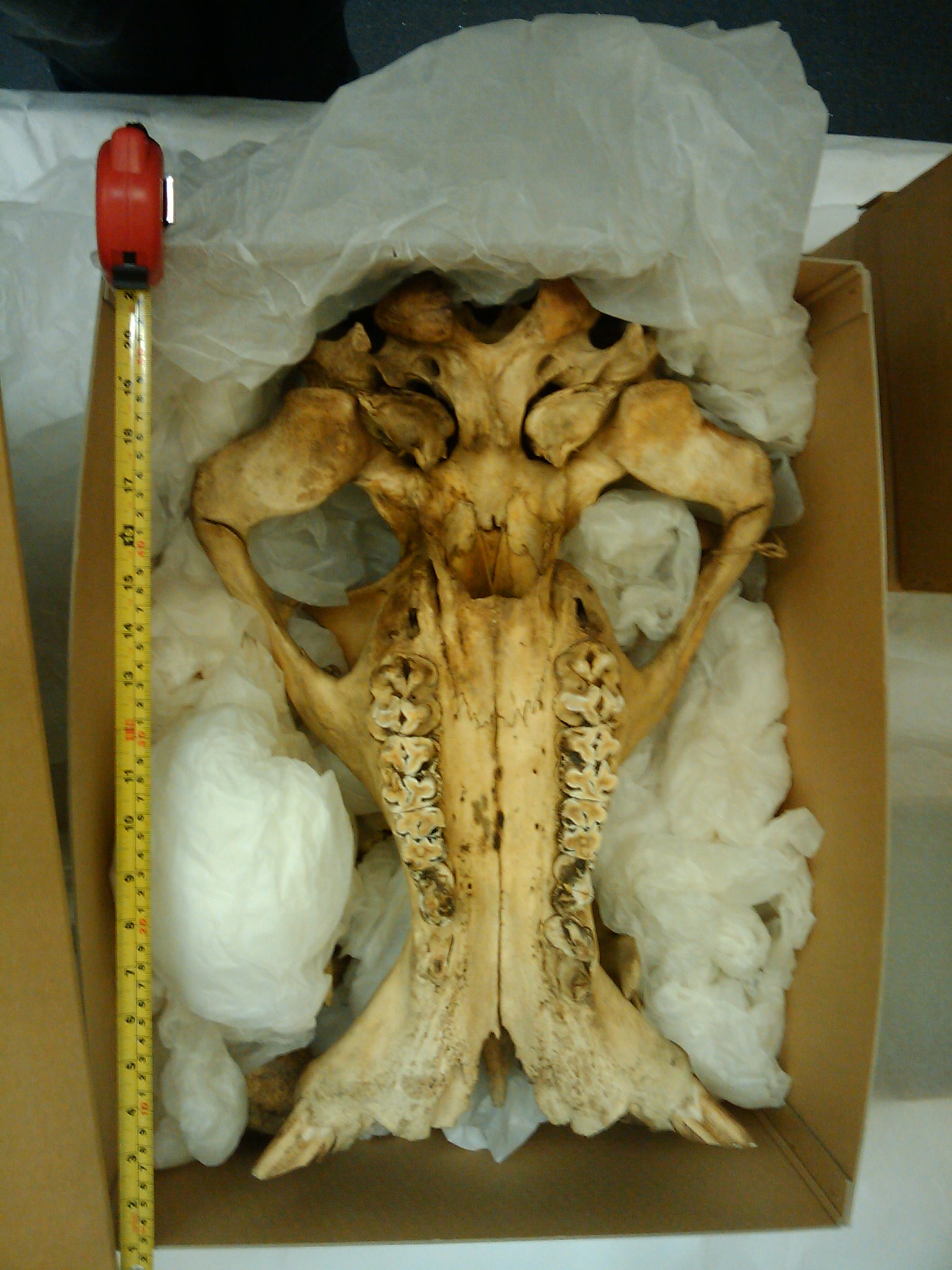
But this brings us no closer to a mystery object. I was thinking of giving you an animal track in the snow, but that would be very limiting, since I only have photos of cat, fox and squirrel – all of which are a bit too easy. Instead I present you with something utterly unfestive, but more of a challenge:

Skull length approx. 30cm (12")

Skull length approx. 30cm (12")

I had to identify this a couple of weeks ago, so it is genuinely a mystery object, although I’m pretty sure I’ve worked out what it is – now it’s your turn!

Answers below in the comments section – I will offer feedback and answer questions where possible. Good luck!

Friday mystery object #21

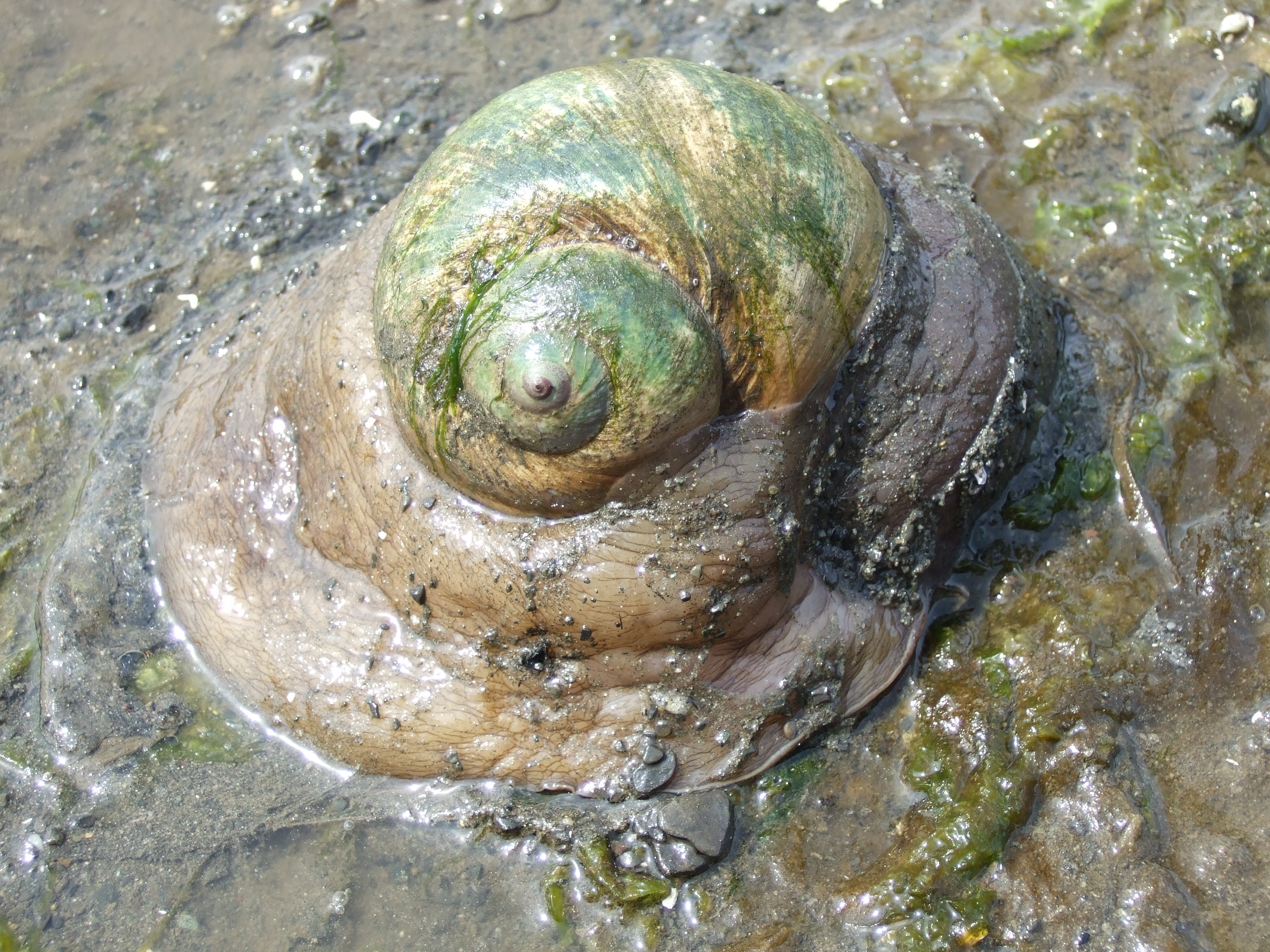
This Friday I’ve decided to give you something alive and without any bones, for a change:

So two three questions this week, what is this massive mollusc, what does it eat and do you think it can fit all that body into its shell?

Feel free to ask questions in the comments section below – and for those of you with a good knowledge of marine invertebrates I may have to white-out your answers if you get them correct too quickly.

Best of luck!