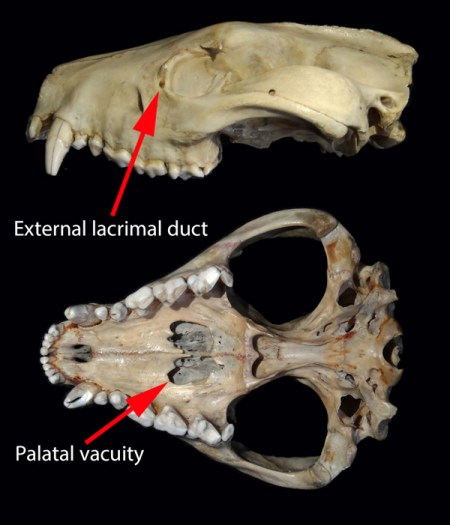
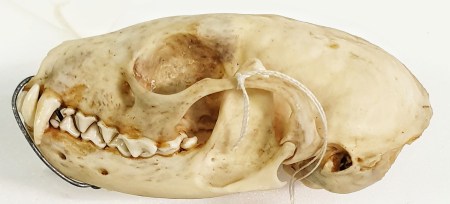
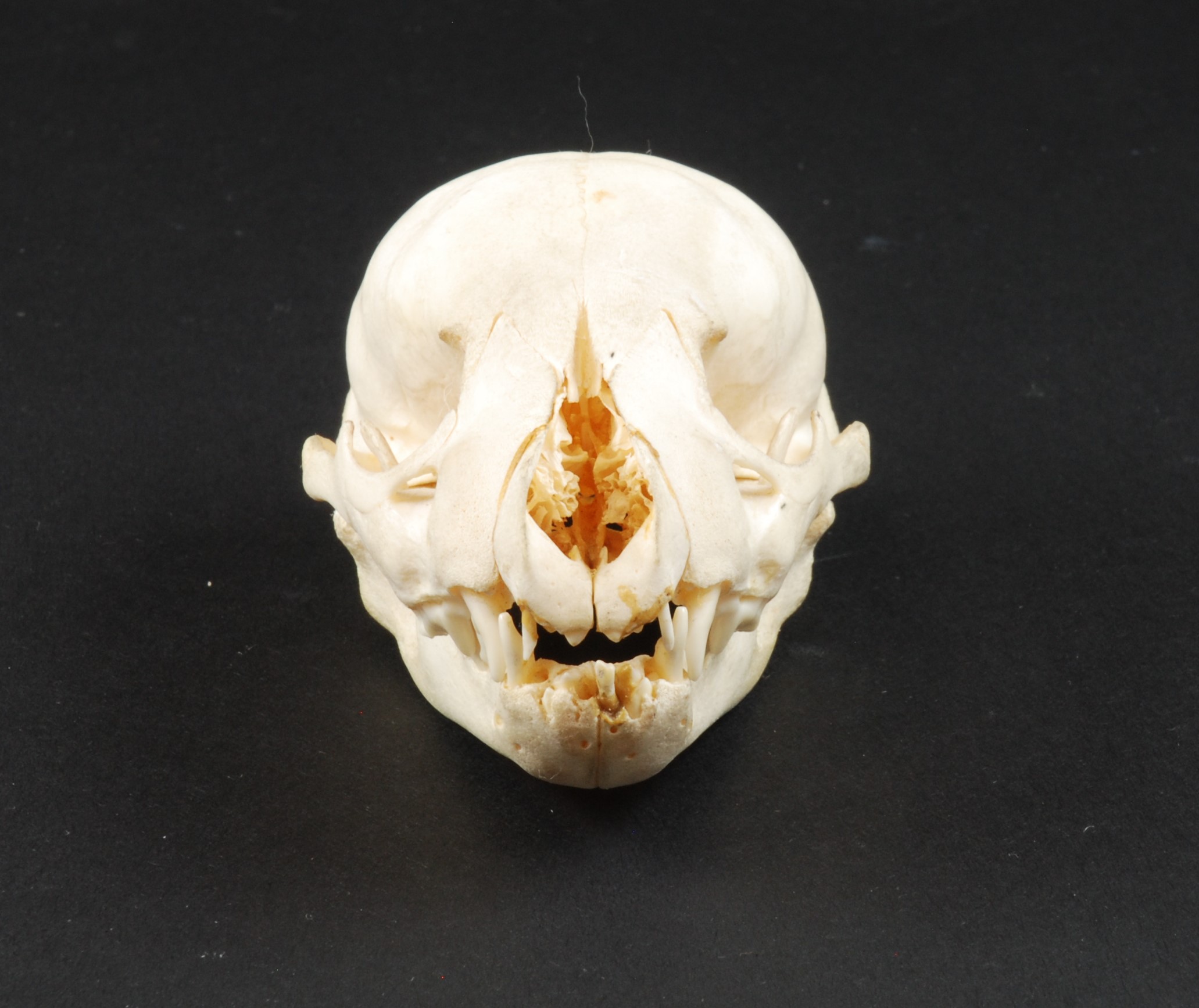
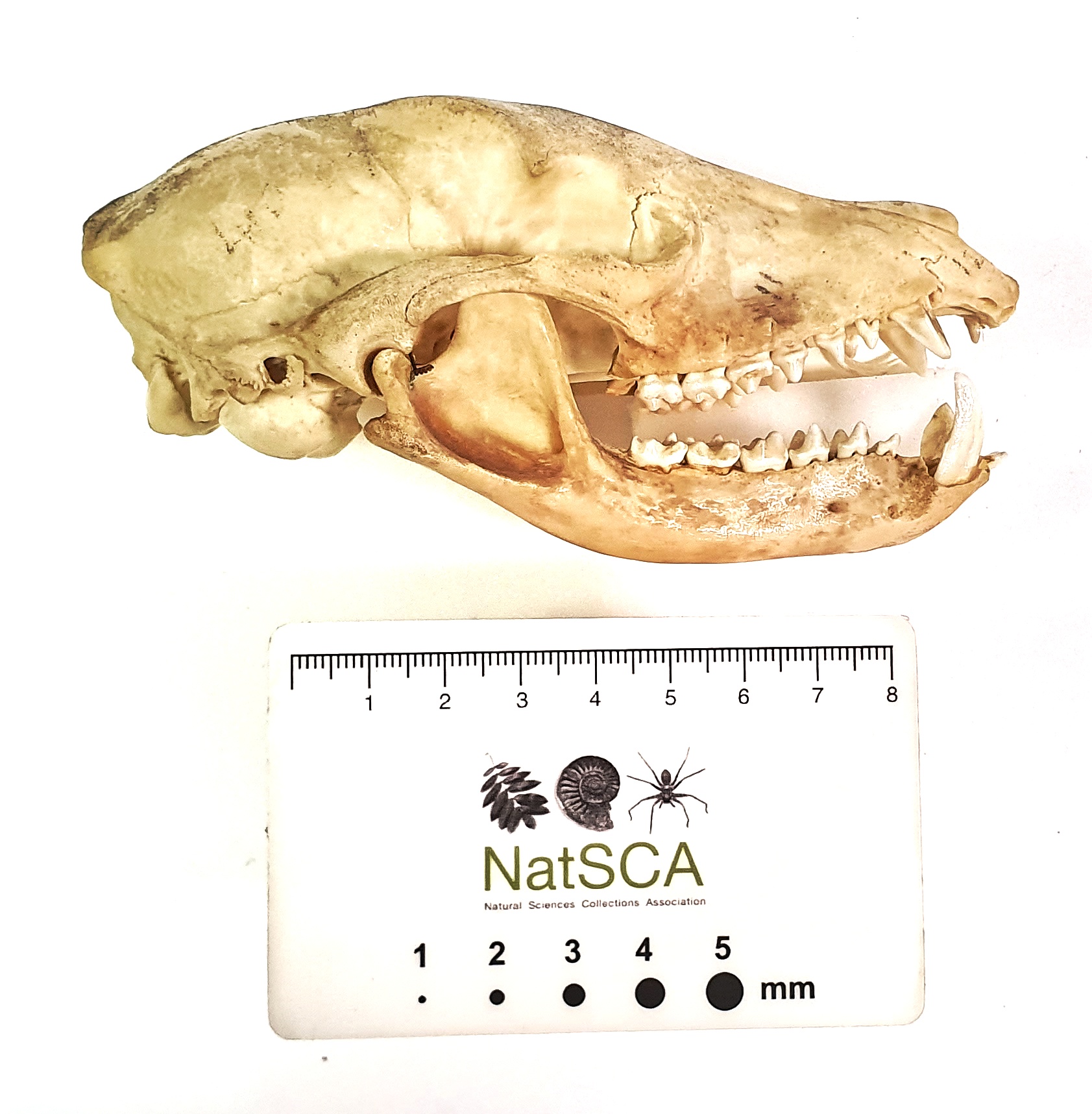
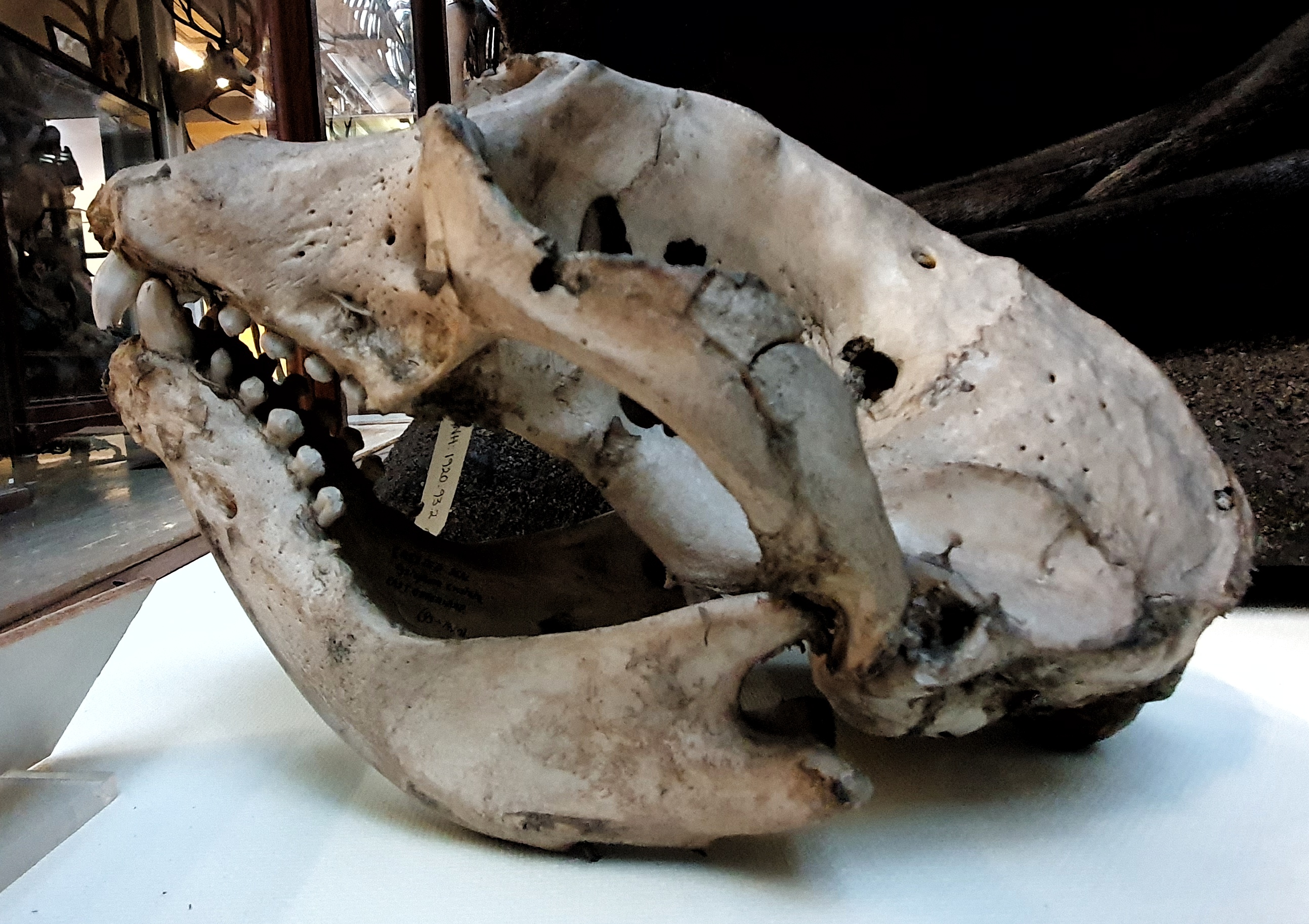
Friday mystery object #368

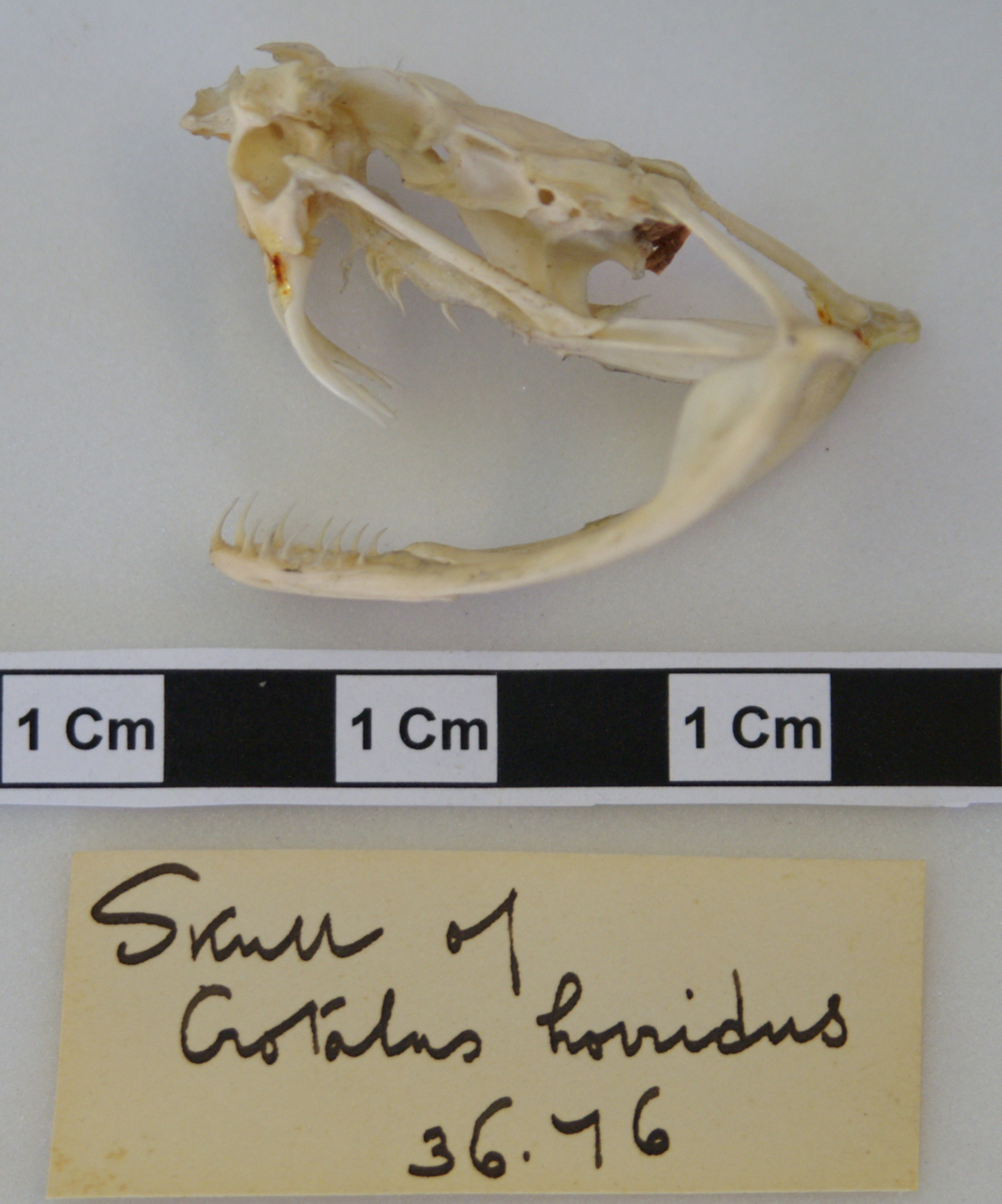
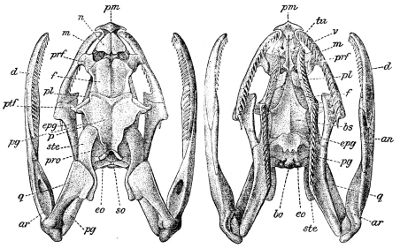
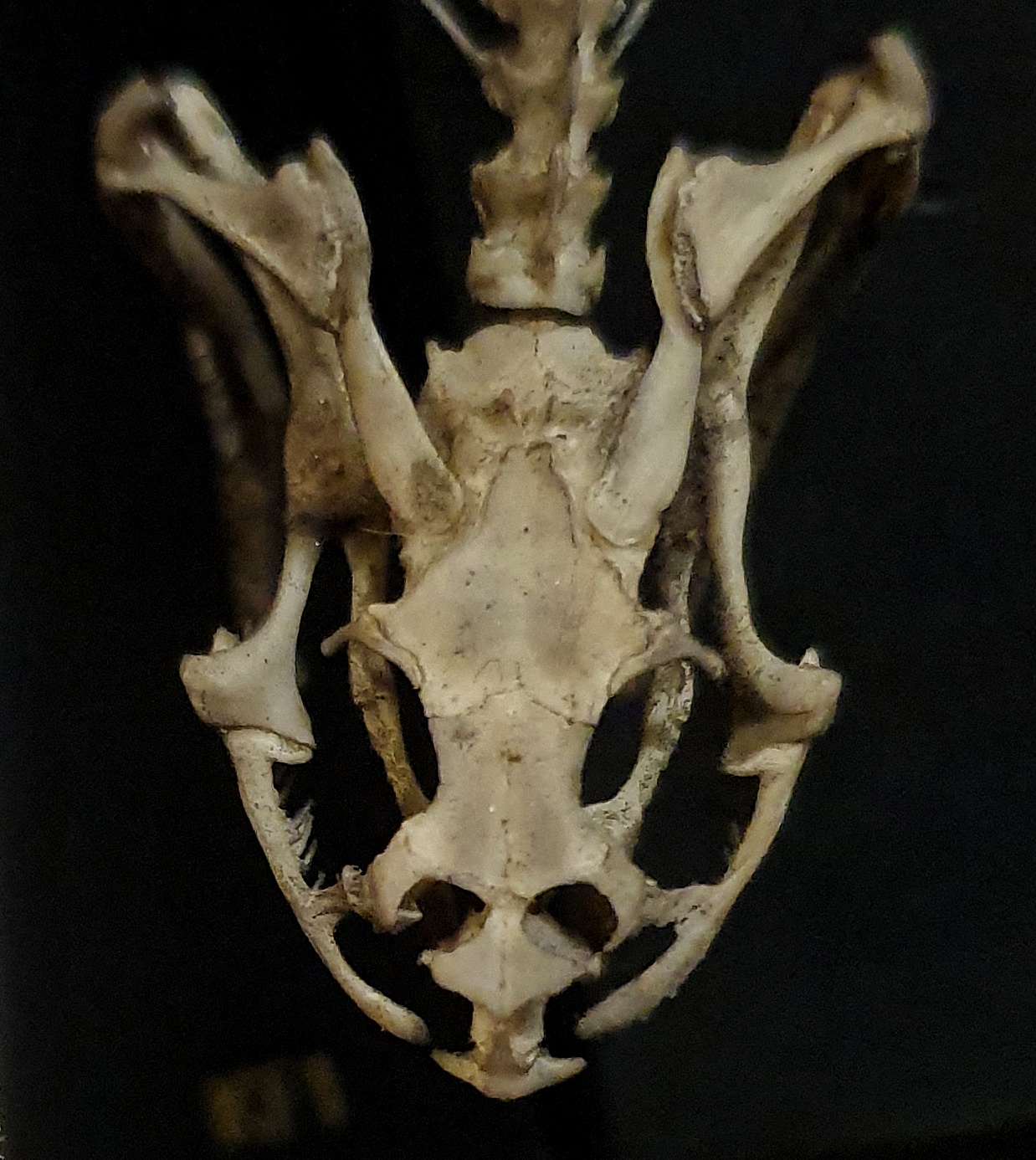
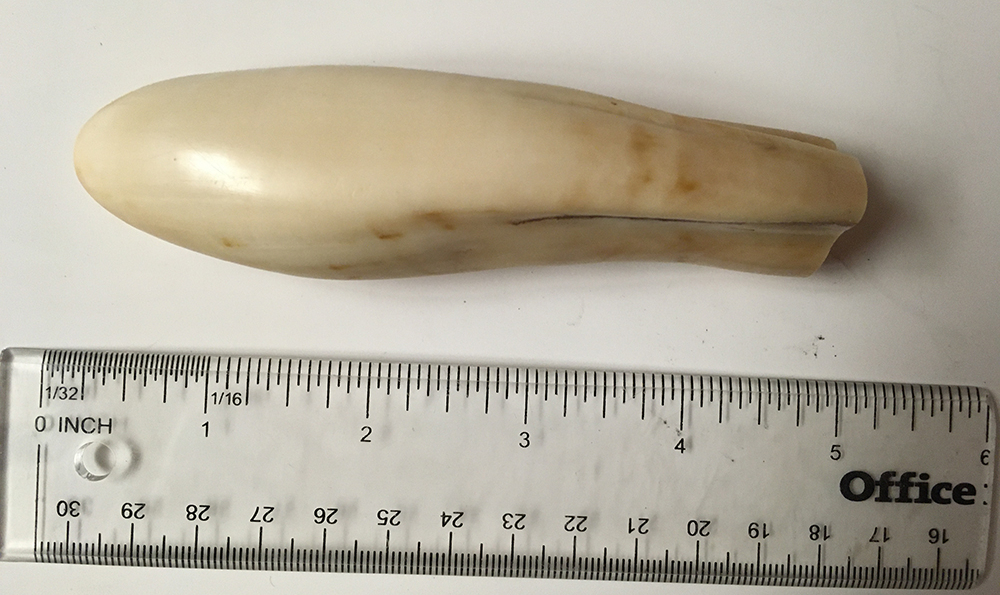
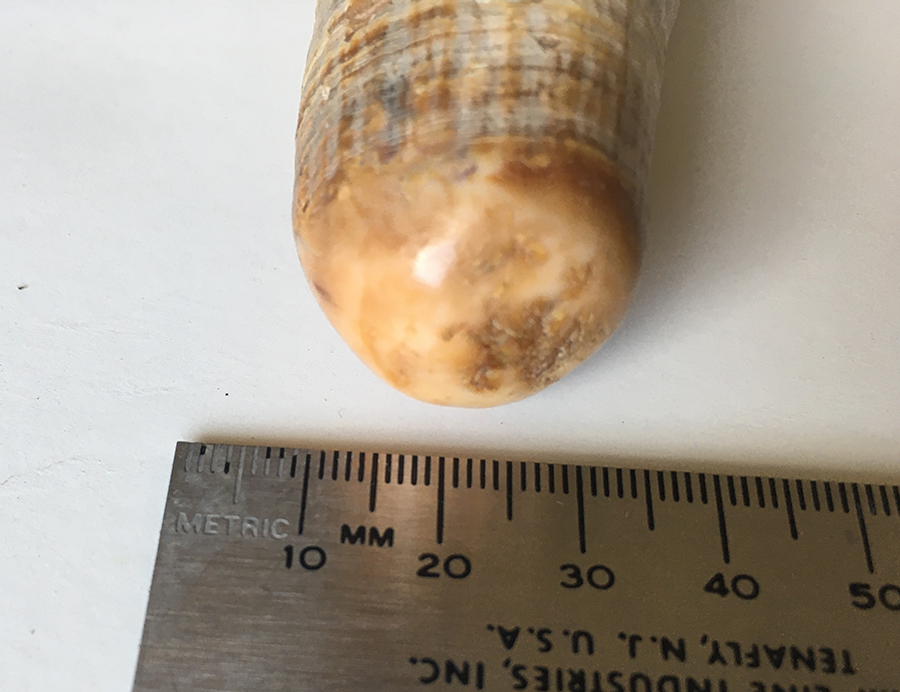
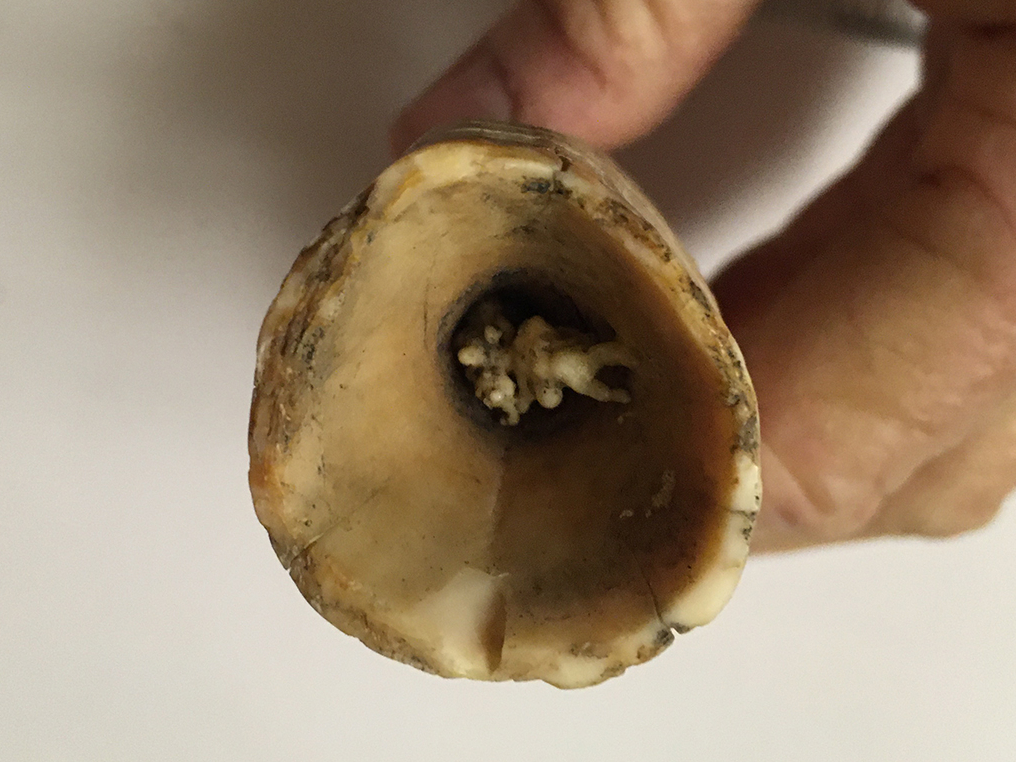
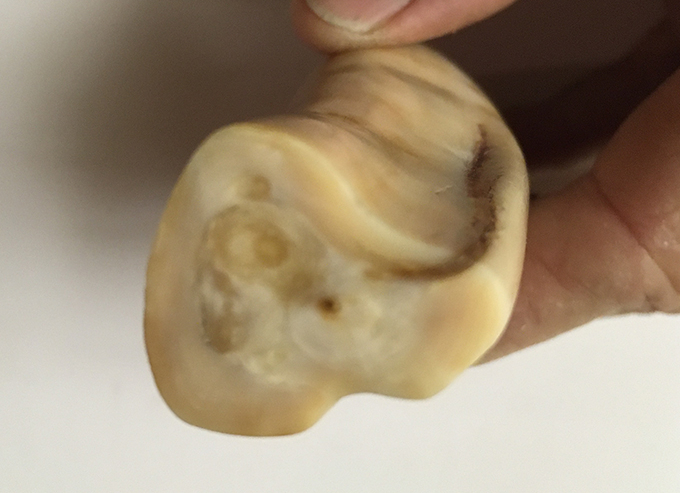
This week I have a really tricky mystery object for you to have a go at identifying:

It should be easy enough getting the Order, but beyond that it gets harder, especially with a photo like this.

If it makes things any easier, this was found on beach on the West of Ireland and it’s less than 4mm long.

Let me hear your thoughts!

Friday mystery object #367 answer

Last week I gave you this rather exciting new specimen from County Kerry, Ireland to have a go at identifying:

20191016_094840-01.jpeg

Perhaps unsurprisingly, it was recognised by pretty much everyone. For people based in the Americas it’s not that unusual a species and for people on the other side of the Atlantic, especially those with an interest in birds, there has been a bit of a stir in the press about this specimen.

This bird is clearly a member of the heron family – the Ardeidae – with its distinctive spear-shaped bill, relatively long legs and long and somewhat kinked neck. But it’s tiny. In fact, this is one of the smallest members of the Ardeidae, perhaps a bit longer in the body than a Dwarf Bittern, but just a bit lighter and quite different in plumage.

Dwarf Bittern in South Africa. Image by Mark Tittley, 2011

Dwarf Bittern in South Africa. Image by Mark Tittley, 2011

And this particular specimen is very light indeed. Sadly it was probably undertaking a migration south from its North American breeding grounds, when it got caught up in hurricane Lorenzo, which blew it off course, forcing it across the Atlantic Ocean, where it finally made landfall in Farranfore in County Kerry, on the west coast of Ireland on 7th October this year.

Exhausted, emaciated and severely dehydrated, the poor bird lasted less than an hour in Ireland, despite efforts to keep it going by John O’Donoghue, the owner of the garden it ended up in. John and his neighbour Anthony O’Connor recognised that it wasn’t a bird normally found in Ireland, so they got in touch with BirdWatch Ireland to find out what it was and let people know about their unfortunate visitor.

Brian Burke and colleagues from BirdWatch Ireland identified the specimen as being a Least Bittern Ixobrychus exilis (Gmelin, 1789) and they got in touch with me at the Dead Zoo about getting the specimen added to the collections, since it’s a first record of this species occurring in Ireland – and only the 10th known to have made it across the Atlantic.

Of course, I was delighted to accept on behalf of the Museum and John arranged to get the bird to me in Dublin via his local Teachta Dála (the Irish equivalent of a Member of Parliament). Now the bird is safely stowed in the Museum’s freezer awaiting assessment by a taxidermist, to see whether it’s in good enough condition to be mounted, or if I’ll need to find another way of preserving the specimen as part of the permanent collection.

If not as taxidermy, this might be as a study skin, a fluid preserved specimen or even a skeleton – each offers different information for future use. But however it gets preserved, it will provide an important physical record of an unusual visitor to the Nation for future scientists and members of the public. After all, that’s a huge part of what collections are for.

Friday mystery object #366 answer

Last week I gave you this unwelcome visitor to the Dead Zoo to identify:

I’ve given you something very similar before, which most people mistakenly identified as being this species.

It’s in the family Ptinidae, home of several species that are considered pests, thanks to their habit of boring holes in various different materials. They all tend to look quite similar, although the shape of the pronotum (the bit between the abdomen and the teensy head) is a useful feature.

As Andy Calver and Thomas Rouillar intimated on Twitter and joe vans hinted in the comments, this particular beetle is normally associated with boring holes in carbohydrate rich substances, which can include drugs, tobacco, bread and biscuits. It’s known as the Drugstore Beetle, Cigarette Beetle, Bread Beetle or Biscuit Beetle depending on your particular interest in what it destroys. Of course, other beetles can share some of these proclivities and therefore claim some of the same names, so for clarity the scientific name is Stegobium paniceum (Linnaeus, 1758).

In museums they can tun up for a variety of reasons. Sometimes they’ll be feeding on starchy glues in book spines, they love a dried plant in a herbarium, they’ll give animal hides and museum specimens a nibble, and about the only thing they like more than poisoned grain used as rodent bait would be some biscuit crumbs.

So well done to everyone who worked it out and if you didn’t manage it then never fear, there’s always next week’s!

Friday mystery object #365 answer

Last week I gave you this little critter to have a go at identifying:

20190807_122924-02.jpeg

This particular shrimpy specimen arrived as an enquiry, after it was found in some Irish drinking water.

Prawn cocktails may be a thing, but most of us don’t think of shrimps (or shrimp-like decapod crustaceans) as an ideal addition to a beverage.

According to WHO these critters aren’t actually a health problem if they get into the water supply in temperate regions, where they don’t carry significant parasites or pathogens – but it’s a different story in the tropics.

Knowing which species this is could help in working out how it might have entered the water supply. I’m not an expert on crustaceans by any means, but there are useful keys out there [links to pdf] for working out this kind of information and I’m very fortunate in having to hand the expertise of my predecessor at the Dead Zoo, Mark Holmes, who specialises in crustaceans and is still often at the Museum doing research. Of course, I also have all of you lovely people!

My first thought on seeing this was that it was one of the Gammeridae, based mainly on my exposure to many photos of Gammarus shrimps infected by microsporidian parasites that change them from males into females (which is some fascinating biology). I was therefore delighted when so many of you put forth suggestions in that same area.

By working through the key of Irish shrimp I narrowed it down to Gammarus pulex (Linnaeus, 1758), which was also suggested on Twitter by @RobertsZivtins and @DianeBarlee. It could be G. tigrinus or perhaps G. lacustris – or of course a species not previously recorded from Ireland that doesn’t appear on the key.

However, I got it fresh and there were no stripes and the uropods and telson (taily-bit) looks more pulexy to my eye.

I am now eagerly waiting to hear what Mark thinks – I will update this post as soon as I do!

I have now checked with Mark and he identified this as G. lacustris so it looks like the taily bit isn’t pulexy after all. Thanks Mark!

Friday mystery object #365

After 10 years of posting photos from the museums I’ve worked in, I’ve finally posted enough mystery objects to have one a day for a whole year. As long as it’s not a Leap Year of course.

So here’s the 365th Friday mystery object:

Any idea what this mysterious wee beastie might be? N.B. it is a genuine enquiry, so no need to drop cryptic clues – I’m just keen to see if anyone agrees with what I’ve identified it as.

Have fun!

Friday mystery object #364 answer

Last week I gave you this fantastic skull from the Dead Zoo to have a go at identifying:

20190904_145117-01.jpeg

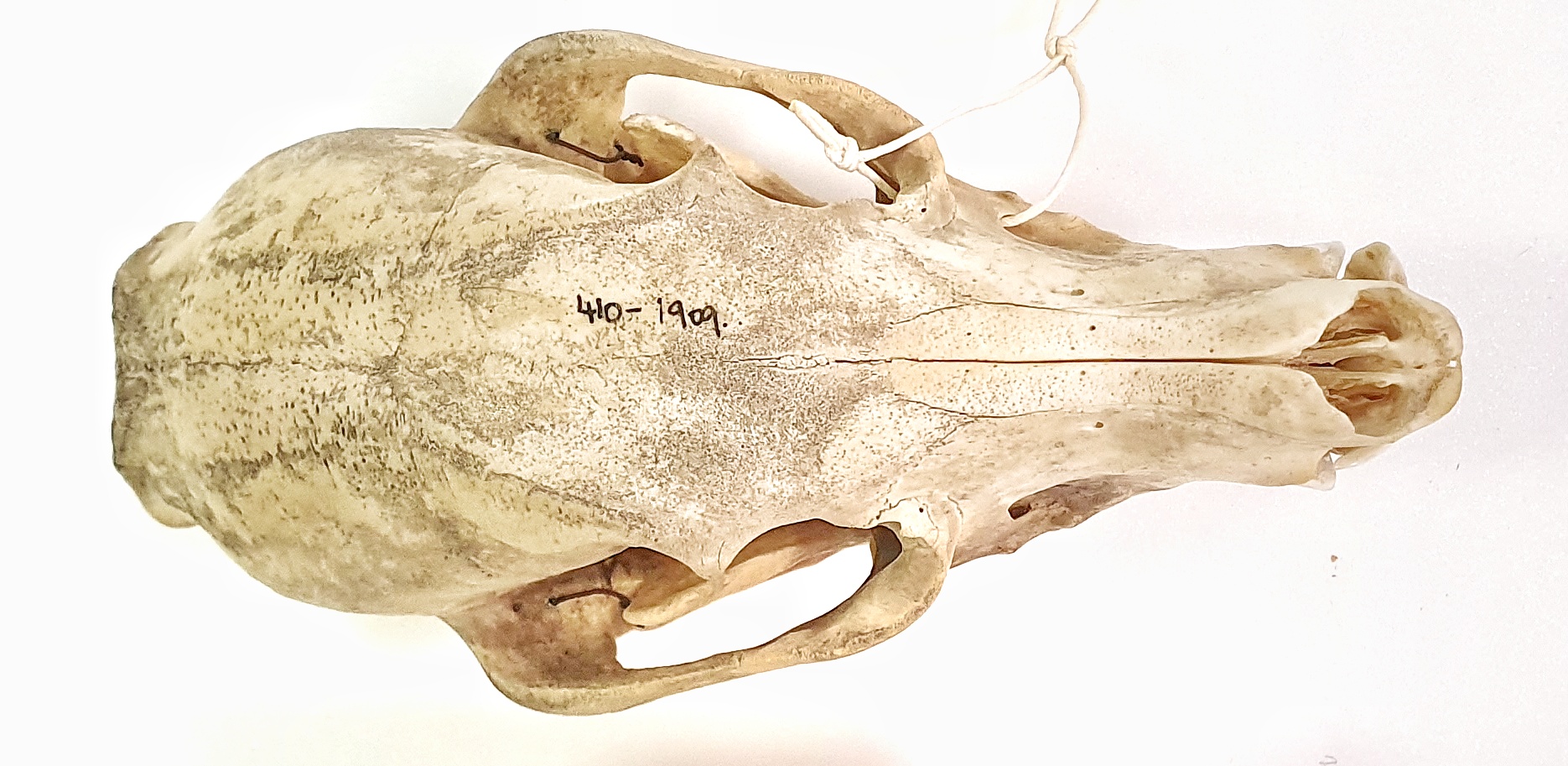
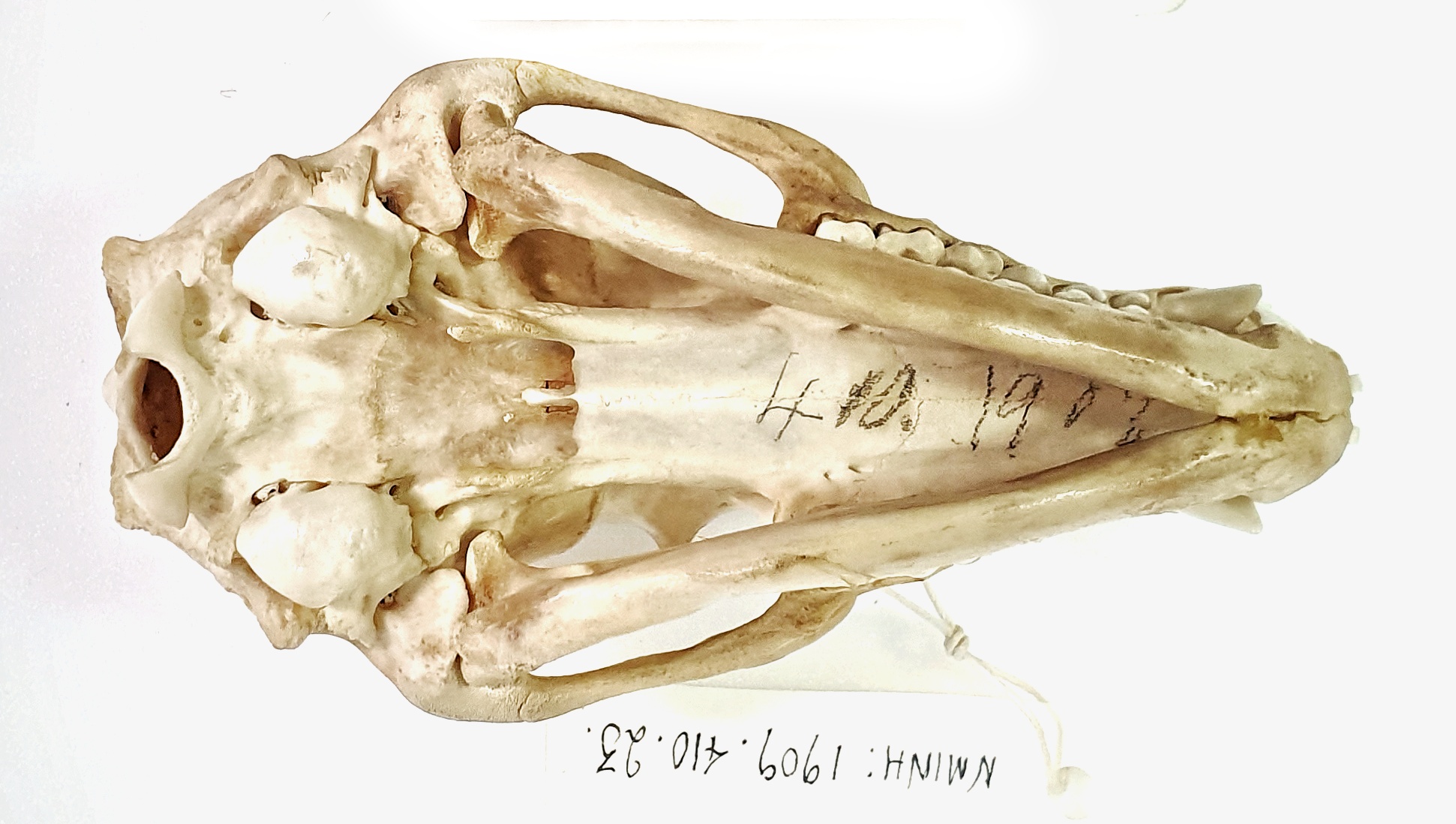
It’s clearly a bird and it has a distinctive shield of keratin at the base of the bill that helps with the identification. There aren’t many birds with shields like this, although there are plenty with casques, wattles, combs and crests that need to be ruled out when thinking about possibilities.

The group that springs to my mind when it comes to facial shields like this are the Jacanas or Jesus birds, named for their apparent ability to walk on water which Wouter alluded to in the comments. Of course, they don’t actually support themselves on the surface of the water (unlike the Common Basilisk), rather they walk on vegetation at the water surface, spreading their weight across ridiculously long toes.

640px-lesser_jacana2c_microparra_capensis2c_chobe_river2c_botswana

Lesser Jacana, by Derek Keats, 2016

Not all Jacanas have facial shields, but there are a few that do, including the Northern Jacana Jacana spinosa (Linnaeus, 1758) that lives in South America – which is the species that this mystery skull belongs to.

The Wattled Jacana can be ruled out because it has additional drooping lobes on the lower part of the shield. There is also a Crested Jacana that looks similar to this, but the shield runs along the skull more, rather than across the front of it.

northernjacana

Northern Jacana, by Benjamin Keen, 2012

The Northern Jacana also has yellow spurs on its wings that it uses for defence, which is quite distinctive. Here’s the skull back on its skeleton – you might just be able to make out those bony spurs on the wing.

20190904_145523-01.jpeg

You may notice that the scientific name on this specimen label is very different to the scientific name I used – yet another example of some old taxonomy that will need updating in the collection. Some jobs are unending in museums!

Friday mystery object #363 answer

Last week I gave you this crusty critter to identify:

20190808_155401-01.jpeg

It’s not the easiest mystery object, since there are around 850 species of crab, and several converge on similar forms. However, the triangular body and spindly legs meant that everyone recognised this as a species of spider crab in the Superfamily Majoidea.

Beyond that it gets harder, although there are resources out there to help. The Marine Species Identification Portal has a useful key for species that occur in the North Sea. I know that’s not always useful in these instances, but as it turns out, this particular species has a range across the East Atlantic and into the Mediterranean, including populations in the North Sea.

This little crab is Pisa armata (Latreille, 1803), which is one of several spider crabs that camouflage themselves with sessile animals and algae from their local environment, earning them the name Decorator Crabs.

Decorator crab covered in stinging hydroid polyps, which defend the crab while benefiting from food scraps and greater mobility. Image by Nick Hobgood, 2006

Decorator crab covered in stinging hydroid polyps, which defend the crab while benefiting from food scraps and greater mobility. Image by Nick Hobgood, 2006

Bit of an obscure one for you, but Diane Barlee did figure it out on Twitter, so it was manageable. Watch out for more mysteries next week!

Friday mystery object #362 answer

Last week I gave you this skeleton to have a go at identifying:

20190808_160231-01.jpeg

I thought that it might be a bit on the easy side for some of you – especially Wouter van Gestel who is one on the brains behind the fantastic Skullsite resource, that I expect everyone is familiar with by now.

The skeleton of this bird isn’t really all that distinctive, but the skull – particularly the bill – is very distinctive indeed, although this photo doesn’t capture the full weirdness.

20190808_160312-01.jpeg

Wouter’s cryptic clue:

Apparently, this species processes sound twice as well as you might expect from a bird.

was a hint at the scientific name Cochlearius cochlearius (Linnaeus, 1766) – playing on the fact that the name comes from the same source as the name for the cochlea, which is a part of the inner ear that has a snail-like shape. The common name, as hinted at by Richard Lawrence is Boat-billed Heron, as you can see a bit more clearly here:

cochlearius_cochleariapcca20071227-8443b

Boat-billed Heron. Photo by Patrick Coin, 2007

These odd looking birds are members of the Ardeidae or heron family, but rather than having the spear-like bill of the classic Grey Heron, they have broad bills used for scooping up prey in the shallow, murky waters of Mangrove swamps in Central and South America.

They have big eyes and that large, sensitive bill to help catch small fish and crustaceans in the shade or at night. This nocturnal habit is common in the Nycticoracidae a subfamily commonly known as night herons, as mentioned by Josep Antoni Alcover in his clue in the comments.

So well done to everyone who recognised this unusual animal – more mysteries next week!

Friday mystery object #361 answer

Last week I gave you what looks like a pickled cauliflower floret to identify:

20190725_103325-01.jpeg

As most of you worked out, this is a soft coral, although Tony Irwin was more detailed with his cryptic suggestion placing it in the Nephtheidae, and mpbx3003’s clue was spot on.

The name on the jar is Eunephthya florida (Rathke, 1806), but as with the last mystery object, there’s been a change in name. Eunephthya is now only applied to a genus that happens to be found in South Africa. This specimen is now considered to be in the genus Duva and the species name florida is more of a reflection of the fact it has a flushed pink colour in life than any reference to the American state.

Most soft corals they tend to live in warm shallow waters of the Atlantic, so Florida wouldn’t be a bad bet for where this might come from, but it actually happens to be one of the more unusual cold and deep water species. This particular specimen is from off the West coast of Ireland at a depth of between 738-900m (410-500 fathoms in old money).

Unlike the shallow water corals, these ones don’t get enough light to photosynthesise using symbiotic dinoflagellates, so they rely on capturing zooplankton from the dark but rich cold waters of the Atlantic.

Friday mystery object #360 answer (not really)

Last week I gave you a specimen with a radial arrangement to mark the 360th mystery object:

Adobe_20190711_174234.jpg

It’s a stony coral of some sort, as everyone in the comments recognised. The shape also suggests that it’s a solitary coral, as it forms one cup containing the radial arrangement of septa.

I picked this specimen as it’s one on the (currently inaccessible) balcony in the Dead Zoo and I was a bit doubtful about the identification on the label (see below).

coral

I must admit, I did liked the idea of this being a giant Caryophillia smithi, since that’s the Devonshire Cup Coral and the previous mystery object was a Cornish Sucker, so I thought it would be nice to do a tour around the Southwest of England in specimens.

However, I don’t think that’s possible, since Devonshire Cup Corals are much smaller than this (up to a maximum of about 25mm across). I also harbour doubts that this specimen was collected in S.W. Ireland, so I think there may have been a mix up with the labels. This can happen for a variety of reasons, but most commonly when an object gets temporarily moved and not put back with the right label.

The specimen does look like one of the Caryophylliidae, although corals are notoriously difficult to identify as different families can converge on very similar forms. There is a great key dealing with stony corals that should shed some light on this, but unfortunately I’ve not had a chance to put it to use yet.

At some point I will need to go through all of the labels in the exhibitions at the Dead Zoo to check the accuracy, since most are over 100 years out of date and changes in taxonomy mean that the majority of labels on display will have some kind of error now. With around 10,000 specimens on display this is not a job that can be done overnight…

Friday mystery object #359 answer

Last week I gave you this fishy mystery to have a go at solving:

20190619_131741-01.jpeg

I find fish a bit tricky, simply because there are so many different species out there – 33,100 described so far and rising. That’s more than all other vertebrates combined, so it’s not surprising that they can be a challenge.

However, this cartoonish looking little fish has some quite distinctive features that help narrow down the identification. There’s the duck-face with a couple of little barbels between its eyes and the clumping of the fins to the tail end. It also has a nice colour, but as I regularly say, that’s seldom a very reliable guide.

Generally, fish shaped like this don’t swim fast, they don’t lie flat on the sea bed and they don’t wriggle through weeds. This is the shape of a clinging fish – the kind that hold fast to a surface and let the world wash over them.

There are a good fish that do this, but I did say that this one is from Ireland, which helps narrow it down even more – enough for Chris to identify it correctly. This is a Cornish Sucker Lepadogaster purpurea (Bonnaterre, 1788). These weird little fish are pretty awesome. They cling to rocks along the shore with a suction cup made from their fused pelvic fins and they can change colour to blend into the rocks they attach to. Partly this will be for camouflage to avoid predators, but it will also be to help them ambush the smaller fish and crustaceans that they feed on.

One small issue for me is that the name on the label for this specimen is Lepadogaster lepadogaster (Bonnaterre, 1788). The taxonomy of this genus was reassessed in 2002 and the northern population of Lepadogaster (including those from the UK and Ireland) was found to be distinct from the more southerly distributed population. So once again, I need to update a label because advances in taxonomy have messed up our 100+ year old information. That’s the trouble with science – it keeps finding out new stuff.

Friday mystery object #358 answer

Last week I gave you this skull from customs to have a go at identifying:

Adobe_20190613_200131.png

The long horns rising in line with the plane of the face are a distinctive feature of the genus Oryx, which most of you spotted straight-off.

However, after that it gets a bit more tricky, not least because there are several species of Oryx and within the species there are different subspecies and populations from different parts of the African continent.

The first species that’s easy to rule out is the Scimitar Oryx, O. dammah since they have strongly curved horns which don’t diverge as much as this specimen. This species is currently extinct in the wild and individuals only survive in captivity.


Scimitar Oryx in Werribee Open Range Zoo in Victoria, Australia. Image by Waddey, 2009


Next up is the Arabian Oryx O. leucoryx which used to be extinct in the wild, but which is one of the few species to have become reestablished in the wild by captive breeding and release programmes. This is the smallest Oryx and the mystery specimen’s horns are way too long to be from this species.

Arabian Oryx in the Dubai Desert Conservation Area. Image by Sharp Photography, 2014 

Getting to the more likely species, there’s the East African Oryxwhich either has a couple of subspecies or is two different species – the Common Beisa O. beisa, which is endangered and the Fringe-eared Oryx O. callotis, which is threatened. The other possibility is that it’s a Gemsbok O. gazella, which is still doing well in the wild.

Common Beisa. Image by Steve Garvie, 2010

Fringe-eared Oryx. Image by Riaan Marais, 2009

Gemsbok. Image by Sharp Photography, 2018

As you’ve probably worked out, part of why customs are interested in knowing which species this specimen belongs to is knowing what level of protection it has under CITES, should they need to pursue a prosecution. Regardless, the specimen was seized because it wasn’t properly prepared and it entered Ireland without the appropriate information.

Of course, differentiating between the Gemsbok, Beisa and Fringe-eared Oryx using only the skull is tricky (and even harder if you only have photos).

Fortunately, there is literature that can help, with measurement ranges for certain features, like horn length, distance between horn tips and number of rings on the horn. Of course, these are only indicative, but they offer a guide to most likely species. Ungulate Taxonomy by Groves & Grubb, 2011 has a handy table of these, which I used to narrow down the options to just one – a population of Gemsbok Oryx gazella (Linnaeus, 1758) from the Nata River in the northeastern region of Botswana.

Of course, DNA sampling can offer a more certain diagnosis these days, but only if there is a good quality reference sequence to compare against and it assumes there is the equipment and expertise available to do the sampling and analysis. This is why identification from morphology can still play an important role in managing wildlife crime.