Friday mystery object #81

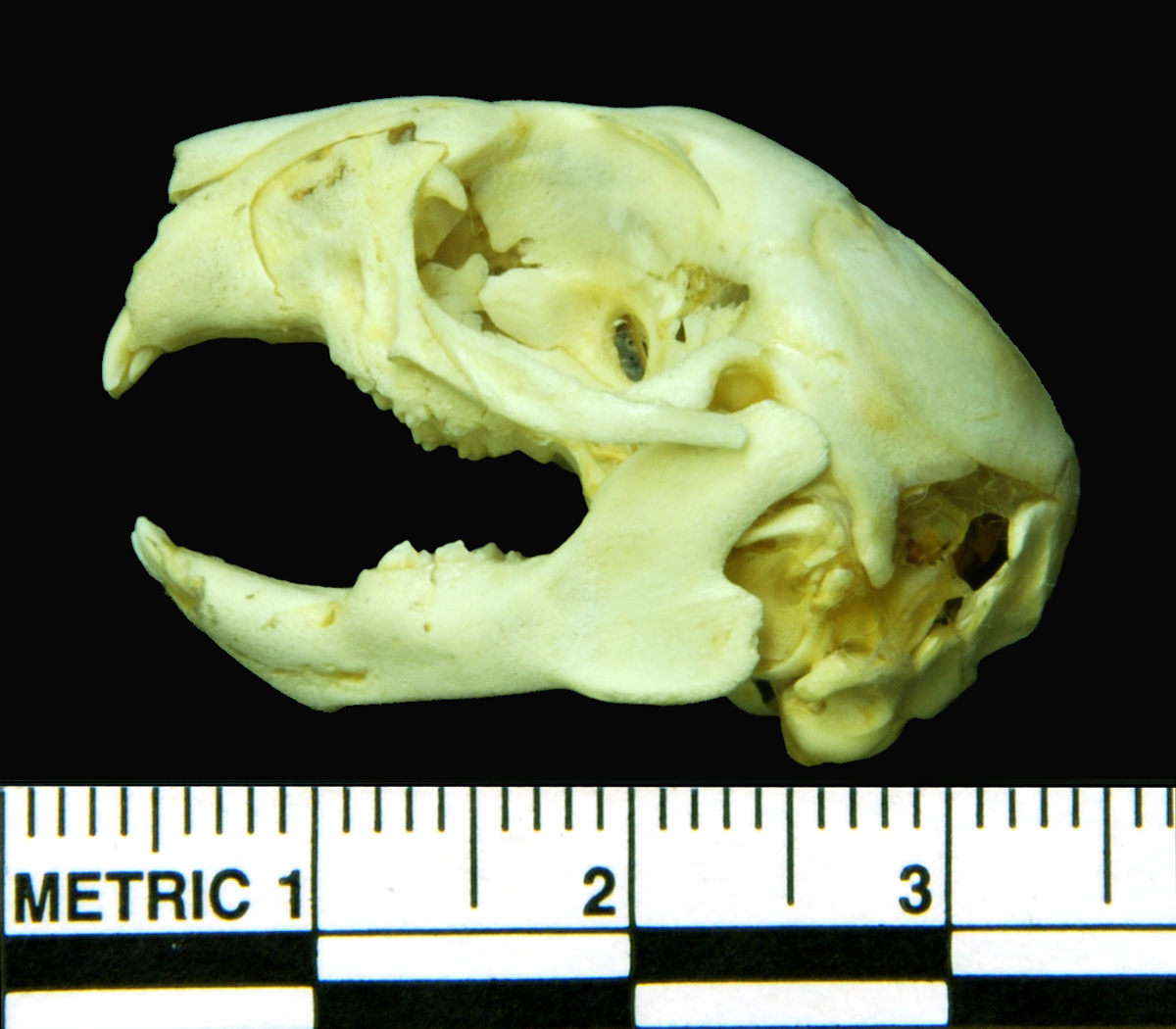
This Friday I am going to give you what I consider a fairly easy one, because I stumbled across it on Thursday in a box of ‘miscellaneous bone’ and I instantly thought I knew what it was. Having checked my hunch I thought I’d give you the opportunity to have a go at working it out:

Of course, I will be here to offer some guidance if you run into any difficulties (after all, not many of you have reference material to hand) – so put your questions, comments and suggestions in the box below and I’ll do my best to answer. Good luck!

Friday mystery object #80 answer

On Friday I gave you this sectioned bit of a critter as the mystery object:

A slightly trickier one than usual, so I wasn’t surprised at the range of suggestions – ranging from a vertebra to a Narwhal tusk. Jack Ashby got in first with a tentative stab at the right answer when he said ‘sawfish maybe?‘ a suggestion supported by Carlos Grau. It is indeed part of the rostrum (beak or nose) of a  Continue reading

Friday mystery object #79 answer

On Friday I gave you this anthropological mystery object to identify, asking you to tell me what it is, where it’s from and what it’s made of:

Well, OdenedO worked out that it is a skirt (or apron) and Sam Kelly and Julie Doyle both correctly suggested that it was African in origin. Jake and Julie Doyle suggested that it could be ivory and Sam Kelly specified that it could be Hippopotamus teeth (although this suggestion was discarded in favour of horn).

So a bit of a group effort, but you pretty much got there – it’s an African (Ethiopian in fact) skirt/apron made using ivory, probably Hippopotamus incisors. That’s my current preferred hypothesis based on the photo – but I need to check the specimen myself to be entirely sure.

Ivory (teeth as a workable material) is an interesting area for us in the museum trade, since most kinds are controlled by the Convention on International Trade in Endangered Species of Wild Fauna and Flora (CITES). This means that objects made of certain types of ivory need to have licenses for import and export, or for any commercial use, unless they can be shown to have been made before 1st June 1947.

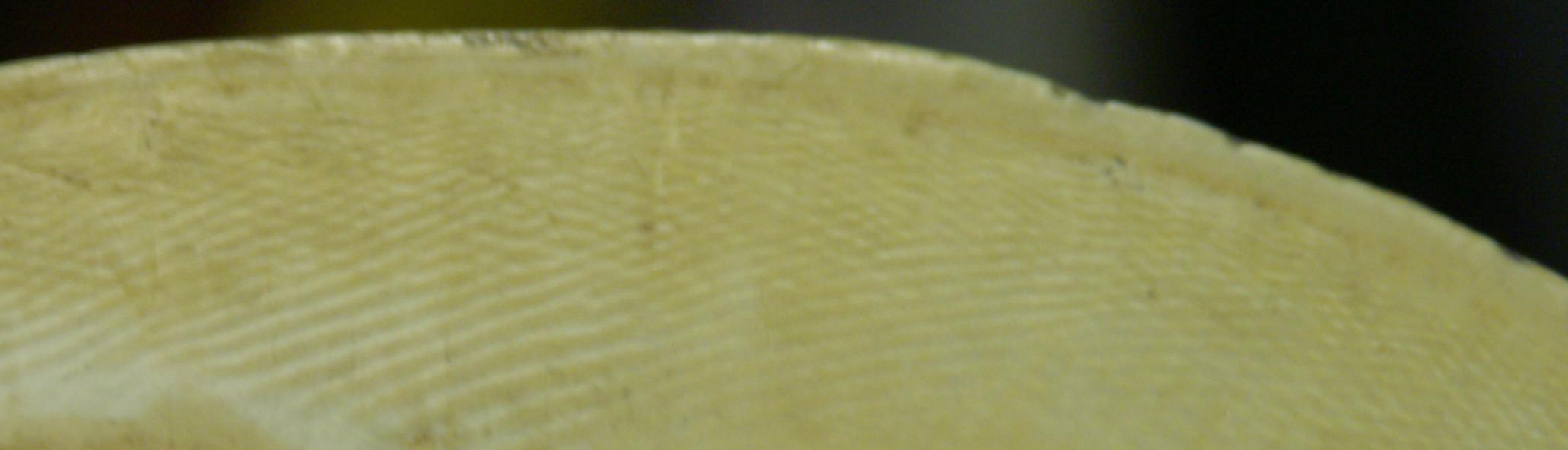
There are various characteristics that can help identify different ivories – the best known being the presence of Schreger lines in Elephant ivory:

But there are other clues that can indicate which species an ivory has come from – unfortunately I don’t have time or the appropriate images to go into detail here, so I will pull together a post on identifying ivory as soon as I can. For now, here’s a link to a useful pdf article on this very topic.

Back to the skirt/apron – anthropology isn’t my area of expertise, but to the best of my knowledge this sort of attire is largely an indicator of status rather than a practical piece of clothing. In other African cultures beaded aprons are given to young women when they marry, so this may fulfil a similar purpose. I will try to track down some more on this – I think it may be included in one of the Horniman’s planned exhibitions in the next couple of years, so there may be a lot more information forthcoming. I’ll keep you posted.

Friday mystery object #79

This week I’m going to give you a break from skulls, here’s an Anthropological mystery object for you to identify (as suggested by Emilia, who is one of our excellent Conservators):

Any idea what it is, where it’s from and what it’s made of?

As usual you can leave your suggestions, observations and questions in the comments section below and I’ll do my best to respond. Good luck!

Friday mystery object #78

This week I’m sticking with small skulls. Rather different to the last one – any idea what it might have belonged to?

As always, you can click on the image for a larger sized version that may help. Speaking of help I will also do my best to answer any questions you may have – just put your comments below. Good luck!

Friday mystery object #77

After a few weeks away from the Horniman’s store, I’m finally back amongst the collections and working with the skulls. That means that this week I can give you a nice mammal skull to identify:

Any idea what this skull belonged to?

As usual you can put your questions, observations and suggestions in the comments section below. Good luck!

Friday mystery object #76 answer

Happy New Year!

On Friday I gave you these two bones to compare, asking whether you thought they were from the same species.

There were some excellent responses with useful observations reflecting some of the difficulties faced when trying to identify postcrania. Unlike skulls which are composed of several bones forming a composite structure, including highly diagnostic elements (teeth for example), postcrania tend to be a bit more limited in the number of diagnostic characters visible. That said, the shape of the articulation points, the grooves and crests from tendons and ligaments, the scars from muscle attachments and the holes from nerves and blood vessels can all provide clues as to what a bone belonged to.

Size can also provide a clue, but as pointed out by Debi Linton:

…there’s a size differential, that could nevertheless be intraspecific variation…

This is a valid point – size can vary within a species for all sorts of reasons, the most obvious being the age or sex of the animal. However, in this instance the size difference is accompanied by quite a substantial set of differences in shape that go beyond what you would expect to find within a species. So well done to Dave Godfrey, Jamie Revell and Jake for making that deductive leap! That said, Debi also deserves congratulations for identifying the differences and then exercising caution in the light of insufficient information – it may be unsatisfying to say I’m not sure, but it’s often the only truly correct answer available.

That said, I’m a little surprised that nobody worked out what these femurs were from. The bottom one (B) has a small area of damage on the proximal end (the end nearest the body), which shows a honey-comb structure in the bone beneath. Jake also spotted that the angle at which these femurs would articulate with the hip would be unlike a deer – or other mammal in fact. These are the femurs of two species of bird – very big birds for that.

Any idea which species?

2010 in review

The stats helper monkeys at WordPress.com mulled over how this blog did in 2010, and here’s a high level summary of its overall blog health:

Healthy blog!

The Blog-Health-o-Meter™ reads Wow.

Crunchy numbers

Featured image

About 3 million people visit the Taj Mahal every year. This blog was viewed about 29,000 times in 2010. If it were the Taj Mahal, it would take about 4 days for that many people to see it.

In 2010, there were 121 new posts, growing the total archive of this blog to 192 posts. There were 137 pictures uploaded, taking up a total of 118mb. That’s about 3 pictures per week.

The busiest day of the year was March 26th with 2,158 views. The most popular post that day was Friday mystery object #36.

Where did they come from?

The top referring sites in 2010 were twitter.com, facebook.com, Google Reader, iconfactory.com, and mail.live.com.

Some visitors came searching, mostly for zygoma, king kong, zygoma paolo, classical conditioning cartoon, and conclusions.

Attractions in 2010

These are the posts and pages that got the most views in 2010.

1

Friday mystery object #36 March 2010
47 comments

2

Back from extinction March 2010
3 comments and 1 Like on WordPress.com,

3

Friday mystery object #53 July 2010
74 comments

4

Friday mystery object #52 July 2010
50 comments

5

What is science? September 2009
3 comments

Friday mystery object #76

It’s the last day of 2010, so I thought I’d see the old year out by trying something a little bit different for this week’s mystery object. Rather than giving you one object and asking for an identification, I’m giving you two and asking whether they are from two individuals of the same species or if they are from two different species. Obviously there is kudos riding on identifying the species involved as well.

So here you go – can you spot any differences between A and B and are they enough to suggest that A and B are from different species?

As usual, please add your observations, questions and suggestions below and I’ll do my best to provide what information I deem appropriate. Good luck and a very Happy New Year!

Friday mystery object #75 answer

I hope everyone had an enjoyable Yuletide! On Christmas Eve I gave you this somewhat unseasonable object to identify:

Not quite as easy as I was expecting in the end, but a couple of you spotted that this is indeed the tail of an  Continue reading

Friday mystery object #75

Between parties, travel and snow I’m amazed that I remembered to set this Christmas eve  mystery object.

I’ve tried to keep this week’s object pretty straightforward, since I may not be able to provide many clues due to shopping and food preparation duties for tomorrow. That said, do you have any idea what this is?

Please don’t hesitate to comment with questions and suggestions – if I get any opportunities to offer guidance I will. Good luck and have a very merry Yuletide!

Friday mystery object #74 answer

On Friday I gave you another bird skull to identify:

As expected, the regulars immediately waded in with correct identifications to the group, based on the scars from the salt glands on top of the head, bill shape (including the groove running from the nostril) and the size of the specimen no doubt. So congratulations go to Dave Hone, Jake, jonpaulkaiser, KateV, cromercrox, David Craven, Matt King and Curianth (everyone who commented in fact) – you were all correct in suggesting that this is the skull of an  Continue reading

Friday mystery object #74

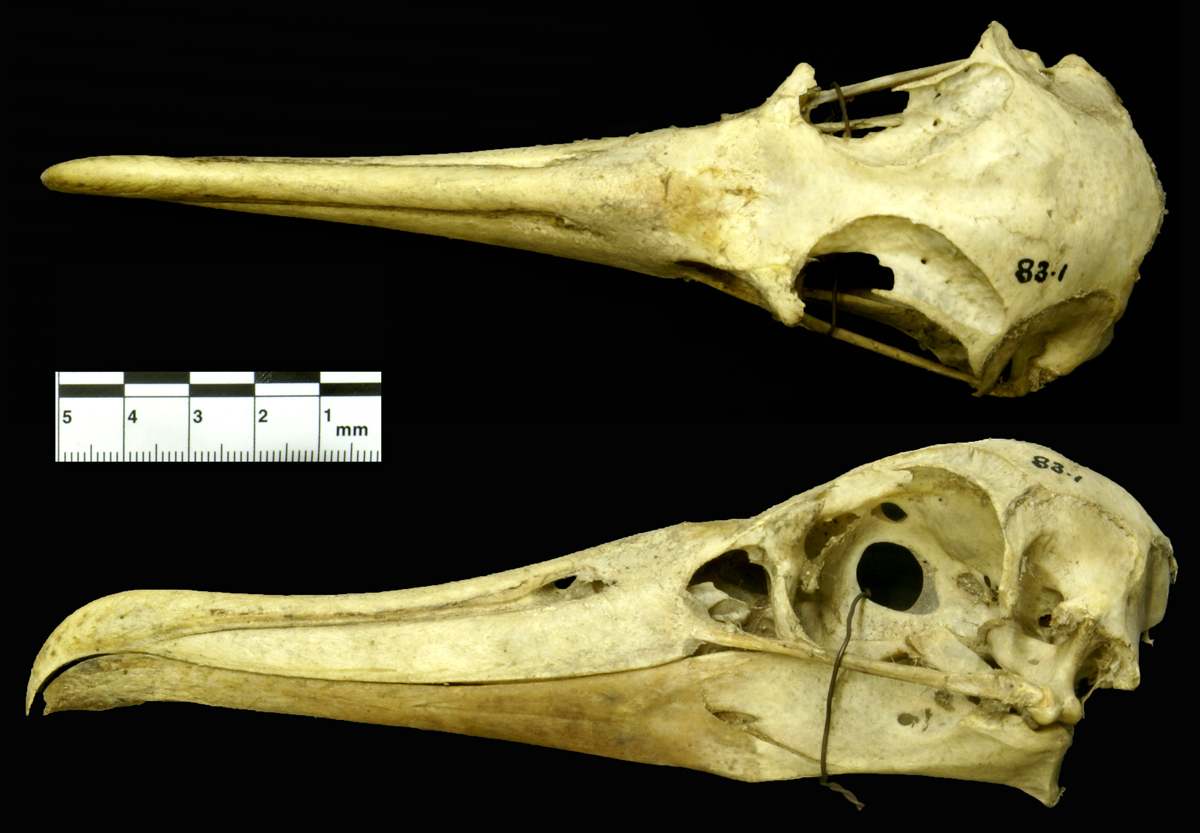
I don’t give you birds very often (GrrlScientist has that area well covered) and I’m mostly working with mammals at the moment, but following up on last week’s Gentoo Penguin I thought I might give you another bird from the Horniman’s collections. This is one that I’ve had to identify from the infamous box 83.1 and it was picked by my trusty minion Cat and our work experience student Tilly (thanks guys!). Here it is:

As usual, you can put your questions, observations and suggestions below and I’ll do my best to answer. Good luck!

Friday mystery object #73 answer

On Friday I gave you this skull to identify:

It obviously belonged to a bird, but what kind? If you look at the top image you’ll see two deep scars on top of the head above the eyesockets – these are the areas where salt glands were located when the animal was alive. This is the first thing I look for when I have a bird skull to identify, because they tell you whether the bird was marine.

I’ll explain – marine birds don’t have regular access to fresh water and they need a way to remove excess salts from their system, which is what the salt glands are for. Generally, the bigger and deeper the scars for the salt gland, the more marine the bird is in its habitat, so clearly this bird spent an awful lot of time at sea.

There are plenty of marine birds out there, but only a few have such well-developed salt glands and even fewer have such a distinctive bill shape – just look at that mandible. This is of course a  Continue reading

Friday mystery object #73

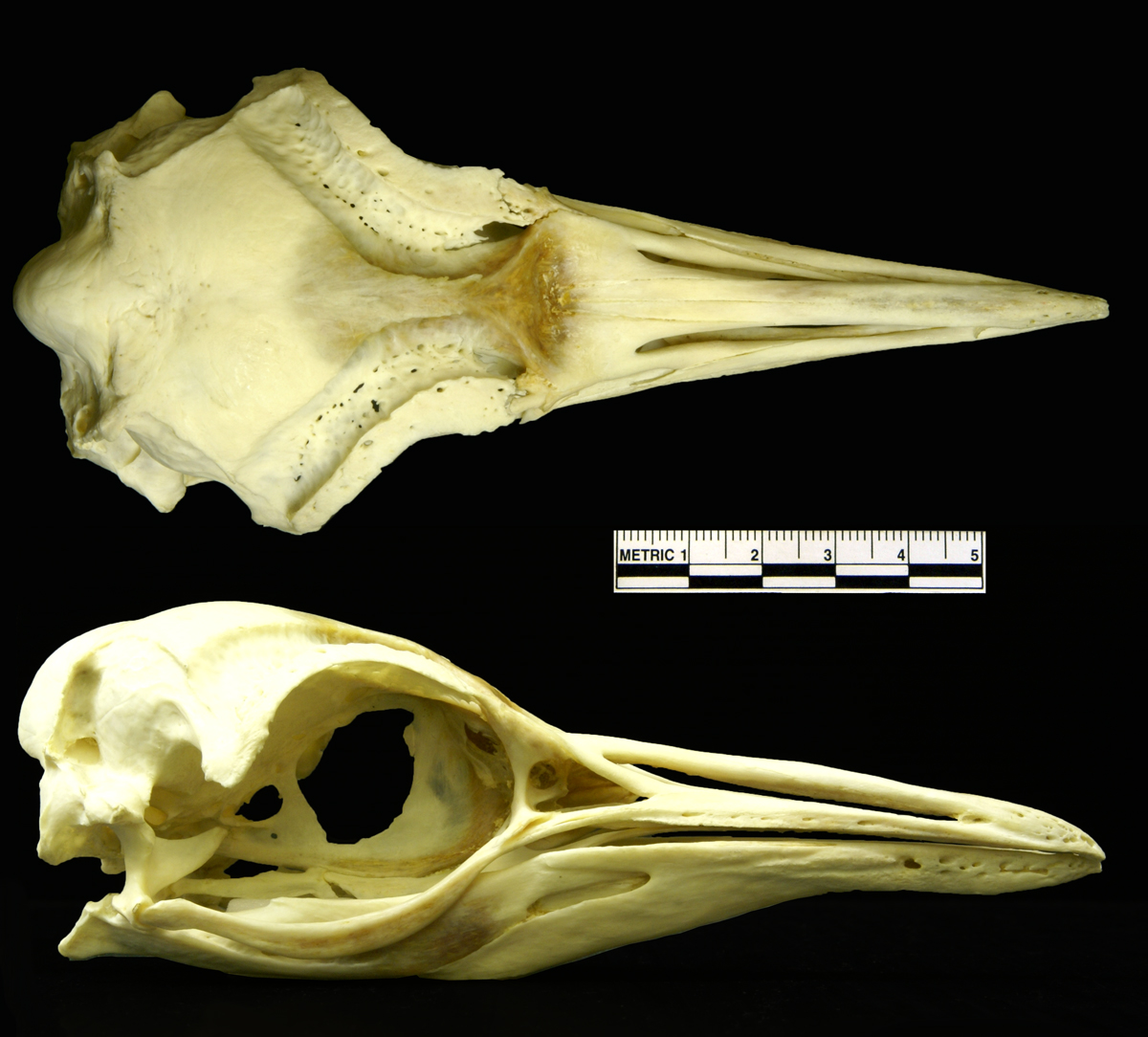
Last week I gave you an anthropological object to identify, so this week it’s back to skulls. Here’s one that I recently reunited with its mandible after they had been separated for over 25 years – any idea what species this now complete skull belonged to?

As usual, put your suggestions, observations and questions below and I’ll do my best to give clues and further information. Good luck!

Friday mystery object #72 answer

On Friday I gave you this rather snug looking object to identify, asking where does it come from and what is it made of?

Suggestions ranged from Beaver fur from North America to Yak fur from Bhutan. However, a number of you managed to get it right – it is in fact a  Continue reading