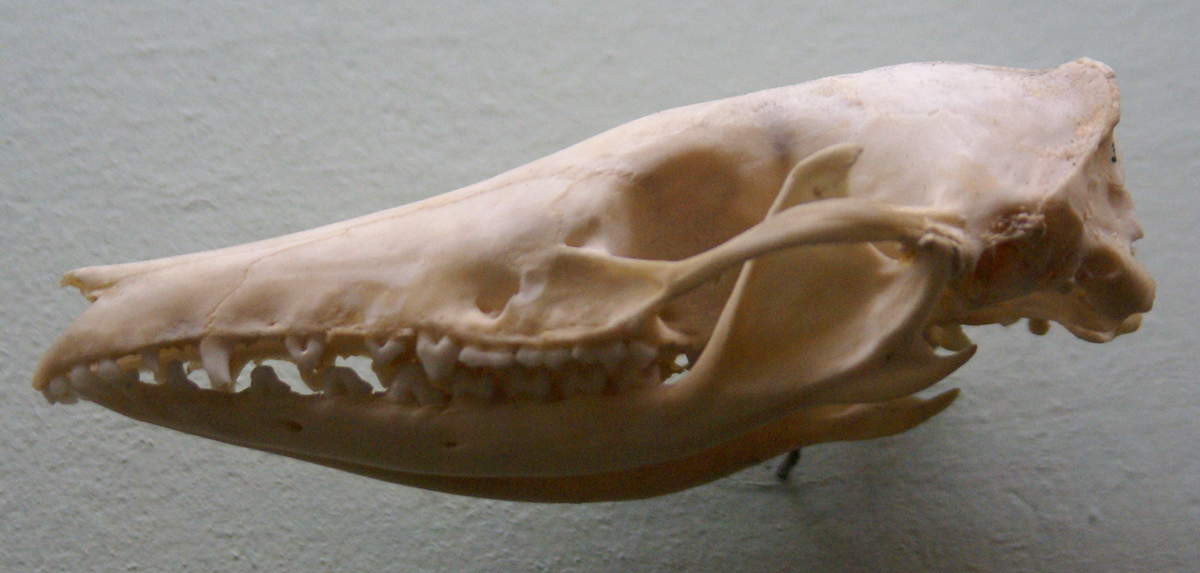
Friday mystery object #121 answer

Apologies for the late posting and brevity of the FMO answer today, I’m not feeling at all well.

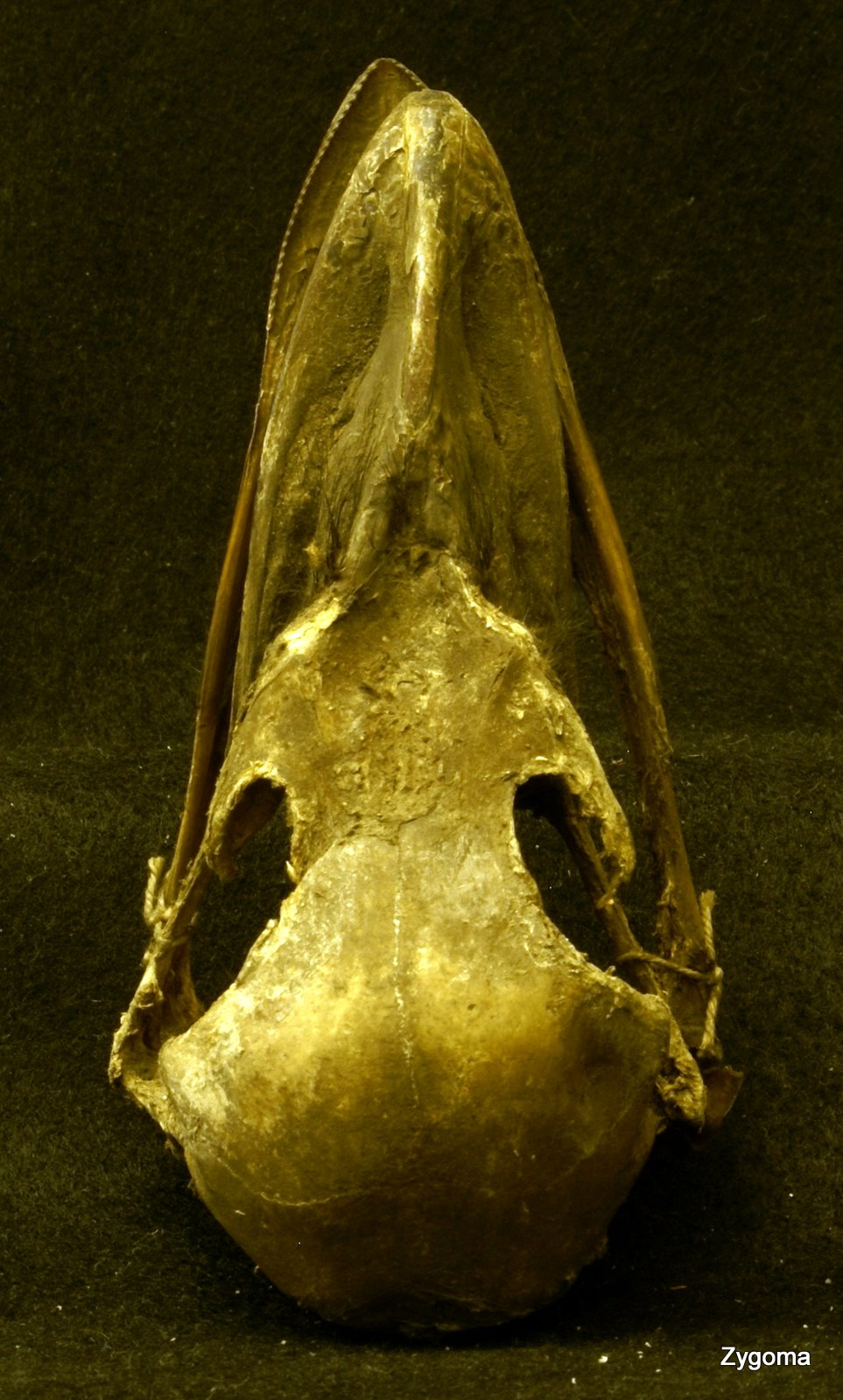
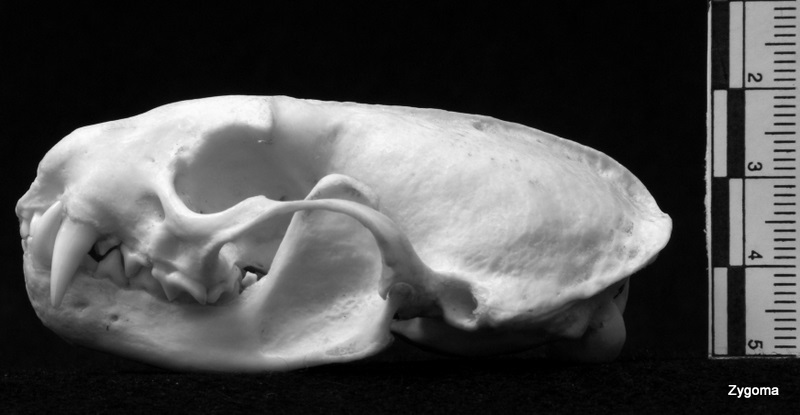
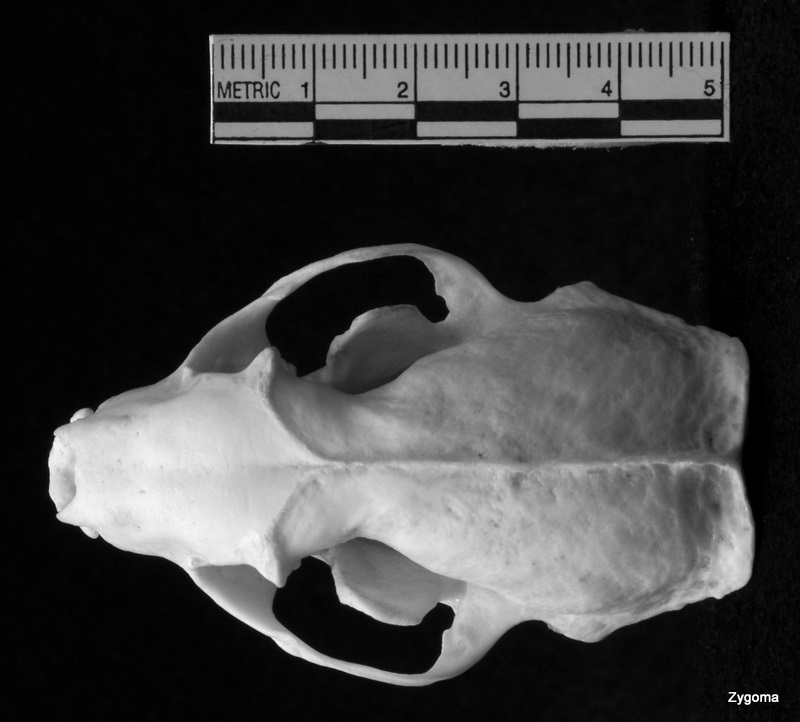
On Friday I gave you something a bit more ‘taxing’ than the previous week’s mystery object:

Some of you spotted the clue hidden in my statement and Bubba, Carlos, WillNeil, henstidgesj and Julie Doyle all implied or identified that this as the skull of Continue reading

Friday mystery object #118 answer

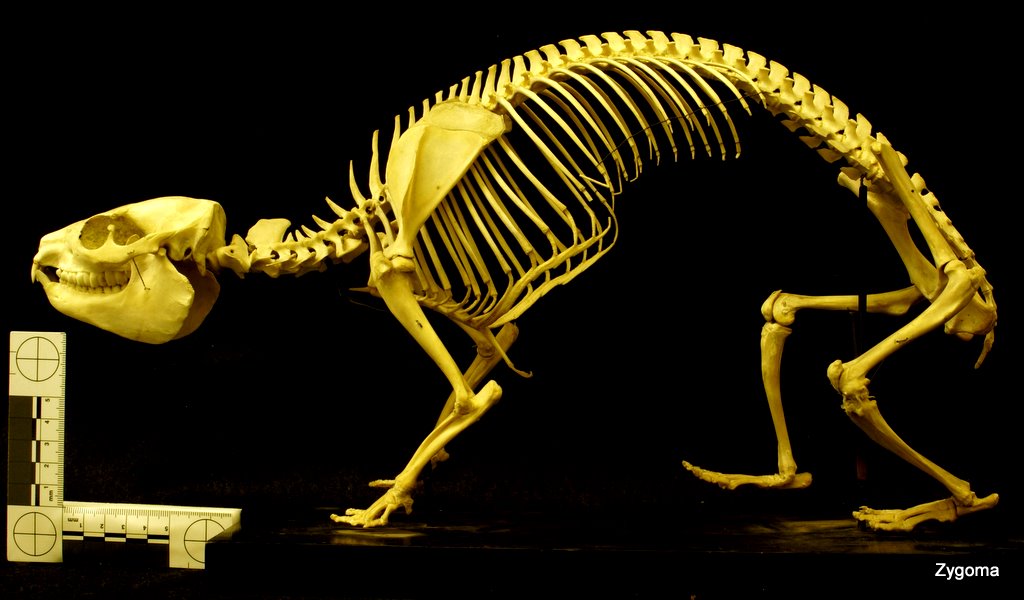
On Friday I gave you this complete skeleton to identify:

As I expected, you managed to identify it in no time, with excellent use of hints and clues to get the answer across without spoiling the fun.

John the Hutch was the first to get it right (and was in fact the first to respond) with Carlos, henstridgesj, JakeHenry Gee and Julie Doyle also recognising that this was the skeleton of a  Continue reading

Friday mystery object #118

This Friday I have a pretty straightforward mystery object for you. I was going to make it difficult by giving you an image of the specimen without the skull attached, but I am at a NatSCA meeting in Leeds today, so I probably won’t get much chance to provide clues during the day (although I will do my best).

So what is this the skeleton of?

As usual you can put your answers below (using clever clues if possible) – I will try my best to respond. Good luck!

Friday mystery object #112 answer

Below is Rachel’s follow-up guest post answer to last Friday’s challenging mystery object. Many thanks Rachel – it was a good one!

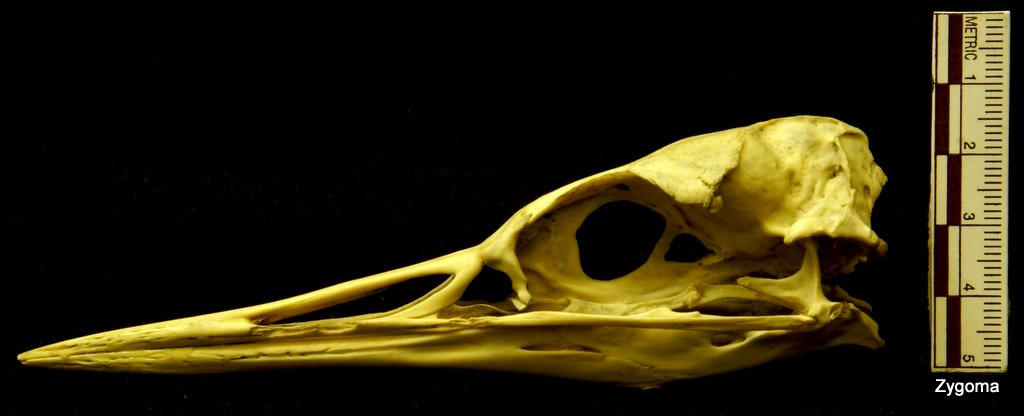
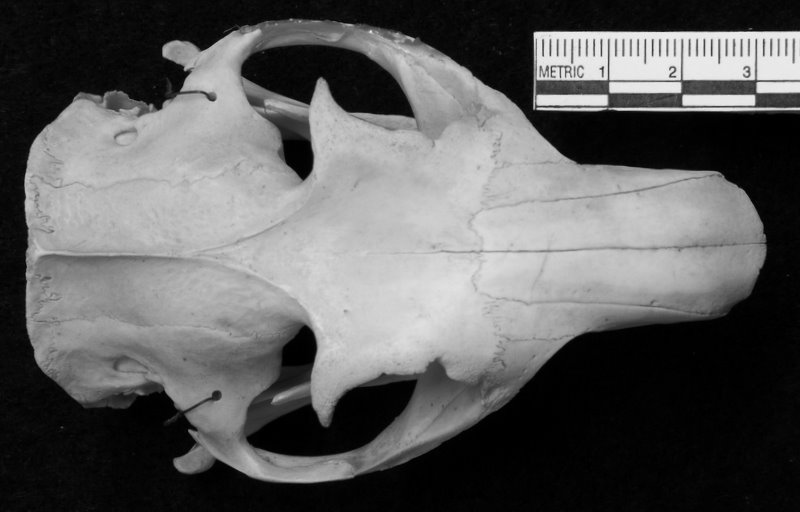
Well, I seem to have led you all a merry dance this week! Admittedly, it was sneaky to not include a scale bar or provide you with another view of the skull, but if I’d put the top view in I think it would have been game over in about five minutes…

As cromercrox so rightly pointed out, it is a bird skull. Many of the guesses tended towards water birds, with suggestions including goose, gull, and rail.

Manabu Sakamoto was the first to suggest a ratite, and later tentatively guessed ostrich, while Matt King went for a rhea.

Paolo and I actually thought it might be a rhea to start with, but after comparing it to an identified rhea skull in the collections and the ratite images on Skullsite, we decided that it is in fact an  Continue reading

Friday mystery object #111 answer

On Friday I gave you this object (from the NHM) to identify:

It was a bit of a tricky one for those of you who haven’t seen the First Time Out exhibition (jackashby and David Godfrey obviously did see it). This fossil skull looks like it belonged to some kind of pig rather than a primate – yes, that’s right, I said primate.

The main feature visible here that indicates that this skull may belong to a primate is the enclosed orbit, which isn’t a particularly strong characteristic since various ungulates also have an enclosed orbit – as I said, it’s a tricky one.

The type of primate is the Koala Lemur Megaladapis edwardsi Forsyth Major, 1894 from Madagascar. It was an arboreal, slow moving, gorilla-sized folivore – with superficial similarities to Koalas (hence the name). It is hypothesised that the extended bony nasal region may have supported a prehensile top lip, that would have been beneficial when foraging for leaves in the trees.

I won’t go into much detail here, because other curators have provided their interpretation for this object as part of the First Time Out project, so I will leave you with a link to that information. However, I would be interested in taking a closer look at the dentition and complete skeleton of one of these animals – I’d like to get a better grip on this apparent convergence on a suid cranial morphology and more gorilla-like body. I wonder what it might have looked like?

Gamorrean Guards by Dextar FX

Friday mystery object #109 answer

It seems that Friday’s mystery object led you on a merry chase.


Not a Crab-eating Raccoon!

This skull clearly perplexed everyone, given the number of suggestions and guesses that were made. Representatives of pretty much every major carnivore family were suggested.

Peter Harrison was the first to suggest a species from the right genus on the label (the slightly stuck-up looking nasals are can be a good clue that you’re looking at a procyonid) and Styracosaurus Rider made a good observation about the dentition. Eventually the correct answer on the label came from henstridgesj, backed up by Rachel, Styracosaurus Rider and David – it’s allegedly a Continue reading

Friday mystery object #107

This week we have a mystery object chosen by Melita and Laura who shadowed me on Wednesday as I worked in the Horniman’s collections:

It’s another bird and given last week’s impressive identification skills I expect that several of you will get this in no time.

As usual you can leave your questions, comments and suggestions below and I’ll do my best to respond. Good luck!

Friday mystery object #102 answer

On Friday I gave you this skull to identify:

I was impressed by the speed with which everyone recognised this as being a large member if the squirrel family – the Sciuridae.

There were several hints of Groundhog, but this is actually the skull of a European member of the same genus, the  Continue reading

Friday mystery object #101 answer

As promised, here’s a quick answer to last Friday’s mystery object:

The big nuchal crest (ridge running along the back of the skull that meets the sagittal crest) points to this being a carnivore.

The large auditory bullae (the bulbous bits on the underside of the skull which relate to hearing) and very rounded notch in the occipital condyles (the bit of the skull that attaches to the atlas vertebra of the neck) suggest a cat, since dogs have a more V shaped notch and smaller bullae.

This is the back of the skull of a Leopard Panthera pardus (Linnaeus, 1758), in fact it is part of the same specimen as mandible F from last week.

Friday mystery object #101

Although last week I hinted that I may stop the mystery object, I’ve decide to try out a different system. Rather than give an extended answer on Monday (a time-consuming business) I will simply provide a very brief answer. Hopefully this will free up some time to do other things.

This week I present you with another partial piece of skull that I recently reunited with the rest of the specimen it came from. There’s no scale bar to keep it challenging!

Any idea what this is?

As usual, you can put your suggestions, comments and questions below and I will do my best to answer. Good luck!

Friday mystery object #100 answer

Friday was the 100th mystery object and I am considering making it the last one, since I’m finding it hard to come up with new objects every week. Moreover, I find that I don’t have time to keep up with all the other things I want/need to do.

However, I may keep FMO running for a bit longer with a slightly different format for the answer (since they’re what take the most time to write). So here’s the quick answer to Friday’s object, or should I say objects.

From top to bottom: A, B, C, D, E, F

From the top, the specimens belong to:

So congratulations to everyone who had a stab at identifying these mandibles – since all of you got some of them right.

If you have any thoughts on the continuation of the Friday mystery object, please feel free to let me know in the comments section below. Perhaps I should do a monthly mystery object or have them in a more ad hoc way as I find interesting objects? Your input would be of great help.

Many thanks!

Friday mystery object #100

It’s the one hundredth mystery object and I’ve decided to give you a challenge that I had to deal with at work this week.

I found a box of mandibles with no data, I identified them and checked them against their respective specimen types in the Horniman collections (that I’ve worked hard to organise for such a purpose).

The whole process took me half a morning and 5 of the 6 specimens were successfully reunited with the skulls they were separated from over 70 years ago – a satisfying outcome for a curator (our fun is cheap).

Now it’s your turn to identify the mystery mandibles (click image for bigger version):

From top to bottom: A, B, C, D, E, F

Put your suggestions and questions in the (newly organised) comments section below and I’ll do my best to respond.

Best of luck!

Friday mystery object #97

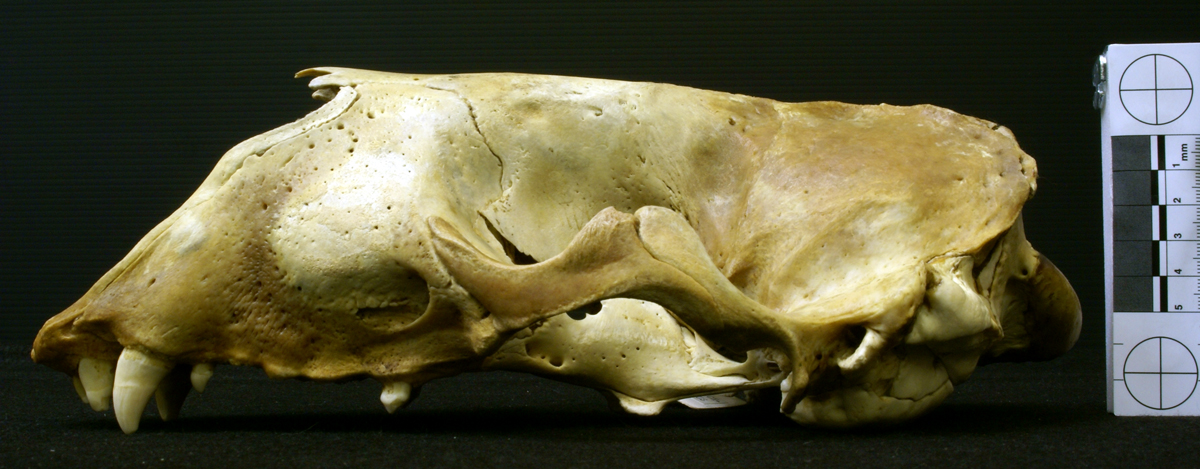
This week I have a tricky mystery object for you to identify. It’s from a group with a number of members that are a similar size and shape, which makes identification a bit tricky. Any idea what this skull belongs to:

I’ll try to answer any questions, but I can’t guarantee I’ll have access to a computer, so apologies if I don’t respond for a while (that’s why I’m a bit late posting this morning).

I was going to give you a clue about what this animal might be, but the only clue I could think of was a complete stinker, so I’m afraid it falls to your abilities to identify this animal. Best of luck!

Friday mystery object #96 answer

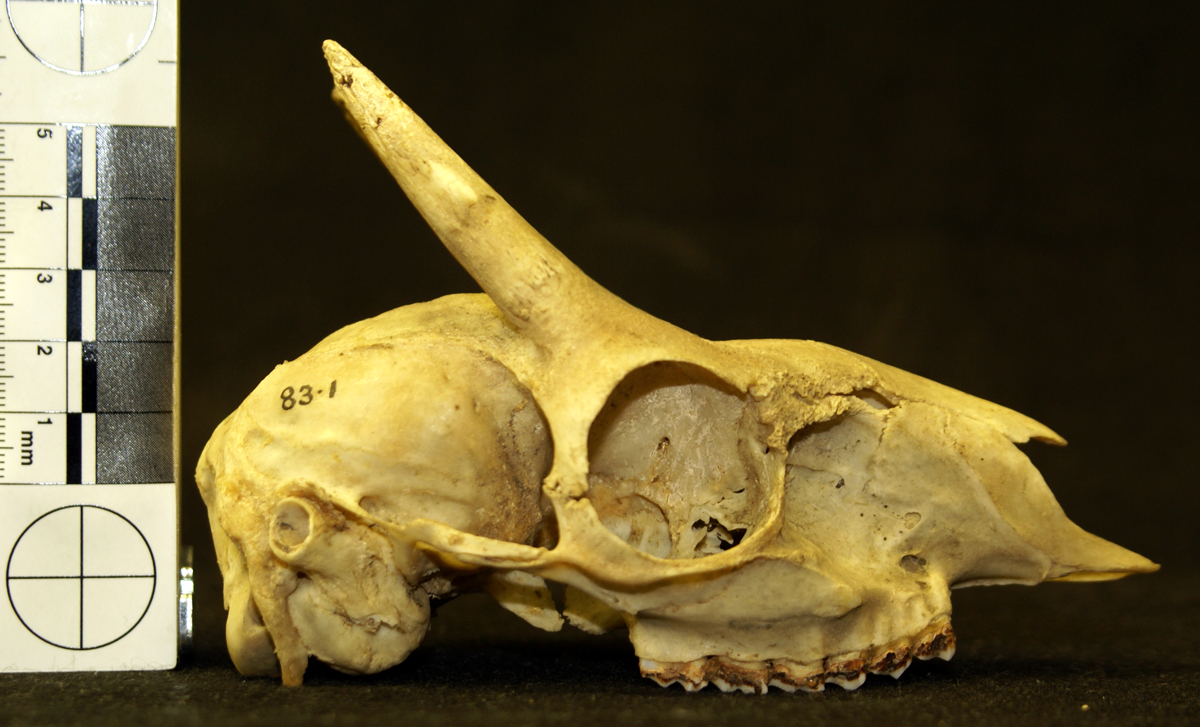
On Friday I gave you this specimen to identify:

It’s from one of  two boxes labelled NH.83.1, which between them contained twenty unidentified skulls from a variety of different animals, ranging from fish to birds and mammals – several of which have been used as mystery objects in the past.

These boxes have been in the Horniman collections since the 1930′s and there is very little information available about the specimens, so it falls to me to make identifications. The comments I receive when using these specimens as mystery objects is always useful – it makes me double check my identification in light of the suggestions that you make – a form of review that I find very valuable. So thanks to everyone who attempted an identification, your thoughts have proved really useful!

From the outset the suggestions made were along the same lines as I’d been thinking – Prancing Papio FCD suggested a Maxwell’s Duiker, which is of similar size but has a narrower skull, smaller braincase and horns set far back on the skull, rather than originating just above the orbit like this one. This difference in the horn position and the relative size of the braincase rules out all of the Duikers in fact.

Jake suggested Dik-dik using a cryptic clue that I totally misunderstood – but this skull is a fair bit bigger than that of a Dik-dik’s and it has much longer nasal bones (Dik-diks have a bizarrely truncated nasal region).

Stephen J Henstridge suggested Steenbok, which is what I had originally thought it might be, since it’s almost identical, but a few little details of the palate, the horn orientation and the post-orbital process make me think that Stephen’s follow up suggestion of  Continue reading

Friday mystery object #94 answer

On Friday I gave you this cranium to identify:

Jake got in early with the suggestion of a seal of some kind (based on his experiences at the University of Dundee), which Manabu Sakamoto agreed with. Dave Godfrey developed the seal suggestion and arrived at a correct identification, which was supported by Carlos Grau, David Craven, cromercrox, Neil, Jamie Revell and Zigg. This is the cranium of the Hook-nosed Sea-pig, more commonly known as a  Continue reading

Friday mystery object #93 answer

On Friday I gave you this skull to identify from the Balcony in the Natural History Gallery at the Horniman Museum:

I must say that I was very impressed with the response – diet was quickly identified by Rosa RubicondiorWill Chapman and Carlos Grau then Stephen J Henstridge spotted that this was the skull of Bandicoot and  Jack Ashby, cromercrox and Jamie Revell all dropped hints (or blatantly stated) that this was the skull of a  Continue reading