Friday mystery object #131 answer

On Friday I showed you some specimens that I had to identify in the museum last week, and I asked if you had any idea what they might be:

Perhaps unsurprisingly, several of you did have a very good idea.

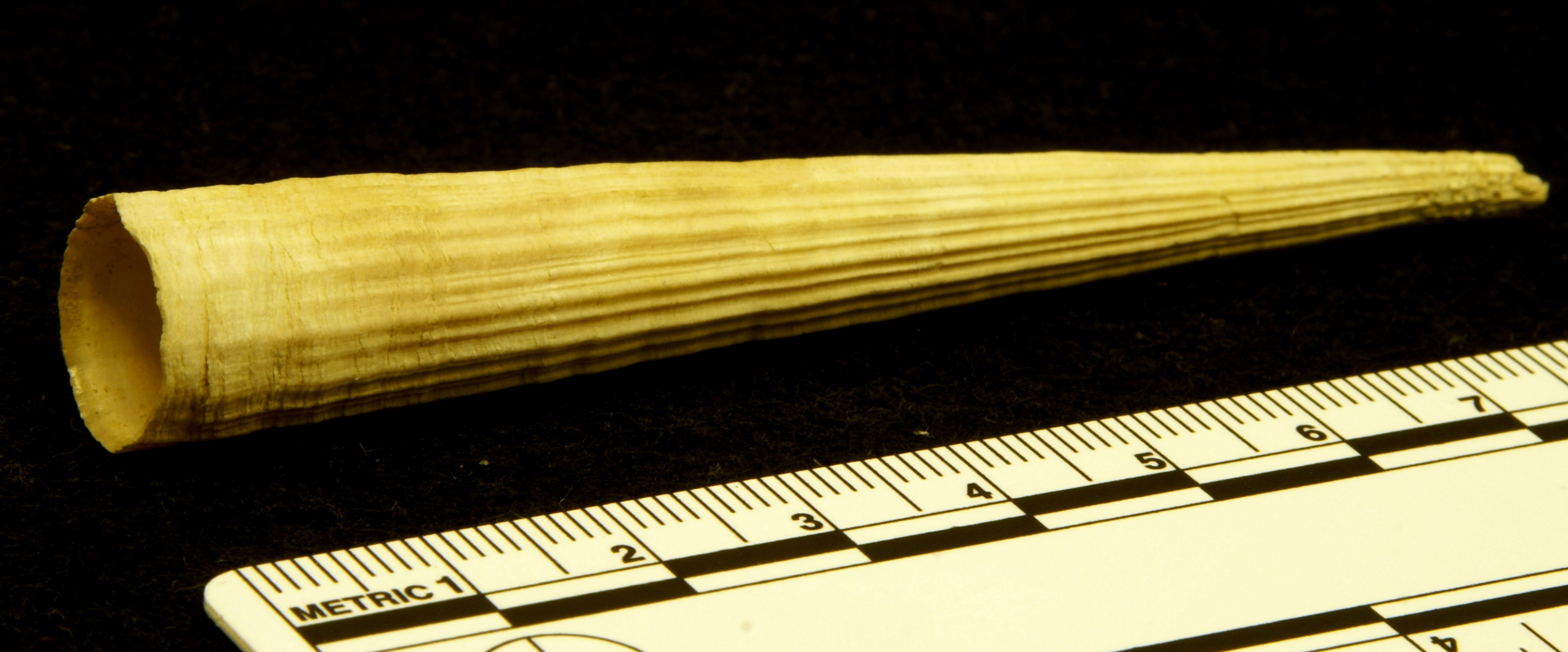
They look a bit bony, but they’re not bone. They look a bit toothy, but they’re not teeth. They look a scutey, but they’re not scutes. They are in fact from an animal that doesn’t have bones, teeth or scutes.

Denis Copilas, Matt king, henstridgesj, Barbara Powell and David all managed to spot that these are the hooks from a very large  Continue reading

Friday mystery object #130 answer

On Friday I gave you this specimen to identify:

I thought that some of you might find it a bit tricky, since this is a shell from a group of animals that aren’t that familiar to most people.

Barbara Powell was the first to spot what this shell came from and her identification was supported by Dave Godfrey, Julie Doyle and henstridgesj. It’s a   Continue reading

Friday mystery object #129 answer

On Friday I gave you this object to identify:

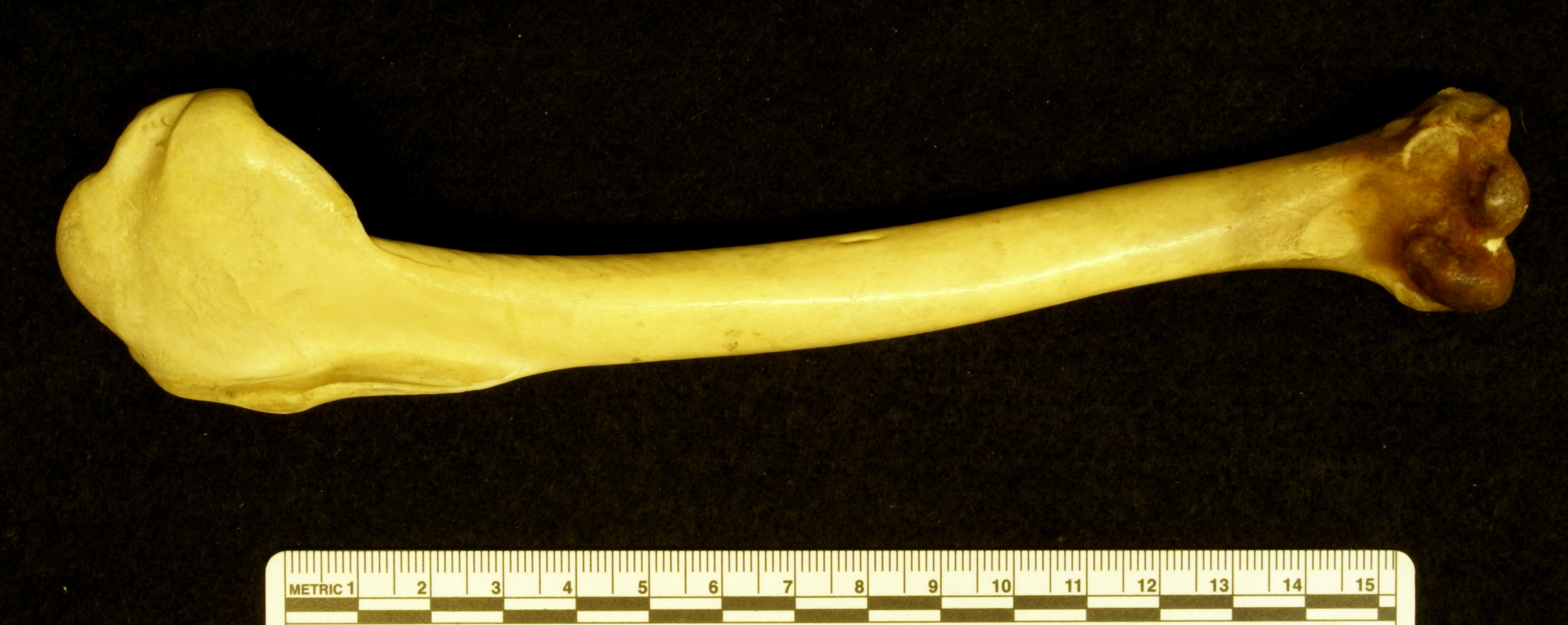
This type of bone can prove tricky to identify, and we often have queries about them on Ask A Biologist. With a large example like this one there will often be a suspicion that it comes from a human

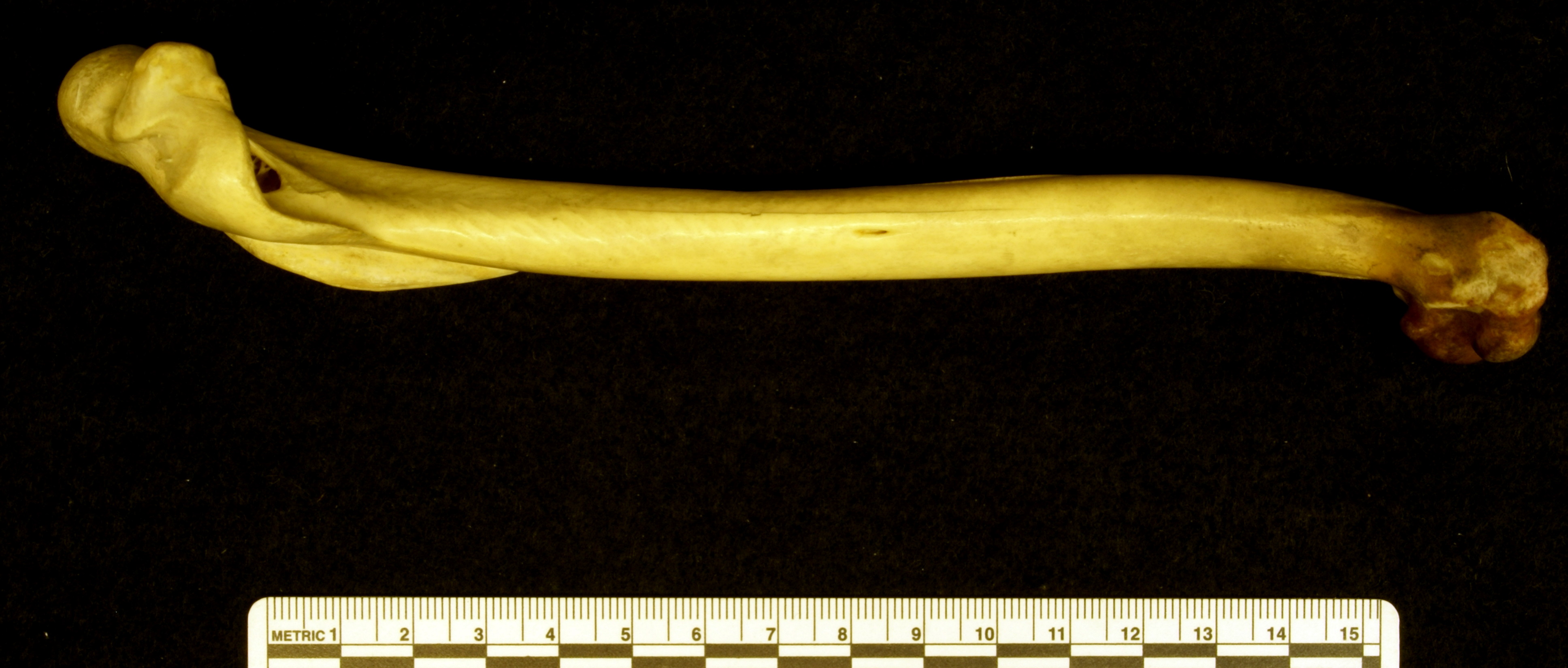
However, this is in fact the humerus of a bird – the large flange at the proximal end (the bit nearest the body) makes it hard to spot the rounded point where it articulates with the scapula, coracoid and furcula bones that make up the shoulder joint. The flange itself provides a large attachment area for the tendons and muscle needed to power and control flight.

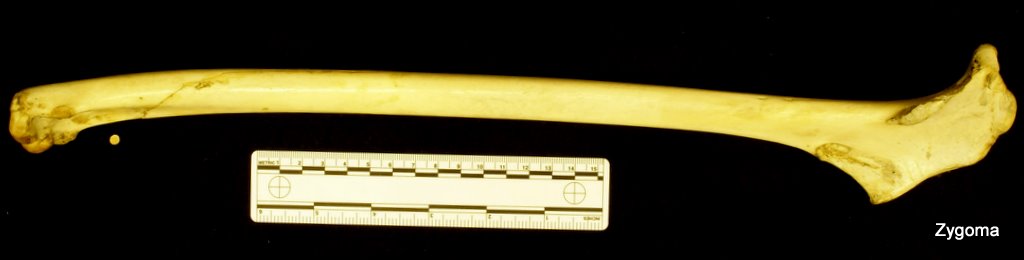
Here are some images of a (much smaller) goose humerus that show the general structure of the bone more clearly:

Once you’ve recognised the mystery object as the humerus of a bird, the length of about 45cm (17.7 inches) immediately narrows down the species it could come from.

Jack Ashby was the first to recognise what this humerus belonged to and he found support from Rachel, Carlos, Julie Doyle and initially Barbara Powell (although she later opted for another possibility). It’s the humerus of an   Continue reading

Friday mystery object #128 answer

Happy New Year!

On Friday I gave you this piece of an animal to identify:

As expected, you managed to work out what it is in fairly short order.

Jake recognised it as skin, Denis Copilas as scales and Rhea as carapace – all of which are right at least in part. Henstridgesj and Barbara Powell’s friend Alison spotted that the section of carapace came from a Cowfish or Boxfish. There wasn’t really enough information available to identify it any further than that.

Fortunately this specimen had a label associated with it, so I can tell you that the section of carapace is from the  Continue reading

Friday mystery object #127 answer

Apologies for a somewhat belated answer to last week’s mystery object – Christmas and all that…

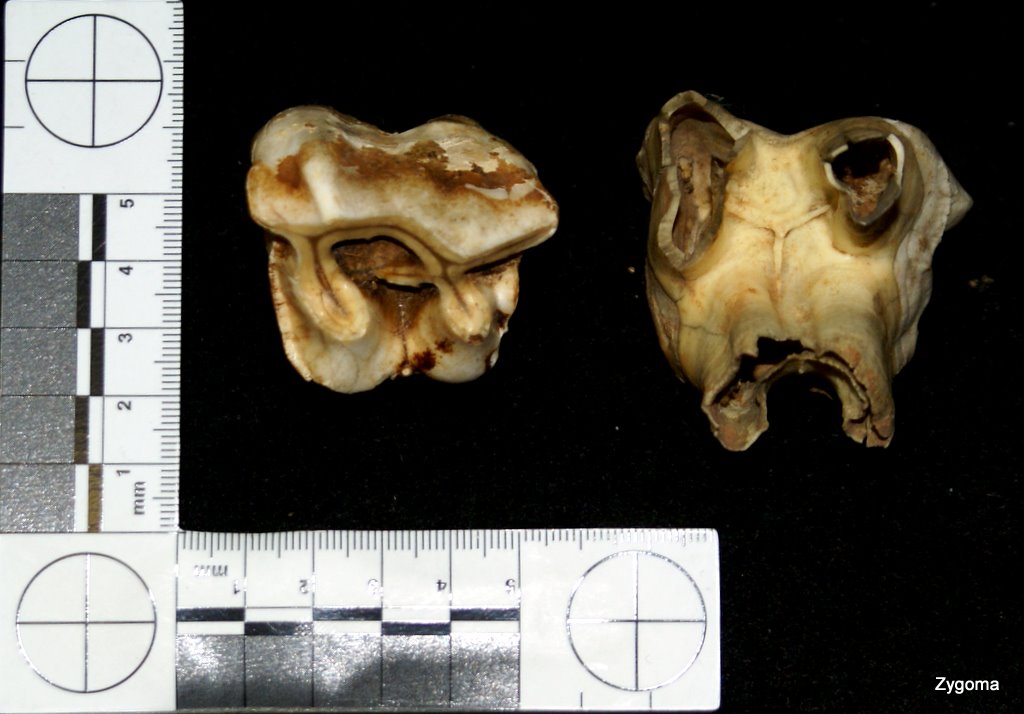
I gave you these two unidentified objects from the Horniman Museum collections, so you could have a go at identifying them:

I was not disappointed either – Jake recognised that they were upper molars or premolars from a grazing animal and Rhea identified the animal in this cryptic clue:

If the owner of these teeth could market and sell a coffee, would it be interested in a label with a *unicorn* mascot that comes in the sumatran or javan blends? Continue reading

Friday mystery object #126 answer

On Friday I gave you a bit of a tricky mystery object in the shape of this partial skull:

I wasn’t expecting anyone to get it without some clues, but I underestimated my talented audience!

Jake spotted that it was a mammal based on the ear morphology and then worked out what kind of animal based on clues from henstridgesj who suggested seal and Julie Doyle, who managed to not only identify the species, but drop this lovely cryptic clue to convey that information:

Not a lot to phocus on, but……. I’m harboring an idea about who it might be. Continue reading

Friday mystery object #125 answer

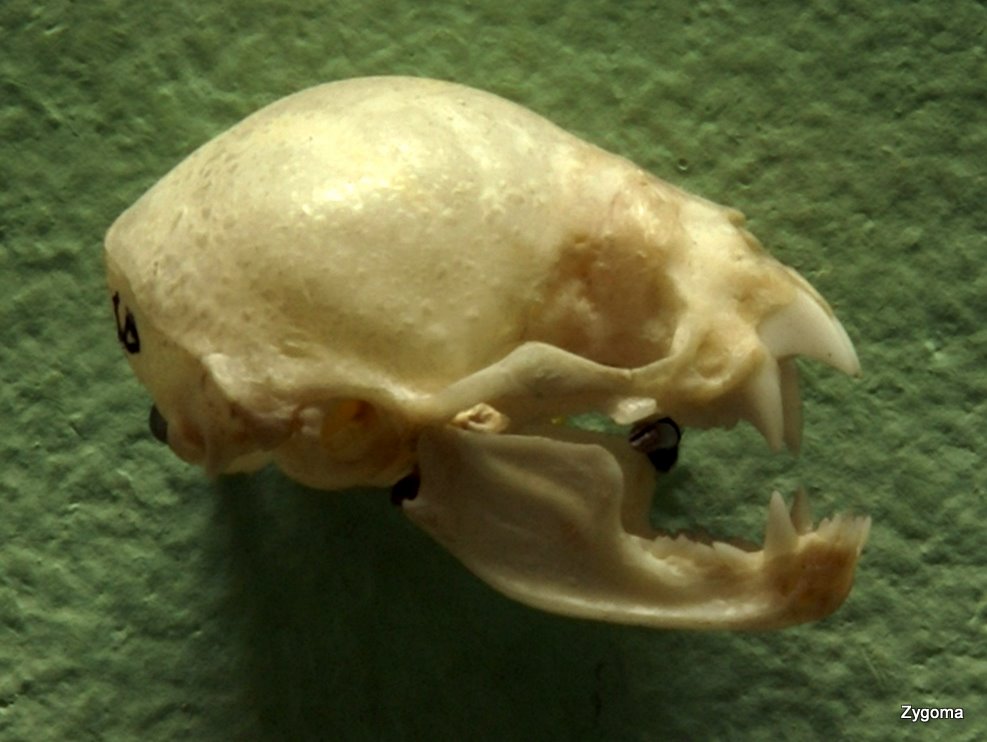
On Friday I gave you a bit of a tricky mystery object:

Jackashby spotted that the skull is from a bat and Rob Hinkley did a bit of research while on a trip to the Horniman and was able to identify what the specimen is labelled as. Apparently it’s a  Continue reading

Friday mystery object #123 answer

On Friday I gave you a genuine mystery object from the Horniman’s collections:

It had been highlighted as potentially being human in origin, but it’s very short, despite being fully fused (therefore from an adult) and the condyles (the bumps that make the top of the knee) are too similar in size – humans have a bigger condyle on the inside of the knee.

However, the general shape is quite similar to a human femur – the depth and orientation of the condyles and the groove between them is all wrong for a quadrupedal animal and the femoral head and neck (the articulation at the top that goes into the hip) are at an angle and shape similar to that seem in humans.

There were some great observations and suggestions and I was pleased that henstridgesj managed to get the same identification as I finally decided on, with Matt King making a very similar suggestion. I think it’s the femur of a  Continue reading

Friday mystery object #122 answer

On Friday I gave you this object to identify:

As I suspected, everyone spotted that this skull belonged to a member of the Cat family (the Felidae). However, cats are very conservative (as Julie Doyle pointed out) – their skulls all tend to look much the same, which made it hard to identify the species.

This skull is even trickier to identify than it might have been because it comes from a young animal, so it hasn’t reached the full size or development that you might expect from an adult.

Nonetheless, several of you suggested cats from the same genus and henstridgesj worked out that it was between two species. It is in fact the skull of a  Continue reading

Friday mystery object #121 answer

Apologies for the late posting and brevity of the FMO answer today, I’m not feeling at all well.

On Friday I gave you something a bit more ‘taxing’ than the previous week’s mystery object:

Some of you spotted the clue hidden in my statement and Bubba, Carlos, WillNeil, henstidgesj and Julie Doyle all implied or identified that this as the skull of Continue reading

Friday mystery object #120 answer

As promised, last Friday’s mystery object turned out to be easy:

The very first reply by Gerry gave the correct species and every subsequent suggestion was for the same animal.

With those huge razor-like incisors and canines what could this be other than a  Continue reading

Friday mystery object #119 answer

On Friday I gave you this object to identify:

I asked you what this is, what it’s for, how it works and where it’s from – no easy task based on the limited information available from the photo.

Nonetheless, through a process of group deduction you worked out that it’s a copper container that holds water and produces steam and it’s from Tibet. Pretty good going. The one thing that nobody got was the purpose of this object.

Continue reading

Friday mystery object #118 answer

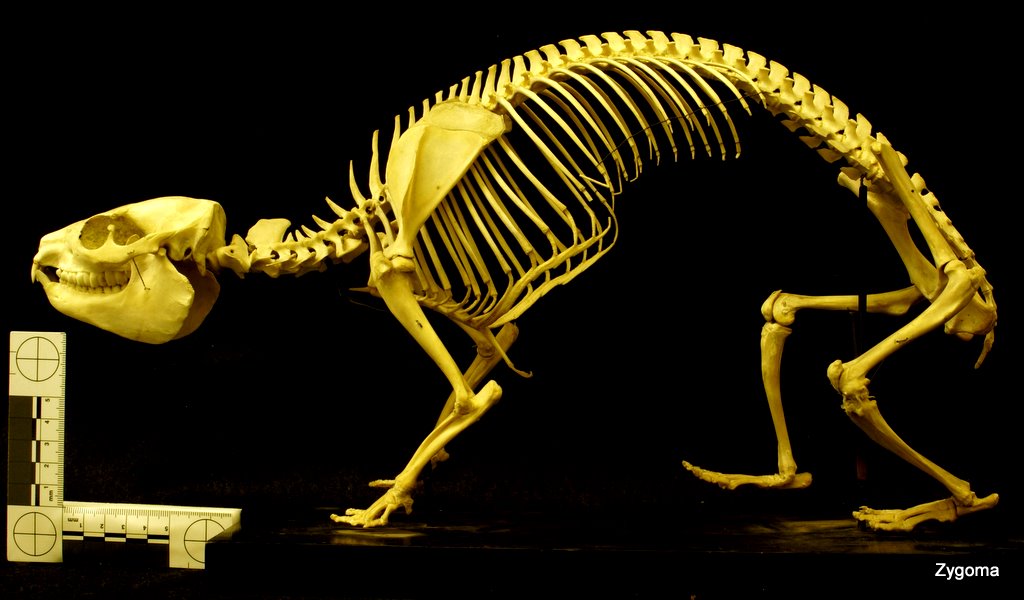
On Friday I gave you this complete skeleton to identify:

As I expected, you managed to identify it in no time, with excellent use of hints and clues to get the answer across without spoiling the fun.

John the Hutch was the first to get it right (and was in fact the first to respond) with Carlos, henstridgesj, JakeHenry Gee and Julie Doyle also recognising that this was the skeleton of a  Continue reading

Friday mystery object #116 answer

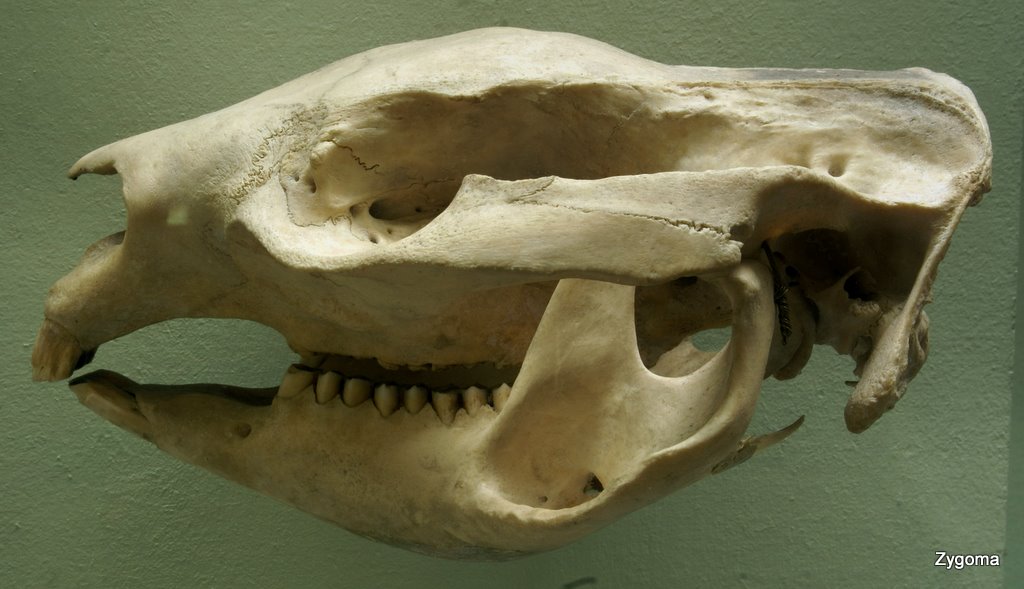
On Friday I gave you this skull to identify:

Jake spotted that this was a marsupial’s skull straight away and many of you suggested Kangaroo using a variety of crafty clues. There was also a well reasoned suggestion of Koala that fell just a little short.

Obenedo missed the correct answer by a hair(y nose) but got the right type of animal, as did jonpaulkaiser, Matt King, Jake and Cromercrox.

Neil managed to go that little bit further and get the right species –  Continue reading

Friday mystery object #113 answer

On Friday I gave you this object to identify:

Rather unusually no-one managed to identify it. It’s not native to the UK and looks similar to quite a large variety of other species, because it’s a member of the Passeriformes (the perching birds), which is a hugely diverse and numerous group of birds. These factors make identifying the bird tricky, but without the plumage there to provide clues it was a very difficult task.

The plumage would have been a big help here, since the name of this bird is taken largely from a description of the plumage.

As you can probably work out from the photo above, it’s a Long-tailed Glossy Starling Lamprotornis caudatus (Statius Muller, 1776).

These tropical African birds are similar in diet and habits to the European Starling that we see more commonly – they just look a lot prettier.


Friday mystery object #111 answer

On Friday I gave you this object (from the NHM) to identify:

It was a bit of a tricky one for those of you who haven’t seen the First Time Out exhibition (jackashby and David Godfrey obviously did see it). This fossil skull looks like it belonged to some kind of pig rather than a primate – yes, that’s right, I said primate.

The main feature visible here that indicates that this skull may belong to a primate is the enclosed orbit, which isn’t a particularly strong characteristic since various ungulates also have an enclosed orbit – as I said, it’s a tricky one.

The type of primate is the Koala Lemur Megaladapis edwardsi Forsyth Major, 1894 from Madagascar. It was an arboreal, slow moving, gorilla-sized folivore – with superficial similarities to Koalas (hence the name). It is hypothesised that the extended bony nasal region may have supported a prehensile top lip, that would have been beneficial when foraging for leaves in the trees.

I won’t go into much detail here, because other curators have provided their interpretation for this object as part of the First Time Out project, so I will leave you with a link to that information. However, I would be interested in taking a closer look at the dentition and complete skeleton of one of these animals – I’d like to get a better grip on this apparent convergence on a suid cranial morphology and more gorilla-like body. I wonder what it might have looked like?

Gamorrean Guards by Dextar FX

Friday mystery object #110 answer

On Friday I gave you these objects to identify:

Apart from their superficial similarity to chocolate pralines or denuded molluscs several of you managed to identify that these are in fact teeth.

In particular Dave Godfrey, David and Styracosaurus Rider pwned this object with a definitive genus identification of   Continue reading

Friday mystery object #109 answer

It seems that Friday’s mystery object led you on a merry chase.


Not a Crab-eating Raccoon!

This skull clearly perplexed everyone, given the number of suggestions and guesses that were made. Representatives of pretty much every major carnivore family were suggested.

Peter Harrison was the first to suggest a species from the right genus on the label (the slightly stuck-up looking nasals are can be a good clue that you’re looking at a procyonid) and Styracosaurus Rider made a good observation about the dentition. Eventually the correct answer on the label came from henstridgesj, backed up by Rachel, Styracosaurus Rider and David – it’s allegedly a Continue reading

Friday mystery object #108 answer

On Friday I gave you this chunky object to identify:

It proved more of a challenge than I expected and I think that may be because I included a scale bar. Normally it’s the other way round – the scale bar helps rule out options based on size, but on this occasion it seems to have thrown a spanner in the works.

Clare P came close when she suggested a Pygmy Hippo and Jack Ashby, Matt King (sort of) and Styracosaurus Rider backed up that identification, but henstridgesj came closest with the suggestion of ‘Embryonic Hippo’.

This is actually the right front leg of a juvenile Continue reading