Friday mystery object #89 answer

On Friday I gave you this archaeological mystery object from Surrey to identify:

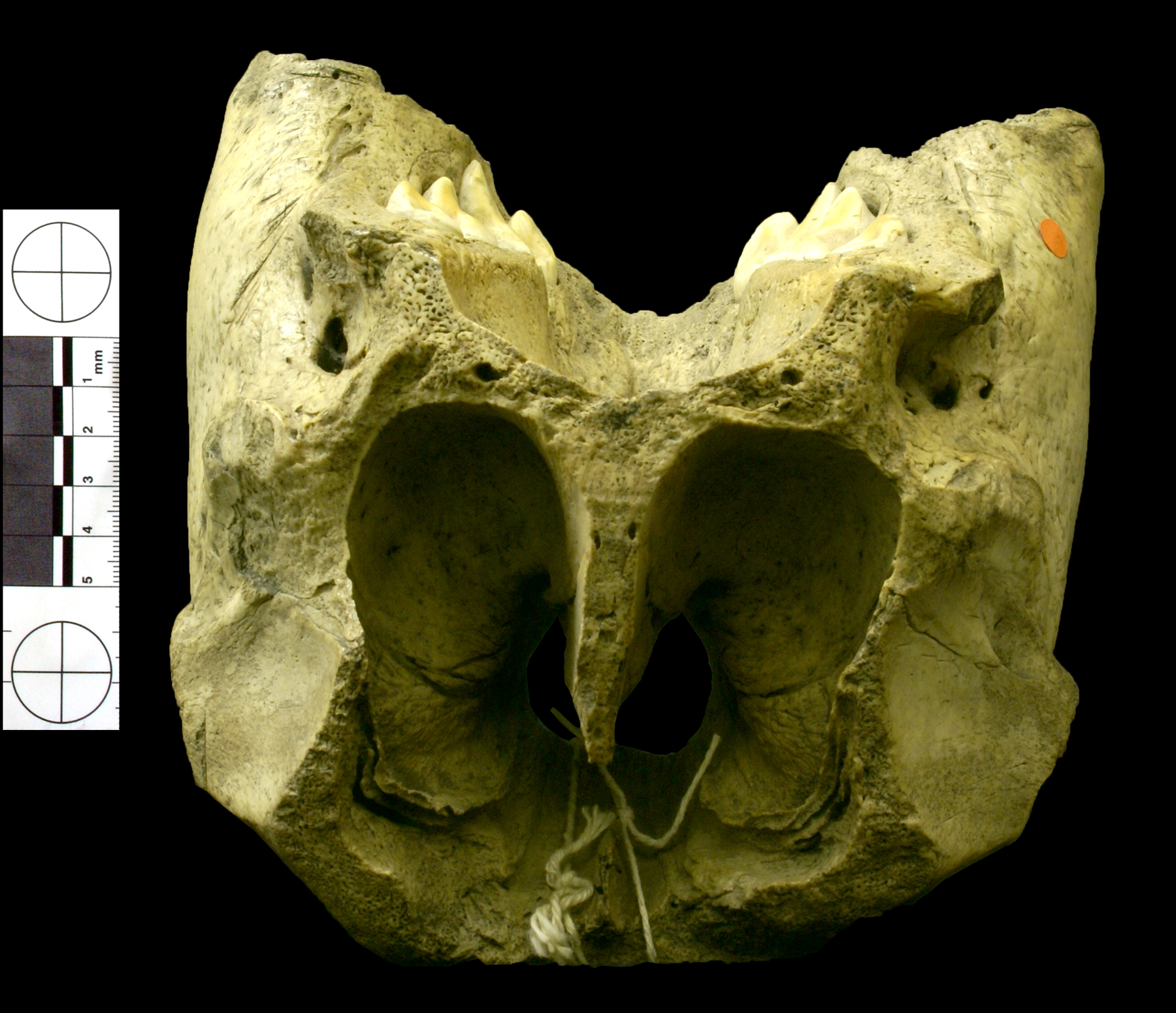
Jake immediately spotted that it was the mandible of a carnivore and ruled out a Cat because the teeth were wrong. General consensus leaned towards this being from a mustelid of some kind – which David Craven confirmed with the correct identification of   Continue reading

Noisy neighbours

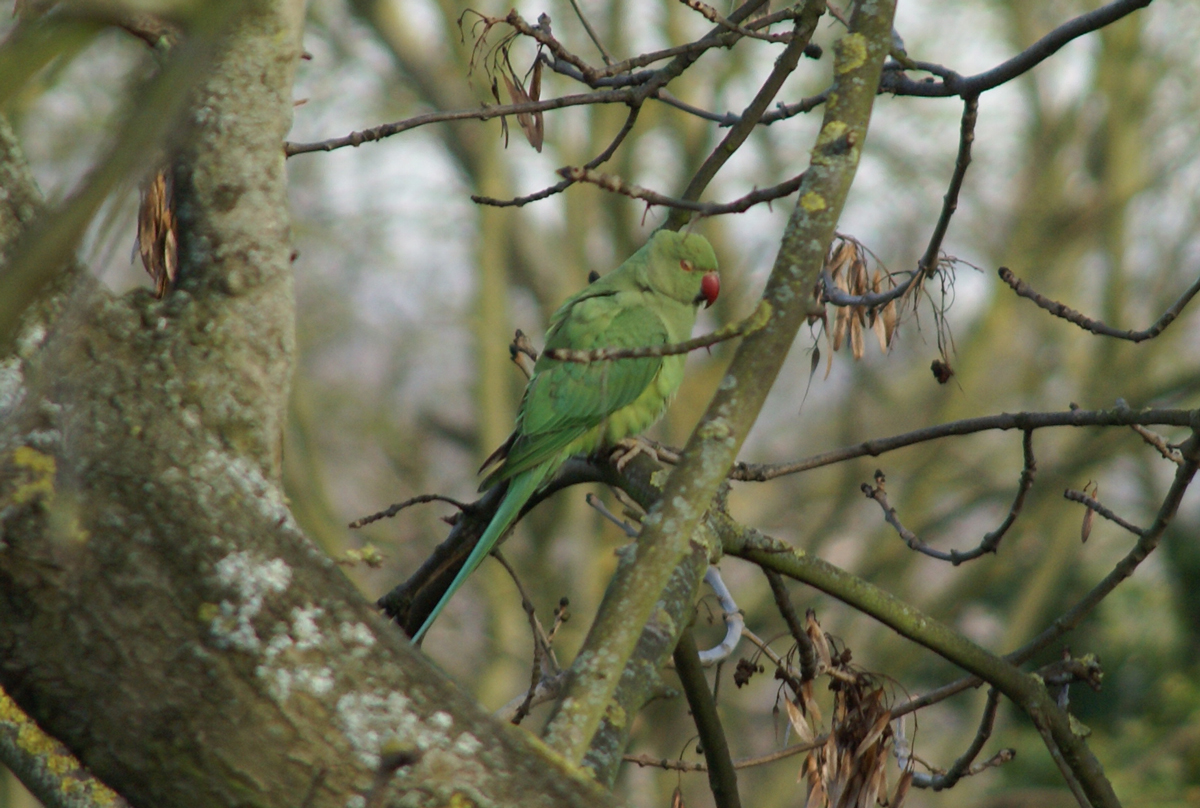
I just thought I’d mention my new noisy neighbours at work – a couple of Ring-necked parakeets have set up a nest in an old Greater-spotted woodpecker hole next to my office:

Parakeet nest hole

The squawking is loud and frequent, but it’s novel having these colourful birds just a few metres away!


One of the new neighbours

Friday mystery object #89

This week I’m going to give you something to identify from an archaeological excavation near Coulsdon in Surrey. It was associated with human remains and some clay pipes that suggest an approximate date between 1600-1850AD. Any idea what this section of mandible belonged to?

After getting the scale wrong last week I have made sure that there are scale bars in the image this time!

As usual you can put your questions, observations and suggestions in the comments section below and I’ll do my best to respond. Good luck!

Friday mystery object #88 answer

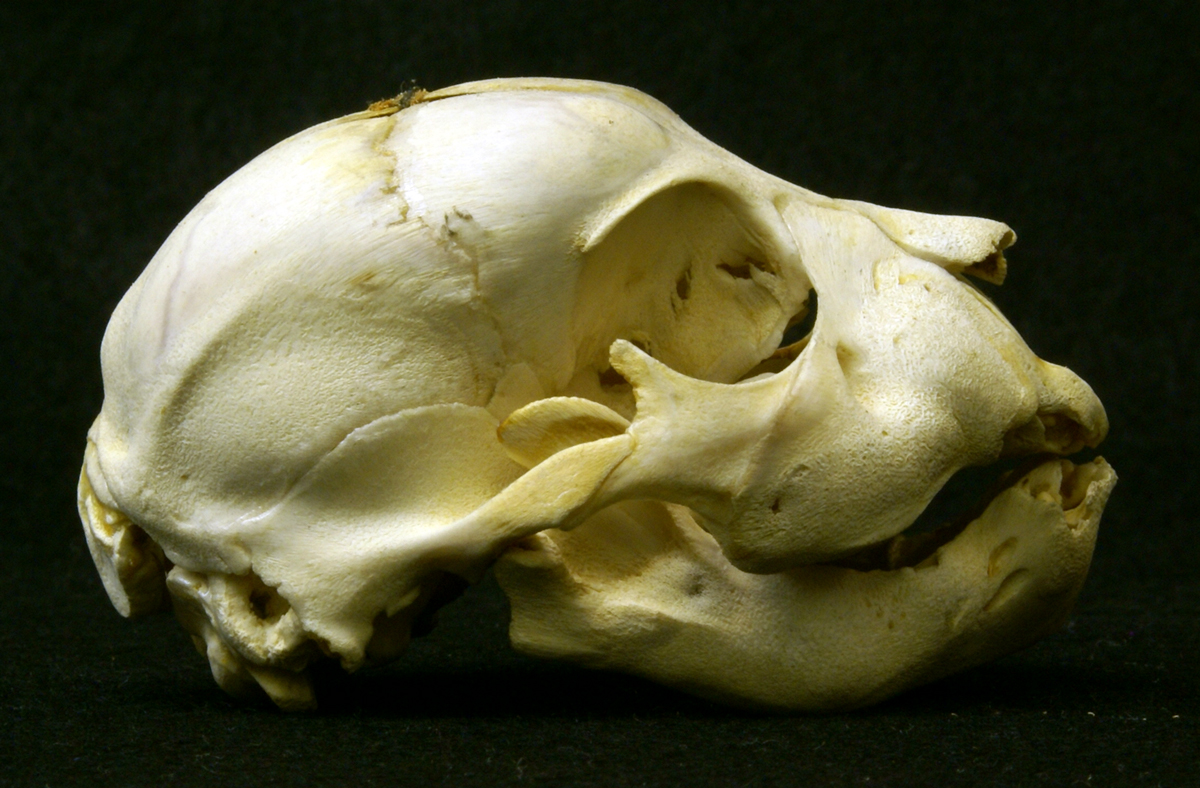
I’d like to begin by apologising for providing misleading information about Friday’s mystery object – I omitted a scale bar and then described the skull as being 4cm long. It goes to show how even a small amount of time can addle one’s memory, since this skull is in fact 7cm long:

I thought it would prove an easy one to identify, since it’s from a very well known species that I have talked about before – but the identification was made more difficult because it is a very young individual. This fact is clear from the lack of fusion of the bones and the lack of teeth. CopilasDenis and David Craven both spotted this and they also picked up on the fact that this skull is from a carnivore – as did ObenedO.

As to what species this skull comes from, no-one really came very close. In fact I was surprised when Jake said:

It doesn’t look catty or doggy or sheepy or deery.

since this is actually the skull of a Continue reading

Friday mystery object #87 answer

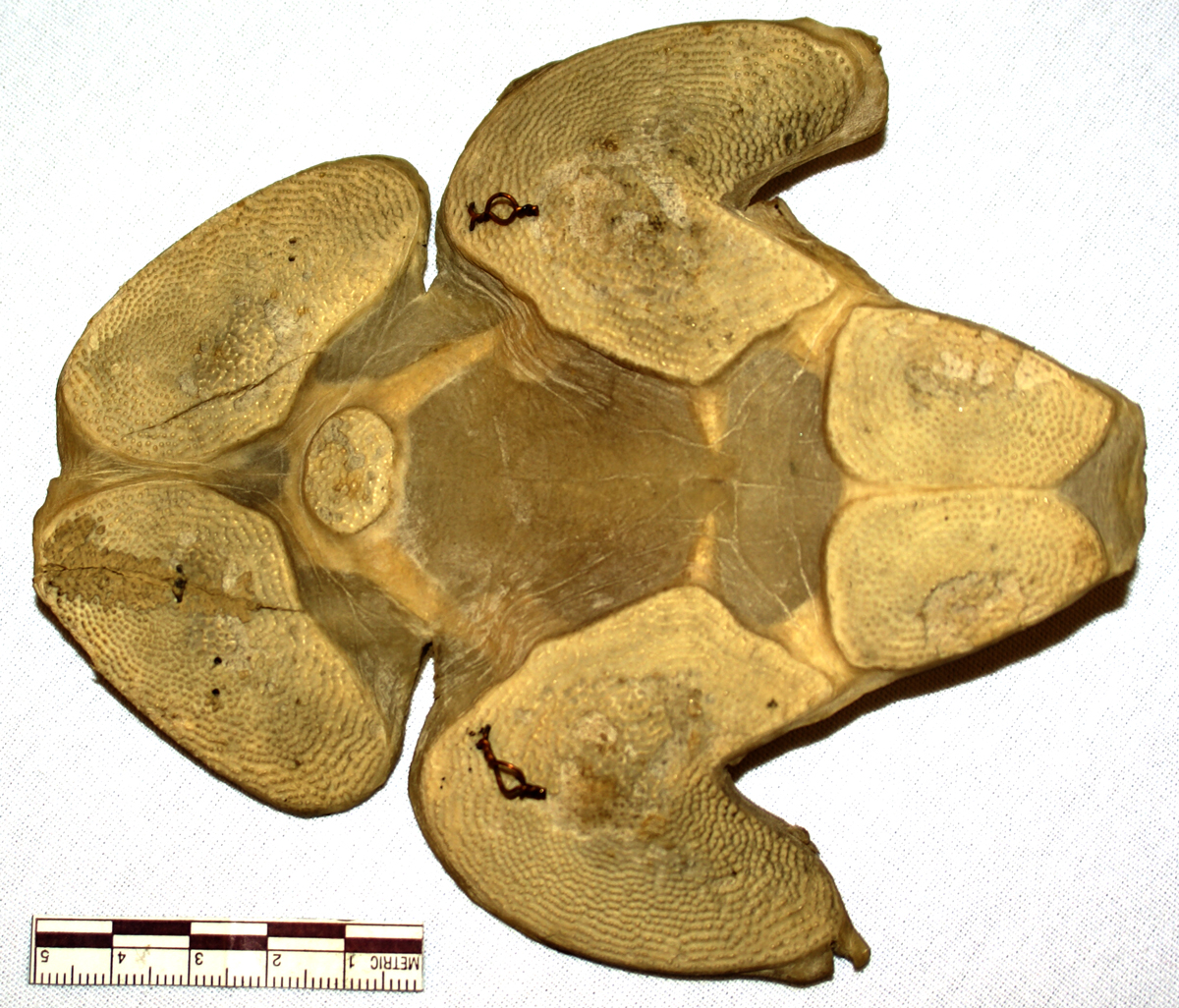
On Friday the mystery object was provided by Mark Carnall, the curator of the newly reopened Grant Museum of Zoology:

It’s not been an easy one to work out – I thought it was part of a fish skull when I first saw it and comments have ranged from a squashed frog to Yoda’s foot.

The closest suggestions came from Jamie Revell, Steven D. Garber, PhD and Helen (sort of…), this is the  Continue reading

Friday mystery object #87

This Friday we have a guest mystery object from the newly reopened (and rather fantastic) Grant Museum of Zoology:

I got this one wrong when I first saw it – I hope you manage to do better!

I’ll do my best to give clues and answers to questions during the day, but hopefully Mark and Jack from the Grant will be able to provide some guidance as well. More about the awesome new Grant Museum on Monday with the answer. Good luck!

Friday mystery object #86 answer

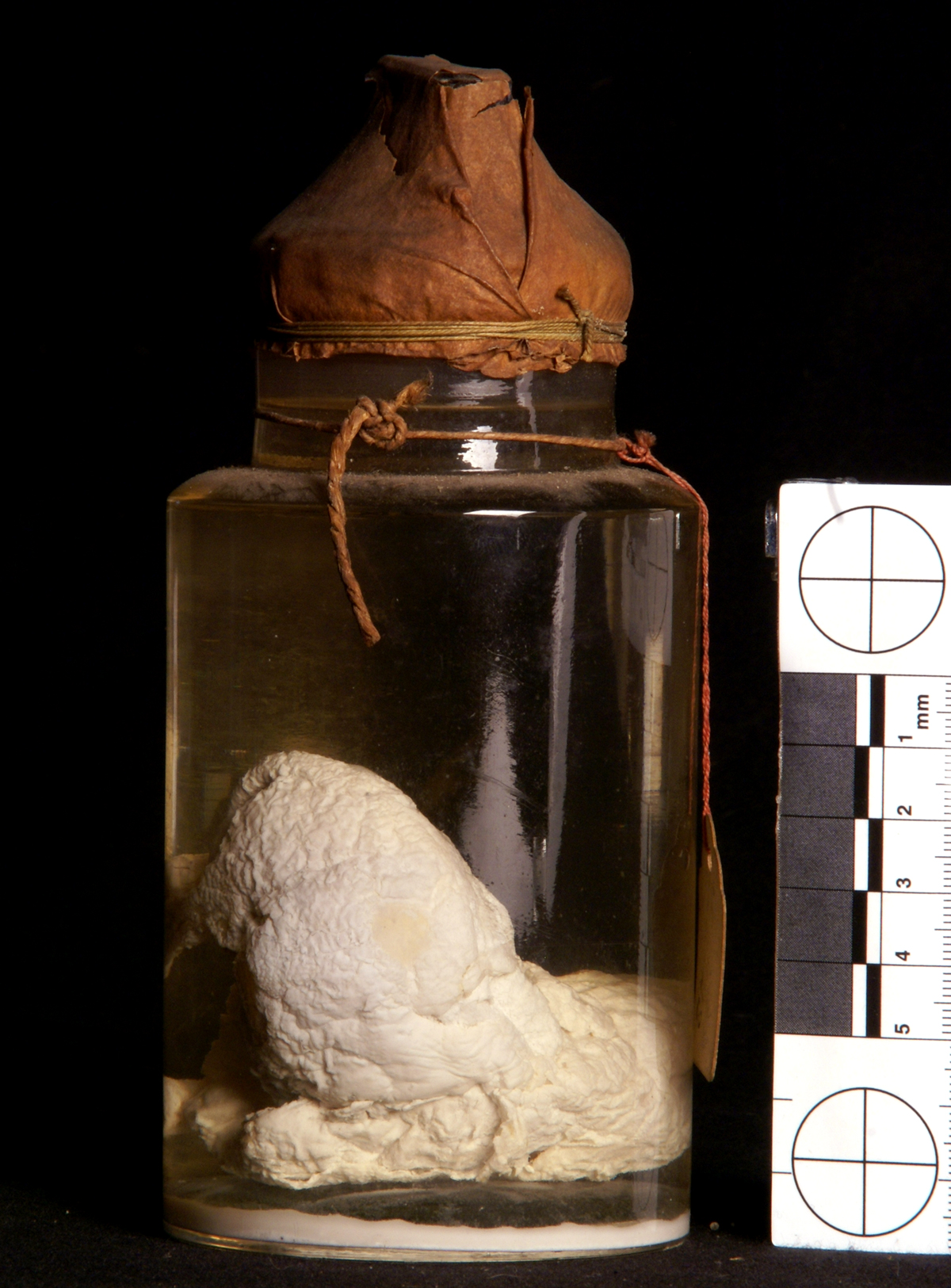
On Friday I gave you this fluid preserved specimen to identify:

I probably made this one a bit harder than I could have, by not giving you a photo from the other side, but then that would have made it too easy:

It seems that Neil was the only person who may have correctly identified this specimen, as hinted in this comment:

Knowing it’s an embryo give me some idea (possibly incorrect) of the orientation: tail and hind-limbs at top, trunk, then forelimbs at lower left and the head, unhelpfully facing away from us, at lower right. It would then appear to be a quadrapedal tetrapod, probably (?) a mammal. Based on the apparent shape of the feet and possibly the hint of an ear I’m going to say …

This is of course assuming that Neil deliberately chose the word ‘trunk’ to indicate that he had worked out that this is the embryo of an  Continue reading

Friday mystery object #86

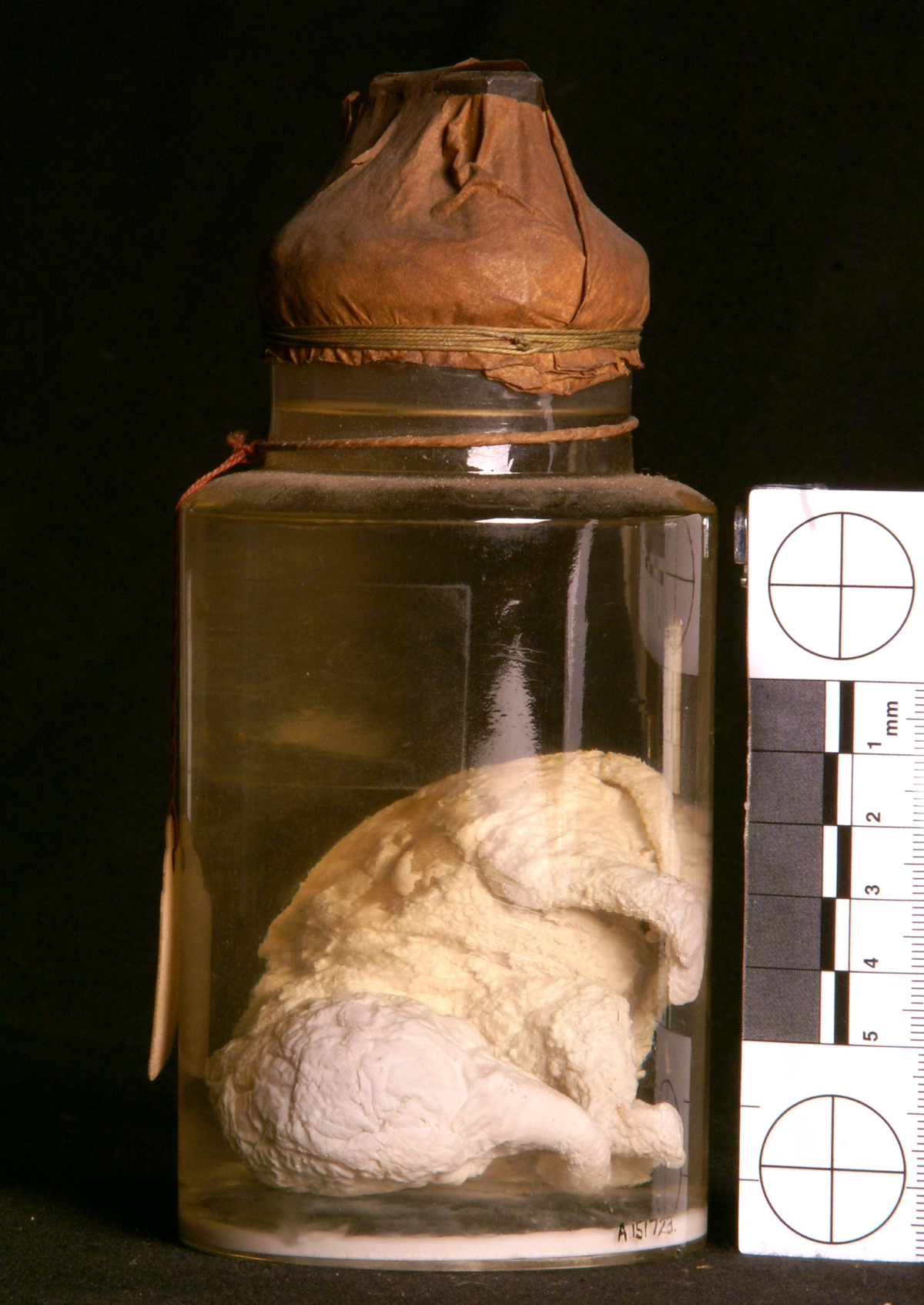
This week I thought it would be nice to give you a bit of a break from the usual skulls, so this week I have a fluid preserved specimen for you to identify:

It may just look like a small white blob, but it’s my favourite small white blob ever. Can you work out what it is?

As usual you can put your observations, comments and suggestions below and I’ll do my best to respond. Good luck!

Friday mystery object #85 answer

On Friday I was at the Natural Science Collections Association conference in Newcastle, which was a very enjoyable couple of days spent with other natural scientists discussing issues relating to natural history collections. The downside was that I wasn’t really able to respond to comments particularly well.

However, it turns out that you didn’t really need my input, since there were some great clues by other commentators, that helped with the identification of this object:

Jake spotted that it was the nasal cavities and teeth (the premaxilla and part of the maxilla) of a marine mammal and Jonpaulkaiser identified that it belonged to a  Continue reading

Friday mystery object #85

This Friday I’m at a conference in sunny Newcastle, so I might not get to answer questions on this post until a bit later in the day, but I have a feeling you won’t need my help on this one! Any idea what this object from the Horniman collection might be?

Please do feel free to ask questions and make suggestions below – I will do my very best to respond. Good luck!

Friday mystery object #84 answer

On Friday I gave you this piece of skull to identify:

It was in the Horniman collections with no identification beyond a pencil note saying ‘Monkey?’, but that seemed to be a  bit of an odd suggestion, since primates have very rounded braincases – even the longer skulled ones like baboons. I think the person who made the tentative identification had got the section the wrong way round – thinking that the nuchal crest was a part of a brow-ridge or something – a mistake that Jake certainly didn’t make. They also missed what several of you spotted – the rugose (sort of wrinkly) structure that supported the olfactory epithelium (the inner back part of the nose where the receptors for smell are located).

What most of you did miss however, was the lack of fusion of the cranial sutures, which indicates that this was from a juvenile animal. As a result it is smaller and has far less well-developed muscle scars than an adult animal would have. A faint muscle scar can be seen converging on what looks like the beginnings of a sagittal crest (as pointed out by Manabu Sakamoto), so it seems reasonable to guess that the adult animal would have a reasonably well developed crest on the top of the braincase.

Eventually Neil dropped a couple of hints that showed he knew what it was and David Craven and KateKatV also suggested that they knew that it was part of the braincase of a juvenile  Continue reading

Friday mystery object #84

This week I have a really tough one for you. It’s a specimen I found in our collections with a tentative identification that I was unconvinced by. I followed my instincts and they led me not only to a more accurate identification, but also to the rest of the specimen, from which it had been separated before they even arrived at the Horniman. Can you work out what it is?

Please feel free to ask questions and make observations or suggestions in the comments section below and I’ll do my best to respond. Good luck!

Friday mystery object #83 answer

I apologise in advance for providing a slightly short answer to this week’s mystery object – I found myself a bit strapped for time between responding to Intelligent Design types trolling my blog here and at Scientopia, writing a talk for Skeptics In the Pub tomorrow evening and trying to sort out my laptop power lead after it broke (now fixed thanks to the helpful staff at Maplins who gave me the parts I needed to make repairs).

On Friday I gave you this object to identify, thinking that it might be a fun challenge:

As it turns out it seems to have been a good one, since most of you managed to work out what it’s from. There were some great hints dropped and I think that the comments proved to be a useful resource for those who weren’t sure, but they didn’t detract too much from the fun of working it out. Thanks to everyone for being awesome!

The first to correctly identify both the type of bone and the species it came from was Cromercrox, who gave a great rationale for his suggestion: Continue reading

Evolving Ideas and Intelligent Design

Well, it seems that my earlier post on Darwin has ruffled some feathers in the Intelligent Design (ID) camp, so they’ve been trolling the comments section on my personal blog. This post started out as a response, but I decided to expand it to include some of the context surrounding Darwin’s work.

A comment by VMartin

…One wonders why no one noticed “natural selection” before. And there were ingenous minds in the history! One answer might be this – it was never observed because it doesn’t exist. Darwin implanted this speculation there. And “On the origin of species” reads sometimes like comedy. One should try to count how many times Darwin used words like “which seems to me extremely perplexing” etc….

One reason why some scientific theories have been slow to come to light

One reason why some scientific theories may have been slow to come to light

It’s interesting how ‘simple’ natural mechanisms and systems can take longer to be acknowledged than one might have thought. Heliocentrism is another example of something that now seems very obvious, but was historically slow to be recognised (and is still not recognised or not known about by some). It’s easy to blame organised religion for the suppression of such observational truths about the universe, since challenges to traditional belief were seen as heresy and dealt with accordingly, but there’s far more to it than that.

Let’s set the scene – Darwin’s formative years were tumultuous with regard to sociopolitical events. The Napoleonic wars drew to an end with the Battle of Waterloo when Darwin was six years old, the Peterloo Massacre occurred and the Six Acts were drawn up by the Tories to suppress radical reformers when he was ten – reflecting the ongoing social division between the establishment and the public. When Darwin was in his twenties the power of the strongly traditional British establishment finally began to wane, when the Whigs came to government allowing the 1832 Reform Act and the 1833 Slavery Abolition Act to be passed. There was also the devastating Great Famine in Ireland when Darwin was in his thirties and all of this was set against a background of the Industrial Revolution, which was providing the impetus for science to play an increasingly important role in society.

Peterloo Massacre

This meant that Darwin’s work was by no means formulated in intellectual isolation. Theories of evolution had been proposed 2,400 years previously, but they were poorly developed. Natural philosophers like Darwin’s own grandfather Erasmus and Jean-Baptiste Lamarck raised the issue of evolution at around the time of Darwin’s birth, but the mechanisms for evolution were either ignored or flawed. Evolution was an established topic of discussion and publication by the time Charles Darwin came onto the scene, with people like Robert Grant being more radical on the subject than Darwin found palatable in his early manhood. Despite this interest, the mechanism of evolution remained elusive – perhaps unsurprisingly, since the academic community addressing natural sciences was largely composed of members of the clergy and the natural theology of the time was seen as being mechanism enough.

But a literature base that was to inspire non-traditional hypotheses was also developing at the time – Vestiges of the Natural History of Creation in particular offered an alternative view that was seen as too radical by many – clearing a path for subsequent works that challenged orthodox views.  Given this context, it is perhaps unsurprising that Darwin and Alfred Russell Wallace converged on the same premise at the same time. In short, the ideas evolved to fit the intellectual and social environment. The same has been true of other discoveries and inventions where there was a requirement for the right intellectual groundwork to be laid in advance. This groundwork is required before a robust theory can take root – and Natural Selection is a component of the robust theory of Descent with modification.

Intelligent Design

The Intelligent Design agenda

The critiques I have seen of evolutionary theory  have come from people who quite clearly don’t understand it – and such critiques tend to rely on statements of incredulity rather than a strong factual base. No well-supported alternative hypotheses have been constructed or presented and a lack of understanding hardly counts as a robust refutation of a well supported theory.

An accusation by IDers is that ‘Darwinists’ (N.B. I don’t know anyone who would call themselves a Darwinists following the New Synthesis) stick with Natural Selection because they are atheist. I think I see the real agenda emerging here, particularly when you see evolution as a theory being conflated with just one of the mechanisms involved. After all, Natural Selection is not the only mechanism involved in evolutionary adaptation and speciation – there are also other factors like hybridisation, horizontal gene transfergenetic drift, perhaps some epigenetic influences and artefacts of EvoDevo processes. But these factors are still constrained by the simple fact that if they are selected against, they will not be perpetuated.

John A. Davison left this comment on a previous post:

Natural selection is a powerful force in nature. It has but one function which is to prevent change. That is why every chickadee looks like every other chickadee and sounds like every other chickadee – chickadee-dee- dee, chickadee-dee-dee. Sooner or later natural selection has always failed leading to the extinction of nearly all early forms of life. They were replaced by other more prefected forms over the millions of years that creative evolution ws in progress…

Salamander ring species (picture from Thelander, 1994)

Salamander ring species

First and foremost, the suggestion that Natural Selection prevents change is erroneous – change will occur if there is a change in the environment and/or if beneficial mutations arise in a population (tell me that mutations don’t happen – I dare you…). The obvious response to the next statement is that I can think of six different ‘chickadee’ species, with an additional three subspecies (and this is ignoring numerous other very similar members of the Paridae), all are similar, but all are different – so the statement makes no sense as it stands. Getting to the meat of what is being implied about the Creationist interpretation of species, another bird provides a good example to the contrary. The Greenish Warbler shows a distinct pattern of hybridising subspecies across their vast range, until they form reproductively isolated species at the extreme ends of their range, where they happen to overlap yet not hybridise (a classic ring species [pdf of Greenish Warbler paper]). This is a well-known example of how genetic variation can accrue and give rise to new species without any supernatural intercession.

Another comment by VMartin

…But no wonder that Darwin considered “natural selection” for such a complicated force. Even nowadays Dawkins speculates that NS operates on genes, whereas E.O.Wilson has brushed up “group selection” recently (citing of course Darwin as debeatur est .

So may we “uncredulous” ask on which level “natural selection” operates?

As to this question about the level on which Natural Selection operates, I thought the answer was pretty obvious – it operates at every level. Change the focus of Natural Selection from passing on genes to the only alternative outcome – the inability to pass on genes. It doesn’t really matter which level this occurs at or why – be it a reduction in reproductive success when not in a group, or a deleterious single point mutation – if it happens then Natural Selection can be said to have occurred. Being ‘fit’ simply means that an organism has not been selected against.

There’s a lot more to modern evolutionary thought than Darwin’s key early contribution, but Darwin is still respected because he was the first to provide a viable mechanism by which evolution is driven. This mechanism has helped make sense of an awful lot of observations that were previously unaccounted for and, moreover, evolution has been observed and documented on numerous occasions [here’s a pdf summary of some good examples].

I fail to see why Intelligent Design has been taken seriously by some people – it relies on huge assumptions about supernatural interference (so it fails to be a science) and I have as yet never seen a single piece of evidence that actually supports ID claims. The only research I have seen mentioned by proponents of ID are old, cherry-picked studies that report a null result from an evolutionary study – this is not the same thing as support for ID, as anyone who can spot the logical fallacies of false dichotomy and Non sequitur (in particular the fallacy of denying a conjunct) will tell you.

Intelligent design as a scientific idea

Intelligent design as a scientific idea

I like to keep an open mind, but as soon as I see logical fallacies being wheeled out I lose interest in getting involved in the discussion. This may be a failing on my part, because I should probably challenge misinformation, but quite frankly I don’t have the time or the patience – much as I hate to stoop to an ad hominem, my feelings on this are best summed up by the paraphrase:

when you argue with the ID lot, the best outcome you can hope for is to win an argument with the ID lot

and my time is far too precious to waste arguing with people who ignore the arguments of others and construct Straw man arguments based on cherry-picked and deliberately misrepresented information. I have no problem with other people believing in a god, but please don’t try to bring any god into science (and heaven-forbid the classroom) – since it is neither necessary nor appropriate.

Friday mystery object #83

This Friday I’ve decided to give you a challenge in the form of one of my favourite interesting animal bits. This mystery object is one that a few people in the know will identify immediately, because it is so distinctive, but anyone who hasn’t seen one before is likely to struggle a bit.

Do you have any idea what type of bone this is and which species it came from? (N.B. it’s the same bone photographed from different sides.)

For those few that are in the know perhaps you could drop hints rather than blurting out the answer and for the rest of you, please feel free to ask for clues – I will do my best to offer guidance throughout the day.

Good luck!

Friday mystery object #82 answer

Apologies for the late posting of this answer – I was travelling back from Ireland yesterday and didn’t manage to get this post anywhere near as complete as I was hoping.

On Friday I gave you this mystery object to identify:

Pretty much everyone recognised it as being the skull of a dog or dog-like animal, but the large size of this skull (27cm long) caused some confusion. Quite a variety of breeds were suggested, but Rachel, Jamie Revell and Jake all ended up going for it being a   Continue reading

Greetings Scientopians and Happy Birthday Charles Darwin

I’m going to be at Scientopia as a guest blogger for the next couple of weeks, so I hope you enjoy my scribblings about my interests and my work as a scientist in a cultural institution – an incongruous but rewarding experience.

The Friday Mystery Object will continue as usual and I will mirror much of the content here. My first post is just a brief introduction and a belated ‘Happy two hundred and second Birthday’ to Charles Darwin for yesterday – check it out here.


Friday mystery object #82

This Friday I’m going for a mystery object that I’m sure you will all identify to species without any problem – it’s pretty big and pretty distinctive. Hopefully this object will give me a chance to write an interesting answer on Monday, so I can use it as a stand-alone post for a guest blogging spot I’m doing for Scientopia for a couple of weeks starting on Sunday. I’m intending to use this guest-spot to get myself motivated to tackle the various posts I’ve been wanting to cover for some time now.

Unfortunately, I’ve managed to time this slot quite badly, since I also need to prepare for a SITP talk that I’m giving on Monday 21st Feb and a Cafe Scientifique on the evening of Thurday 24th Feb (if you missed the last one, here’s the write-up). It’s going to be a busy couple of weeks…

On to the reason you came here – the Friday mystery object:

Any idea what this is?

As usual you can put your suggestions, comments and questions below and I’ll do my best to offer guidance. Good luck!

Friday mystery object #81 answer

On Friday I gave you this object to identify:

I thought it would prove quite straightforward for my astute audience and I was not disappointed. As usual Jake was the first to comment and he was spot on when he said:

I think it is some sort of big bird, it’s the braincase and […] the ear

The big bird Jake suggested was an Emu, which was slightly off as was CopilasDenis‘ suggestion of Cassowary and Cromercrox‘ suggestion of Rhea (although they all correctly spotted that this piece of skull was from a ratite). But Dave Godfrey finally picked the last remaining living ratite and the correct answer when he suggested it was  Continue reading