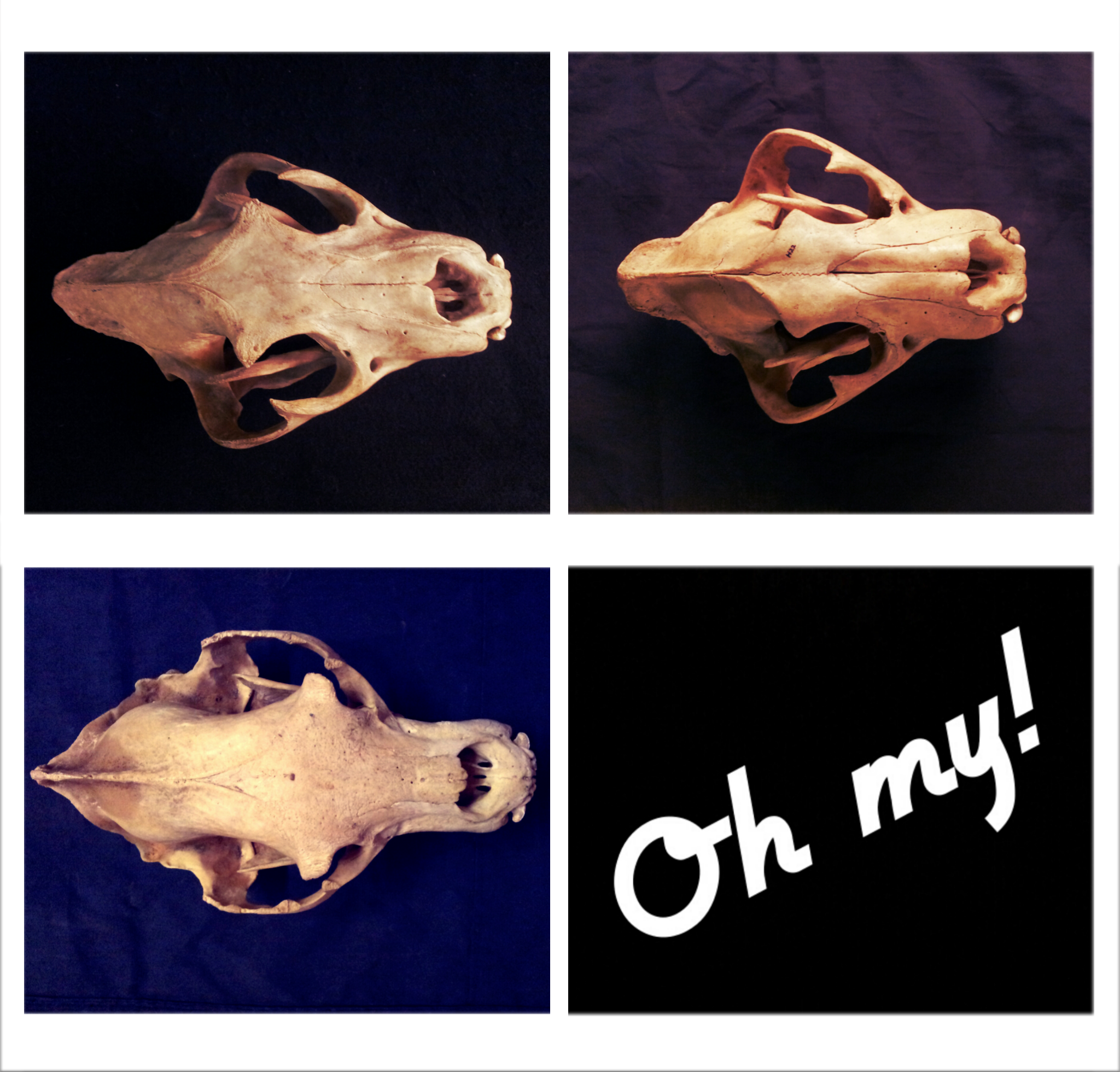
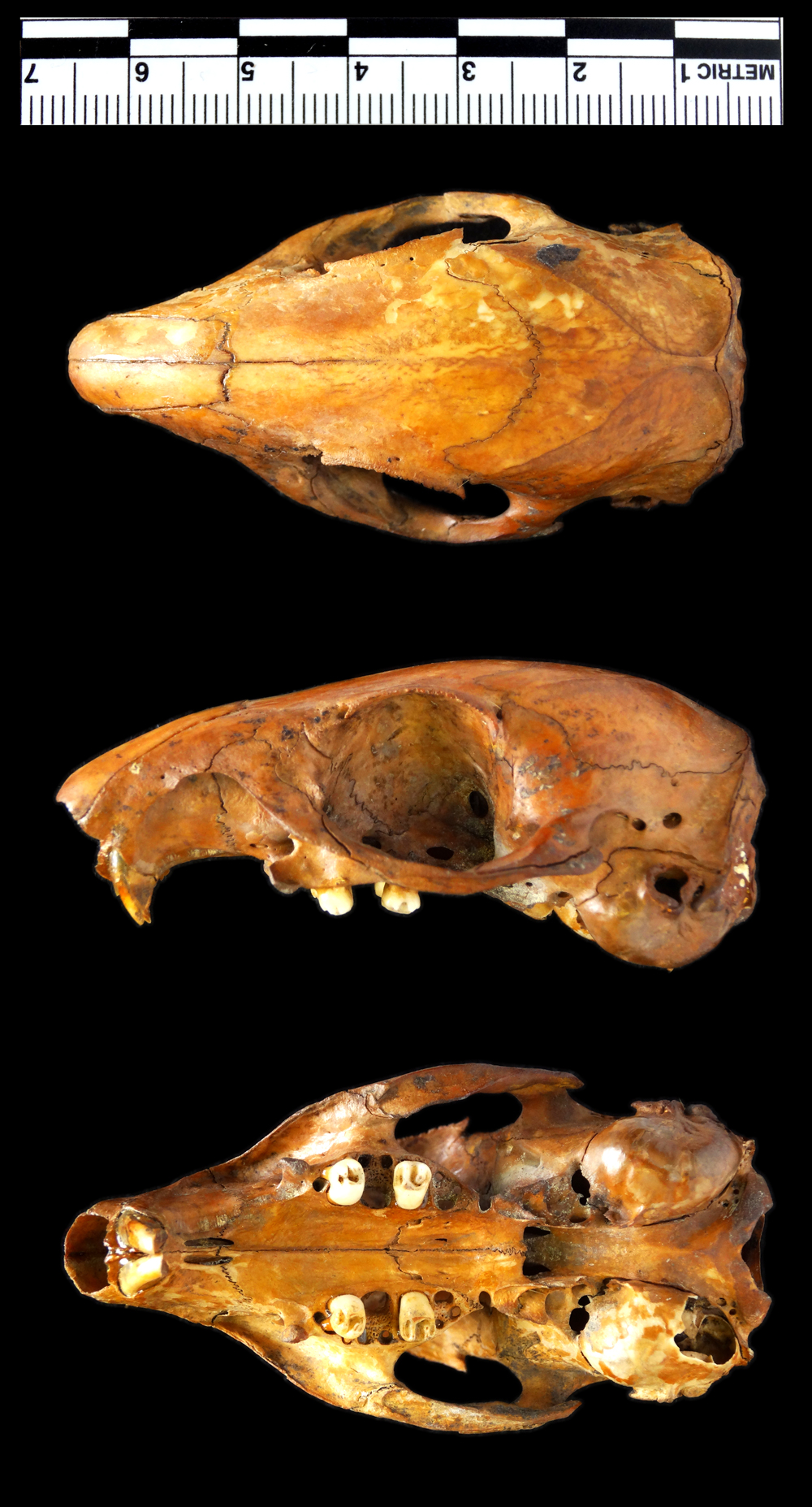
Here’s the mystery Friday feline for this week:
As with the others I think it may prove hard to find good diagnostic characters, but hopefully something will come to light! Good luck!
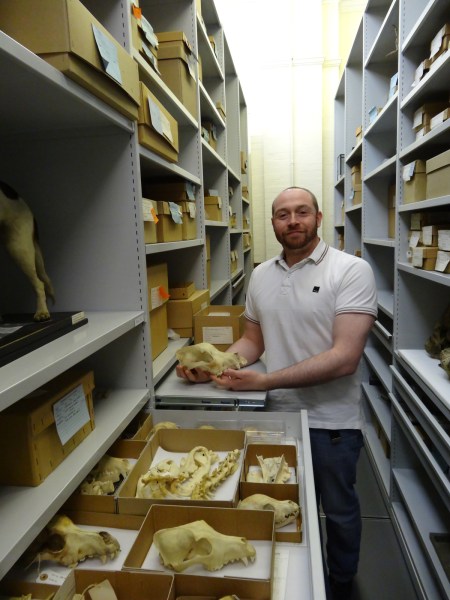
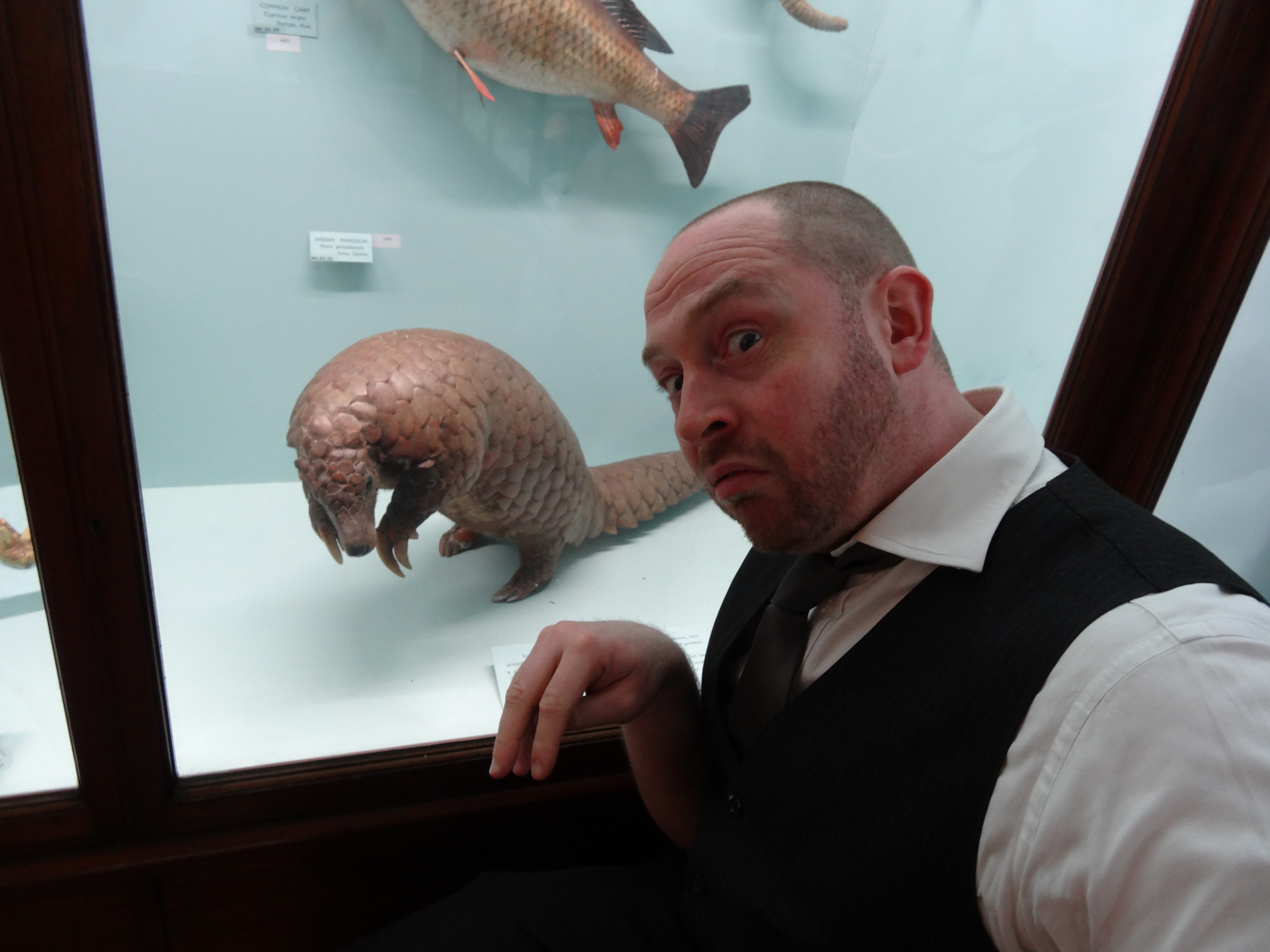
Every so often I’ll meet someone who asks me what I do; this draws the response “I’m a natural history curator”*. Sometimes I will then be faced with the dreaded follow-up question “what does that mean?”
I hate it when this happens, because the curatorial role involves lots of different things and it can be hard to summarise them in any kind of concise and intelligible way. Different museums expect different things from curators, which will usually depend on the rest of the staffing structure. So when I answer I can only really answer for myself and what I think MY curatorial role entails.
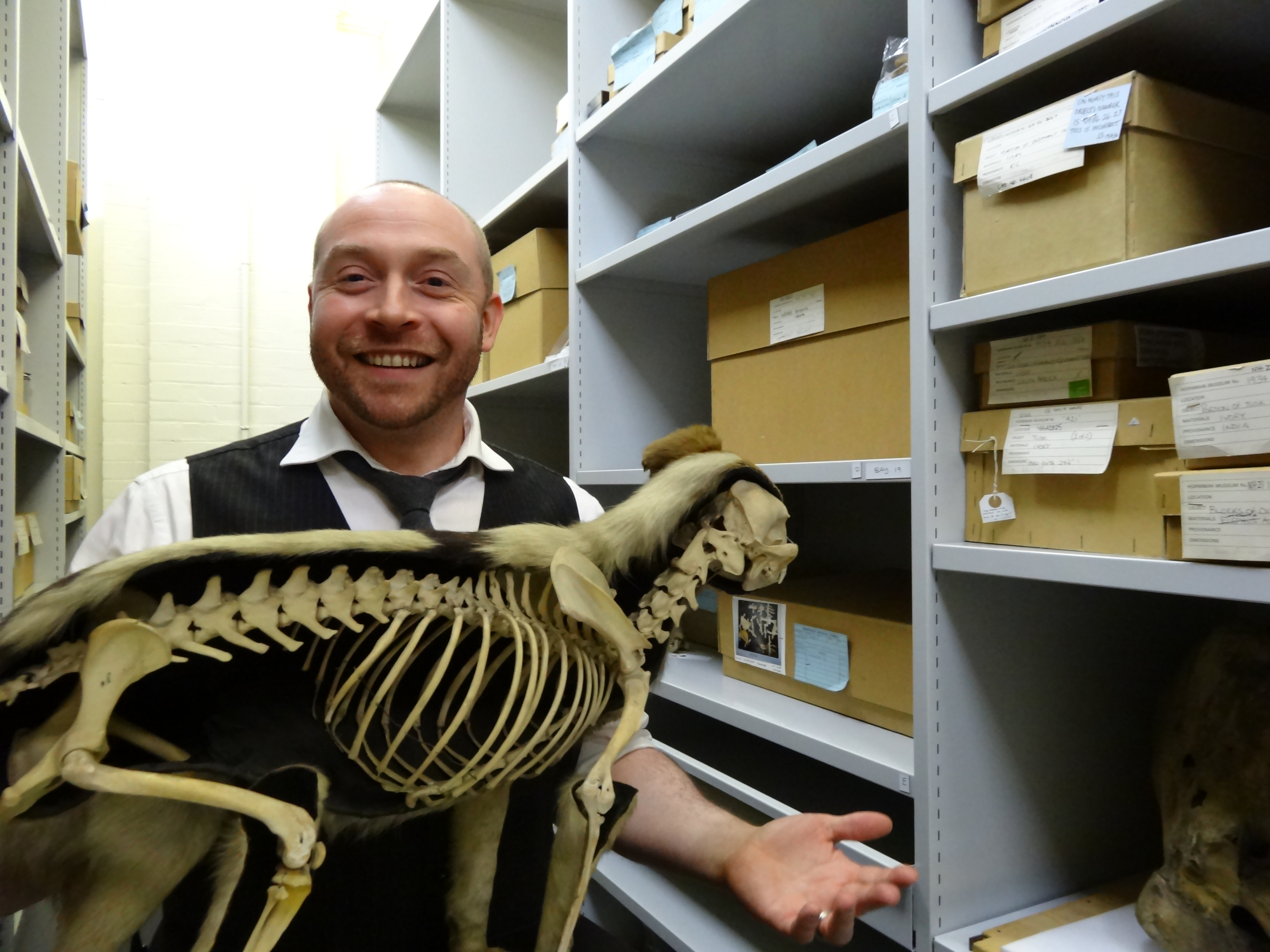
The most obvious responsibility is “curating collections”, which is not actually an explanation in any meaningful way. To curate more or less means to “take care of”, but these days the museum sector has become professionalised and there are other specialists who take on much of the duty of care; conservators, collections managers, documentalists and so on.
What I bring to the care side of things overlaps with these roles, but my spin is to bring subject specialist knowledge to the mix.
This allows me to help other departments by providing them with useful information. For example, non-specialist staff will largely have to go by what’s written on an object label, whereas I am expected to check that information and challenge old taxonomy and misidentifications. I may also provide additional or new information about objects by researching their history or identifying parts of their composition.
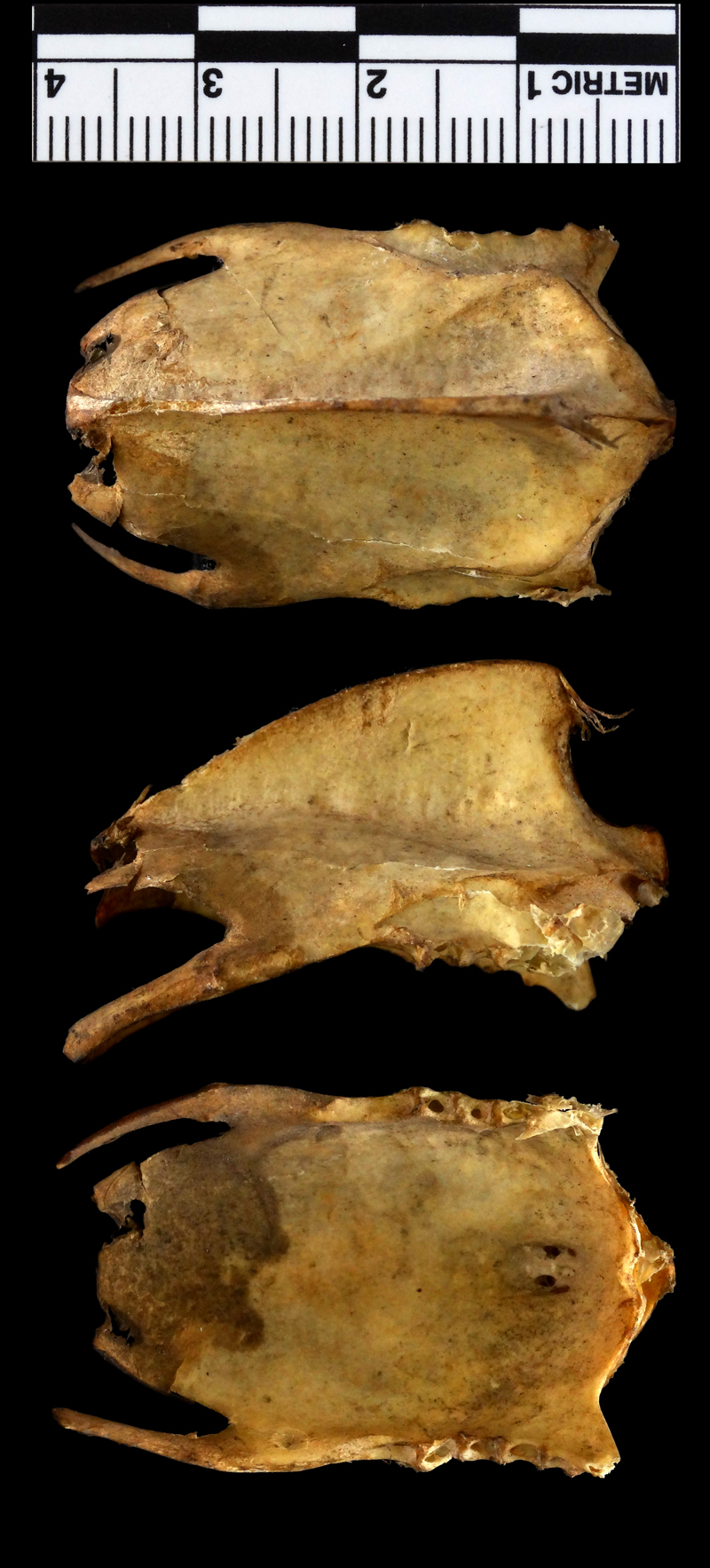
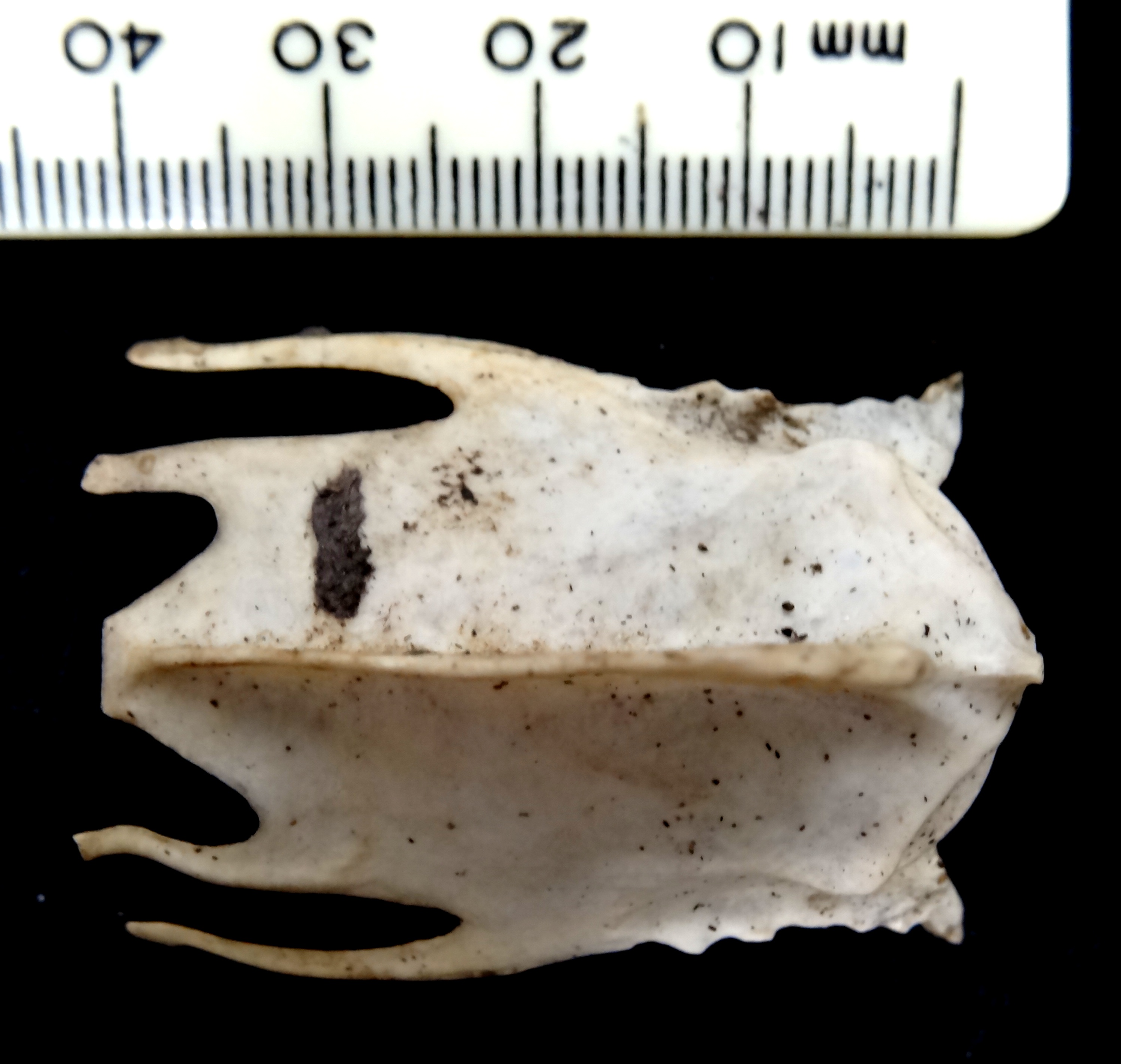
A nice illustration of this can be seen in these two objects – one from the Horniman Museum & Gardens‘ Anthropology collection (top) and one from the Natural History collection (bottom):
The Natural History specimen had originally been mislabelled by the original supplier as the skull of an Andean Condor from Bolivia, which I had spotted and corrected to Lappet-faced Vulture (a species from Africa) after a bit of research. The Anthropology specimen was originally identified as being an ‘eagle skull’ charm from Nigeria and it was simple to provide a more detailed species identification after having done the work on the Natural History specimen.
This sort of fact-checking and enrichment of data is essential for museums if we are to provide an accurate, reliable and authoritative resource for our audiences.
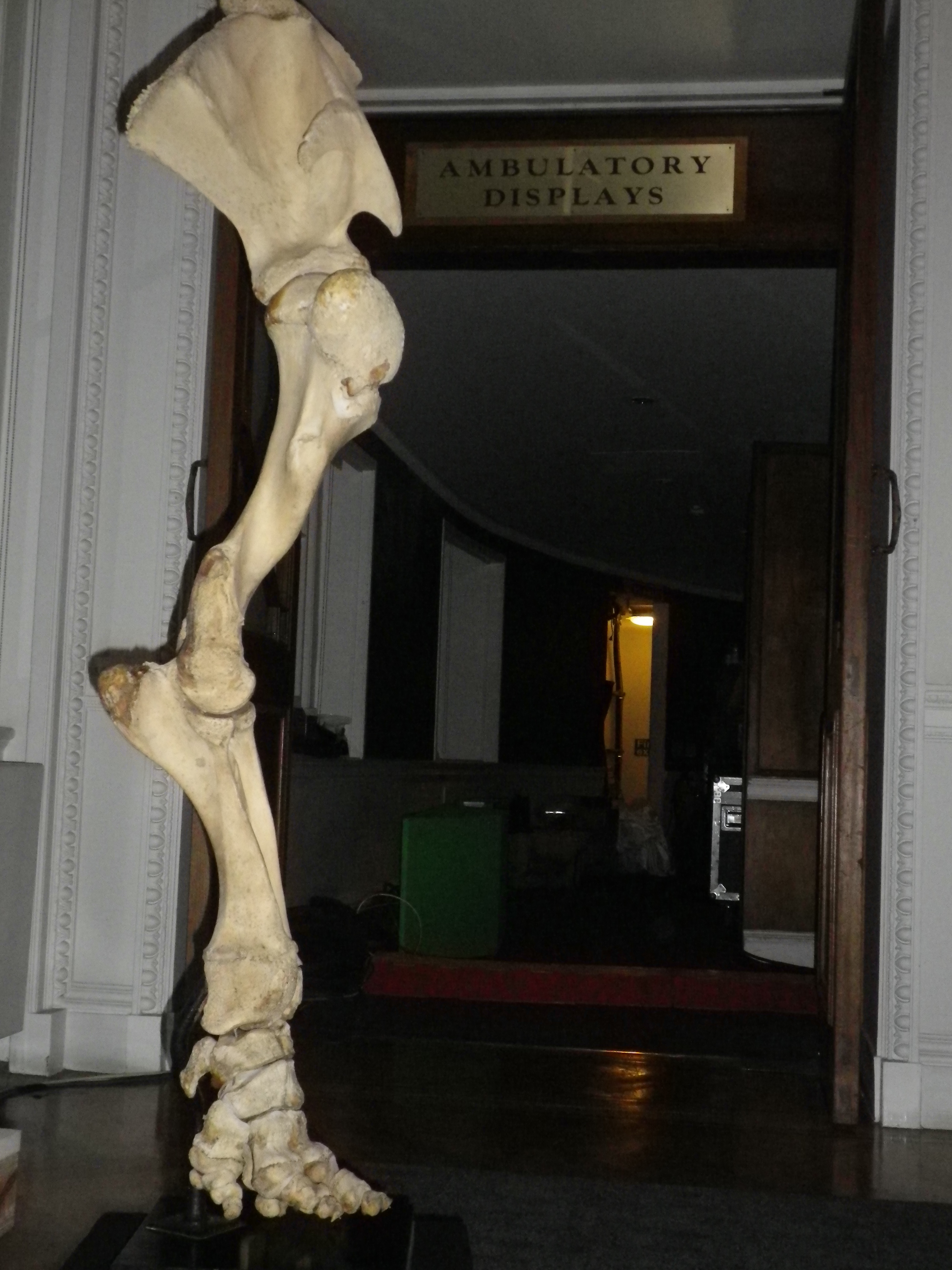
The same need for fact-checking also applies to quality television programmes, so it is perhaps unsurprising that museum curators will often be involved in documentaries, either as a presenter (like George McGavin or Richard Fortey), an expert that gets wheeled in to provide context (I think all curators have done this!), or as a shadowy figure behind the scenes baby-sitting an object or advising on content (I was scientific advisor for Ben Garrod’s excellent Secrets of Bones for example and I have fond memories of fiercely guarding an Indian Elephant leg at the filming of the Royal Institution’s Christmas Lecture “Why Elephant’s Can’t Dance“).

An Elephant leg that I had to babysit for 14 hours (with no comfort break) for the filming of a Royal Institution Christmas Lecture
I’m all for getting collections used like this, since I think that the real value of collections lies in their use. This may be scientific, educational or artistic use – it doesn’t matter which, as long as the use doesn’t significantly compromise the objects and contributes to a wider understanding or appreciation of the world. In some cases you can manage both – a project I’ve been involved in with fine art photographer Sean Dooley is a good example of this.
Another large part of what I do is science communication. Museums were one of the earliest methods by which the general population could access decent quality information about the wider world and, despite the rise of the telly, museums still serve as an important interface between the academic world and the public.
This means that I get to research topics (in varying amounts of detail) that are relevant to our collections and audiences and produce exhibitions, give talks and write articles communicating that research. Sometimes this will be somewhat on the dry side (like a methodological paper about measuring skulls), while other times it will be a bit more fun, like my stint as #ExtremeCurator:
For me science communication and museum advocacy goes beyond the museum walls and 9-5 working hours, so I also organise free monthly science-related events in a London pub, I’m a trustee of the Natural Sciences Collections Association, I do evening talks all around the UK, I tweet and of course I am a #MuseumBlogger here at Zygoma.
This last activity has been both hard work and incredibly enjoyable. The hard work comes from the discipline required to organise and write a weekly blogpost, while the enjoyment has come from the fantastic community that has developed around the Friday Mystery Object posts (which have now been running for about five years). I’ve found that my knowledge has increased a huge amount and I’ve been able to encourage and help support other people in their interest.
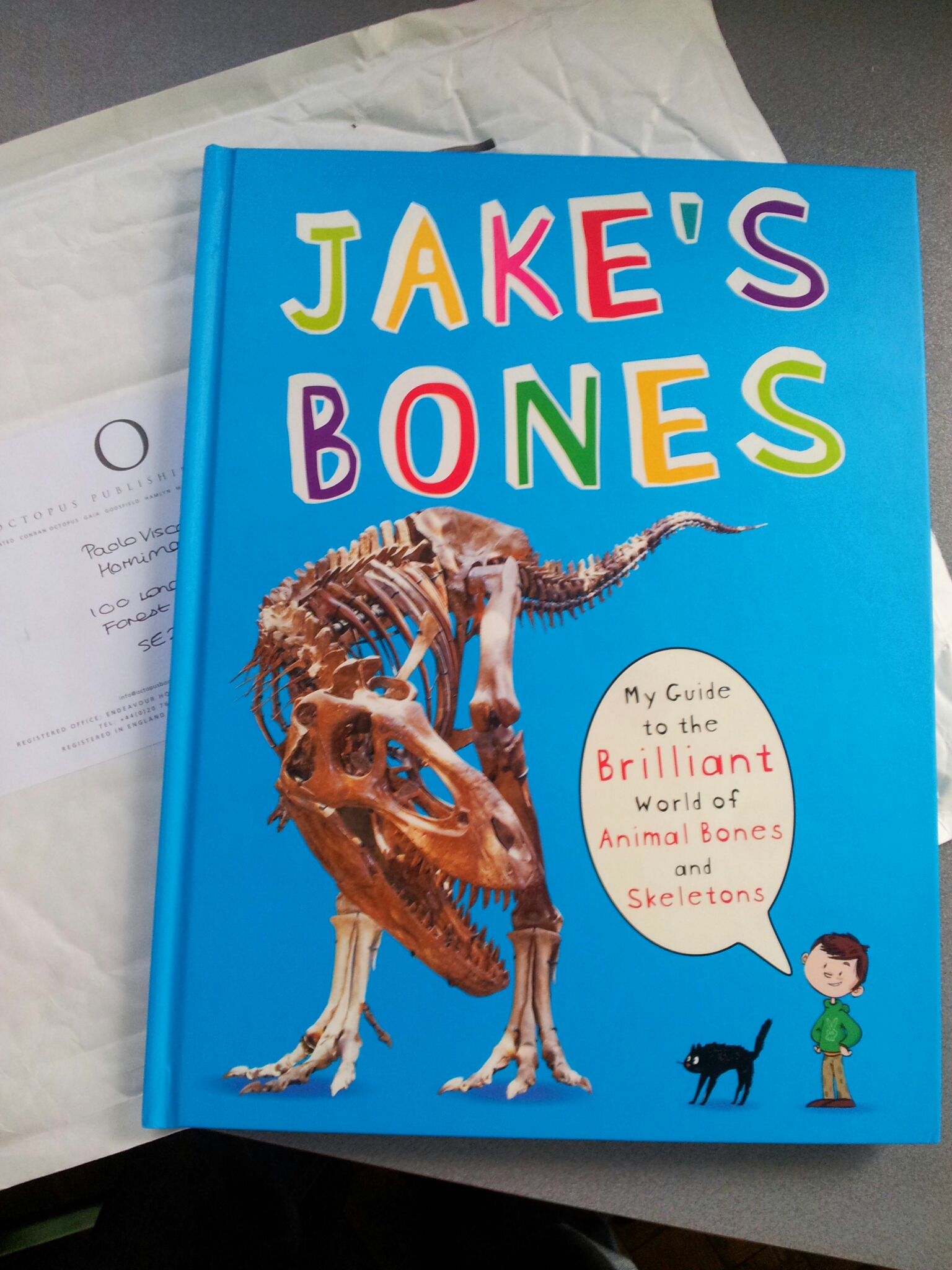
My favourite example of this is Jake, who has been reading my blog since he was seven! Now he’s twelve and has already published an incredible book on bones that I was lucky enough to be able to help with. It’s the unexpected things like this that make blogging so worthwhile and which make my job the best job in the world!
*my job title is actually “Deputy Keeper of Natural History”, but that’s a term even less familiar than “curator”.
Last Friday I gave you this cat skull to identify:
It is about the same size as a Domestic Cat and is very similar in morphology. But it’s not a Domestic Cat.
The auditory bullae (the bulbs under the skull that hold the hearing apparatus) and the external auditory meatus (ear holes) are a bit bigger, the skull is a bit broader and the interpterygoid notch (the gap at the back of the palate that the airway emerges from) is squarer and has a slight ridge in front of it on the palate (and I’m not sure that ANY of these are particularly significant).
There were plenty of suggestions about what this skull might belong to, but only henstridgesj hit the nail on the head with a correct identification of Southern African Wildcat Felis silvestris cafra Desmarest, 1822. So well done Stephen!
Last week I gave you this lovely skull to identify:
As I suspected, everyone immediately recognised it as a type of cat. The characteristic two large blade-like premolars with a gap (diastema) behind the long canines and the straight incisor row were a dead give-away.
Then came the difficult bit. There are around 40 living cat species recognised in the world and because they didn’t diverge from a common ancestor until just 10 million years ago (or thereabouts), they all tend to look quite similar.
There were lots of suggestions, ranging from Lynx to Jungle Cat, but only Jake managed to recognise this short and highly domed skull (with impressively long canines) as belonging to a Marbled Cat Pardofelis marmorata (Martin, 1836).
The Marbled Cat is an tree-dwelling species from South and Southeast Asia that isn’t really very well known. They have a ridiculously long and chunky tail to help with their arboreal lifestyle and beautiful patterns on their coat, which gives them their name.
Since cats are so hard to tell apart do you think I should post a few more over the next few weeks? Between us we may be able to spot some useful distinguishing features…
On Friday 7th Feb I gave you this mystery skull to identify:
The post got lots of activity from both regulars and biology students from the University of Chicago Laboratory School, which means there were lots of helpful comments!
The specimen was quite clearly from a rodent, due to the paired incisors, but there are a LOT of different rodents out there.
The type of rodent was narrowed down by bugblokenz who suggested the skull was from a squirrel of some sort and Jake pointed out how we know that is the case – the specimen has a spiky postorbital process:

The presence of a spiky postorbital process (see top skull) suggests that it was from a type of squirrel. Most other rodents either lack this process (see bottom skull), or the process is more stout and blunt.
Narrowing it down to a squirrel is helpful, but there are still around 285 different species to choose from and many squirrels have very similar skulls. This is where the real challenge lay, especially since it clearly wasn’t the British Red Squirrel Sciurus vulgaris or the more widespread Eastern Grey Sciurus carolinensis, as I showed you on Friday 14th. Other suggestions included the Southern Flying Squirrel Glaucomys volans (which is a bit on the small side) and Eastern Fox Squirrel Sciurus niger (which has a really interesting method you can use to identify it).
The relatively narrow zygomatic breadth, combined with a relatively wide breadth between the orbits suggests a ground squirrel of some sort, which many people recognised, leading to suggestions of Poliocitellus franklinii, Spermophilus sp., Otospermophilus sp. and Tamias sp. – for which this useful reference provides some great comparative specimens (huge thanks to Crispin for sharing this).
However, none of the North American ground squirrels quite matched up, with the closest suggestions of Otospermophilus variegatus or Poliocitellus franklinii still being different in a variety of ways, particularly in relation to the width of the skull, relative zygomatic breadth and shape of the postorbital process.
After much consideration it came to me that we may be looking on the wrong continent and it turns out that African ground squirrels are more similar to this specimen. Fortunately, there is a very useful resource providing images of specimens of African rodent species available through the Belgian Biodiversity Platform. This fantastic site has enabled me to make a reasonably confident identification of Striped Ground Squirrel Xerus erythropus (Geoffroy Saint-Hilaire, 1803).
I’d still like to get my mystery skull to a comprehensive physical collection, just to make some fine detail checks (there are some issues with the shape of the posterior margin of the palate I’m not 100% happy about), but overall I’m happy with this – but please let me know if you think I’ve missed something!
Big thanks to everyone who has contributed their ideas on this specimen – let’s see what I can find for you to identify this coming Friday…
[Further information available in this species description PDF]
Apologies for not having the answer to last week’s mystery object posted yet – it’s been a busy week and I simply haven’t had a chance to prepare a decent answer.
However, I have an image of last week’s object alongside a Grey Squirrel (the lighter coloured specimen), to give you an idea of how they differ, so I hope that will prove of interest until I can get a proper post prepared:
Last Friday I gave you this skull to identify:
There was strong consensus on this being a mustelid – which is good, because that’s what it is. There was also good agreement on it being one of the Martens, which is where things become a bit more difficult.
After looking at a lot of different Marten skulls online without much success in finding a way of telling them apart, this diagram proved quite helpful.
If you look at the skull in the middle of the top and centre rows, the auditory bullae (the rounded bones under the skull that house the anatomy used in hearing) have quite distinctive shapes in the three species pictured.
In addition, the the little nub of bone (called the mastoid process) that sticks out behind the ear hole (or external auditory meatus as it’s also known) is very differently developed in the three species. Looking at this character and checking back against other Marten skulls online the clues suggested that the mystery object is the skull of a Pine Marten Martes martes (Linnaeus, 1758).
So well done to everyone who commented – particularly Jake who got the ball rolling with a Martes identification from the start!
This week I have another skull from the Horniman’s collections for you to have a go at identifying:
Any ideas what this might be from? As usual you can leave your suggestions, thoughts and questions in the comments box below.
Enjoy!
Last Friday I gave you this lovely skull to identify:
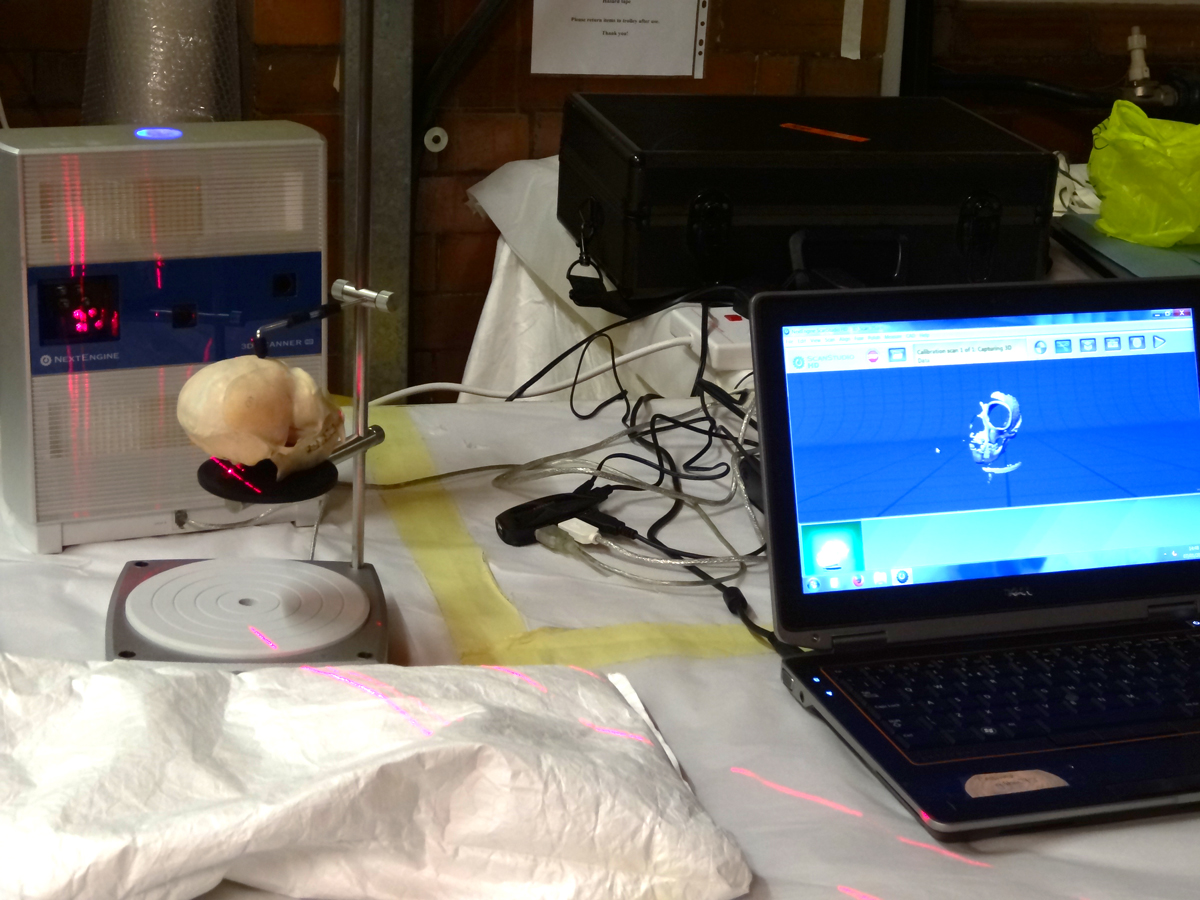
I chose it because it was being used for an interesting project by a student at UCL, involving 3D surface laser scanning of the specimen to identify landmark characters of the skeletal structure of the faces of this family of primates:
This is a specimen that we actually have a fair amount of information about. It’s a male Grey Gibbon Hylobates muelleri Martin, 1841 collected before 1909, from Melian on the Hanta River in North Borneo. So of all the suggestions, Crispin (@brainketchup) was the closest (with agreement from henstridgesj) when he suggested White-handed Gibbon.
It turns out that this skull also has a taxidermy skin associated with it (which Jake has mentioned before), which shows a common feature of taxidermy specimens where the skull has been prepared separately – it’s mouth is stitched shut:
This makes for slightly dodgy taxidermy, but at least it means the skull is available for future research, instead of being stuck in a specimen intended mainly for display.
The skin of this specimen has also seen recent use, but for art rather than science. Artist Paul Robinson has used it as the basis of this somewhat freaky, but striking piece of work:
It goes to show that specimens in museums can find themselves being used in all sorts of interesting ways. To my mind this is really what museum collections are for – being used by people.
Last Friday I gave you this mystery sternum to identify:
I had a rough idea of the family, but I was less certain about the species. As it turns out I’m now less sure of the family than I was before, in light of some useful comments.
At first I thought this was the sternum of a member of the Strigidae or the ‘True Owls’ – something that Jake also thought with his suggestion of Tawny Owl Strix aluco, but henstridgesj and Daniel Jones raised the possibility of it being from a seabird and Daniel Calleri suggested it could also be from a member of the Halcyonidae or the ‘Tree Kingfisher’ family.
With the Christmas and New Year break I haven’t had a chance to get to our stores to check specimens, but there is a very useful website that deals with seabird osteology (helpfully called Seabird Osteology) which has some images of sterna. Several of the Procellariiformes (the order containing the Albatrosses, Petrels, Shearwaters, etc.) have a similarly short sternum with a double notched bottom margin, as do some of the Laridae or the Gull family.
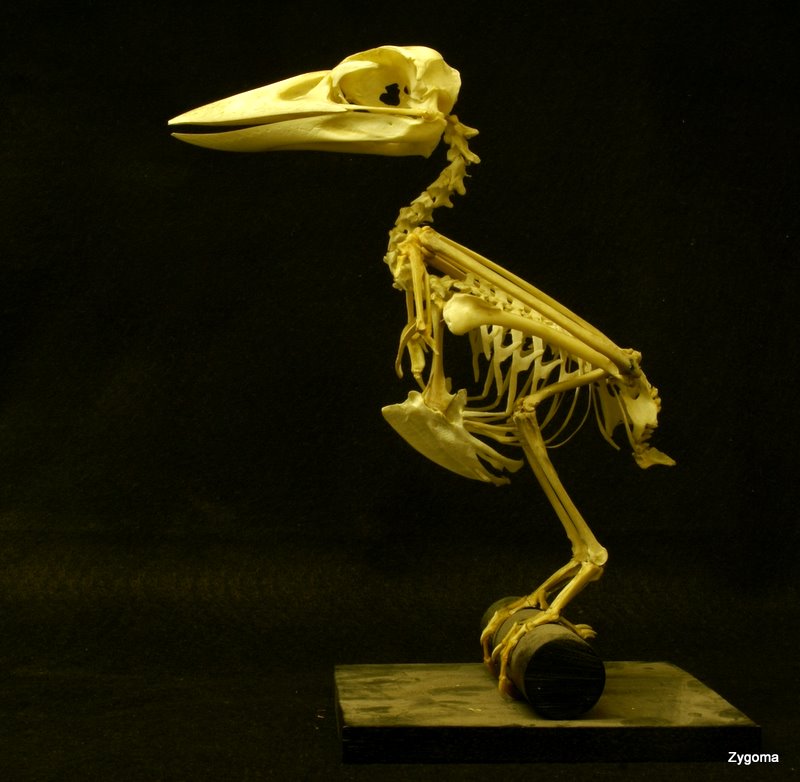
I also checked an image of a Kookaburra from a previous mystery object, which doesn’t show the sternum well, but which does hint at a double notched bottom margin:
This has left me slightly less confident that last week’s mystery object is from an owl, but here are a couple of other owl sterna for comparison:
As you can see, the Barn Owl sternum above doesn’t quite have the double notch, although the size is about right. The Eurasian Eagle Owl sternum below (ignore the coracoids and other bits of the pectoral girdle) is a much closer fit, although substantially larger.
I’ll see if I can find a Tawny Owl sternum to check against, because the shape does seem pretty good for one of the Strigidae and the size is about the same as a Barn Owl, which is in a different family, but has a size range that overlaps with the Tawny Owl. Of course, it could also be from one of the other medium sized owls, like the Long-eared or Short-eared Owls… more to come!
UPDATE 14:30 on 3rd January 2014
Here’s a Tawny Owl sternum!
It’s pretty close, but the notches seem a bit deeper, so perhaps one of the Asioninae (Eared Owls) might be a better match for the mystery object?
The WordPress.com stats helper monkeys prepared a 2013 annual report for this blog.
Here’s an excerpt:
The Louvre Museum has 8.5 million visitors per year. This blog was viewed about 110,000 times in 2013. If it were an exhibit at the Louvre Museum, it would take about 5 days for that many people to see it.
I hope you all had an enjoyable Yuletide, I’ve certainly been glad of the excuse for a lie-in over the last few days.
The mystery object is a bit late today, but I hope you’ll forgive me in light of the general seasonal torpor.
Here’s a sternum that I’ve been puzzling over for a while – I can make a pretty good guess at the family it comes from, but I’m less sure of the species:
I’d appreciate seeing what you think it might be – let’s see if we can work this out!
Last Friday I gave you this perplexing specimen to identify:
It was labelled as a Crab-eating Raccoon, but the facial region is much longer and narrower than other examples I’ve talked about, and it’s much less robust:
Now the gracile build could just be because it’s the skull of a juvenile (which is what it looks like), but juveniles have shorter and relatively broader facial regions than adults, so that doesn’t work. Even the less robust jaws of the Common Raccoon are too short and wide for the mystery specimen (which I think may discount Robin Birrrdegg’s suggestion).
Another crab-eating option was suggested by Daniel Jones who thought Crab-eating Fox. Now the overall proportions are a good match for this species, but there’s a problem. If the mystery object had teeth this would be much easier, but there are the holes in the maxilla to give us clues about the shape and size of the molars and as Allen Hazen pointed out:
Three triple-rooted teeth. Are these three molars, or is the last premolar triple-rooted? If it’s three molars… Canids (usually) only have two upper molars…
This is indeed the case and so this skull can’t be from a Crab-eating Fox.
On a different tack, henstridgesj suggested that it might be a civet of some sort, pointing us in the direction of mystery object #143 for comparison:
But again this really doesn’t look right – in particular the civets have a narrow constriction behind the orbital process, which is lacking in the mystery specimen. This was noticed by henstridgesj and he suggested that the closest option he’d been able to find was a Coati:
Now the specimen of Coati above is a mature male that was mystery object 54 and it doesn’t look much like our most recent mystery object, but on checking the skulls of juvenile and female Coatis I realised that this is probably the best option so far.
I still want to check some more specimens, but I’m really grateful for everyone’s input on this specimen – it’s been a challenge and you have all helped immensely!
I’ll be back with another mystery object next Friday, but until then I’d like to wish you all a thoroughly enjoyable festive season!
This week I have a skull for you that I think has been misidentifed, but because its teeth are mostly missing it’s a little hard to be sure.
I’d appreciate your thoughts on what it might be and as usual you can put those thoughts in the comments section below. Let’s see if we can work out what this is!
Apologies for the lateness of the FMO this week, my excuse is a rather apt bout of illness, where some of the alveolar bone of my mandible has been lost due to an infection, leaving me feverish and thoroughly miserable.
But enough about my me, this is the mandible I’m supposed to be talking about:
There was a fascinating discussion about the possible identification in the comments last week, so a big ‘thanks!’ to all of the contributors who provided their informative observations (too many to mention everyone by name!). A mustelid of some sort was quickly agreed upon and the general consensus moved towards an otter of some kind, before starting to drift away again.
Two comments in particular were particularly pertinent. The first was from Daniel Jones:
Alright . . . instantly the foramina on the mandible anterior to the premolars scream Otter! However, the incisors don’t. The incisors just lateral to the canines should be larger and longer than any of the other incisors among the otters (even the Asian Short-clawed Otter).
Now my identification for this specimen was indeed Asian Short-clawed Otter Aonyx cinerea (Illiger, 1815), so this comment made me a bit concerned. However, on checking some images online I realised that the long lateral incisors are present in the premaxilla, but not the mandible – an easy detail to miss.
The second comment was by Allen Hazen:
Anyway… The talonid on the first molar of the one in the picture is BIG.
The reason I found this comment useful was that the long and broad talonid (that’s the flatter grinding section on the molar) is what confirmed the Asian Short-clawed otter identification for me (although the small size was a good first clue). This became quite clear from an image on the Otter Specialist Group webpage.
The Asian Short-clawed Otter presumably has this large talonid because it has a diet mainly composed of crustaceans rather than fish, and it needs the extra crushing area on the molar to crack open tough exoskeletons.
Who would think you’d get teeth as formidable as these on such an adorable little critter?