Friday mystery object #95 answer

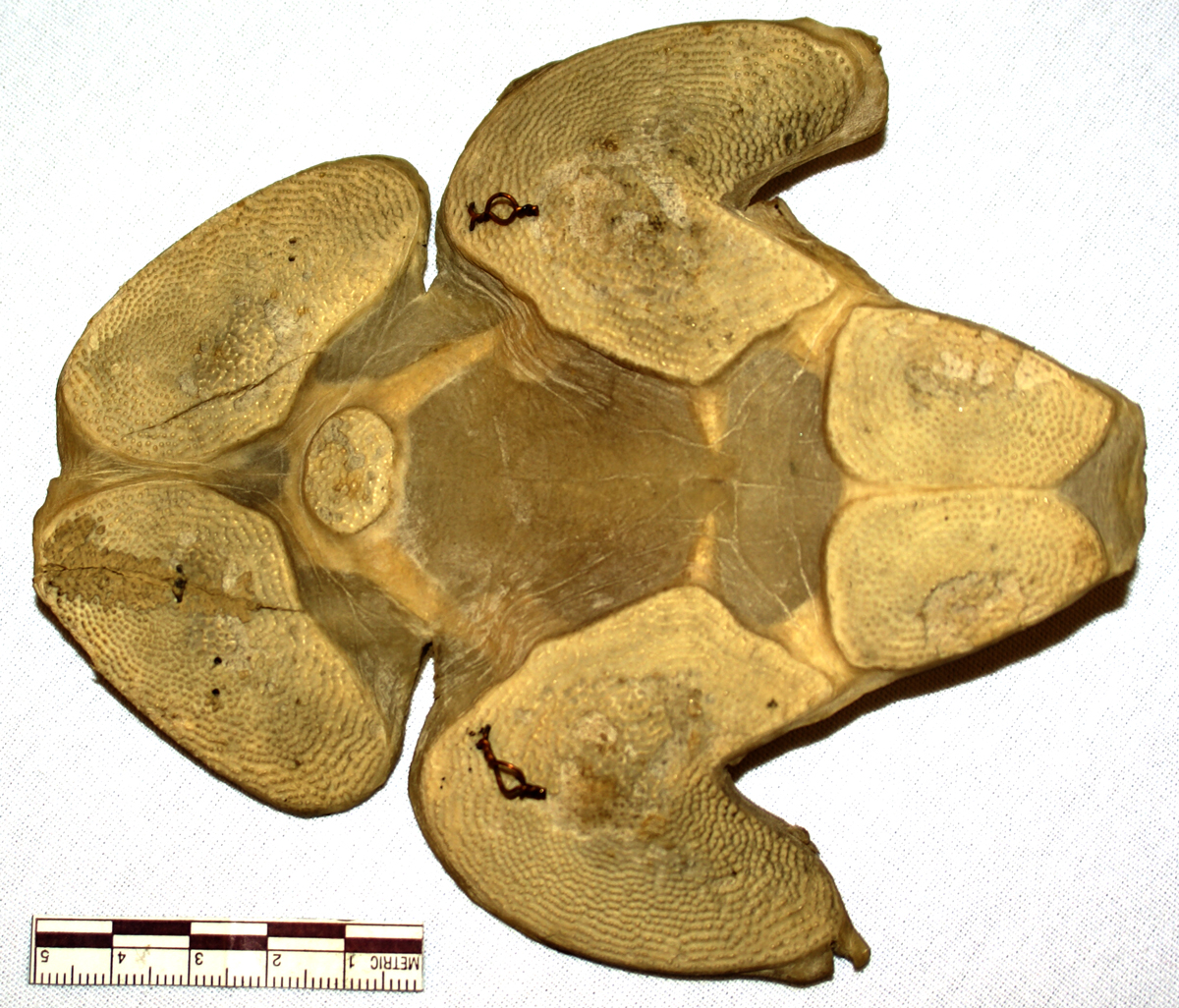
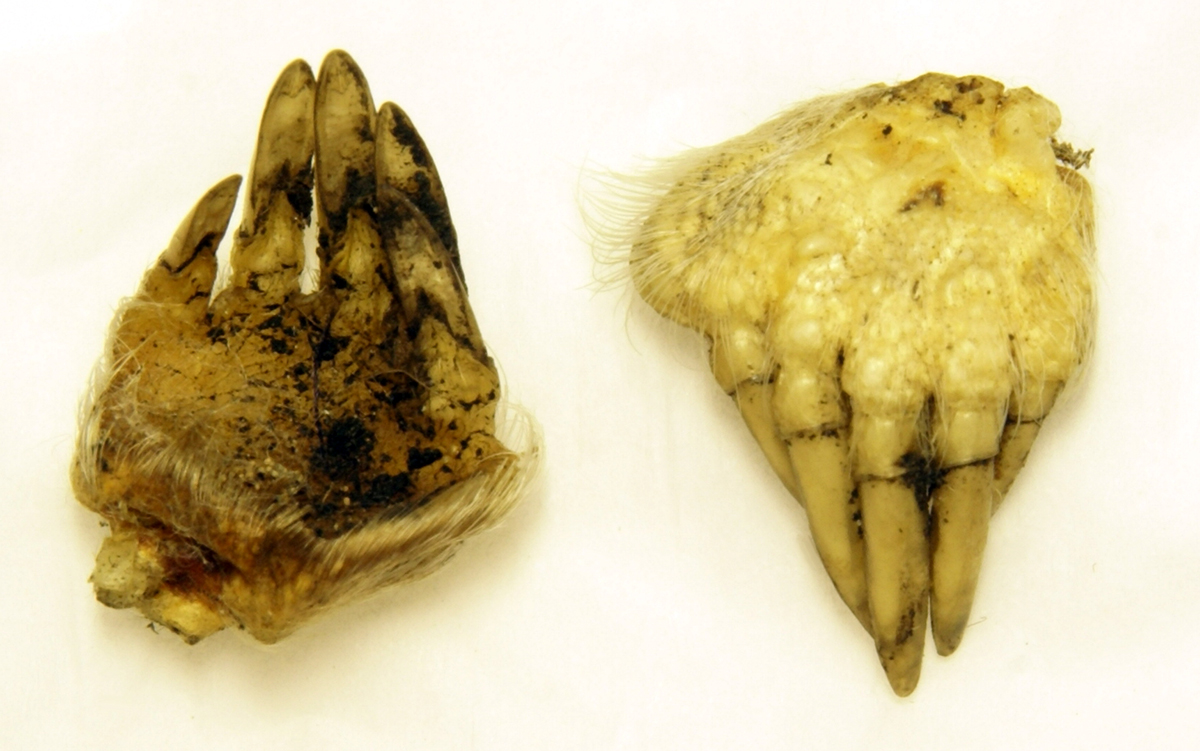
Since Friday was the 13th I gave you a mystery object inspired by the theme of superstition (at the suggestion of the @museumgeekgirls). I asked you to identify what this specimen was, where it was from and what powers were attributed to it:

As it turns out you all did a great job of identifying what these severed feet belonged to and there were some fantastic suggestions about the possible uses of these rather macabre charms.

Dave Hone immediately spotted that these were the paws of a  Continue reading

Friday mystery object #94 answer

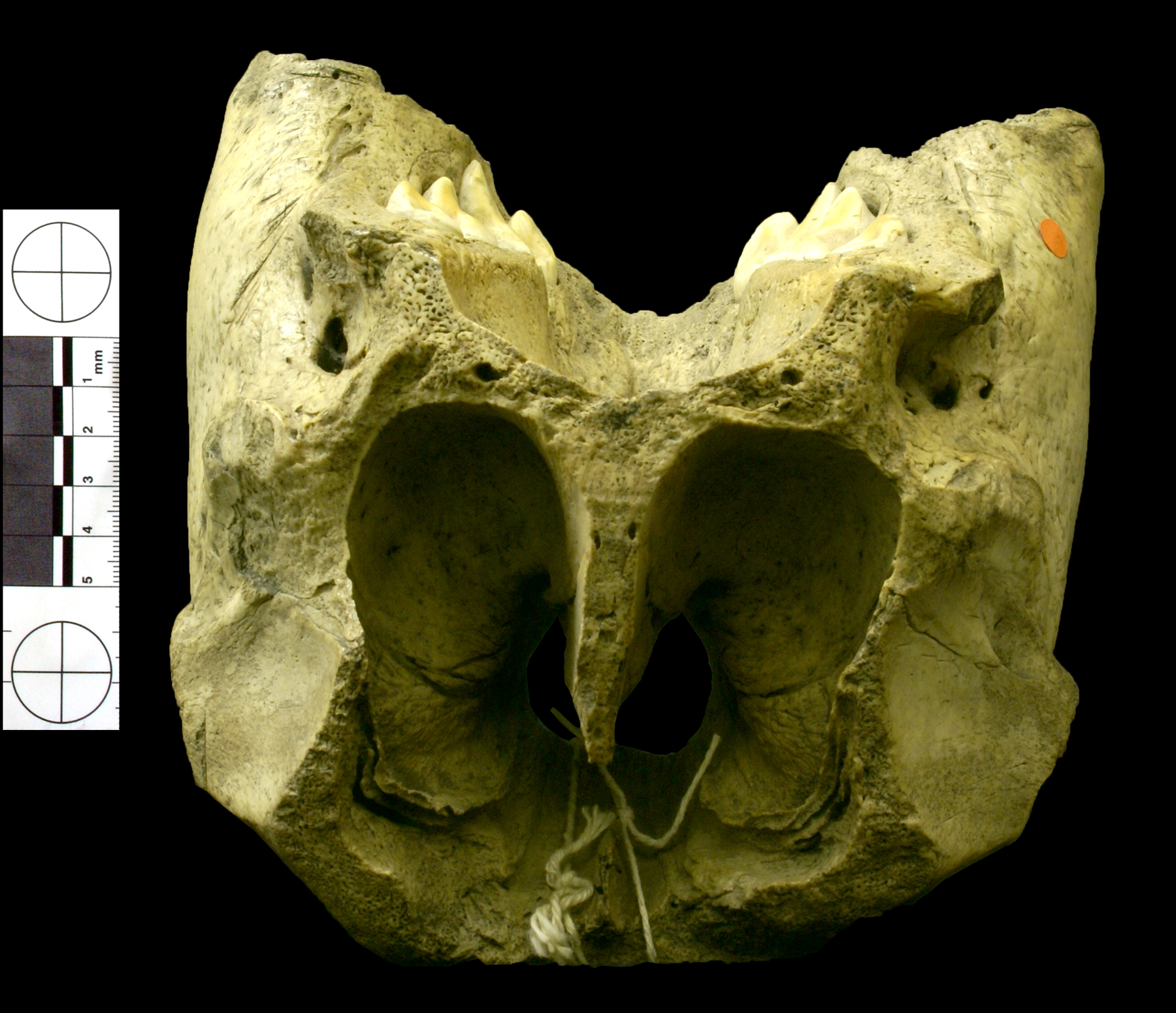
On Friday I gave you this cranium to identify:

Jake got in early with the suggestion of a seal of some kind (based on his experiences at the University of Dundee), which Manabu Sakamoto agreed with. Dave Godfrey developed the seal suggestion and arrived at a correct identification, which was supported by Carlos Grau, David Craven, cromercrox, Neil, Jamie Revell and Zigg. This is the cranium of the Hook-nosed Sea-pig, more commonly known as a  Continue reading

Friday mystery object #93 answer

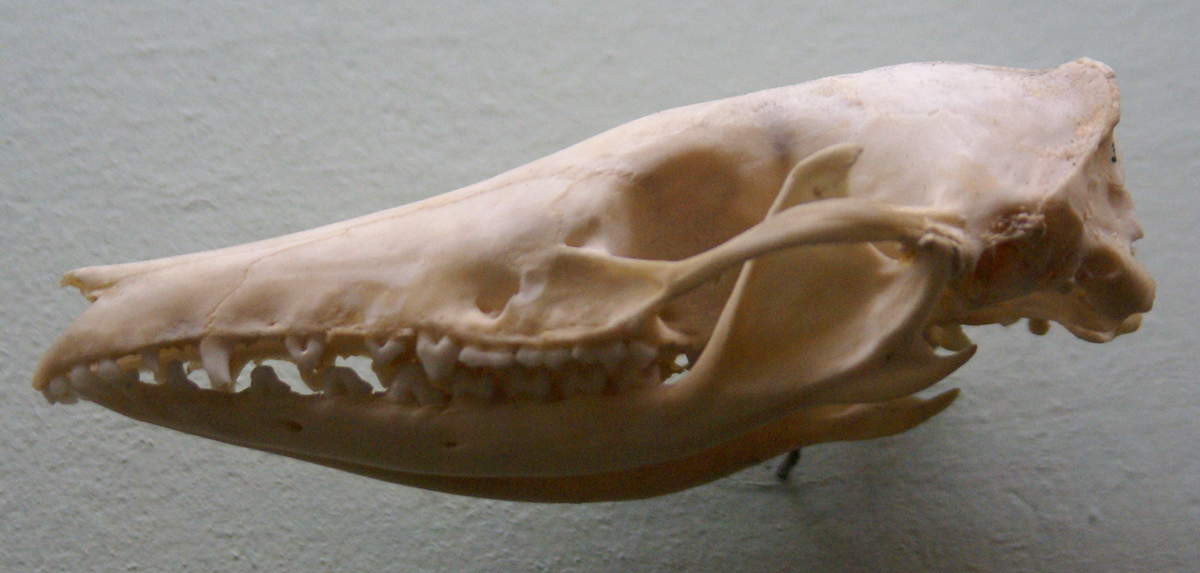
On Friday I gave you this skull to identify from the Balcony in the Natural History Gallery at the Horniman Museum:

I must say that I was very impressed with the response – diet was quickly identified by Rosa RubicondiorWill Chapman and Carlos Grau then Stephen J Henstridge spotted that this was the skull of Bandicoot and  Jack Ashby, cromercrox and Jamie Revell all dropped hints (or blatantly stated) that this was the skull of a  Continue reading

Friday mystery object #92 answer

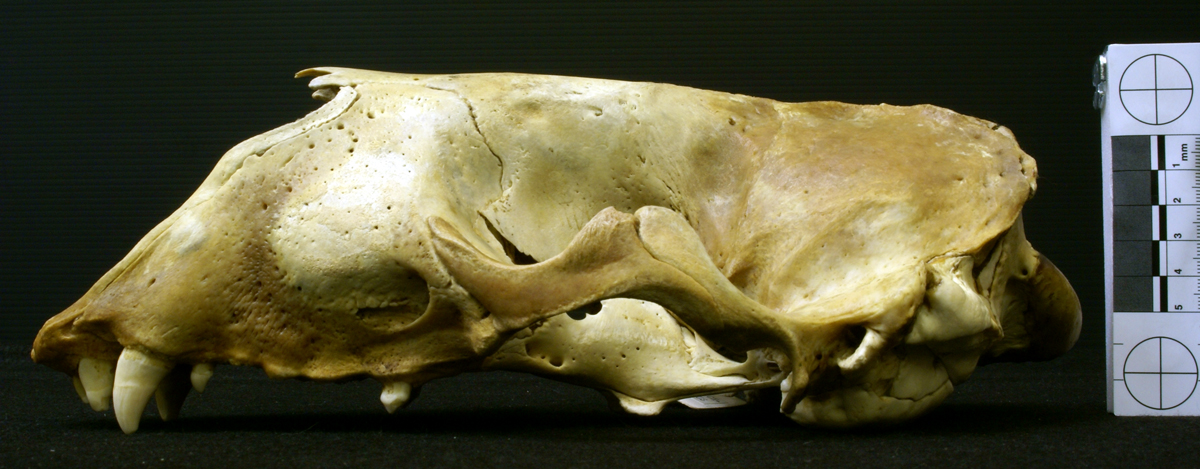
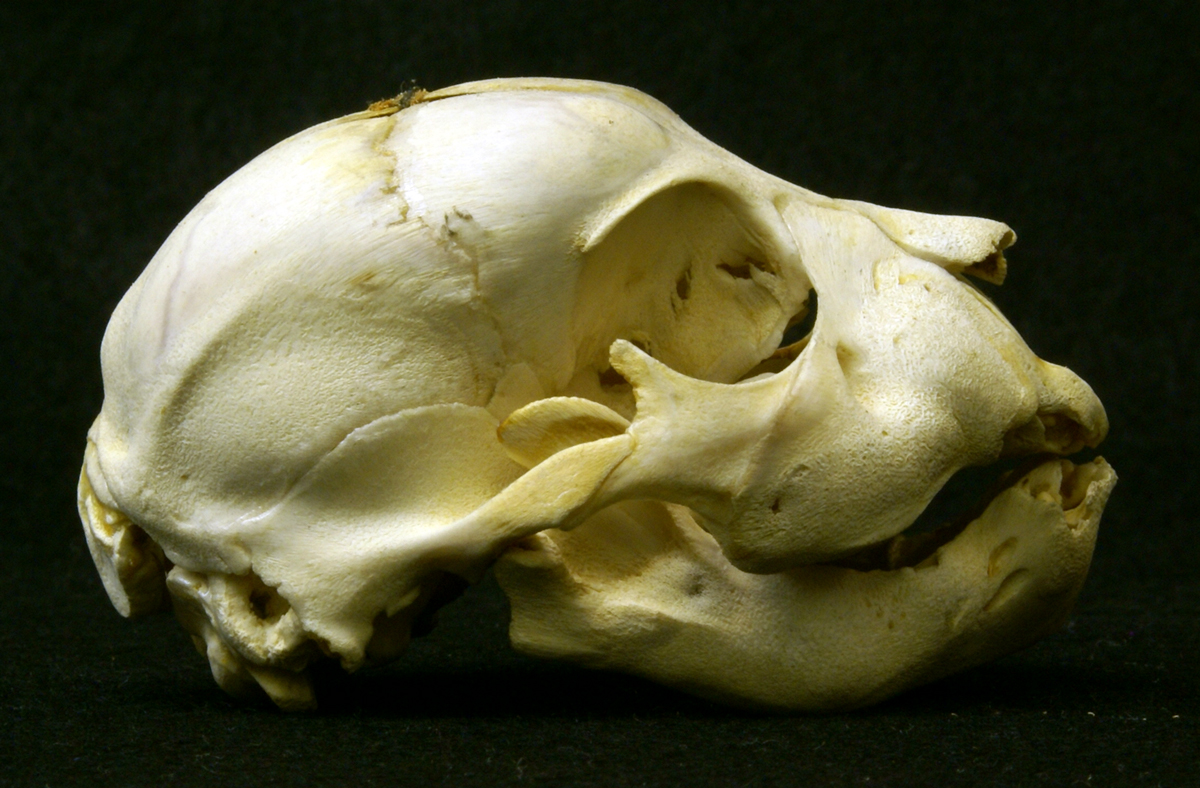
On Good Friday I gave you this object and asked ‘Any idea what this skull belongs to?

Given the levels of pedantism on the Internet, I’m surprised that no-one said ‘the Horniman Museum‘, which would have been a correct answer to the question, since this specimen was bought in 1936 from the German natural history supply company Schlüter and Mass and it therefore belongs to the Museum.

However, you all clearly knew I meant belonged, since you did a great job of working out which species this skull came from.

Jake immediately ruled out the large British native carnivores (Fox and Badger) and several questions later had Jamie Revell hot on the trail, only to be pipped to the post by David Craven. Kudos also goes to Carlos Grau and Gina who both came very close.

This skull belonged to an  Continue reading

Friday mystery object #91 answer

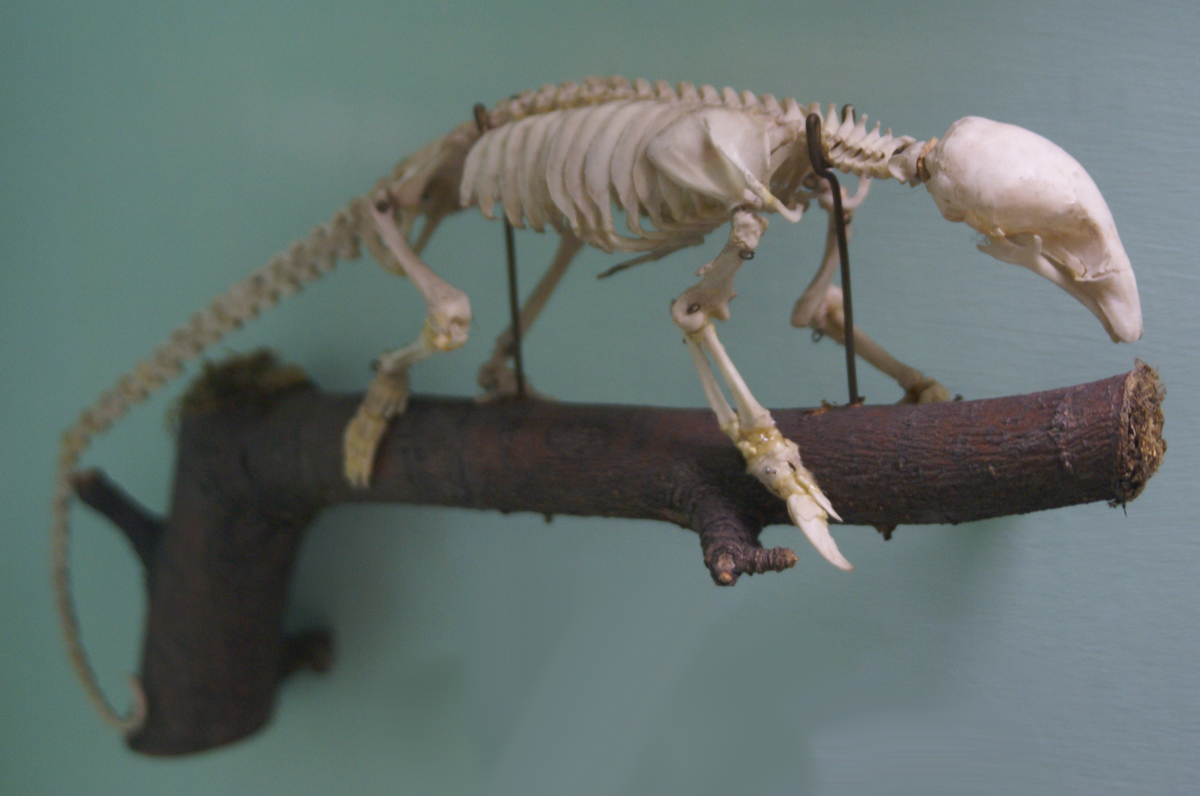
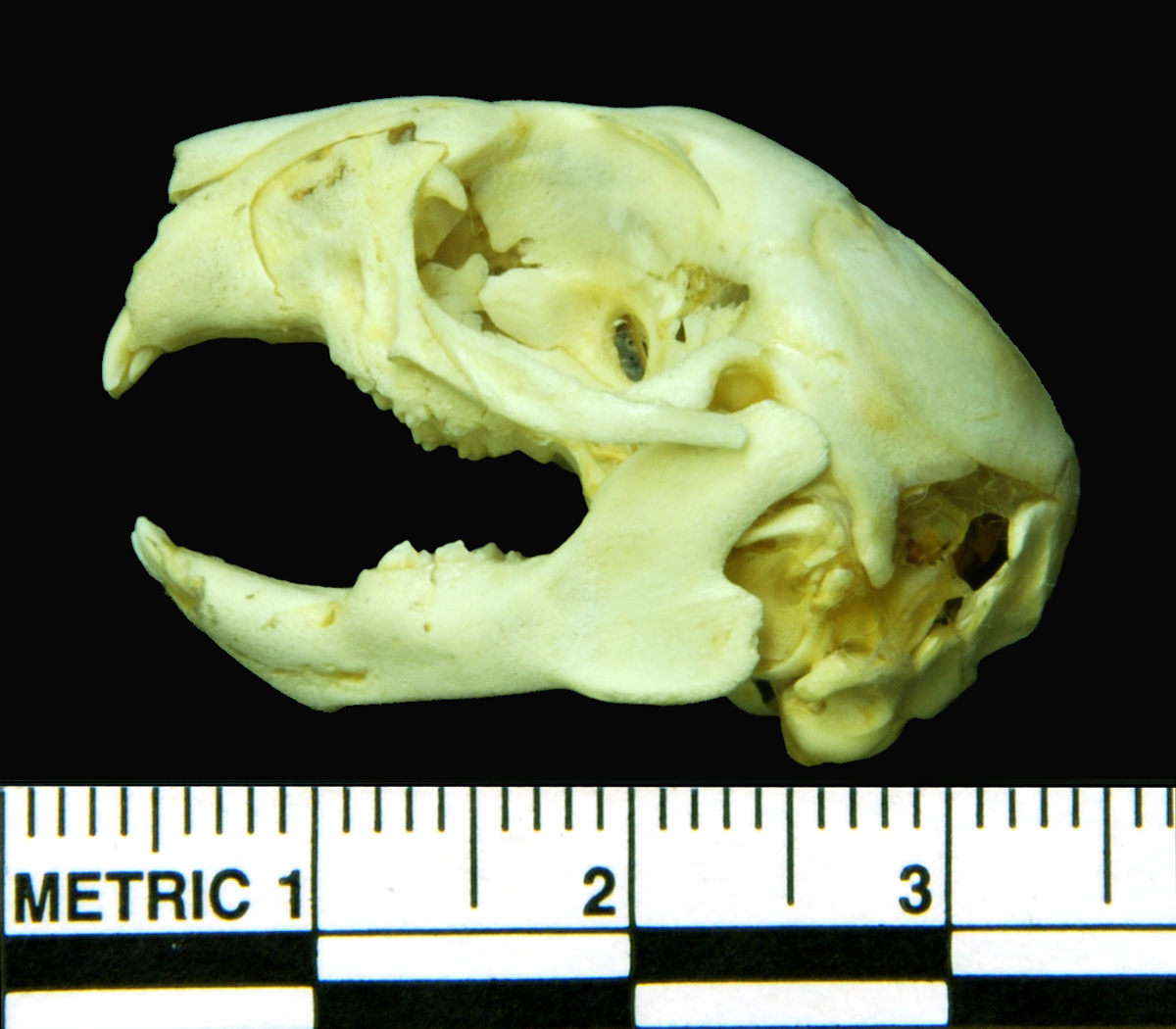
On Friday I gave you this cute little chap to identify:

I was very impressed with Neil’s comment, which managed to convey the scientific name of the species without giving it away. Here’s what he said:

I see one eye and two fingers

which neatly leads us to  Continue reading

Friday mystery object #90 answer

I must apologise in advance for the somewhat short answer to the mystery object this week. Partly it’s because I don’t know much about musical instruments and partly because I’ve been busy pulling together a guest post for GrrlScientist over at Punctuated Equilibrium on the Guardian science blogging network (not sure when it will go live[EDIT it’s live now]). Excuses aside – on with the answer!

Last Friday I gave you this object to identify:


I was impressed that everyone immediately spotted that it was a musical instrument, but I was even more impressed that so many of you identified which continent it was from (Africa) and the general type of instrument. Historically in the West this has been referred to as a ‘thumb piano’ which is a very Eurocentric interpretation. A more accurate generic name is lamellophone (or lamellaphone).

There are lots of different sorts of lamellopone from different regions in Africa, including the mbira, the sanza, the kalimba and lukembe. This particular example differs from all of these other forms in the way in which the lamellae are secured:

This particular type has tangs on the lamellae that are driven directly into the wooden resonator, rather than having a fretboard like an mbira:

Mbira by Alex WeeksThis means that the instrument is not tunable, unlike the mbira.

This unusual characteristic identifies this mystery object is an  Continue reading

Friday mystery object #89 answer

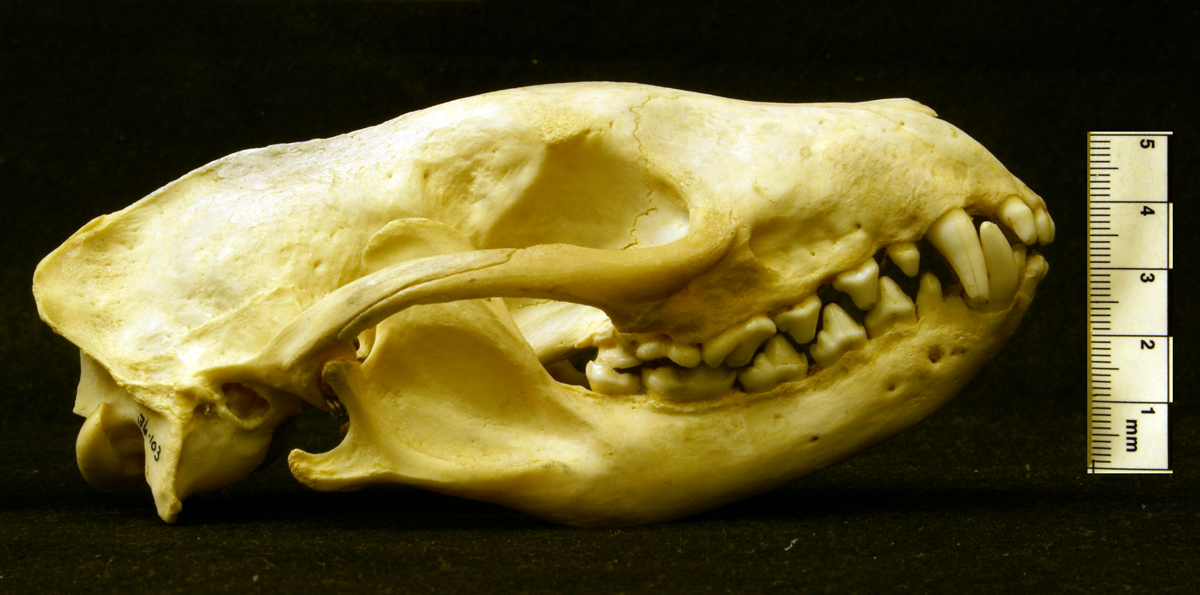
On Friday I gave you this archaeological mystery object from Surrey to identify:

Jake immediately spotted that it was the mandible of a carnivore and ruled out a Cat because the teeth were wrong. General consensus leaned towards this being from a mustelid of some kind – which David Craven confirmed with the correct identification of   Continue reading

Friday mystery object #88 answer

I’d like to begin by apologising for providing misleading information about Friday’s mystery object – I omitted a scale bar and then described the skull as being 4cm long. It goes to show how even a small amount of time can addle one’s memory, since this skull is in fact 7cm long:

I thought it would prove an easy one to identify, since it’s from a very well known species that I have talked about before – but the identification was made more difficult because it is a very young individual. This fact is clear from the lack of fusion of the bones and the lack of teeth. CopilasDenis and David Craven both spotted this and they also picked up on the fact that this skull is from a carnivore – as did ObenedO.

As to what species this skull comes from, no-one really came very close. In fact I was surprised when Jake said:

It doesn’t look catty or doggy or sheepy or deery.

since this is actually the skull of a Continue reading

Friday mystery object #87 answer

On Friday the mystery object was provided by Mark Carnall, the curator of the newly reopened Grant Museum of Zoology:

It’s not been an easy one to work out – I thought it was part of a fish skull when I first saw it and comments have ranged from a squashed frog to Yoda’s foot.

The closest suggestions came from Jamie Revell, Steven D. Garber, PhD and Helen (sort of…), this is the  Continue reading

Friday mystery object #86 answer

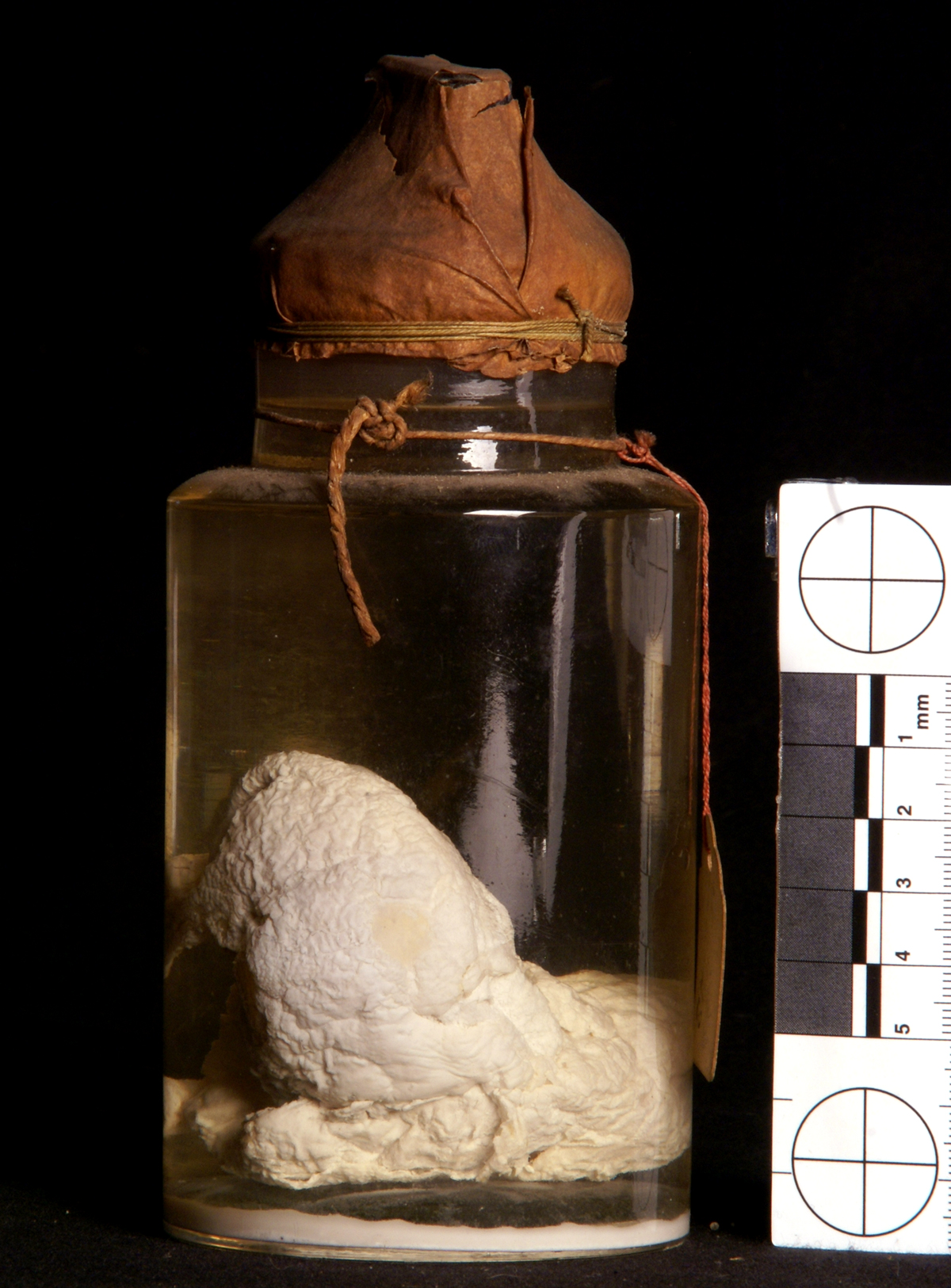
On Friday I gave you this fluid preserved specimen to identify:

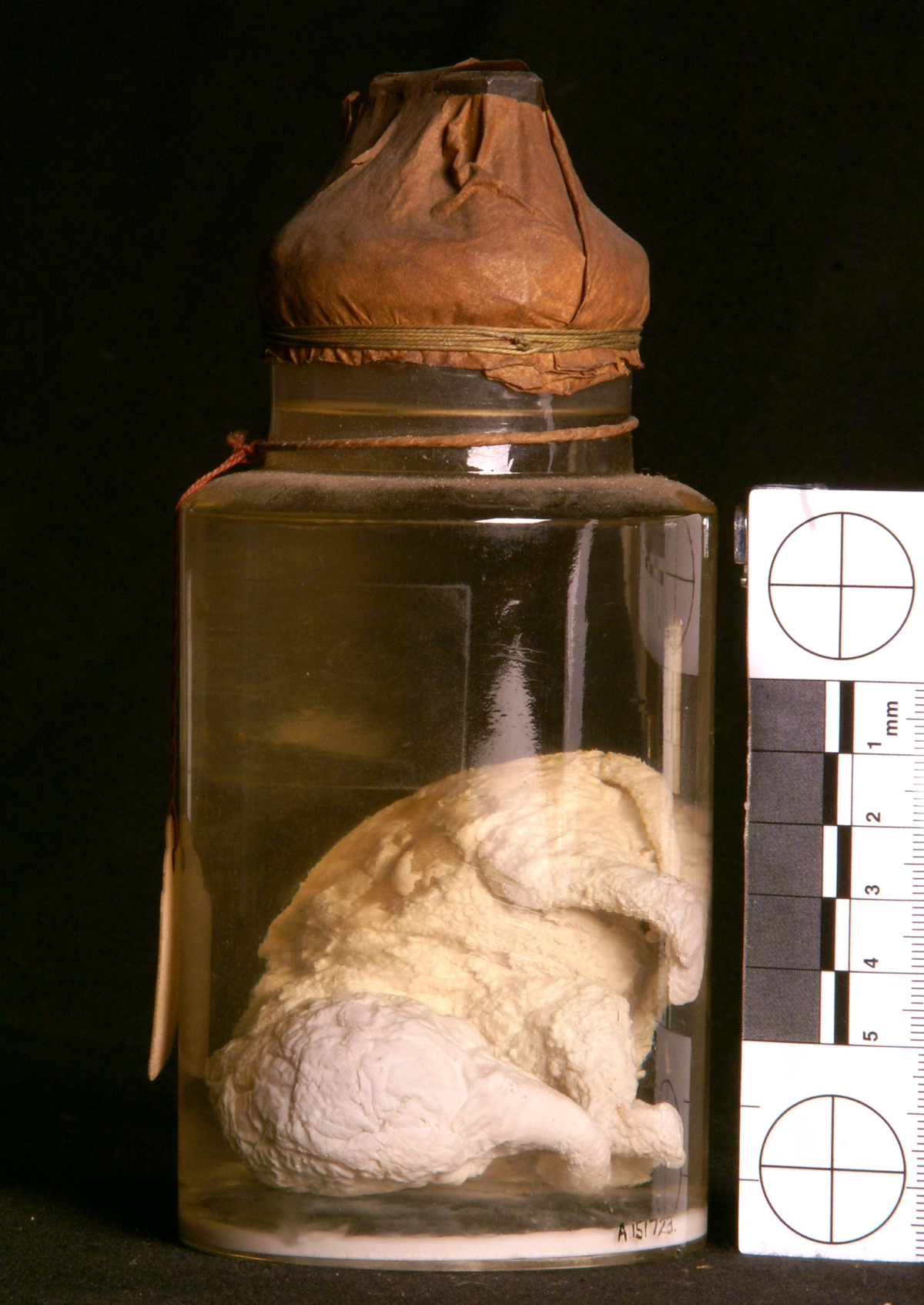
I probably made this one a bit harder than I could have, by not giving you a photo from the other side, but then that would have made it too easy:

It seems that Neil was the only person who may have correctly identified this specimen, as hinted in this comment:

Knowing it’s an embryo give me some idea (possibly incorrect) of the orientation: tail and hind-limbs at top, trunk, then forelimbs at lower left and the head, unhelpfully facing away from us, at lower right. It would then appear to be a quadrapedal tetrapod, probably (?) a mammal. Based on the apparent shape of the feet and possibly the hint of an ear I’m going to say …

This is of course assuming that Neil deliberately chose the word ‘trunk’ to indicate that he had worked out that this is the embryo of an  Continue reading

Friday mystery object #85 answer

On Friday I was at the Natural Science Collections Association conference in Newcastle, which was a very enjoyable couple of days spent with other natural scientists discussing issues relating to natural history collections. The downside was that I wasn’t really able to respond to comments particularly well.

However, it turns out that you didn’t really need my input, since there were some great clues by other commentators, that helped with the identification of this object:

Jake spotted that it was the nasal cavities and teeth (the premaxilla and part of the maxilla) of a marine mammal and Jonpaulkaiser identified that it belonged to a  Continue reading

Friday mystery object #84 answer

On Friday I gave you this piece of skull to identify:

It was in the Horniman collections with no identification beyond a pencil note saying ‘Monkey?’, but that seemed to be a  bit of an odd suggestion, since primates have very rounded braincases – even the longer skulled ones like baboons. I think the person who made the tentative identification had got the section the wrong way round – thinking that the nuchal crest was a part of a brow-ridge or something – a mistake that Jake certainly didn’t make. They also missed what several of you spotted – the rugose (sort of wrinkly) structure that supported the olfactory epithelium (the inner back part of the nose where the receptors for smell are located).

What most of you did miss however, was the lack of fusion of the cranial sutures, which indicates that this was from a juvenile animal. As a result it is smaller and has far less well-developed muscle scars than an adult animal would have. A faint muscle scar can be seen converging on what looks like the beginnings of a sagittal crest (as pointed out by Manabu Sakamoto), so it seems reasonable to guess that the adult animal would have a reasonably well developed crest on the top of the braincase.

Eventually Neil dropped a couple of hints that showed he knew what it was and David Craven and KateKatV also suggested that they knew that it was part of the braincase of a juvenile  Continue reading

Friday mystery object #83 answer

I apologise in advance for providing a slightly short answer to this week’s mystery object – I found myself a bit strapped for time between responding to Intelligent Design types trolling my blog here and at Scientopia, writing a talk for Skeptics In the Pub tomorrow evening and trying to sort out my laptop power lead after it broke (now fixed thanks to the helpful staff at Maplins who gave me the parts I needed to make repairs).

On Friday I gave you this object to identify, thinking that it might be a fun challenge:

As it turns out it seems to have been a good one, since most of you managed to work out what it’s from. There were some great hints dropped and I think that the comments proved to be a useful resource for those who weren’t sure, but they didn’t detract too much from the fun of working it out. Thanks to everyone for being awesome!

The first to correctly identify both the type of bone and the species it came from was Cromercrox, who gave a great rationale for his suggestion: Continue reading

Friday mystery object #82 answer

Apologies for the late posting of this answer – I was travelling back from Ireland yesterday and didn’t manage to get this post anywhere near as complete as I was hoping.

On Friday I gave you this mystery object to identify:

Pretty much everyone recognised it as being the skull of a dog or dog-like animal, but the large size of this skull (27cm long) caused some confusion. Quite a variety of breeds were suggested, but Rachel, Jamie Revell and Jake all ended up going for it being a   Continue reading

Friday mystery object #81 answer

On Friday I gave you this object to identify:

I thought it would prove quite straightforward for my astute audience and I was not disappointed. As usual Jake was the first to comment and he was spot on when he said:

I think it is some sort of big bird, it’s the braincase and […] the ear

The big bird Jake suggested was an Emu, which was slightly off as was CopilasDenis‘ suggestion of Cassowary and Cromercrox‘ suggestion of Rhea (although they all correctly spotted that this piece of skull was from a ratite). But Dave Godfrey finally picked the last remaining living ratite and the correct answer when he suggested it was  Continue reading

Friday mystery object #80 answer

On Friday I gave you this sectioned bit of a critter as the mystery object:

A slightly trickier one than usual, so I wasn’t surprised at the range of suggestions – ranging from a vertebra to a Narwhal tusk. Jack Ashby got in first with a tentative stab at the right answer when he said ‘sawfish maybe?‘ a suggestion supported by Carlos Grau. It is indeed part of the rostrum (beak or nose) of a  Continue reading

Friday mystery object #79 answer

On Friday I gave you this anthropological mystery object to identify, asking you to tell me what it is, where it’s from and what it’s made of:

Well, OdenedO worked out that it is a skirt (or apron) and Sam Kelly and Julie Doyle both correctly suggested that it was African in origin. Jake and Julie Doyle suggested that it could be ivory and Sam Kelly specified that it could be Hippopotamus teeth (although this suggestion was discarded in favour of horn).

So a bit of a group effort, but you pretty much got there – it’s an African (Ethiopian in fact) skirt/apron made using ivory, probably Hippopotamus incisors. That’s my current preferred hypothesis based on the photo – but I need to check the specimen myself to be entirely sure.

Ivory (teeth as a workable material) is an interesting area for us in the museum trade, since most kinds are controlled by the Convention on International Trade in Endangered Species of Wild Fauna and Flora (CITES). This means that objects made of certain types of ivory need to have licenses for import and export, or for any commercial use, unless they can be shown to have been made before 1st June 1947.

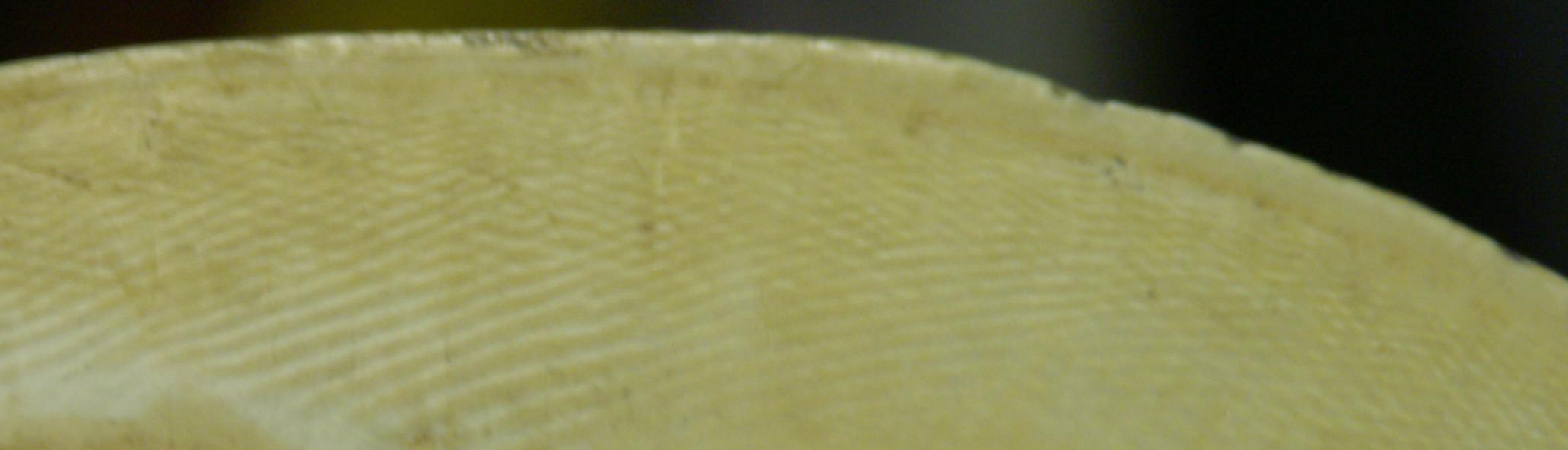
There are various characteristics that can help identify different ivories – the best known being the presence of Schreger lines in Elephant ivory:

But there are other clues that can indicate which species an ivory has come from – unfortunately I don’t have time or the appropriate images to go into detail here, so I will pull together a post on identifying ivory as soon as I can. For now, here’s a link to a useful pdf article on this very topic.

Back to the skirt/apron – anthropology isn’t my area of expertise, but to the best of my knowledge this sort of attire is largely an indicator of status rather than a practical piece of clothing. In other African cultures beaded aprons are given to young women when they marry, so this may fulfil a similar purpose. I will try to track down some more on this – I think it may be included in one of the Horniman’s planned exhibitions in the next couple of years, so there may be a lot more information forthcoming. I’ll keep you posted.

Friday mystery object #76 answer

Happy New Year!

On Friday I gave you these two bones to compare, asking whether you thought they were from the same species.

There were some excellent responses with useful observations reflecting some of the difficulties faced when trying to identify postcrania. Unlike skulls which are composed of several bones forming a composite structure, including highly diagnostic elements (teeth for example), postcrania tend to be a bit more limited in the number of diagnostic characters visible. That said, the shape of the articulation points, the grooves and crests from tendons and ligaments, the scars from muscle attachments and the holes from nerves and blood vessels can all provide clues as to what a bone belonged to.

Size can also provide a clue, but as pointed out by Debi Linton:

…there’s a size differential, that could nevertheless be intraspecific variation…

This is a valid point – size can vary within a species for all sorts of reasons, the most obvious being the age or sex of the animal. However, in this instance the size difference is accompanied by quite a substantial set of differences in shape that go beyond what you would expect to find within a species. So well done to Dave Godfrey, Jamie Revell and Jake for making that deductive leap! That said, Debi also deserves congratulations for identifying the differences and then exercising caution in the light of insufficient information – it may be unsatisfying to say I’m not sure, but it’s often the only truly correct answer available.

That said, I’m a little surprised that nobody worked out what these femurs were from. The bottom one (B) has a small area of damage on the proximal end (the end nearest the body), which shows a honey-comb structure in the bone beneath. Jake also spotted that the angle at which these femurs would articulate with the hip would be unlike a deer – or other mammal in fact. These are the femurs of two species of bird – very big birds for that.

Any idea which species?