Friday mystery object #176 answer

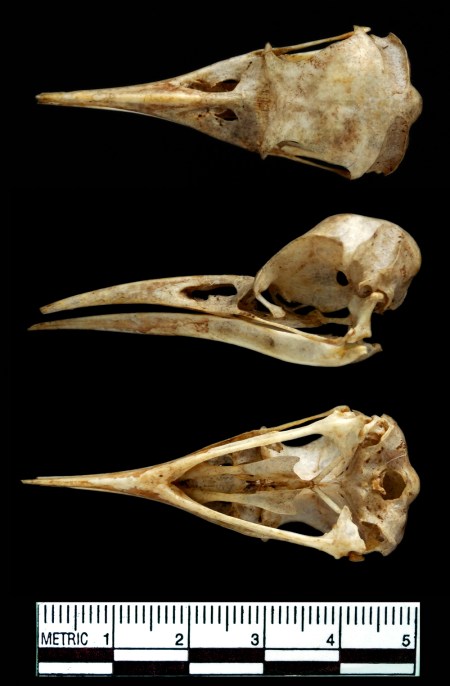
On Friday I gave you this specimen to have a go at identifying:

mystery176

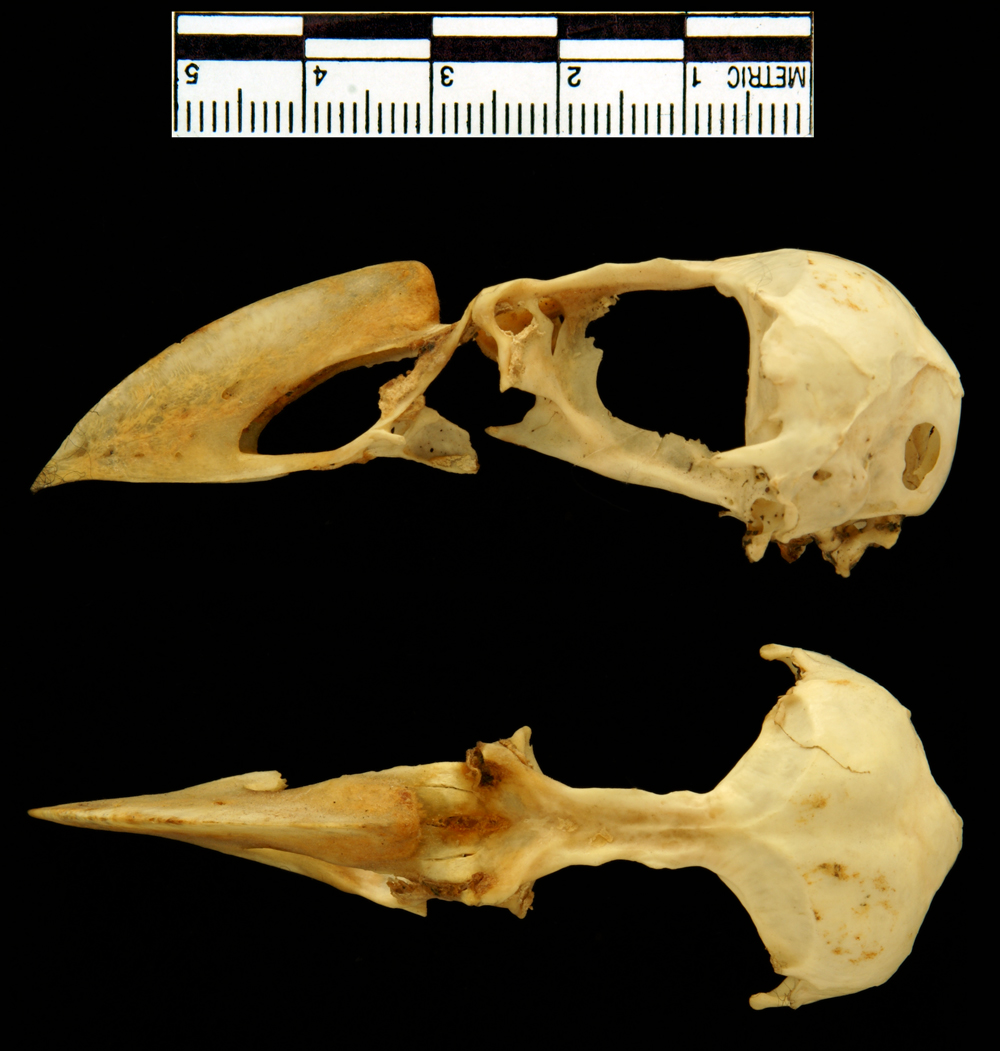
It’s a specimen that I came across when sorting out the bird osteology collections in the Horniman stores.

Several of you came to the same conclusion as me about the type of bird, with Jake, palaeosam and henstridgesj all suggesting one of the  Continue reading

Friday mystery object #175 answer

On Friday I gave you this anthropological mystery object to identify:

I asked you what the teeth might have belonged to and where in the world might this necklace be from.

It’s always a bit tricky to identify worked material as it will often be different from what you’d see or expect in the wild state and you lose the context of the rest of the specimen. Nonetheless, these teeth are quite distinctive to a particular group of animals.

Barbara Powell, 23thorns and Robin got the right general area with suggestions of Islands in the South Pacific, in particular New Guinea. 23thorns also nailed the animal group with his suggestion of  Continue reading

Friday mystery object #174 answer

On Friday I gave you a bit of a tricky mystery object to identify:

I thought it might prove a tricky one and judging by many of the responses I wasn’t wrong. However, I was impressed by the speed with which the archaeologists managed to work it out – in particular Lena, Pocki and Robin.

This piece of bone is the  Continue reading

Friday mystery object #171 answer

On Friday I gave you this fragment of bill to identify:

It’s quite distinctive in shape, so I shouldn’t have been surprised when so many of you came to the same conclusion as I did about what it was from. As it is, everyone recognised this as being part of the bill from a member of the Phalacrocoracidae (Cormorant family). Well done everybody!

There are around 40 species of Cormorant, so getting this to species is a bit more tricky and a few possibilities were mooted. However, the two which best fit the shape and size of this bill are the Little Black Cormorant Phalacrocorax sulcirostris and the European Shag Phalacrocorax aristotelis. A quick comparison of the two on the excellent SkullSite.com (P. sulcirostris and P. aristotelis) show that the bill proportions and shape of the bony palate in the mystery specimen are closest to the  Continue reading

Friday mystery object #170 answer

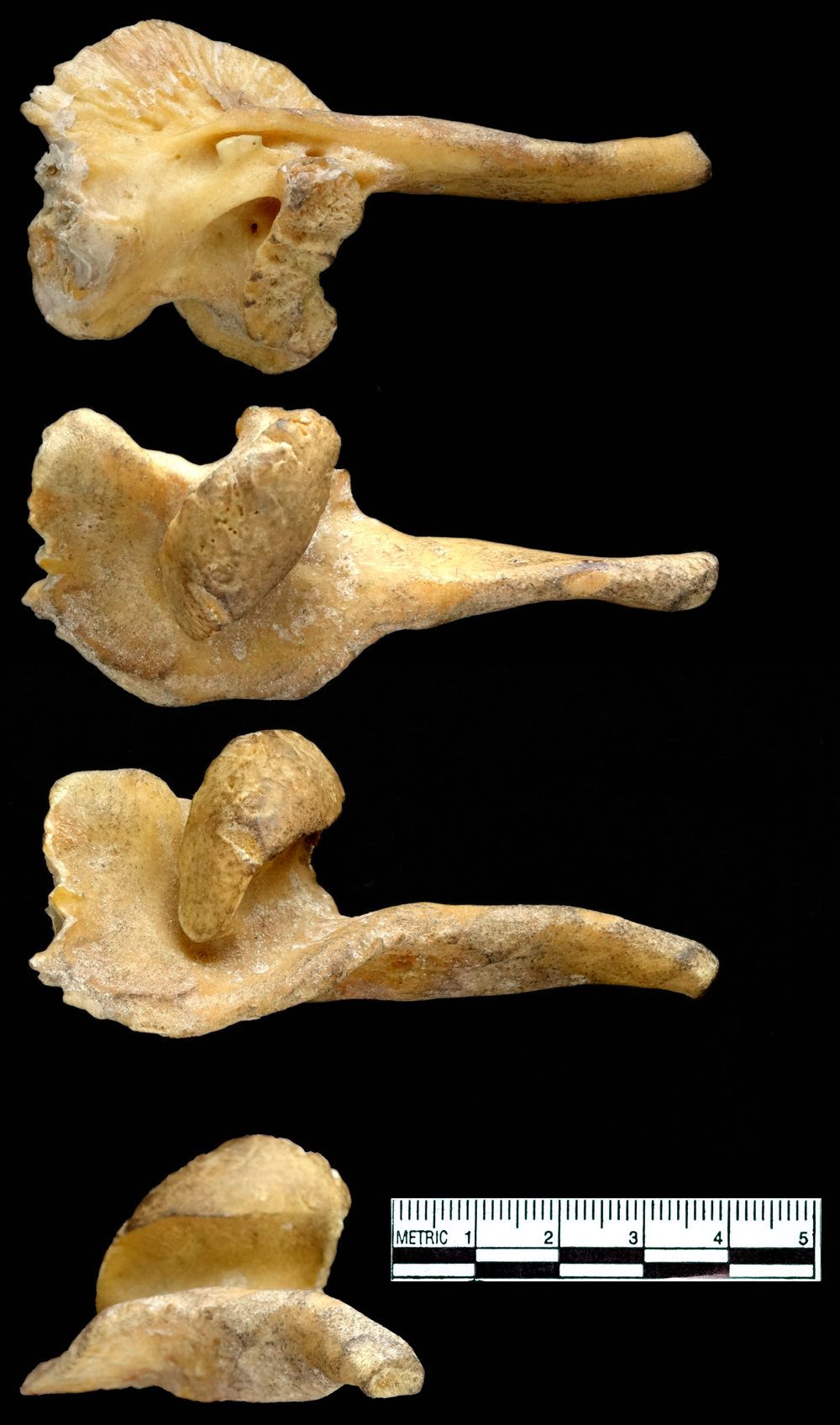
On Friday I gave you this pair of bones to identify:

It didn’t take long for the type of bone to be identified, with Anthony Wilkes immediately spotting that these are the quadrates of a bird. Then things got more tricky as the type of bird became the focus of the identification.

Robin was the first to recognise the family and likely type of bird, with henstridgesj concurring, with the agreement being on these quadrates being from a  Continue reading

Friday mystery object #169 answer

On Friday I gave you this specimen to identify:

It was one of those specimens that if you’d seen one before it was easy, if not it’s quite hard to work out.

In gross shape the skull has some similarities to that of a reptile, perhaps something like a Monitor lizard (albeit a little narrower). However, it actually belongs to a fish.

Cam Weir recognised this and managed to identify the kind of fish to genus and then species level, along with henstridgesj, 23thorns, Barbara Powell and Robin. Leigh and Ethan were also in the right ball-park with their identifications. This is the skull of the  Continue reading

Friday mystery object #168 answer

On Friday I gave you this specimen to identify:

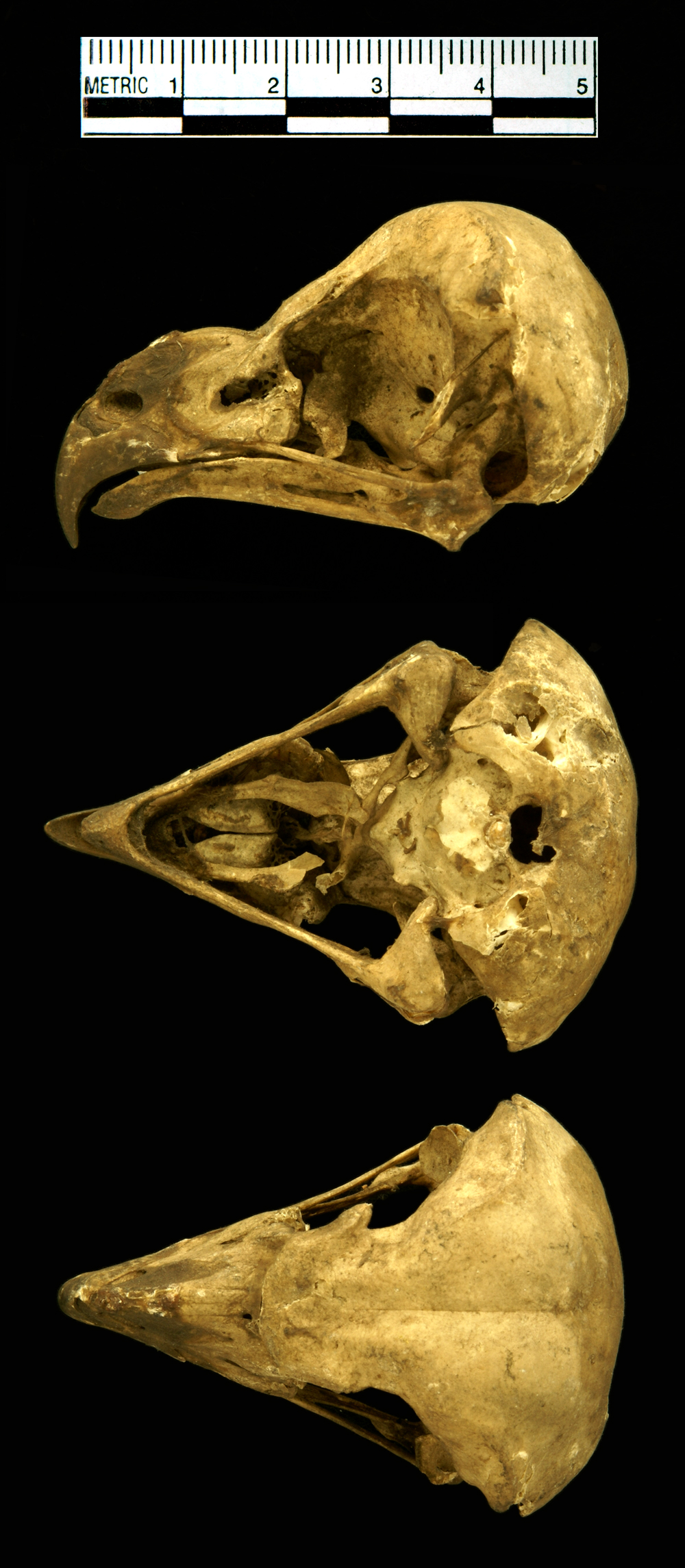
As I suspected, the distinctive shape of the skull makes this specimen easily recognisable as an owl (family Strigiformes). However, there are a couple of hundred species of owl, so there were plenty of possibilities to make a more specific identification.

This specimen has quite a distinctive slope to the forehead in profile view and a very clear groove down the midline of the cranium, which combined with the length of around 58mm narrowed down the likely suspects considerably.

Jake was the first to suggest the species I think it’s most likely to be, with palaeosam suggesting the other possible option and RH cautiously suggesting both. This skull belongs to an owl in the genus  Continue reading

Friday mystery object #166 answer

On Friday I gave you this great skull from the Grant Museum of Zoology to identify:

A big list of you (Mieke RothJakemcarnall, Anthony wilkes, 23thorns, Cam Weir, henstridgesj, Rhea, leigh and Robin) managed to work out what this specimen was from and there were some really interesting explanations about how you came to your conclusions in response to Steven D. Garber’s comment:

Now, I’d like it even more if people explained why this skull looks the way it does.

This is a really interesting thing to consider, as it underlies the process of recognition and identification. As a biologist I might start by saying that the lacrimal foramina is on the edge of the orbit (as henstridgesj pointed out) which is indicative of a marsupial and that the dentition is indicative of a carnivorous mammal that isn’t a member of the placental Carnivora as it lacks carnassials, plus the dental formula appears to be ‘primitive’ from the photo ?.1.3.4/?.1.2.4 which narrows down the possibilities to just a few marsupial carnivores, and given the scale of the skull there is just one that fits the bill.

However, if I’m honest I’d say that the overall shape and robust structure of this specimen is very similar to specimens I’ve seen before belonging to the  Continue reading

Friday mystery object #164 answer

On Friday I gave you this object to identify:

It was a bit of a tricky one, since a few vertebrae aren’t a huge amount to go on. However, the large size helps narrow it down, as do the distinctively long neural spines.

As Ric Morris and henstridgesj spotted, the vertebrae are very compressed, not providing much scope for movement, suggesting an animal that relies on a rigid backbone for support and transferring large forces. This is not something you see in whales (at least not after the cervical and first few thoracic vertebrae), since water supports their weight and they maintain some flexibility in their spine for changing their orientation in the water when swimming. That leaves us with very few terrestrial mammals big enough to have vertebrae of this size – particularly considering that these vertebrae are from a juvenile animal.

The neural spines are long, but not laterally flattened. This suggests that they are not from a large Buffalo, Hippopotamus or Rhinoceros, since all of these animals have their neural spines orientated as a dorsal blade. The only animal of the right size that has dorso-ventrally flattened neural spines in the mid-thoracic region (that I’m aware of) is the  Continue reading

Friday mystery object #163 answer

On Friday I gave you this object from the collections of the Horniman Museum to identify:

The specimen had lost its label at some point in the past, so I had to identify it myself and was hoping to get your opinion on what it might be.

When I first saw it I noticed an odd scar running diagonally across the top of the cranium, which made me wonder if it was some kind of marine bird with an odd salt glad. Then I realised that the scar indicated something else entirely, which gave me the clue I needed to make the identification.

It seems that most of you also noticed the scar and came to similar conclusions, so  23thorns, cackhandedkate, Ric Morris, Jake and Steven D. Garber all recognised it as a woodpecker of some sort and given the length of the skull rachel and henstridgesj arrived at the same conclusion about species as I did, which is the  Continue reading

Friday mystery object #162 answer

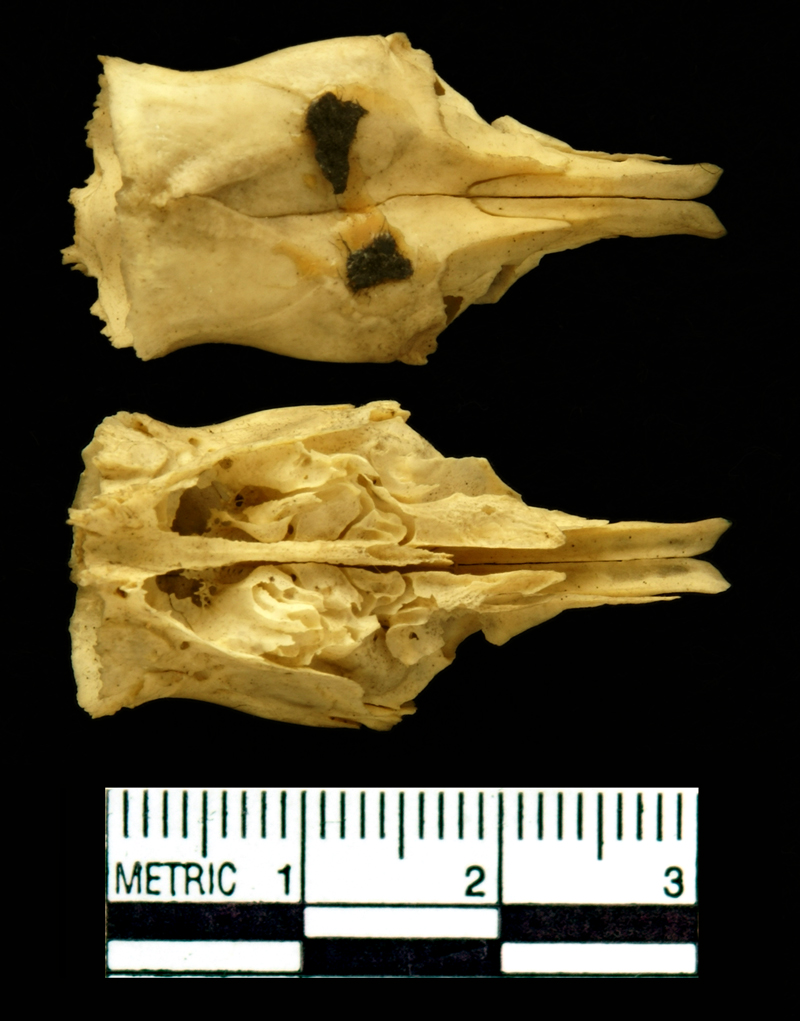
On Friday I gave you this interesting cranium to identify:

Everyone recognised it as belonging to a fish, but the species was a bit more difficult to identify. Nonetheless jackashby, hestridgesj, Ric Morris and Cody all correctly converged on it being from an  Continue reading

Friday mystery object #161 answer

On Friday I gave you this bird skull to identify:

Most of you managed to identify it pretty easily – Robin suggested something in the right family, while Ric Morris, henstridgesj, Matthew King and Jake all managed to work it out to species. This is the skull of a  Continue reading

Friday mystery object #160 answer

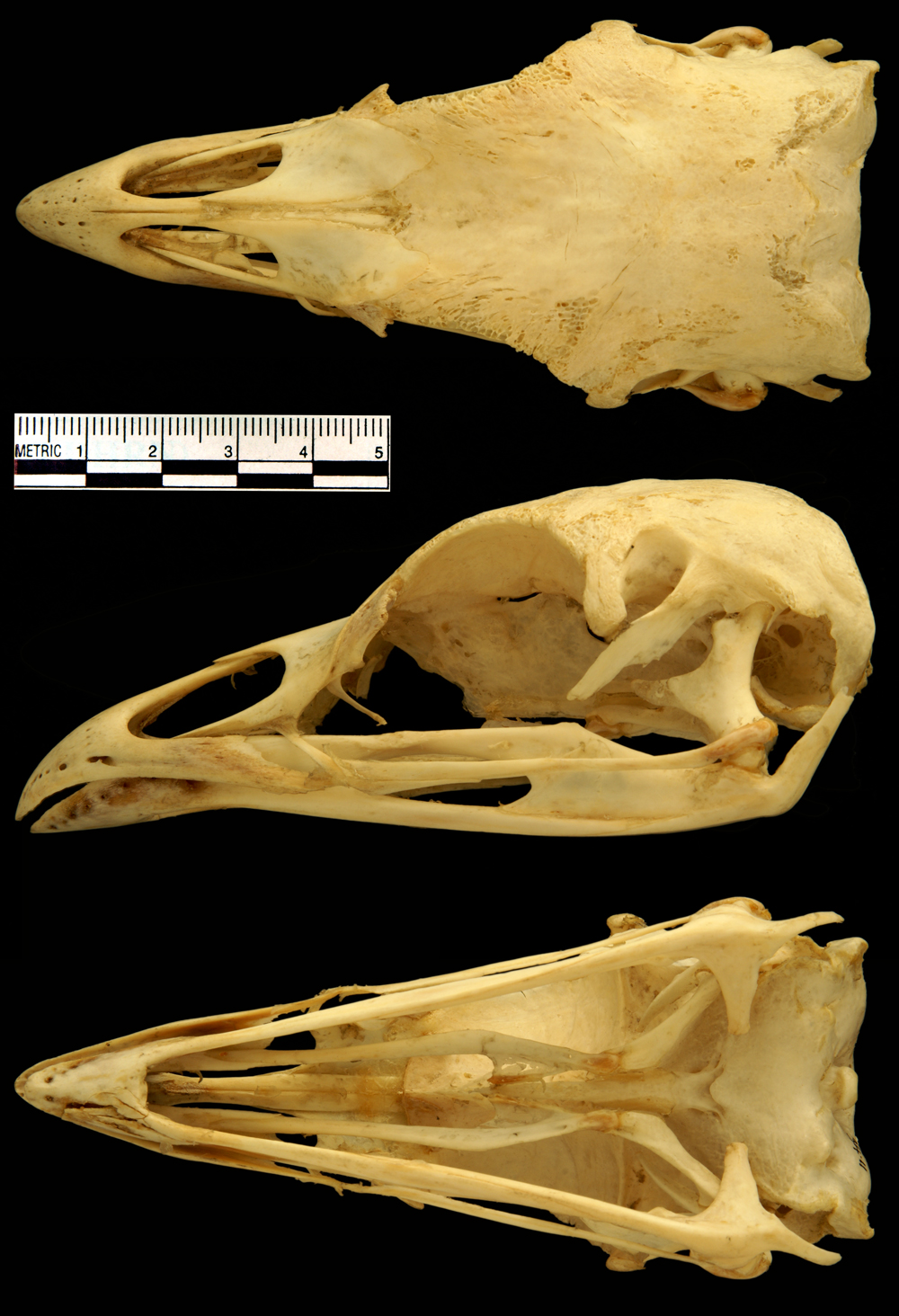
On Friday I gave you this distinctive looking bird skull to identify:

On Twitter and Facebook there were incorrect suggestions of Toucan and Flamingo, but in the comments here Ric Morris dropped a heavy hint at the correct species identification within 6 minutes of the mystery object being posted, with hestridgesj and 23thorns also getting the right species a little later.

This skull was listed in the Horniman’s 1934 Natural History register as Corvultur abyssinicus, a species name that to the best of my knowledge has never been scientifically recognised. But the name suggests a vulture-like corvid from Abyssinia – or what is now called Egypt. This information plus the distinctive size and shape of the skull and bill led me to surmise that the specimen is from a  Continue reading

Friday mystery object #159 answer

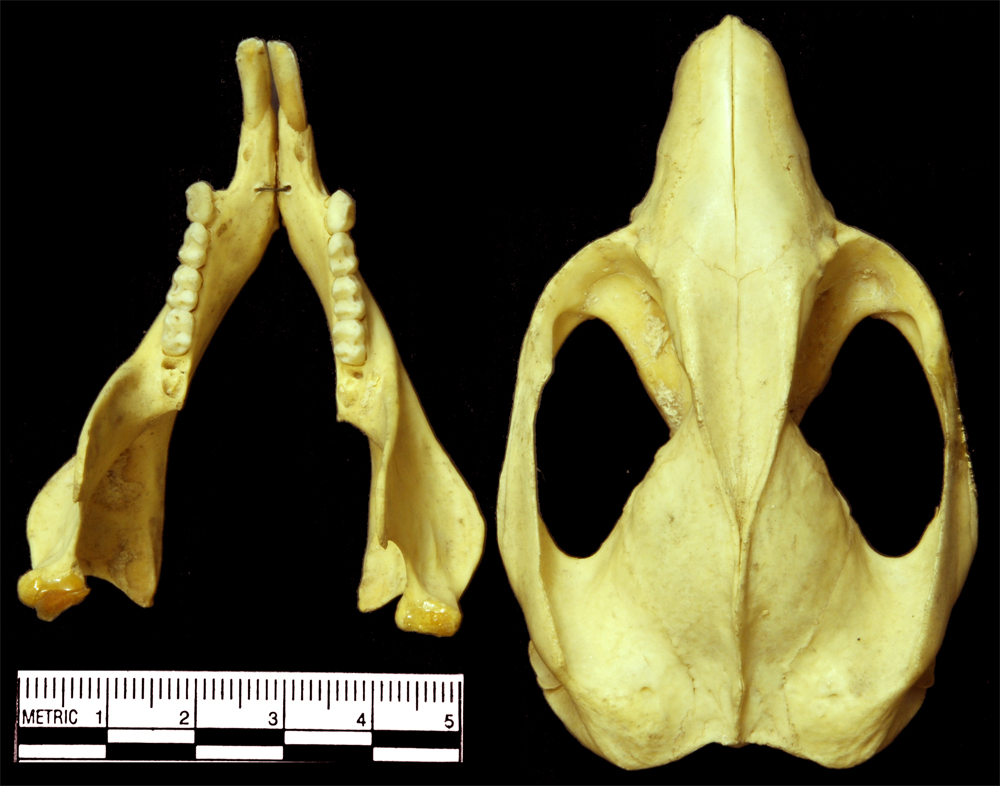
On Friday morning I gave you this skull to identify:

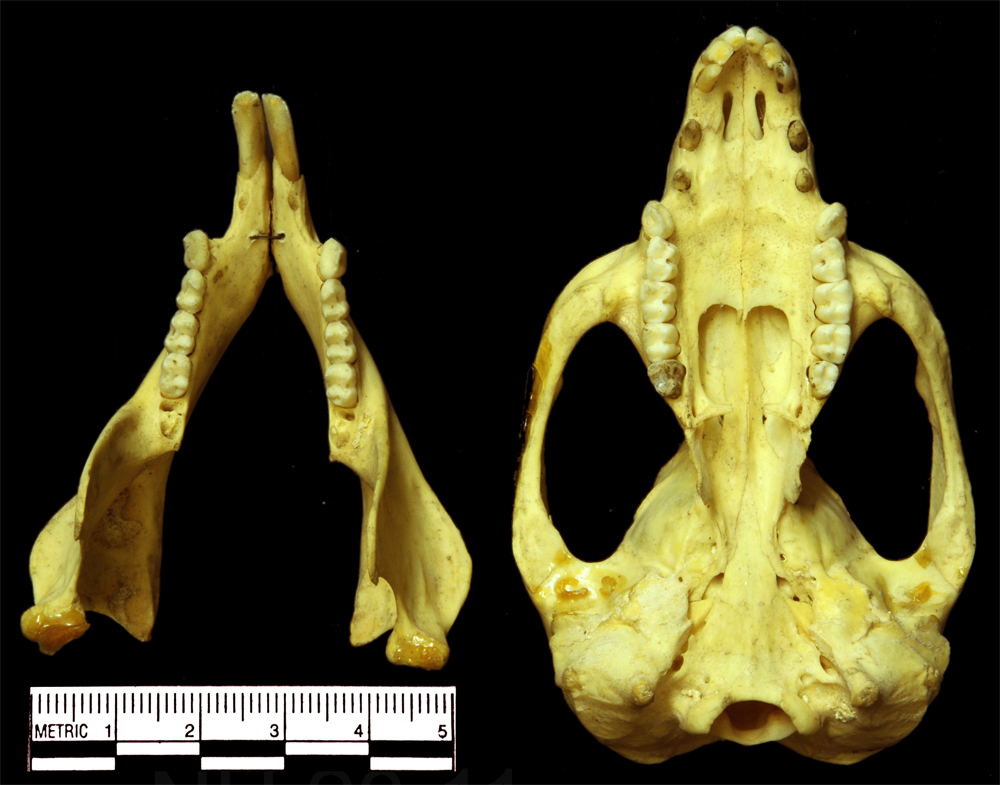
Then at lunchtime I added this image of the underside of the skull to make the task a bit more manageable:

Before the second image was added most people were thinking that the specimen was some sort of large rodent due to the pair of incisors in the mandible and the skull shape reminiscent of a Beaver. However, the second image shows the teeth in the upper jaw, clearly showing way too many incisors for the specimen to be a rodent, not to mention the fact it has canines and caniform premolars.

At this point it became clear that the skull was from a Marsupial and the identifications started getting a lot closer to the correct species. Several people suggested that this skull belonged to a Brush Tailed Possum and it’s easy to see why – they have very similar skulls. As you might expect this species and the Brush Tailed Possum are in the same family (Phalangeridae). The main visible differences are that the Brush Tailed Possum has a narrower skull with a less well developed zygomatic region (cheek bone). They also tend to have a less well-developed caniform first premolar.

As we’ve seen before these small differences in skull shape and size can be due to differences within a species – perhaps due to age or sex of the animal. This means that there may be a chance the the specimen is a Brush Tailed Possum, but the similarity between the dental configuration of this specimen taken in consideration with the slight differences in skull shape suggest to me that this is a  Continue reading

Friday mystery object #158 answer

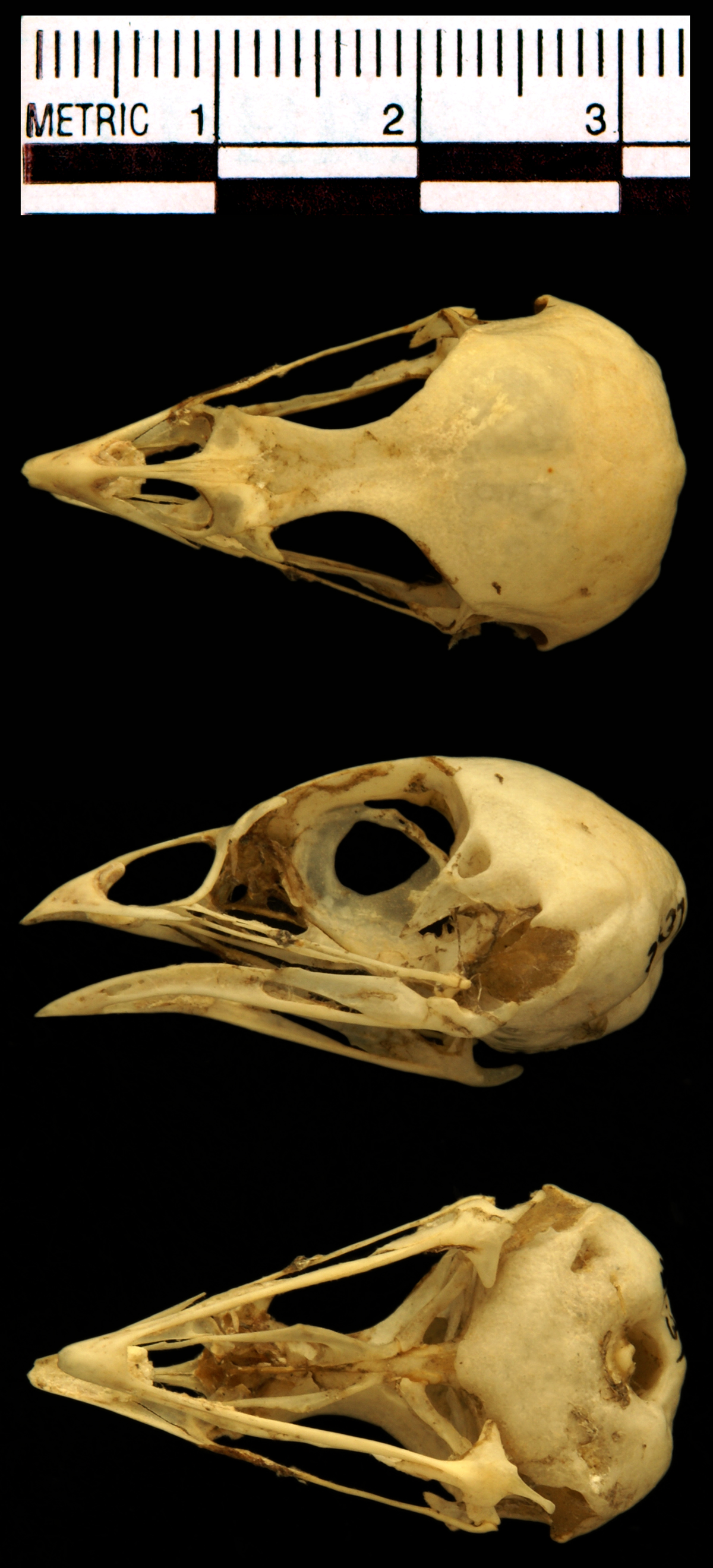
On Friday I gave you this small bird skull to identify:

I though that the small size might lead you into thinking it was from a songbird – and there were a couple of you who were caught out by my cheap trick, with suggestions of Meadow Lark and Dunnock.

However, as you’ve probably worked out, it isn’t actually a songbird skull. Rhea misread the scale as being inches rather than centimetres and thought that this was a Chicken skull – which although wrong is in the right family (just a lot bigger!). The distinctive profile than Rhea spotted, combined with the small size meant that Ric Morris, palaeosam and Robin all managed to recognise this as the skull of a  Continue reading

Friday mystery object #157 answer

Apologies for a late and rather short answer to last week’s mystery object, I was in Scotland for the wedding of a very good friend this weekend and haven’t had much time for writing.

On Friday I gave you this skull to identify:

It’s pretty distinctive and I wasn’t surprised to see the correct identification popping up in short order. The big scars above the eye sockets indicate that this bird had large glands for extracting excess salt, which means it was a marine bird. The shape of the bill, particularly the mandible, is also quite characteristic and the wide triangular pterygoid bones of the palate are a give-away for this group.

Pterygoid region highlighted

Pterygoid bones highlighted

Ian managed to get the correct species identification within the first hour with Barbara Powell and Robin reaching the same conclusion after some comparison at the very useful Seabird Osteology website. This is the skull of a  Continue reading

Friday mystery object #156 answer

On Friday I gave you this mystery object to identify:

It proved a bit more tricky that I had expected, but given its fragmentary nature I suppose I should’ve expected it to pose a challenge.

As it turns out henstridgesj managed to identify it on the basis of it looking like roadkill – an unusual diagnostic feature, but in this case it was spot on. Robin, biologycurator and Jamie Revell also agreed with the identification of  Continue reading

Friday mystery object #155 answer

On Friday I gave you this mystery skull to identify:

It’s not particularly complete, but the bill is very distinctive so most of you got the correct identification. Well done to Ric Morris, Barbara Powell, Jake, biologycurator, henstridgesj and Robin for spotting that this is the skull of a  Continue reading

Friday mystery object #154 answer

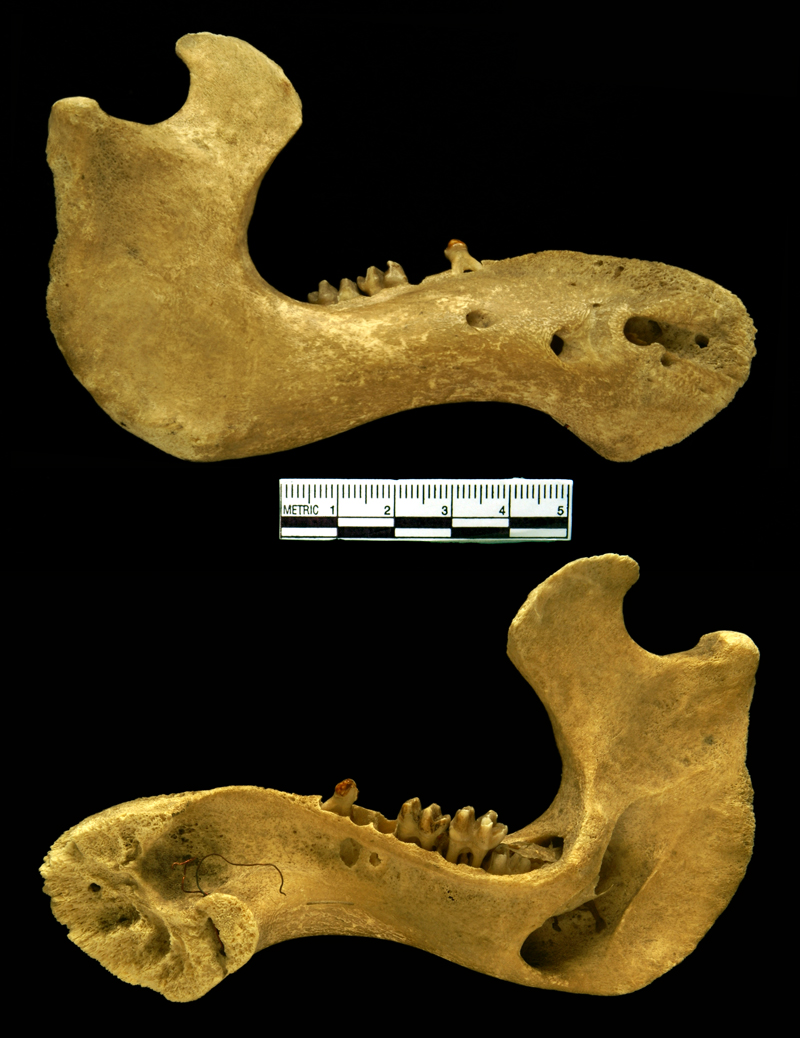
On Friday I gave you this very distinctive object to identify:

As I suspected, everyone correctly worked out it was a half mandible from a Sirenian – probably a Manatee. So well done to Barbara Powell, henstridgesj, Robin, Ric Morris, Rhea, rachel, Jake, Andrea and Jamie Revell for getting the main identification.

Of course, it got a bit more difficult when it came to making a species level identification, as is often the case. There are three well recognised species of Manatee – the West African, West Indian and Amazonian. There is also the Dwarf Manatee, which is a potential species in its own right or perhaps subspecies of the Amazonian Manatee.

Several people plumped for the Amazonian species or the Dwarf Manatee based on the fact that the jaw doesn’t look robust enough for the other species. However, this mandible is from a juvenile, so that was a bit misleading. Based on the hook of the coronoid process (the highest bit of the lower jaw where the temporalis muscle attaches) and the angle of the mandibular symphyseal region (the bit where the two halves of the lower jaw would have joined together) I think this is most likely to be what Barbara Powell first suggested, the  Continue reading

Friday mystery object #153 answer

On Friday I gave you this fragment of an object to identify:

Many of the key features we look for when making an identification of a skull are in the facial region. The teeth are the most useful feature, but the relative proportions of the rostrum (muzzle) in the context of the whole skull and the particulars of the various elements that interconnect to make a skull all contain useful information.

It’s rather similar to recognising a person in fact – it’s much easier when you can see their face than it is when all you can see is the back of their head.

So how did everyone do? Well, there were various suggestions as to what it might be, but it was basically a guessing game, relying mainly on scale, gross morphology and the shape of the auditory bullae (aka the bulbous bit containing the ear bones). Most guesses focussed on the carnivores although there were some large rodents suggested.

I thought henstridgesj might have worked it out when he asked ‘Are the bullae double-chambered? Possibly, I can’t really tell, but if they are then it’s in the suborder Feliformia‘ and I answered in the affirmative, but the most obvious answer was somehow missed.

This object is almost certainly the rear part of the skull of a  Continue reading