Friday mystery object #387 answer

Last week I gave you this fuzzy critter to have a go at identifying:
wp-1595526730045.jpg

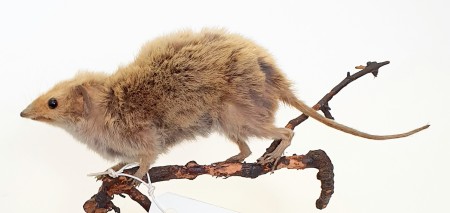
As I suspected, it proved to be tricky – small mammal taxidermy tends to be difficult, especially when it’s old, faded and a species that isn’t familar to many people. This specimen is a great example of that.

I’d love to be able to give you some clues for identification, but if I’m honest few of the distinguishing features of this species are visible (sorry!). The distinguishing features are apparently: white eye-ring (no sign thanks to fading), gray-brown fur flecked with white hairs (again it’s too faded), and a short tapering tail (just about).

This is a Dibbler or Parantechinus apicalis (Gray, 1842), which is also known as a Freckled Phascogale, Freckled Antechinus or Speckled Marsupial Mouse due to it’s flecked appearance (when it’s not faded…). Of all the comments I think Goatlips came closest with a suggestion of Antechinus, which is the genus that this species used to be included in.

These tiny marsupial carnivores feed on a surprisingly wide variety of animals, including mice, birds and lizards.

The Dibbler was declared extinct just one year after this particular specimen came to the Dead Zoo in 1883, but a couple of populations were later found in Western Australia. They’re still endangered and have a very small range, largely limited to small offshore islands where introduced predators like cats and foxes haven’t managed to spread – yet.

Friday mystery object #386 answer

Last week I gave you this taxidermy bird to have a go at identifying:

wp-1594323862183.jpg

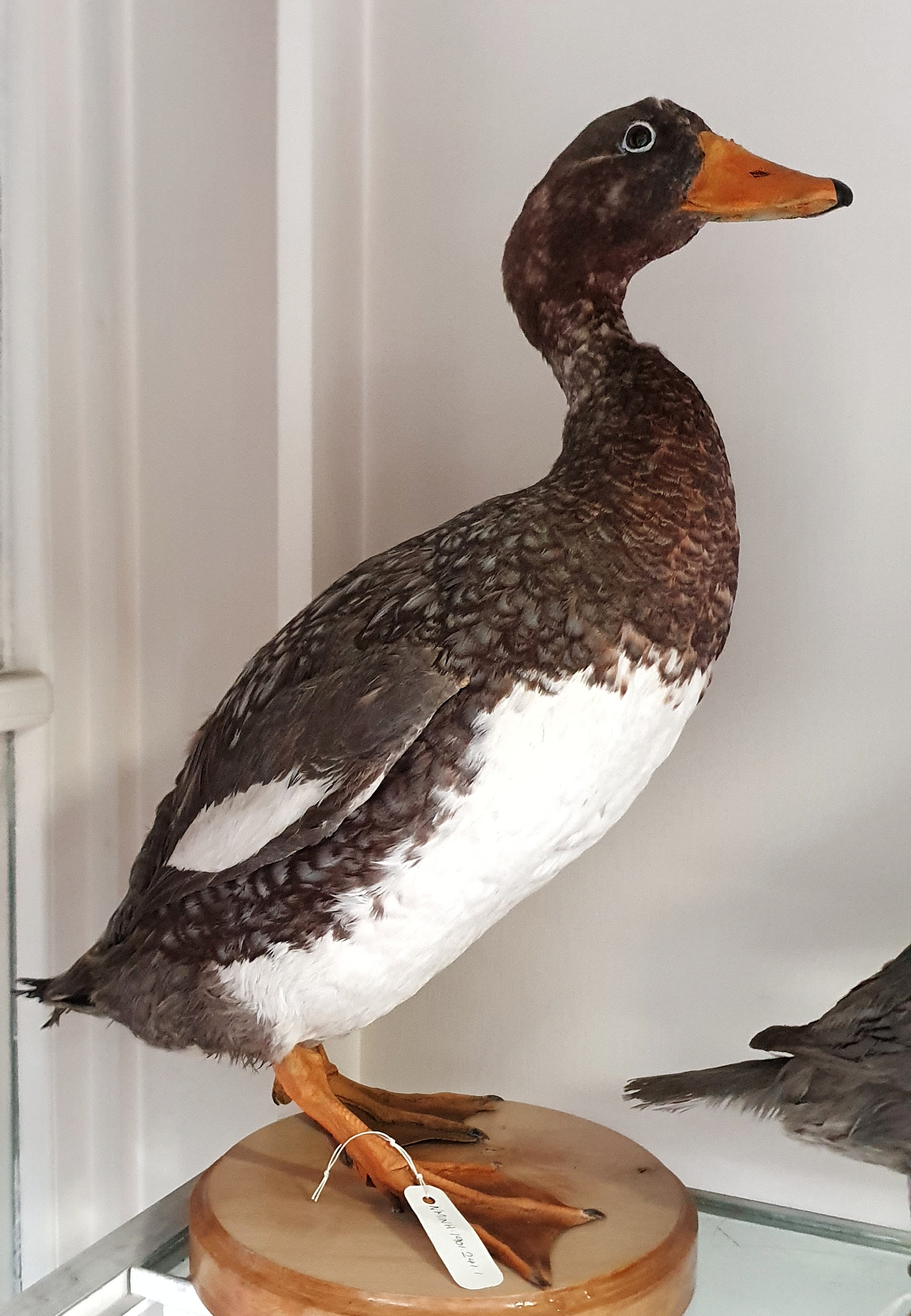
It’s fairly obviously a duck of some sort, but there are almost 150 species in the duck family Anatidae, so that’s not really enough information.

Of course, the ornithologists were up to the challenge of working out which type of duck this was, with Wouter van Gestel dropping hints at a Steamer Duck. If you’re not familiar with Steamer Ducks, they are in the genus Tachyeres, there are only four species and they all live at the southern end of South America.

Of the four species, only one (the smallest) can fly. The others are very large, heavy and flightless. They sometimes use their small wings as a power assist in fast swimming, using a style reminiscent of an steamer ship’s paddles – hence the name.

The small wings on this specimen, as pointed out by Allen Hazen, suggest that this is one of the three flightless species, ruling out the Flying Steamer Duck T. patachonicus as a possible contender.

The three remaining species are all very similar and although some images online suggest that only one species has an orange bill, they all have quite a bright yellow-orange bill following their moult that becomes duller over time. Of course, when dealing with taxidermy you can’t fully trust things like leg or bill colour as they can rapidly fade after death and they are usually painted to give an impression of the natural colour – sometimes with a bit of artistic license.

This particular specimen is identified as Tachyeres cinereus, which is not a valid species, so I was hoping there would be someone with a useful morphological hint to help distinguish between species, but most ways of distinguishing rely on comparisons of bill length, mass and size.

However, this specimen does have a collection locality – the Falklands. There are two species of Steamer Duck that occur on the Falklands and fortunately one of them is the species that flies and has already been ruled out, so it seems likely that this is a Falkland Steamer Duck Tachyeres brachypterus (Latham, 1790).

Pair of Falkland Steamer-ducks. Image by In Vitrio, 2018

So well done to everyone who said it was a Steamer Duck – I think that’s about the best identification possible from the information provided!

On an unrelated note – over the next few weeks my mystery object answers may be a bit on the brief side. Projects at the Dead Zoo are underway that are taking up a lot of my time, so I may struggle to find time for detailed answers. If you’re interested in what I’ll be doing you’ll be able to check out the #DeadZooDiary hashtag on Twitter and Instagram, which we’ll be adding things to starting next week. Exciting things are underway!

Friday mystery object #385 answer

Last week I gave you this large-eyed specimen to have a go at identifying:

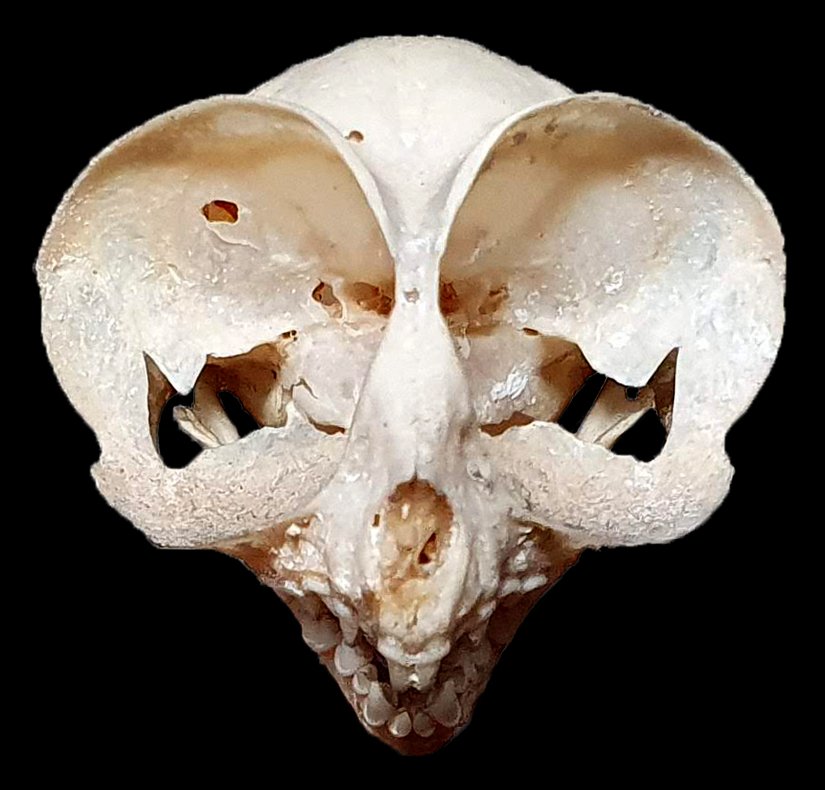
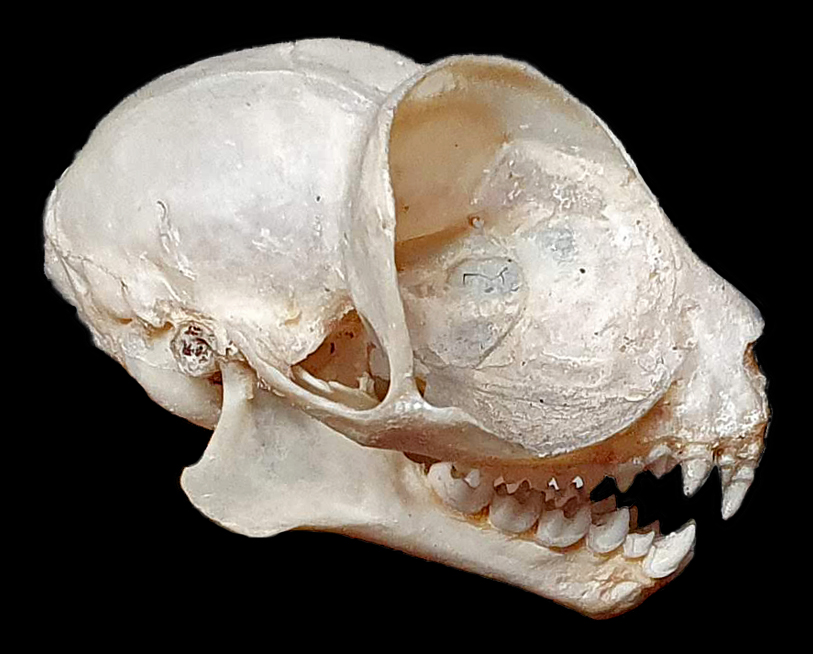
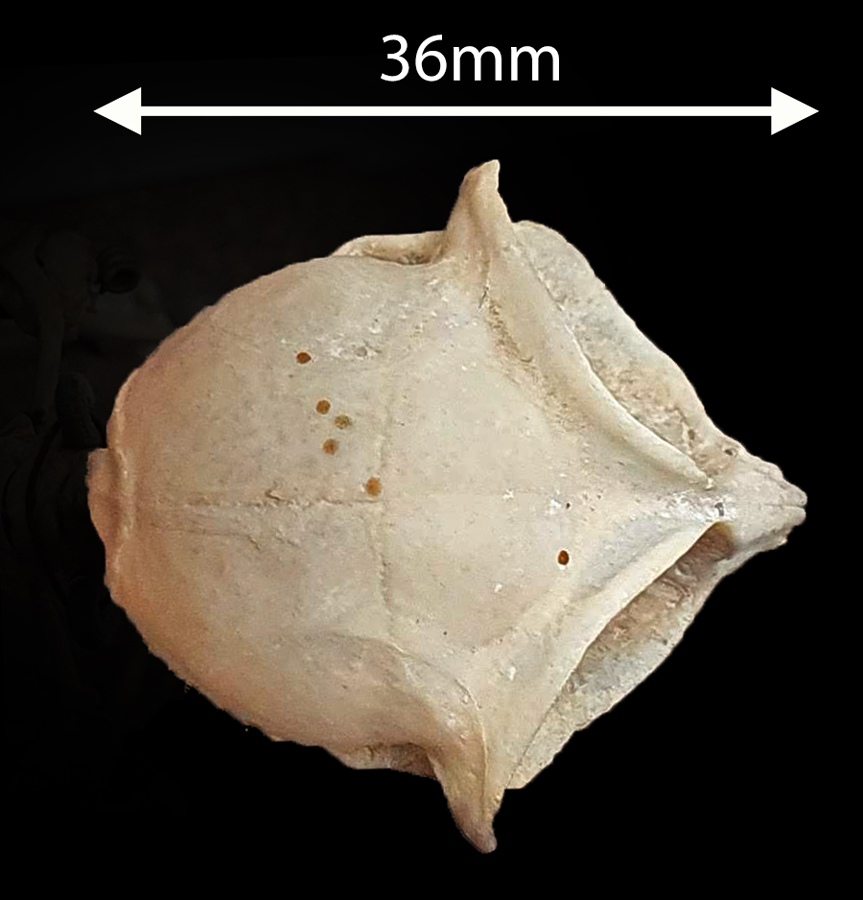
mystery385anteriormystery385lateralmystery385dorsal

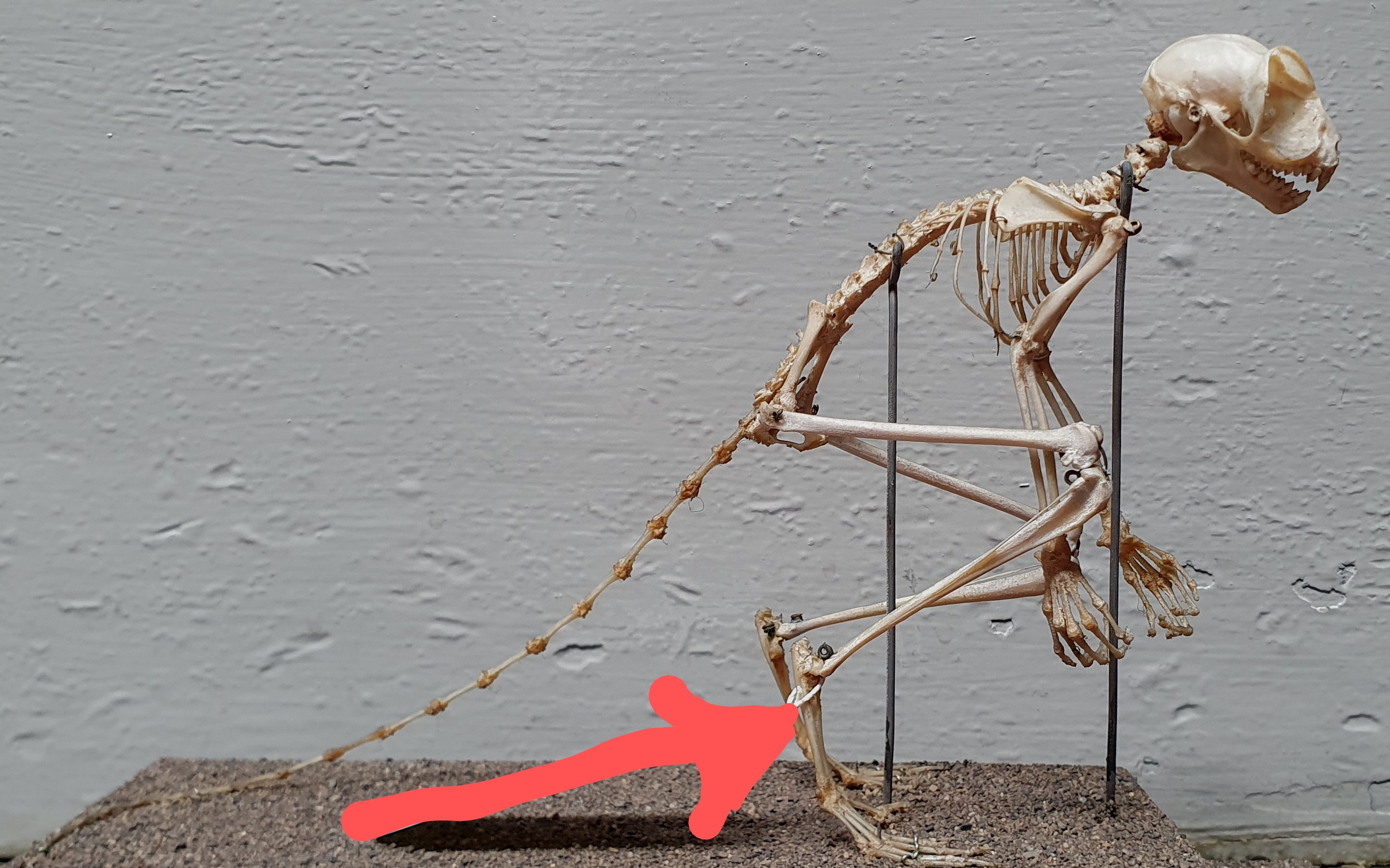
I suspected that you’d work out the family and perhaps the genus, and I was not wrong. On Twitter there were lots of correct suggestions and Hilary was straight in on the blog comments with a nice pun, followed by various ankle related clues from jennifermacaire, Rémi, salliereynolds, Allen Hazen, katedmonson and palfreyman1414. This is indeed a tarsier in the family Tarsiidae – their name relates to the elongated tarsal bones in the foot and ankle (see arrow) which elongate the legs to help with jumping between branches in pursuit of prey:

wp-1593719445040..jpg

There are a lot of species of tarsier, many of which require genetic data to tell apart – unless you know where they’re from. That’s why I gave you this clue:

wp-1593445090171..jpg

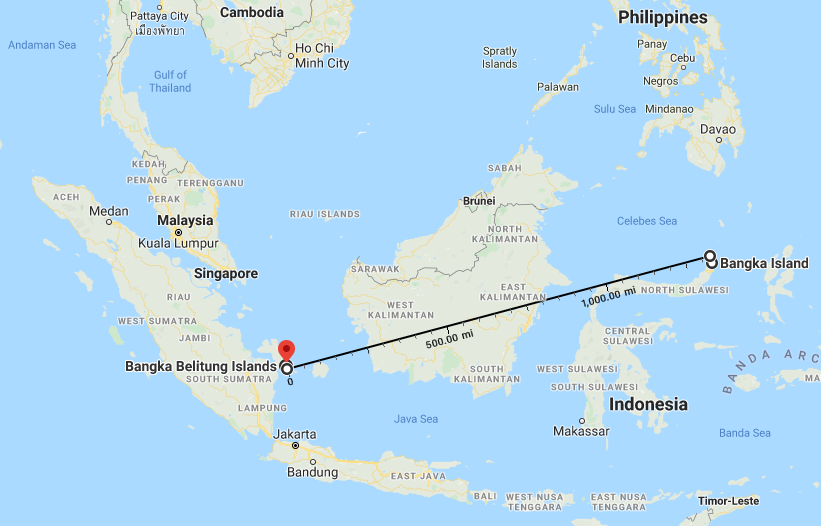
Of course, as far as clues go it’s a bit of a mean one, since a place with this name doesn’t exist now – or ever – from what I can tell. It seems that this is a typo of “Banka Island”, which isn’t simple either since there are two Banka (or more commonly Bangka) Islands in the East Indies, separated by over 2,000 km:

Bangka

This means there are a couple of possible collection localities, which have different tarsier species present:

Rémi and katedmonson suggested that the specimen could be Cephalopachus bancanus (Horsfield, 1821). The collection locality on the label would certainly fit the species, which was first collected by Horsfield from a place called Jebus on the Sumatran Bangka Island. But does the morphology fit?

After trawling the internet for reference images and trying to assess details like the straightness of the suture between the parietal and frontal bones, the angle between the orbital ridges (and therefore the size of the orbits), the post orbital constriction and the degree of ‘pinching’ of the nasal bones, I think that they’re probably right. So well done for working out this very tricky mystery object!