Below is Rachel’s follow-up guest post answer to last Friday’s challenging mystery object. Many thanks Rachel – it was a good one!
Well, I seem to have led you all a merry dance this week! Admittedly, it was sneaky to not include a scale bar or provide you with another view of the skull, but if I’d put the top view in I think it would have been game over in about five minutes…
As cromercrox so rightly pointed out, it is a bird skull. Many of the guesses tended towards water birds, with suggestions including goose, gull, and rail.
Manabu Sakamoto was the first to suggest a ratite, and later tentatively guessed ostrich, while Matt King went for a rhea.
Paolo and I actually thought it might be a rhea to start with, but after comparing it to an identified rhea skull in the collections and the ratite images on Skullsite, we decided that it is in fact an Continue reading →
I thought that it might prove a difficult one, but it seems I should have had more faith in the identification skills of my readers (you talented bunch), since the correct answer was delivered with little ado.
The long legs suggested that it was a wading bird to curatorialtrainee and Harry then tentatively suggested what turned out to be the correct answer, which was consolidated by the observations of henstridgesj and the input of David. Jake also spotted what bird this was by comparing the skull to the images on the very useful skullsite.comContinue reading →
Last week’s bird was so popular I thought I’d give you another to identify this week. It’s a bit harder than last week’s Kookaburra and I’ll be very impressed indeed if anyone gets it to species, but I’m sure many of you will manage to identify it to family level.
I will be teaching young folk about skulls and mermaids at Camp Quest in Somerset this Friday, so I might not get a chance to respond to comments, although I’ll do my best.
I was a bit taken aback by the response to the second anniversary mystery object last Friday. There were a huge number of comments and unfortunately I was tied up all day and was unable to respond – my sincere apologies!
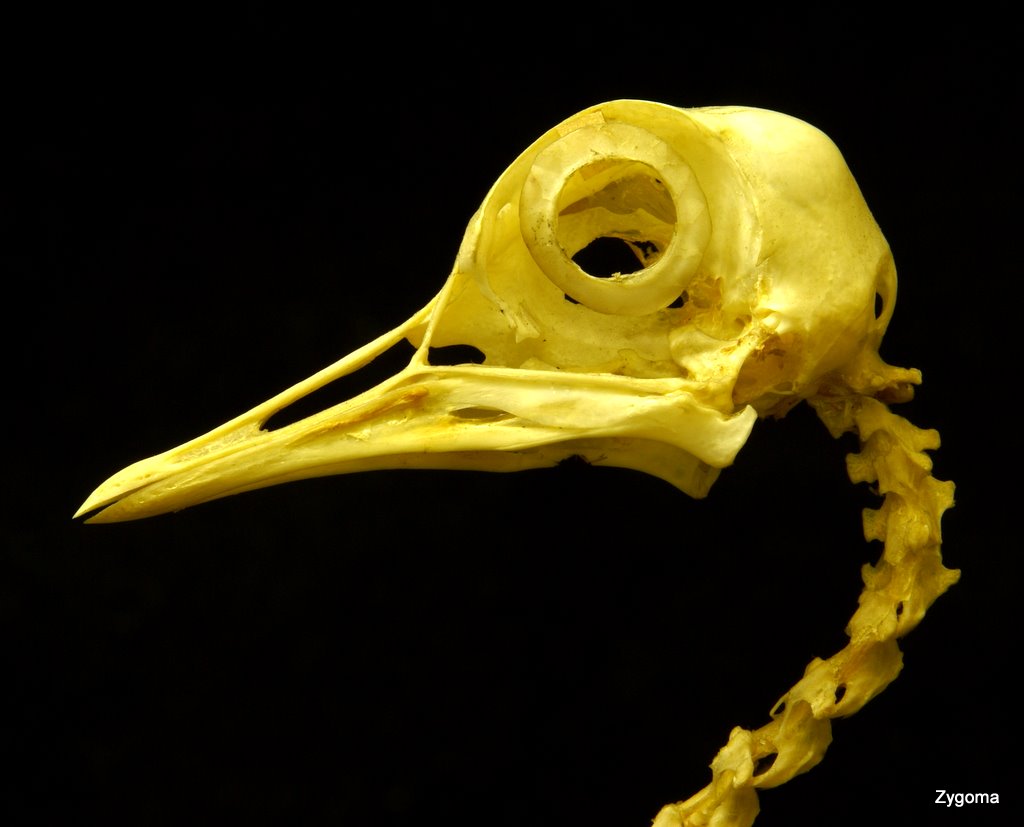
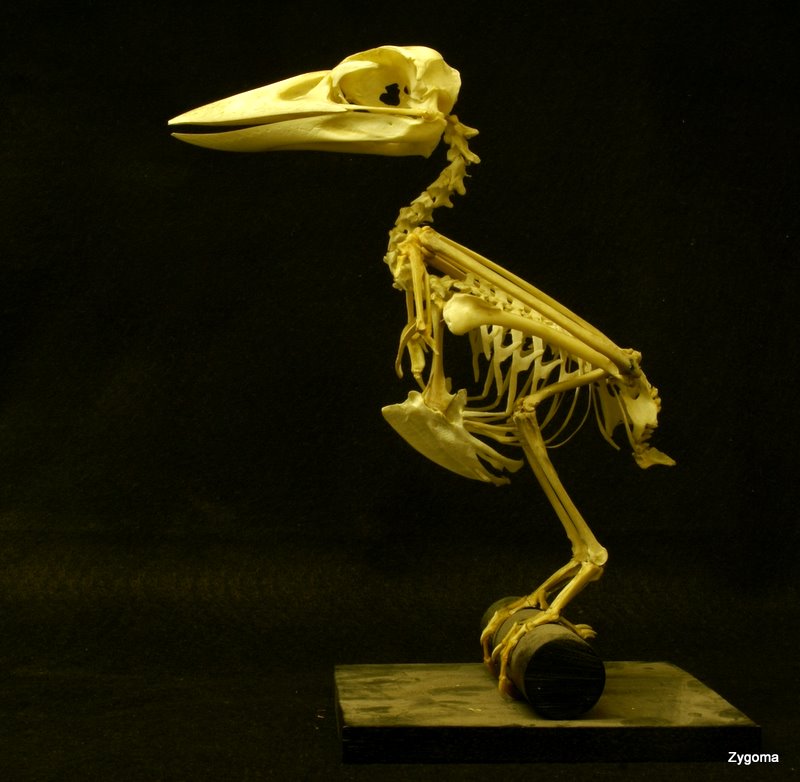
To give you a change from the usual mammal skulls I gave you this bird to identify:
It’s quite a characteristic bird, so I decided to make it more of a challenge by leaving out the usual scale bar – if you’re interested the head of this specimen is about 10cm long.
Obviously the comparatively large head and massive bill were key features that were picked up on, giving the following answers:
I’m pleased to say that the vast majority of you managed to get the correct identification; it is indeed the skeleton of a Kookaburra, more specifically the Laughing Kookaburra Dacelo novaeguineae (Hermann, 1783).
Laughing Kookaburra perched in a eucalypt tree. Taken in December 2008 in Victoria, Australia by Fir0002
These large antipodean kingfishers have a very distinctive call, which sounds to me like the laugh of a clown from a nightmare. In fact, I expect these birds are a bit of a nightmare for any small critters that live in their vicinity. That big robust bill is powerful and they use it to eat a wide range of animals including worms, snakes, rats and even some fairly decent sized birds.
They aren’t subtle about their hunting either. They simply grab their prey in their bill and smash it on the ground, on a branch or on a rock then swallow it whole. Often they keep smashing it for quite a while – after all, swallowing a live snake or rat probably isn’t a great idea.
If you look at the skull you might notice a deep groove around the back and a deep indentation on the lower jaw or mandible:
These are muscle scars and it’s quite unusual to find such impressive areas for muscle attachment in bird skulls, but then most birds don’t rely quite as much on brute force to catch and subdue their prey. Kookaburras mean business.
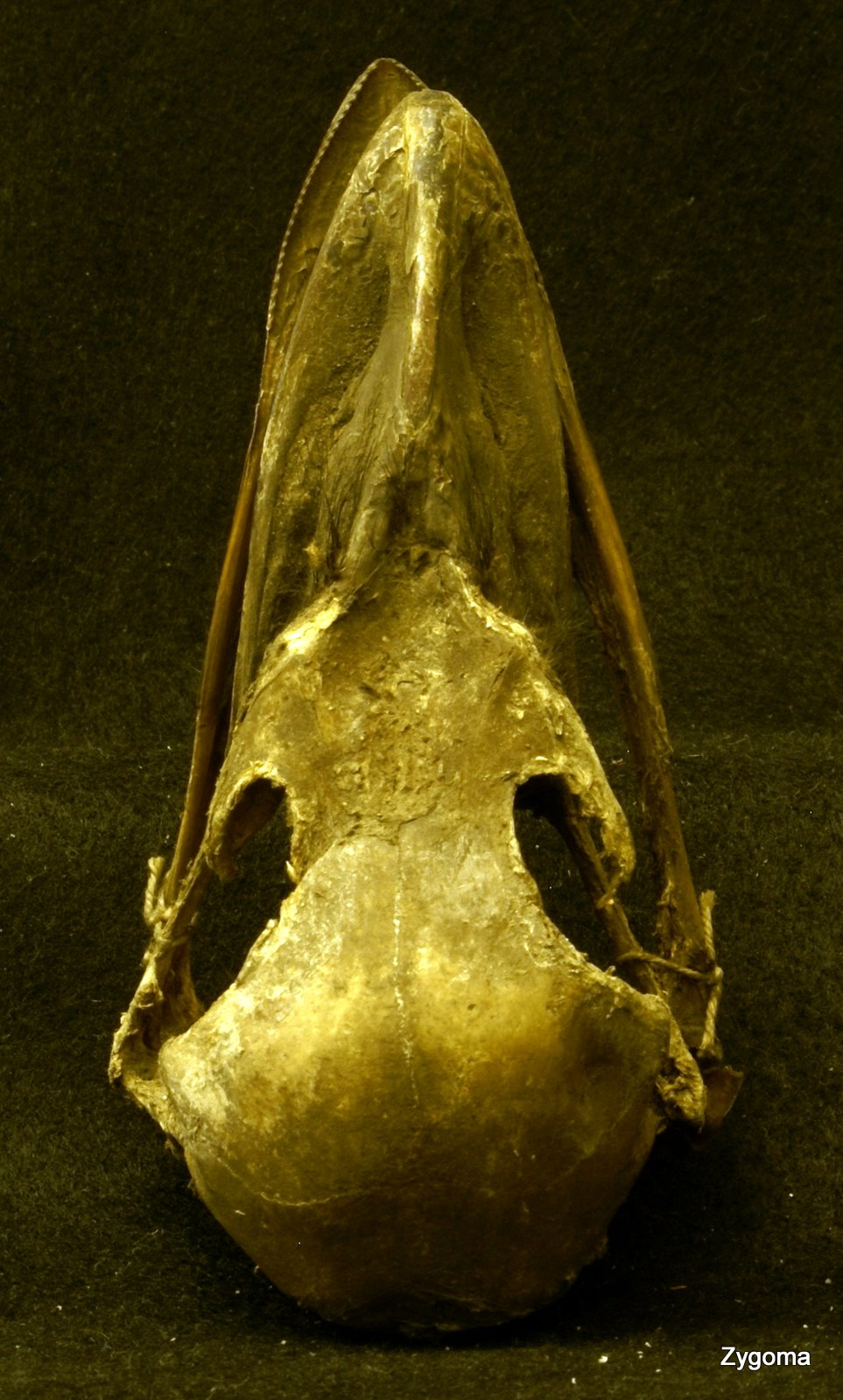
Well, it’s the second anniversary of the Friday Mystery Object – how time flies! Speaking of flying, I’ve decided to give you a bird skeleton to identify this week. Any idea what this is:
Comments below as usual – I’m sure that some of you will work it out straight-away, so please drop hints rather than give-away the answer to those less familiar with the anatomy of our feathered friends.
I thought it would prove quite straightforward for my astute audience and I was not disappointed. As usual Jake was the first to comment and he was spot on when he said:
I think it is some sort of big bird, it’s the braincase and […] the ear
The big bird Jake suggested was an Emu, which was slightly off as was CopilasDenis‘ suggestion of Cassowary and Cromercrox‘ suggestion of Rhea (although they all correctly spotted that this piece of skull was from a ratite). But Dave Godfrey finally picked the last remaining living ratite and the correct answer when he suggested it was Continue reading →
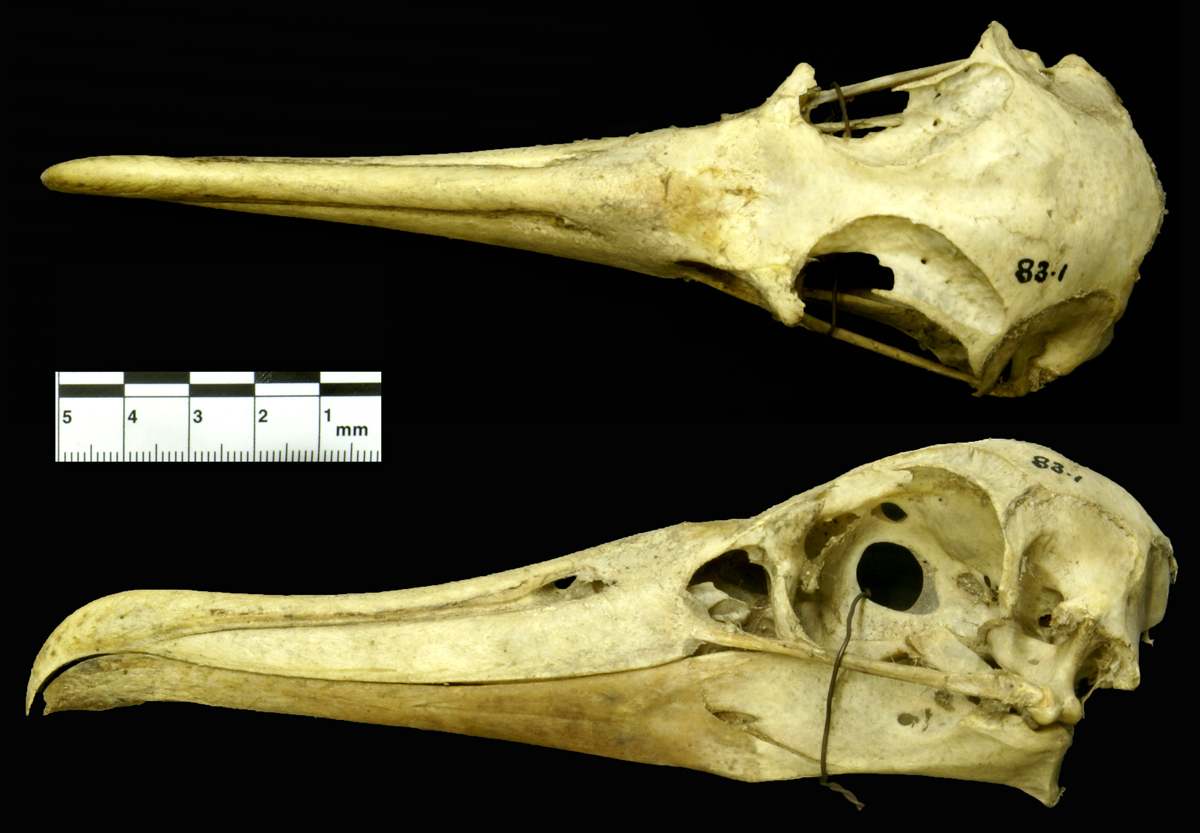
I don’t give you birds very often (GrrlScientist has that area well covered) and I’m mostly working with mammals at the moment, but following up on last week’s Gentoo Penguin I thought I might give you another bird from the Horniman’s collections. This is one that I’ve had to identify from the infamous box 83.1 and it was picked by my trusty minion Cat and our work experience student Tilly (thanks guys!). Here it is:
As usual, you can put your questions, observations and suggestions below and I’ll do my best to answer. Good luck!





 Zygoma