Friday mystery object #467

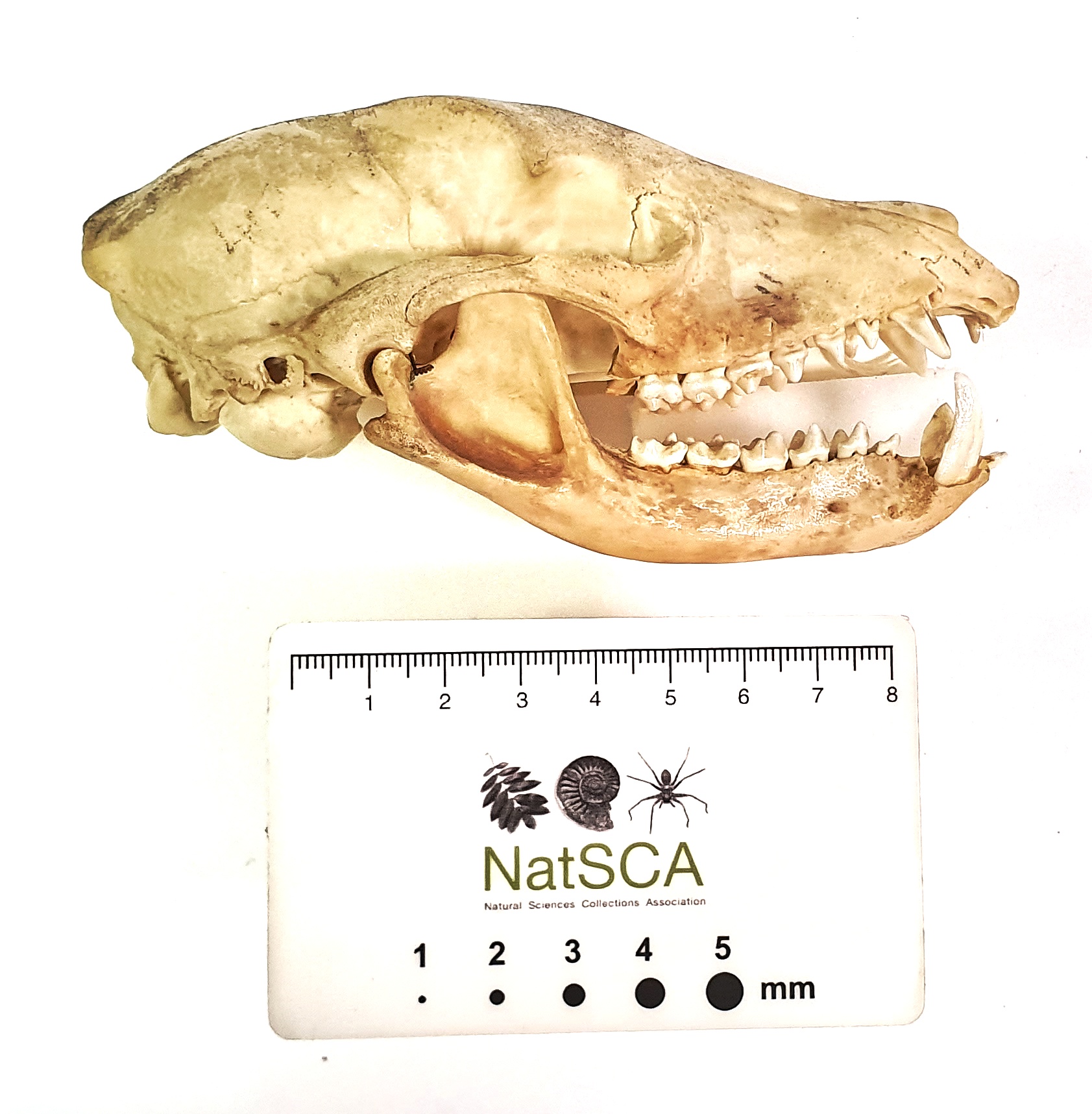
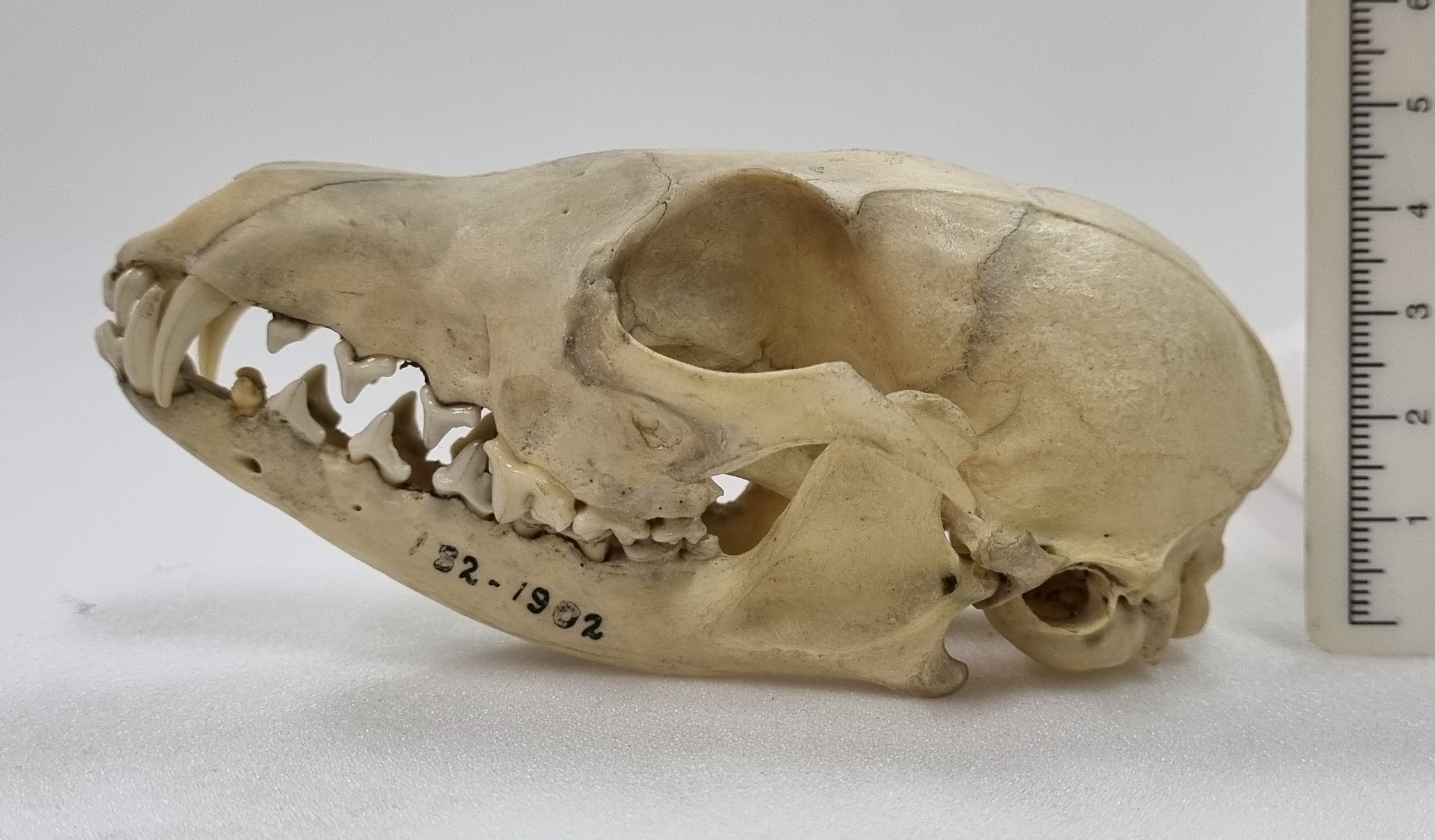
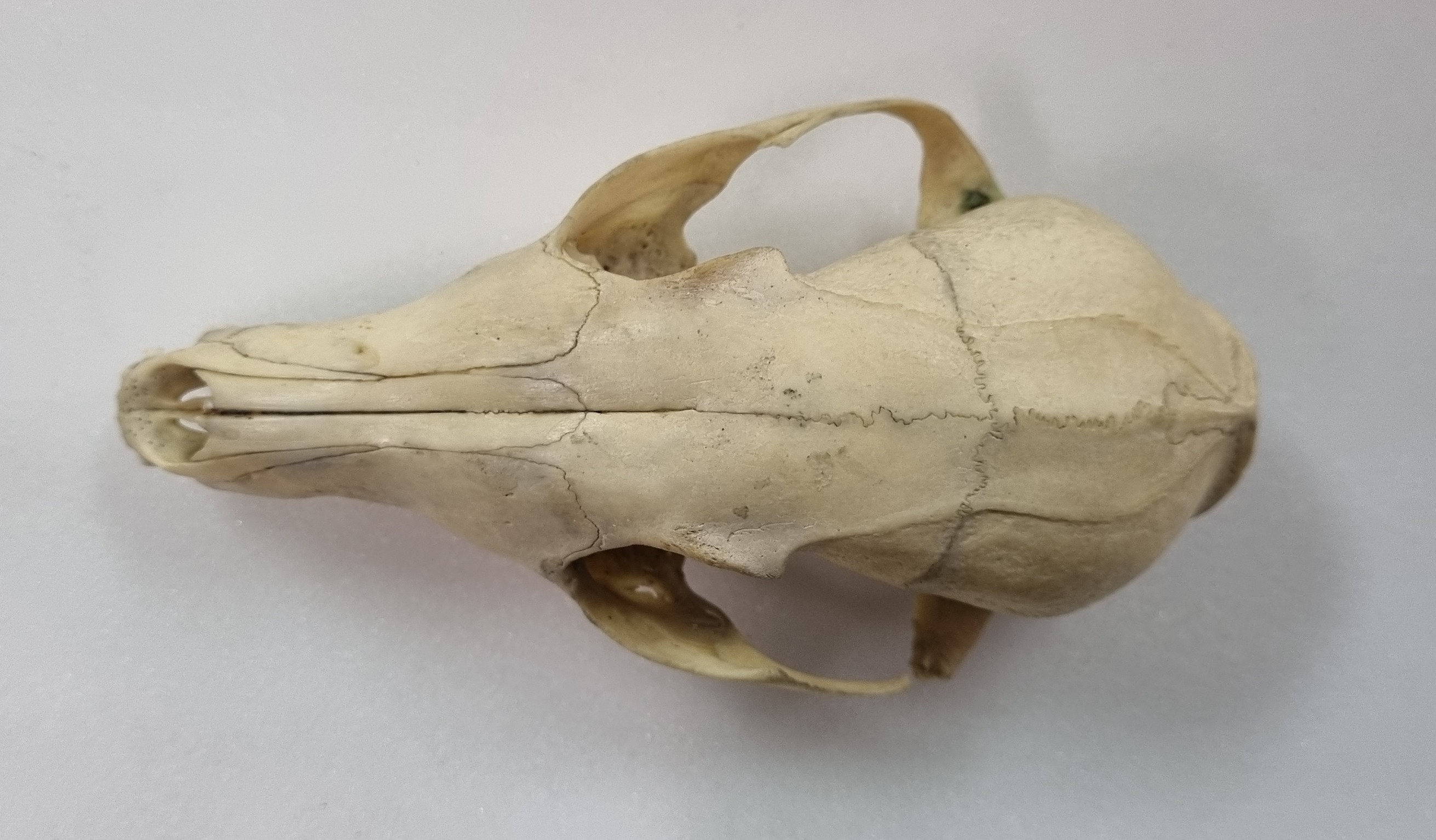
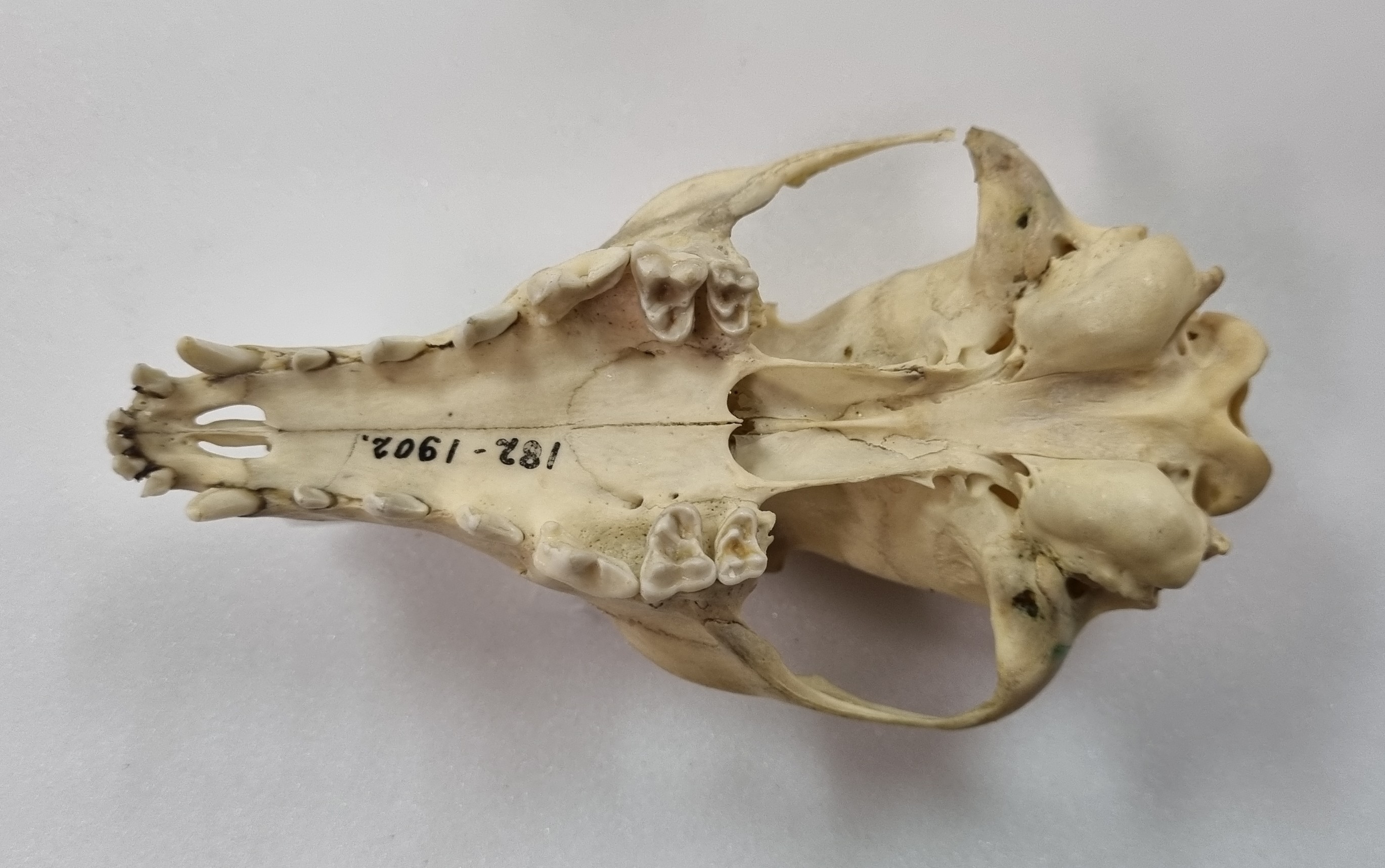
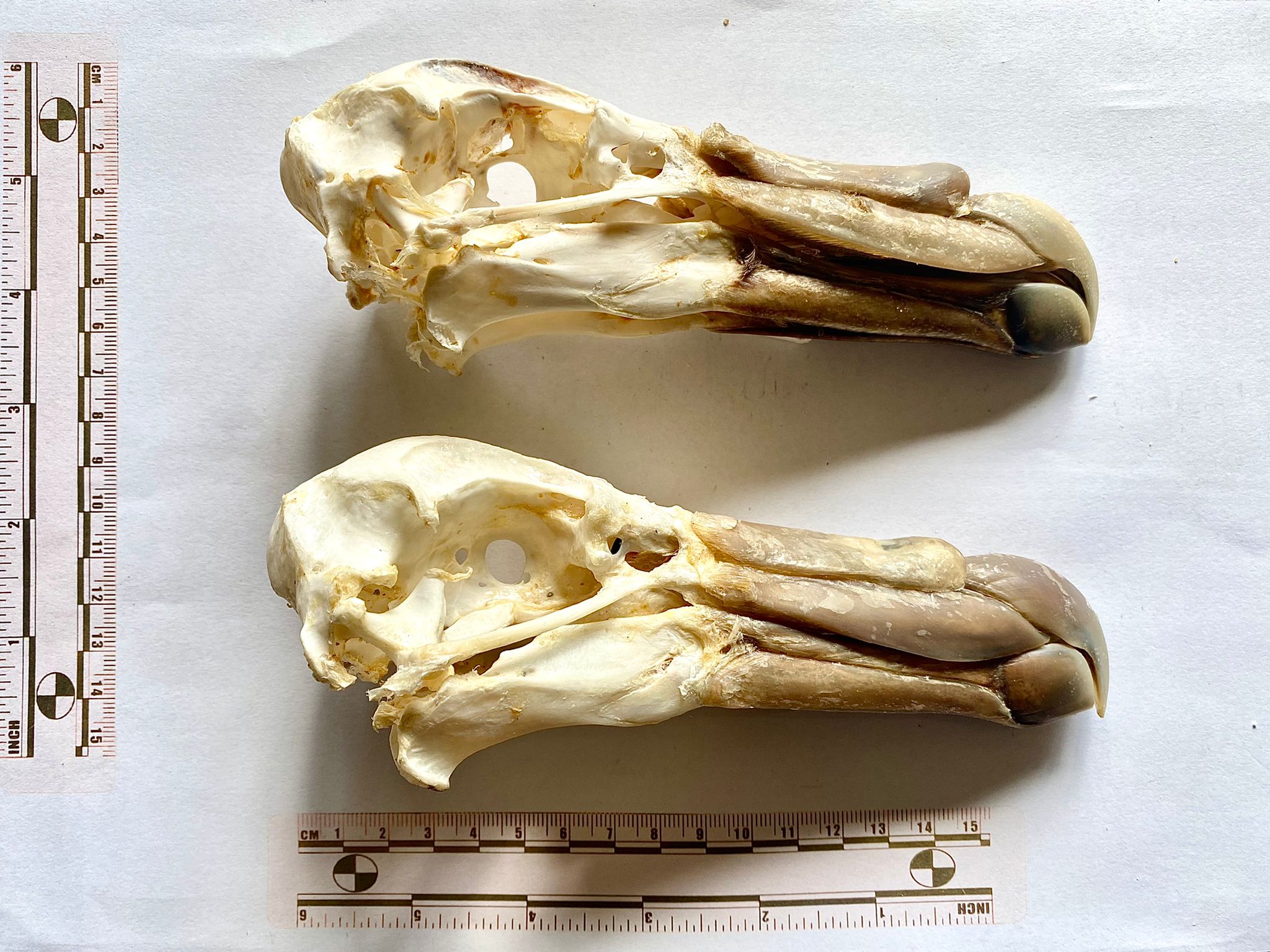
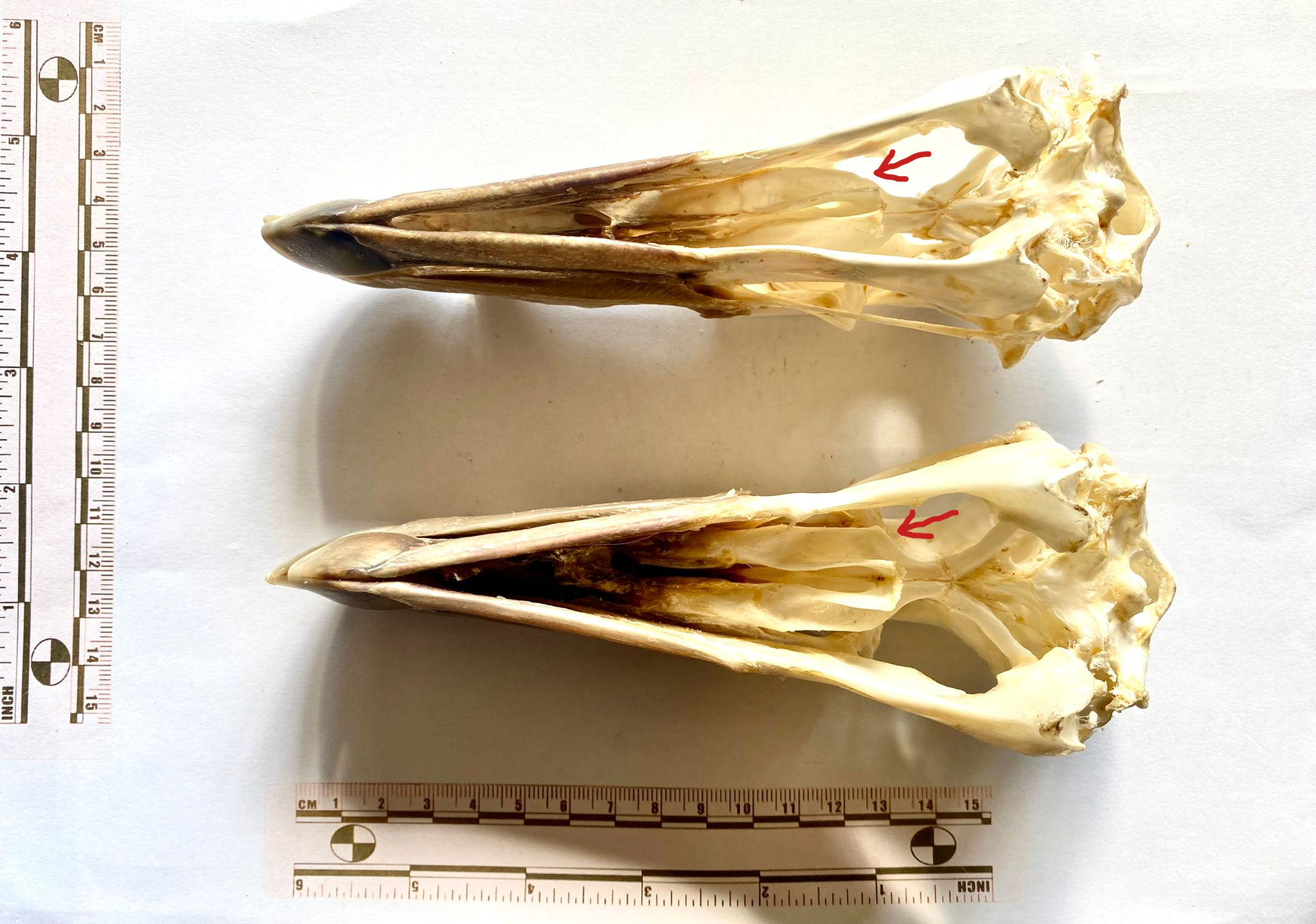
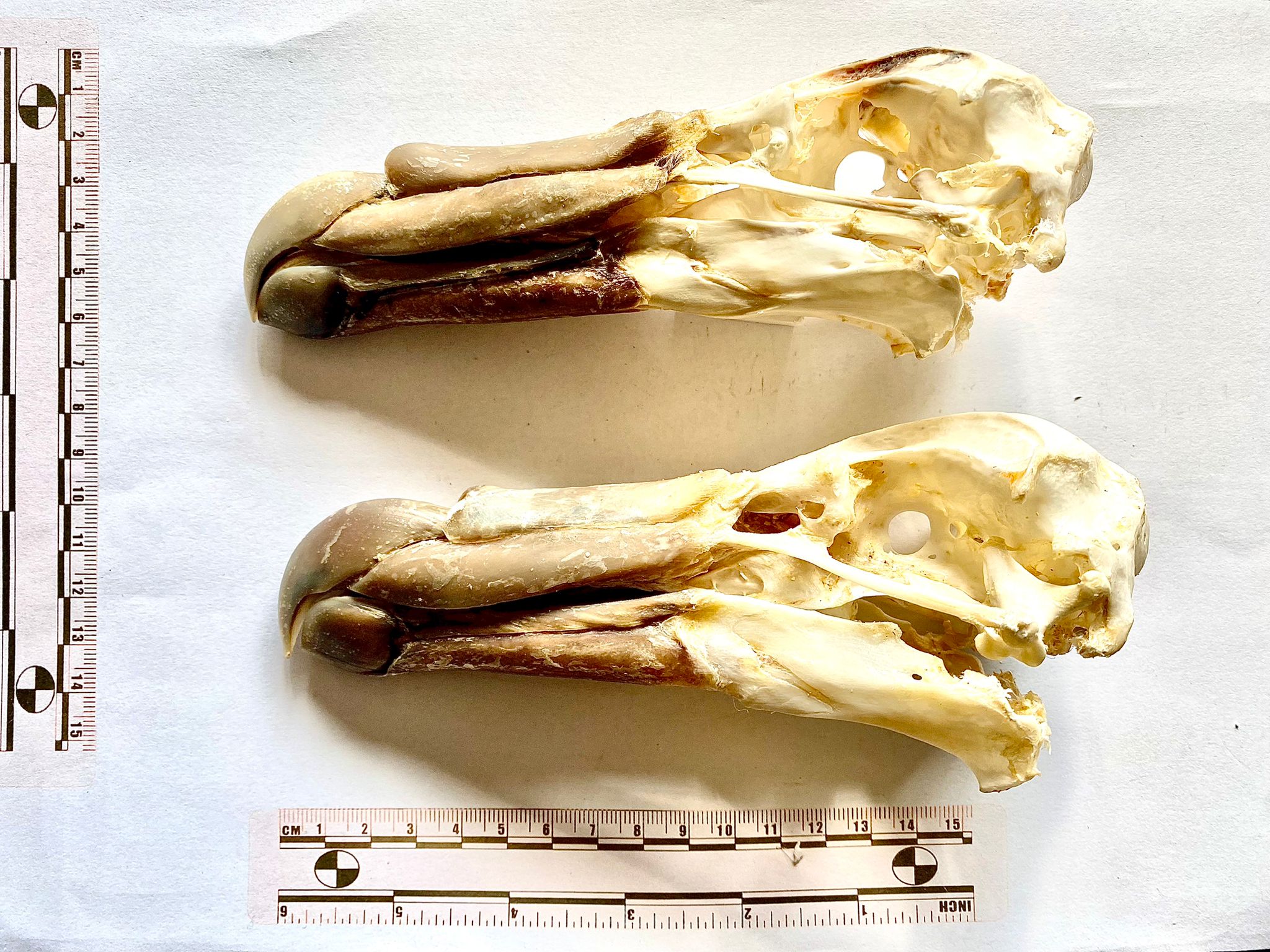
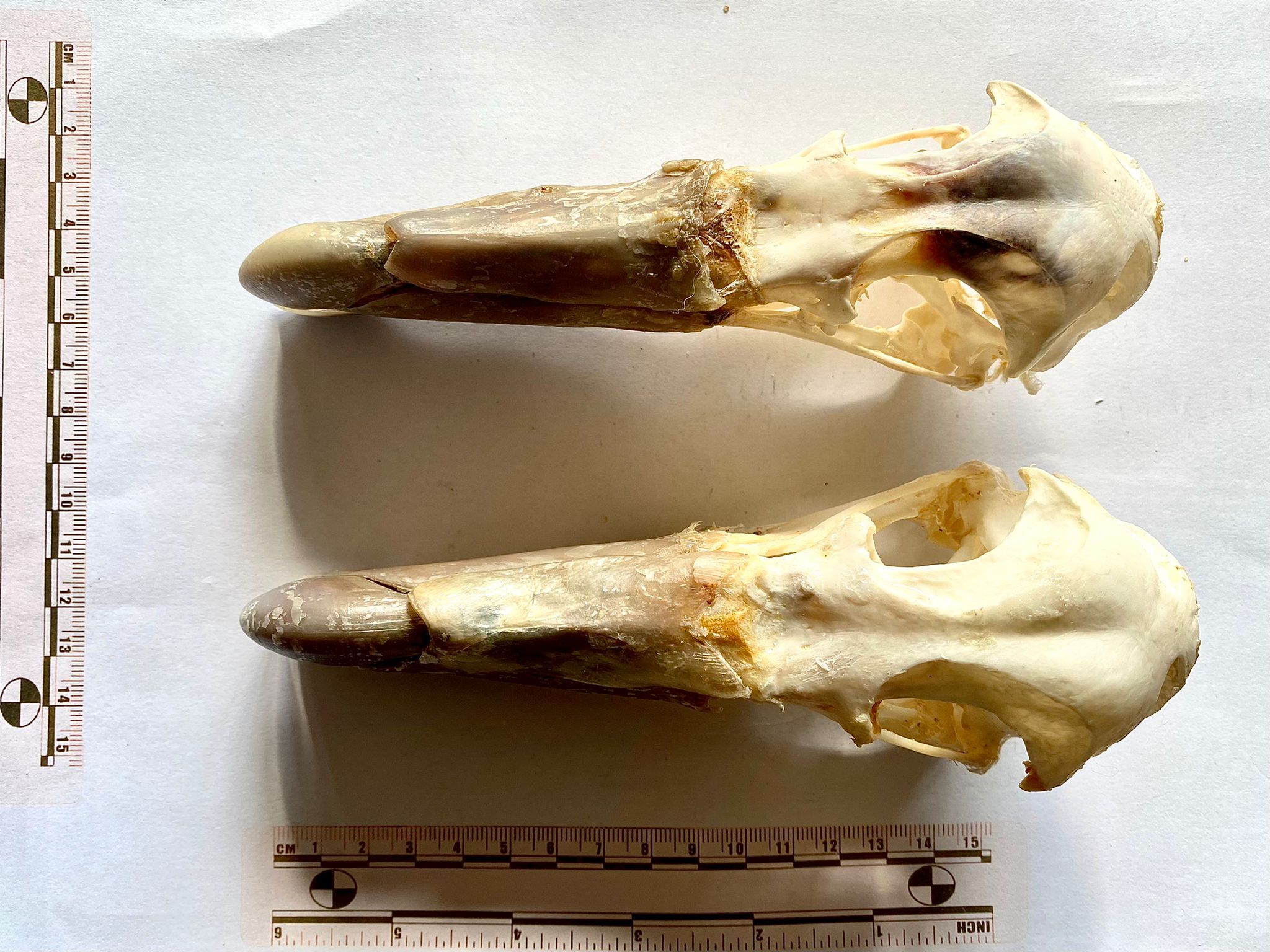
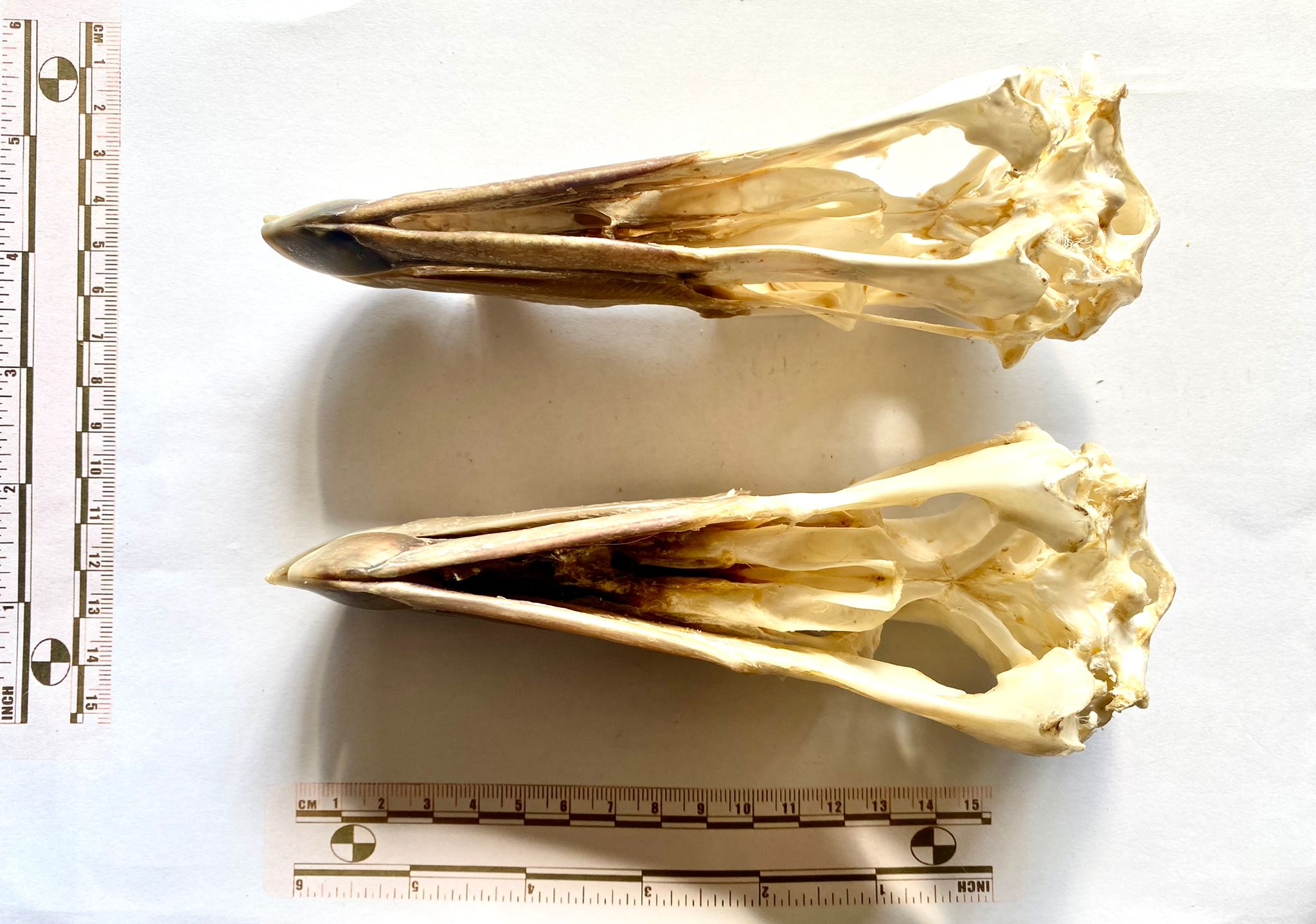
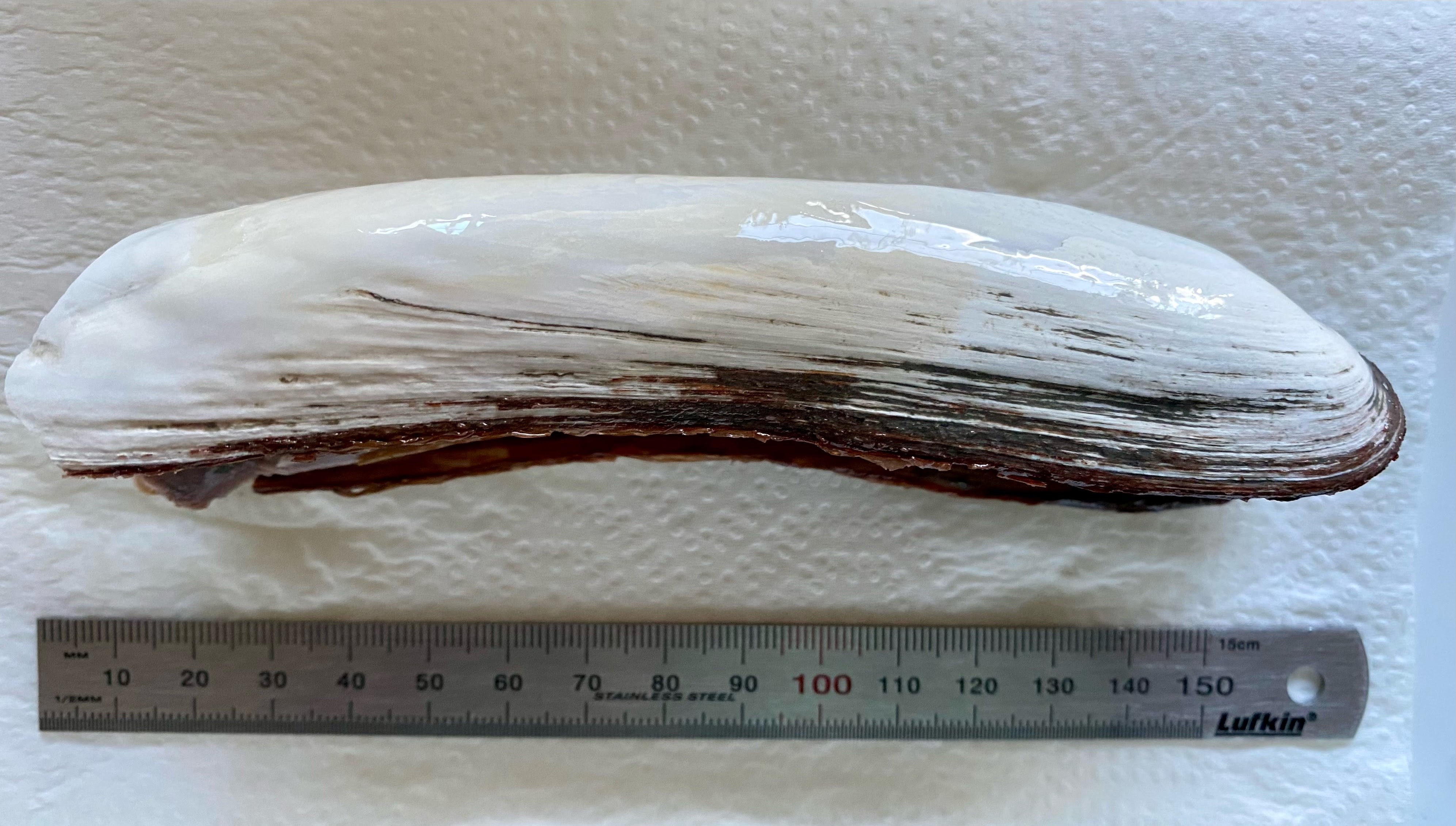
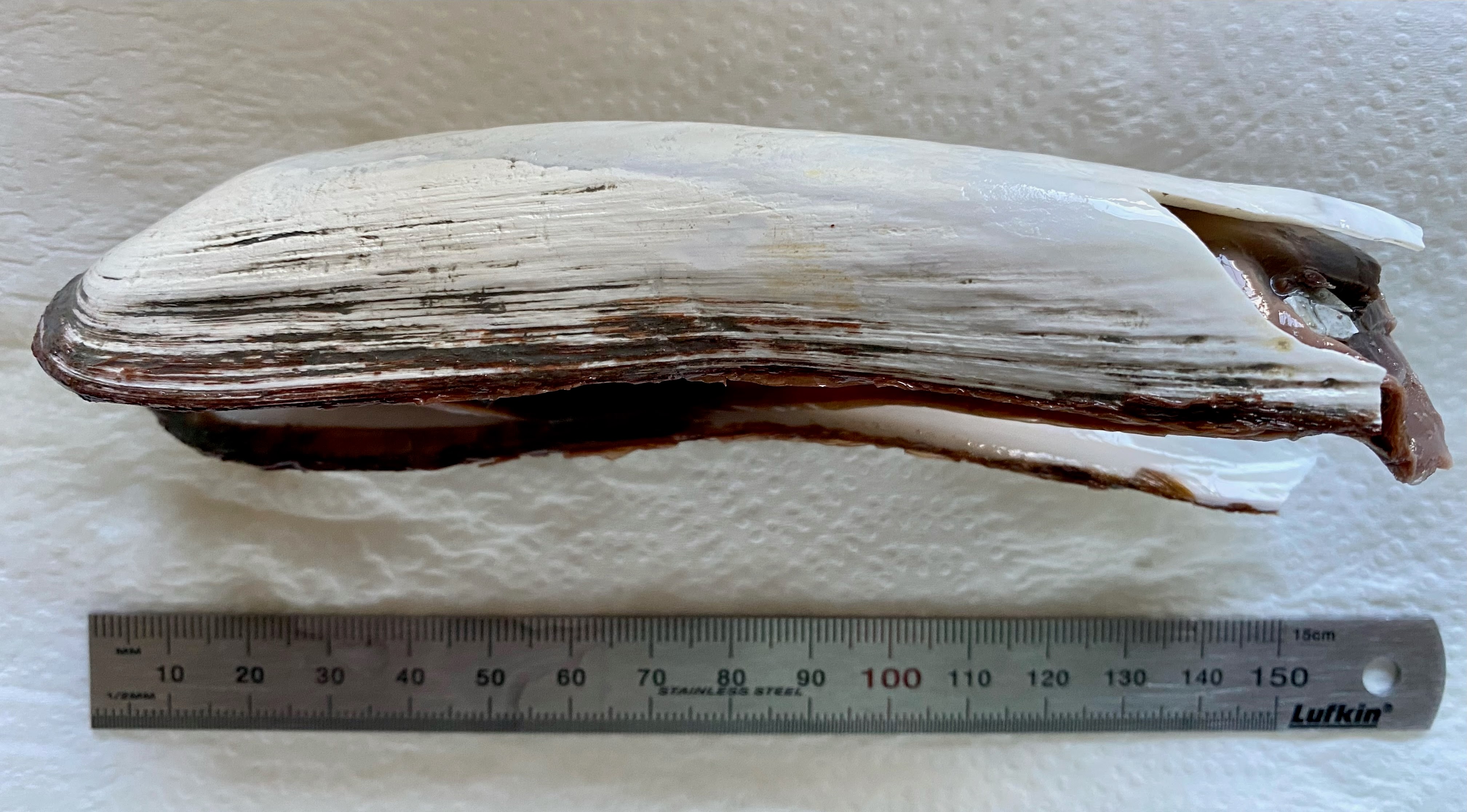
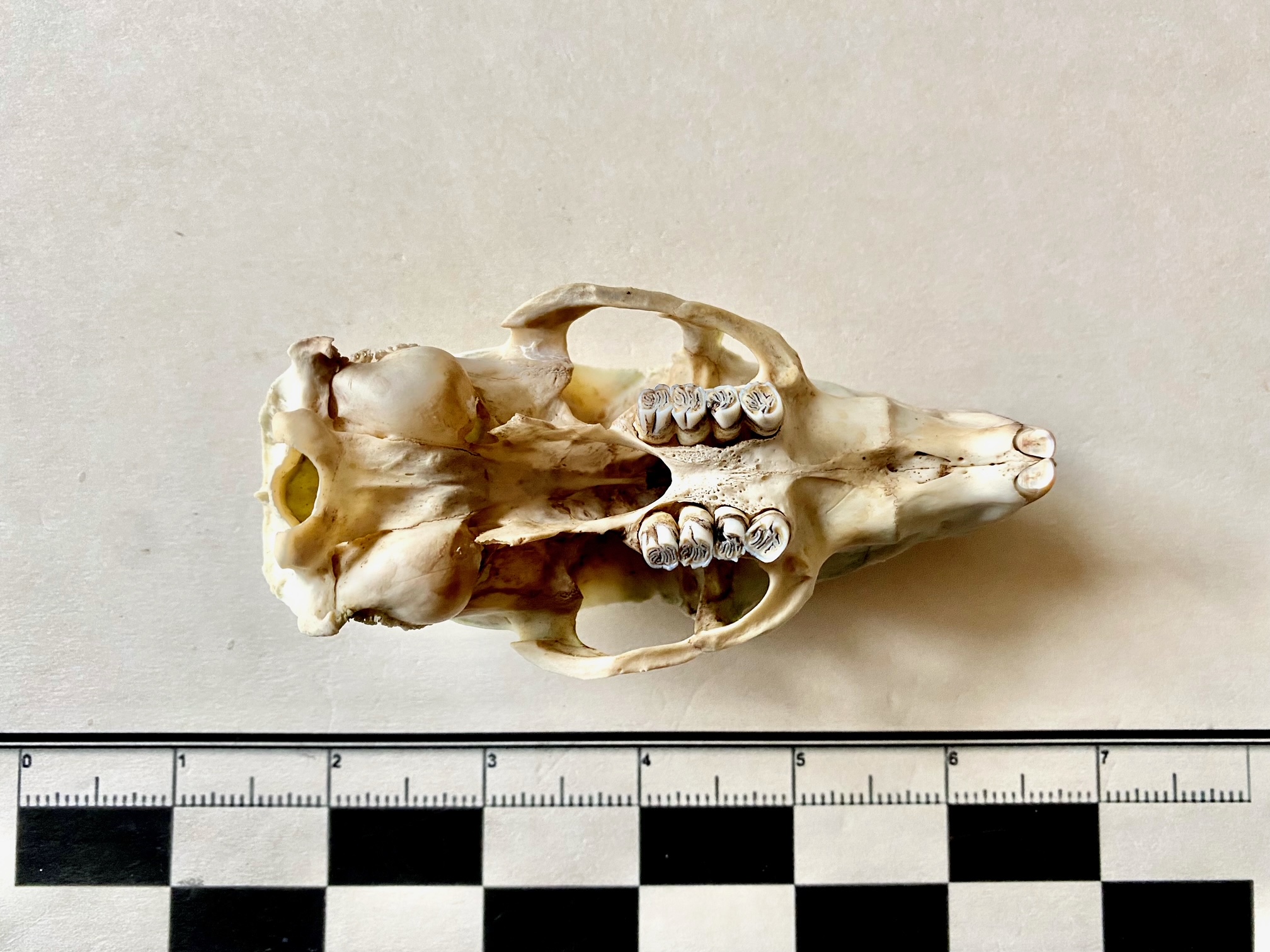
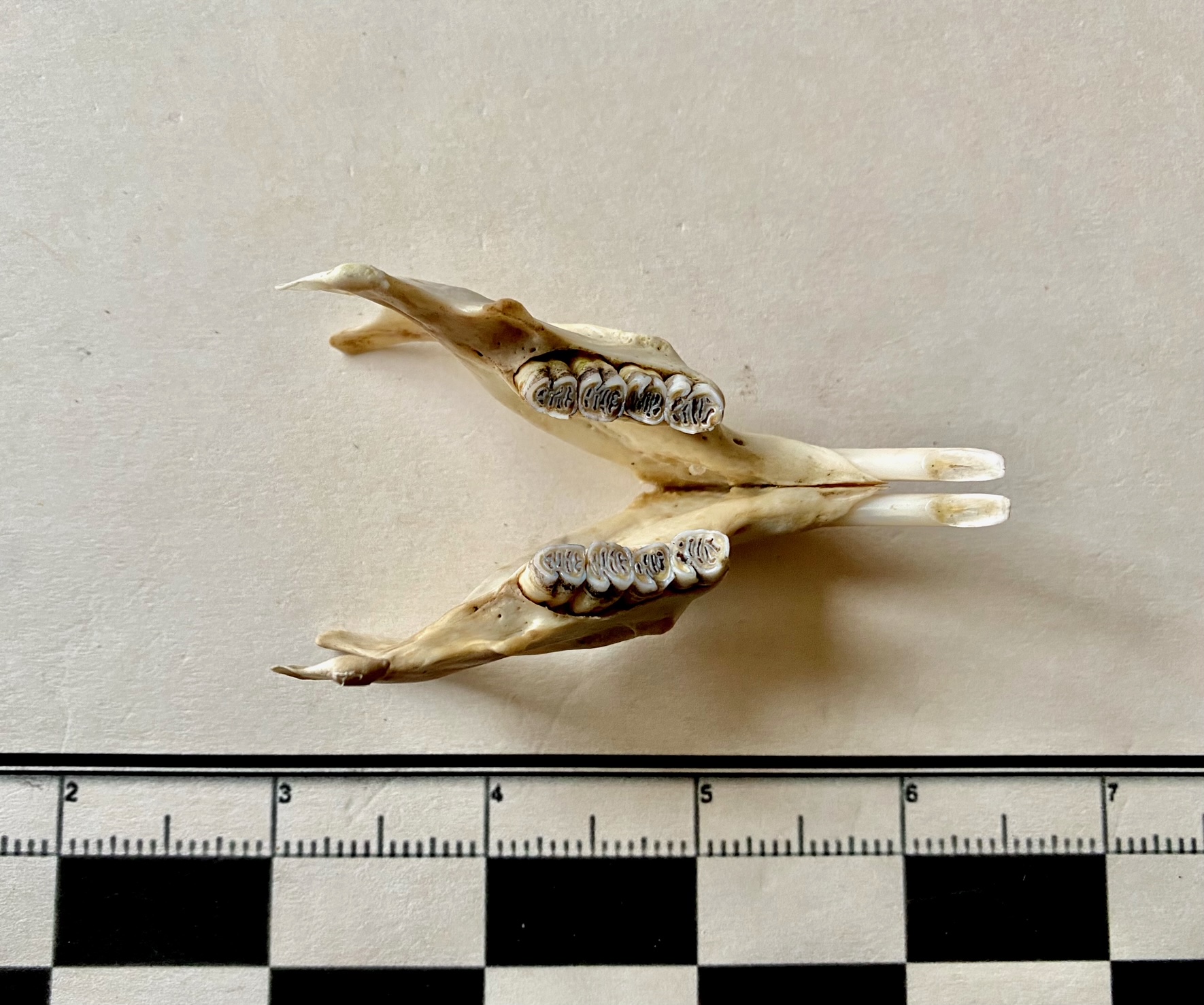
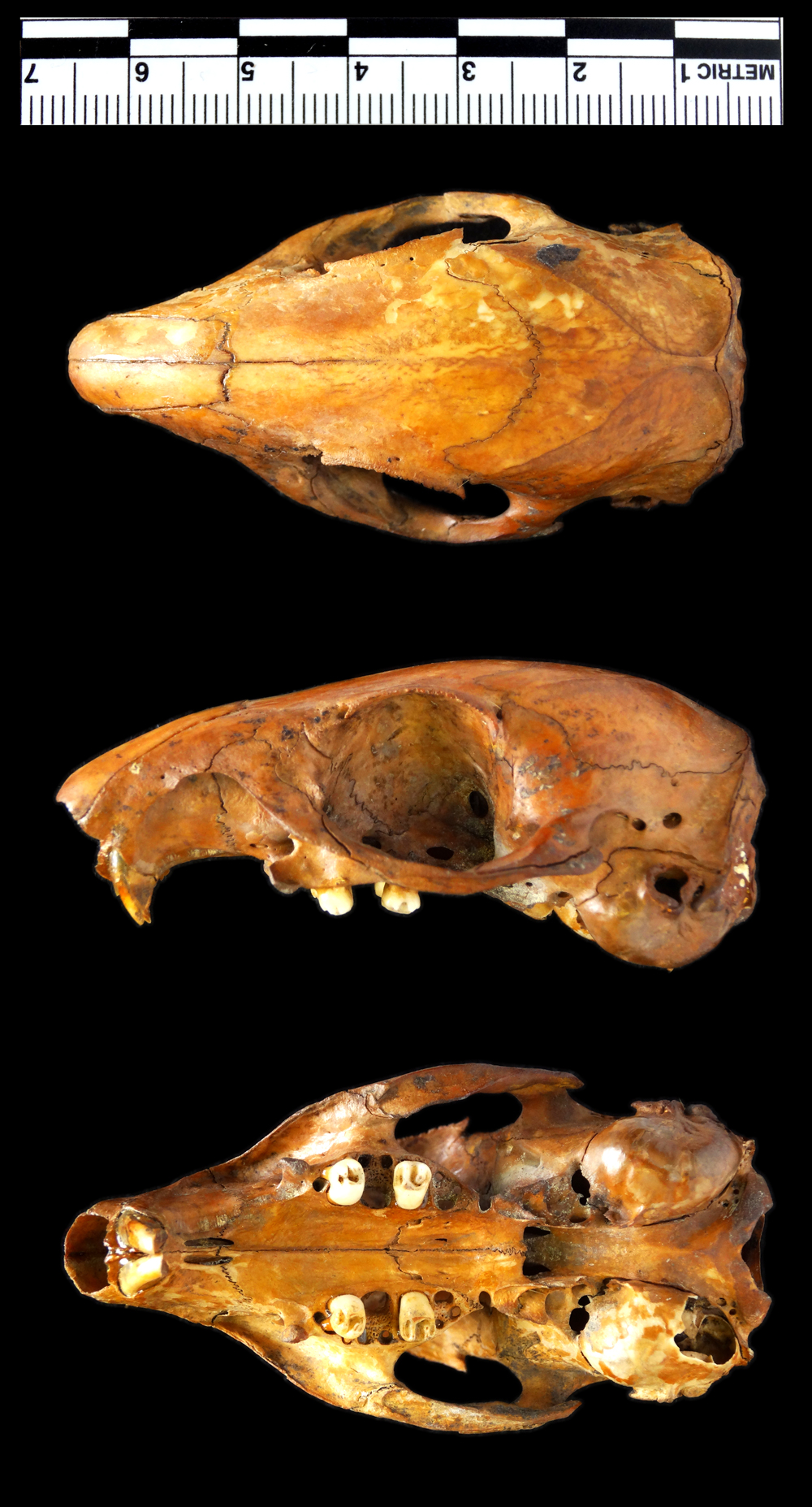
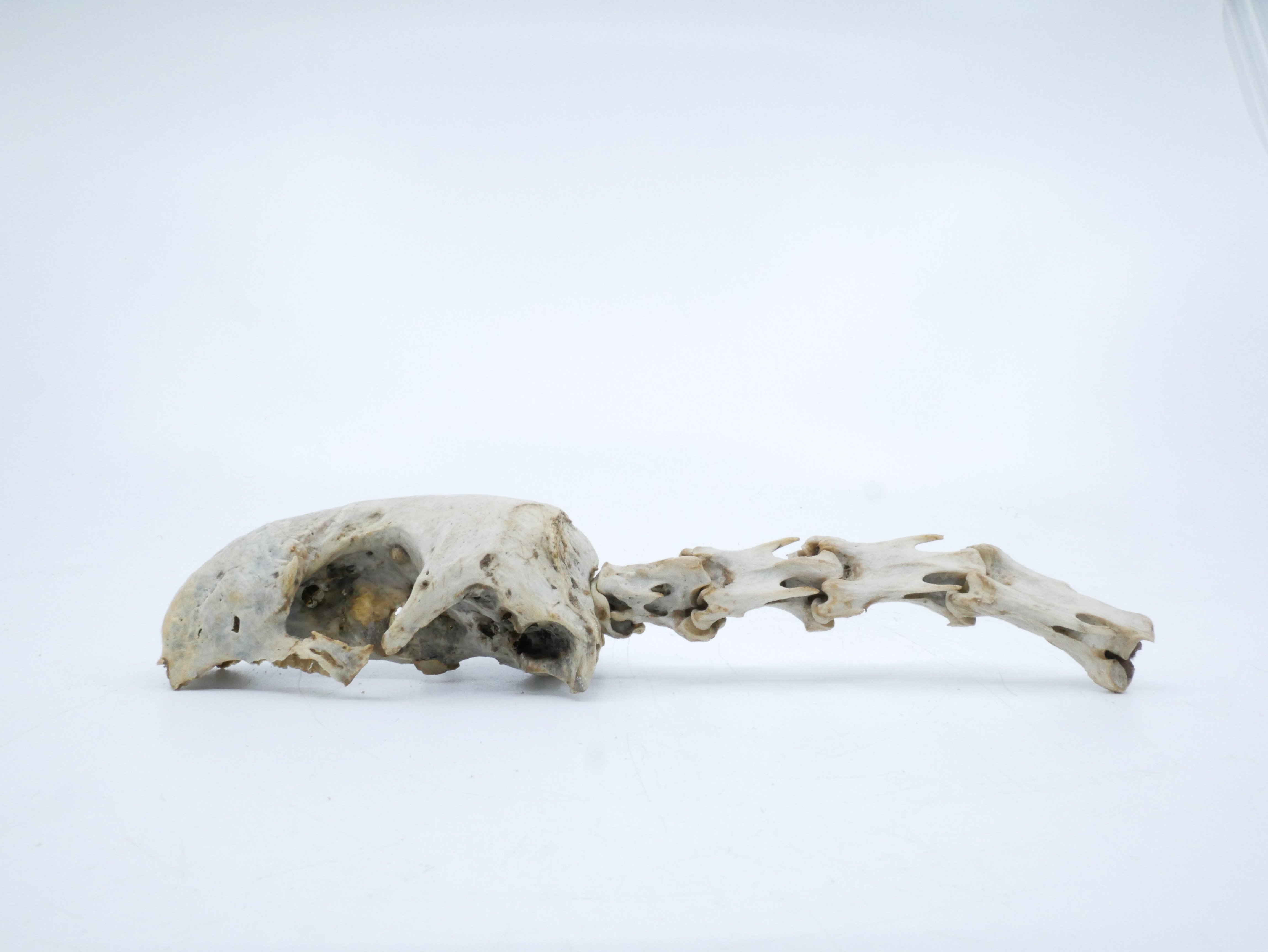
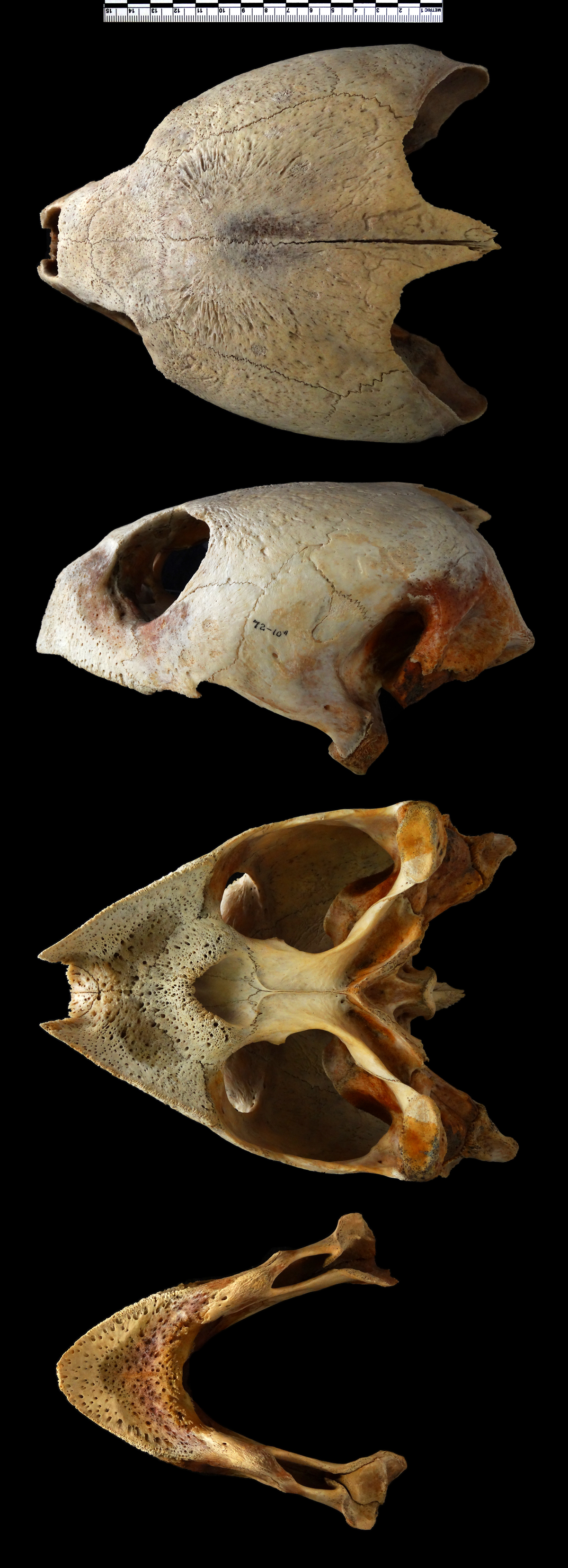
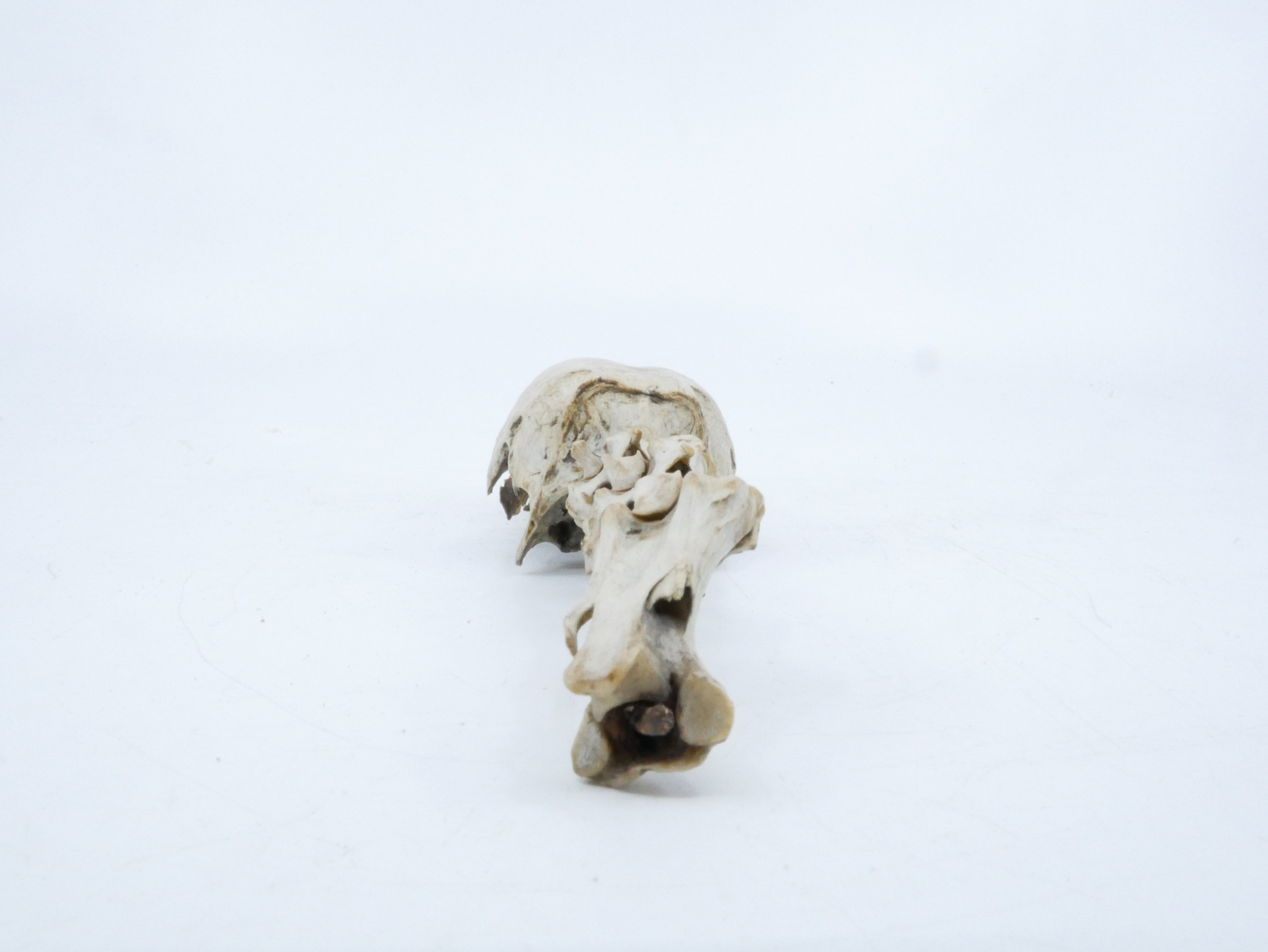
This week I have a pretty awesome guest mystery object from the collections of Andy Taylor, FLS. In fact, Andy has generously provided two, although they are examples of the same species:

Image by Andy Taylor, 2023

Do you have any idea which species that might be? You may need to delve into the depths of the internet to work it out, but it’ll be worth the effort. Have fun!

Friday mystery object #465 answer

Last week I gave you an entomological mystery to solve, in the triangular(ish) shape of this moth:

For the real insect aficionados out there, this probably wasn’t too much of a challenge (I’m looking at you Tim), but for the rest of us it wasn’t quite so easy.

The overall appearance of this moth, with its size, shape (especially wing position), and fuzzy wing fringes is what you expect from a member of the family Noctuidae – the Owlet Moths. However, it’s a big family, with almost 12,000 species. A lot of the species also look similar to each other and some have a wide variety of different colour morphs – just to make things more complicated.

Context helps us out here, since although there are of lot of Noctuidae species in the world, there are far fewer found in Ireland and there are helpful resources that illustrate them.

Even with helpful visual resources, with good photos of the different Irish species, it can be hard to work out what the diagnostic features might be. For some species of moths you have to get into the fine detail of the genitals, but thankfully there are wing patterns that are distinctive in this instance.

In this case, the wing pattern of interest is the small triangular black mark on the lower portion of the leading edge of the upper wing.

That’s it.

The rest of the colour and pattern of the upper wing is very variable in this species, so you can’t rely on any of those features as a reliable indicator. Of course, if the specimen was alive and had its wings open, it would be a much easier identification:

This is, of course, a Large Yellow Underwing Noctua pronuba (Linnaeus, 1758), which is pretty obvious once the underwing is visible. So well done to everyone who worked it out from just the upper wings.

Friday mystery object #462 answer

Last week I gave you a mystery object that came wrapped in this intriguing box:

The discovery inside was this:

Definitely not a Poptart.

This is a discovery made by 10 year old Anna, who found it when digging in the garden with her Dad, and she’s keen to know what it’s from. In fact, she’s hoping it’s from a new species of dinosaur, so it can be give the excellent name Annasaurus (although I believe such a creature already exists in the world of Doctor Who).

While the bone is pretty big, unfortunately it’s not from a dinosaur, but a large mammal. The cut surface looks very neat and that suggests that it’s been passed through a band-saw, probably by a butcher:

This would suggest it comes from one of the commonly eaten species, such as Sheep, Pig or Cow – although It is possible that butchered bone would come from another animal, such as Goat, Horse or a species of deer.

However, the size immediately reduces the likely suspects down a lot. It’s bigger than any Sheep or Goat bone I’ve encountered, so the focus is on Horse and Cow, although Red Deer and Pig are worth a look too,

Normally my first question is “which bone is it?” and in this instance it’s actually a bit harder than usual because it’s both cut and from a young animal, so the articular surface from the top of the bone (or epiphysis) hadn’t fused yet and is missing.

This means we’re looking at the neck section of the bone (the metaphysis), which is harder to find good material to compare against. However, with common species there are at least some excellent online resources to see full bones from a variety of angles that can help build up a picture of what to look for.

In this case I used OsteoID, which has good coverage of skeletal elements for a lot of mammal species that commonly occur in North America. I already recognised that this was from around the knee area, so I first checked if we are dealing with the leg section above the knee (distal femur) or the bit below (proximal tibia). Wouter van Gestel suggested shin bone (tibia) in the comments and I came around to that interpretation, so that’s what I originally went with.

However, Christian Meyer later suggested it was more likely to be distal part of the femur, and after looking at the specimen in hand, I find myself in agreement.

On to the species! It’s a good bit broader than the Pig femur (especially considering that the epiphysis is the broadest section of the bone and that’s missing here).

The shape of the metaphysis is too robust for deer, who have a more sharply defined ridge that runs into the main shaft of the bone (or diaphysis):

But it’s not as robust and it tapers more in the metaphyseal area than you’d expect from a Horse..

So after a good bit of comparison, I’m fairly certain that this is the distal metaphysis from the femur of a Cow Bos taurus Linnaeus, 1758.

I will write back to Anna to let her know about her discovery and while it may not be a dinosaur, it’s still an interesting find, so I hope she’s not too disappointed!

Friday mystery object #460 answer

Last week I gave you a somewhat challenging bony mystery object to have a go at identifying:

The first challenge is recognising the type of bone. It’s not part of the axial skeleton (like the skull, vertebrae, ribs, etc) and it’s not one of the long bones, which are very distinctive.bits of the appendicular skeleton (which includes the pelvis, shoulders and limbs).

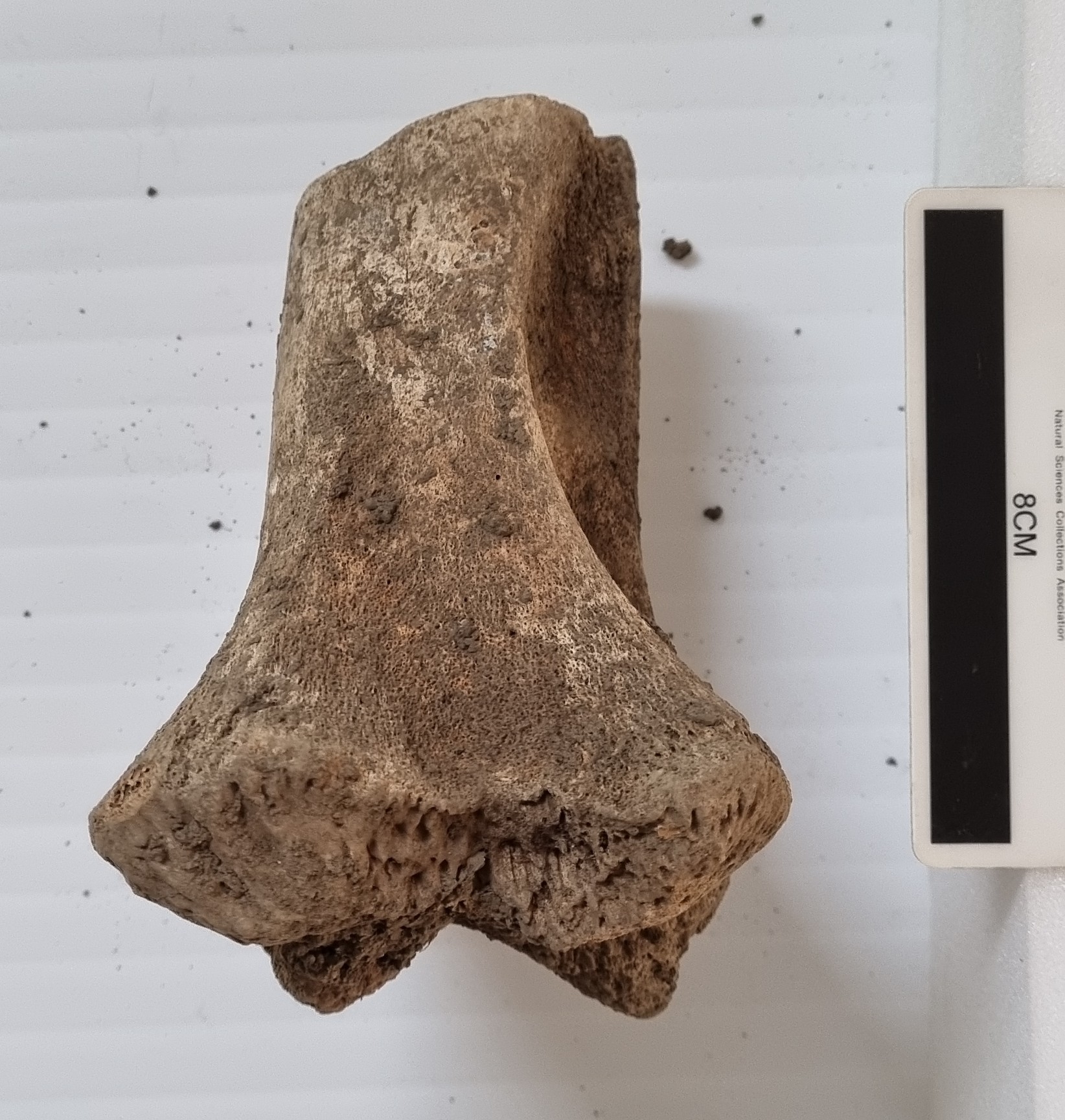
So that leaves the distal bits of the limbs, which tend to be relatively small. This is where it helps to be familiar with bone shapes – and this sort of elongated rectangle with an articulation at just one end is fairly distinctively a heel bone or calcaneus. (N.B. the end without the articulation provides a connection point for the Achilles’ tendon.)

At 8cm it’s fairly large, so that suggests it’s from a fairly large animal. This actually confused me more than it probably should have – but more about that in a minute.

The calcaneus is a very functionally important piece of bone, so the shape will reflect the use. However, the use of a leg tends to be broadly similar between closely related animals. Therefore, while it’s fairly straightforward to rule out things like carnivores and primates by using online reference resources like the incredible helpful BoneID site, it all gets more complicated when you realise this is from a member of the Artiodactyla, which has 270 or so species.

Common species are a good place to start with comparisons, since you are more likely to find their bones. So I started by looking at Deer, Horse, Pig, Sheep and Goat. I probably got a bit sidetracked by the size of this particular specimen at first, but as I have maintained on many occasions, size can be misleading and shape is always a better factor upon which to base an identification, since animals of the same species can come in different sizes.

After ruling out Deer, Horse and Pig I found myself wavering between Sheep and Goat. To dig into the shape differences a bit more, I took a look at an interesting paper on geometric morphometric comparison between the calcanea of Sheep and Goats by Lloveras, et al. 2022. The shape is very similar between the two species, but the differences identified in that paper have me leaniing towards the idea that this mystery object is most likely the calcaneus of a Sheep Ovis aries Linnaeus, 1758.

The differences are quite hard to decribe in a non-technical way, in the paper it goes like this:

According to our results the shape differences across sheep and goat calcanea are mostly located on the calcaneal tuber and neck, the sustentacular tali region, the malleolus articular surface and the cubonavicular articular surface. In general terms, in sheep, the calcaneal tuber tends to be more concave on the anterior side and the calcaneum neck, the sustentacular tali region and the cubonavicular articular surface tend to be wider. In opposition, in goats, the malleolus articular surface region tends to be shorter and more prominent anteriorly. These morphological differences could reflect the functional adaptation of these animals in different habitats that demand different methods of locomotion. While the sheep is adapted to running across flat land, the goat is adapted to rocky escarpments.

Lloveras, et al. 2022

In general terms it’s probably sufficient to take a look at the specimens on BoneID (you’ll need to flip the mystery object in your head, as it’s upside down and a mirror image since it’s from the right leg rather than the left, which is what’s shown on the BoneID site). The angles and extent of the articulations seem to be better defined in Sheep and match more closely to the mystery object.

So congratulations to Adam, who was the first to figure it out (beating me to it, which led to some rapid back-pedalling by me in the comments!)

Finally, back to the size. All I can say is that the sheep that this calcaneus came from was, well, quite possibly memeworthy…

Friday mystery object #459 answer

Last week I gave you this guest mystery object from Andy Taylor:

Image by Andy Taylor, 2023

Those paired incisors and the large diastema (or gap) behind them are characteristic of a rodent, so that narrows down the possible options by not very much, since there are well over 2250 species.

However, this specimen also has a very large infraorbital canal (that big forward-facing hole in front of the eye socket), which is a feature of the hystricomorphs – the group containing capybaras, porcupines, chinchillas, guinea pigs, hutias and suchlike. The teeth are an additional give-away for the group, with their discrete little patterns on the grinding surfaces:

Image by Andy Taylor, 2023

The scale of this specimen threw me a little at first, as I’m used to dealing with metric, but this scalebar has 16 subdivisions, so it muct be imperial. Which really helps, as it means this skull is quite large for a rodent – somewhere in the region of 5 inches or 12.7cm. That immediately narrows things down a lot more.

An additional clue is in the narrow skull profile:

Image by Andy Taylor, 2023

A lot of rodents have a lower and broader skull and this kind of shape is what I expect to see from a species that moves through dense undergrowth rather than climbing, digging or swimming. This, combined with all the other clues, led me to the agoutis.

There are 12 species of agouti, so we’re still not quite there with the identification. Most species that I can find comparative material for have a significantly longer rostrum than this specimen (relative to the rest of the skull), but there are some species I’ve not been able to find a really reliable reference skull to compare against.

There is one species where I couldn’t find a great skull comparison, but which appears in living individuals to have a relatively short snout and the skull image I could find also appears to be less nasally advantaged than most agoutis. That was the Brazilian or Red-rumped Agiouti Dasyprocta leporina (Linnaeus, 1758).

I’d be keen to take a further look with some good quality reference material, but I’m reasonably happy with this. The advantage of good comparative material is that it really helps make those detailed observations about particular shapes and sizes that can be hard to properly recognise from a photo.

In a strange, but very welcome cooincidence, I had the good fortune to meet up with Andy last Friday evening. I was at the NatSCA conference in the UK – which was held just a short journey from where Andy lives. It offered a great chance to chat with a fellow bone geek and natural history fanatic and I hope to have some more guest objects from Andy and his amazing collection in the future!

Friday mystery object #459

This week I am have a great guest mystery object from Andy Taylor for you to have a go at identifying:

Image by Andy Taylor, 2023

Here’s what Andy says about the specimen:

On Sunday, myself and Sophie Bagshaw were working through specimens that were donated to me from a person who had been given them by a zoological park. The specimen in question was part of a huge shipment of almost 140 frozen specimens that were in various states of preparation and were mostly head specimens. … I have a large rodent skull that I’m struggling to ID

Andy and Sophie have been doing great stuff with osteology for educational purposes for a while now, so it was a real pleasure to get a question like this, and it seems like a perfect opportunity for the community here to add their thoughts.

So, what do you think it is? Let us know below!

Friday mystery object #458 answer

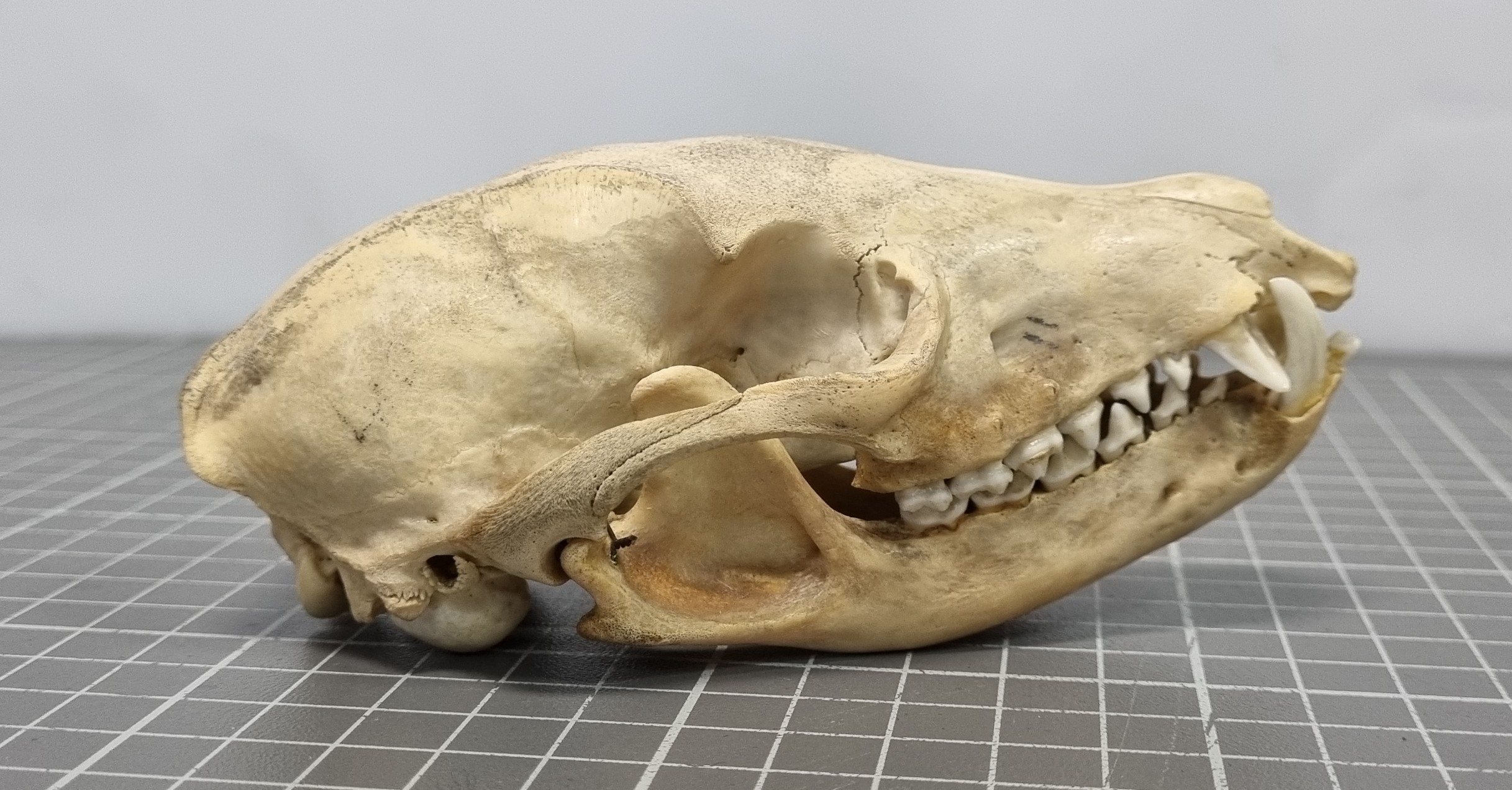
Last week I gave you this skull from the collections of the Dead Zoo, which had been misidentified and that came to light when Dr George Argyros was doing some research on the carnivore skeletons:

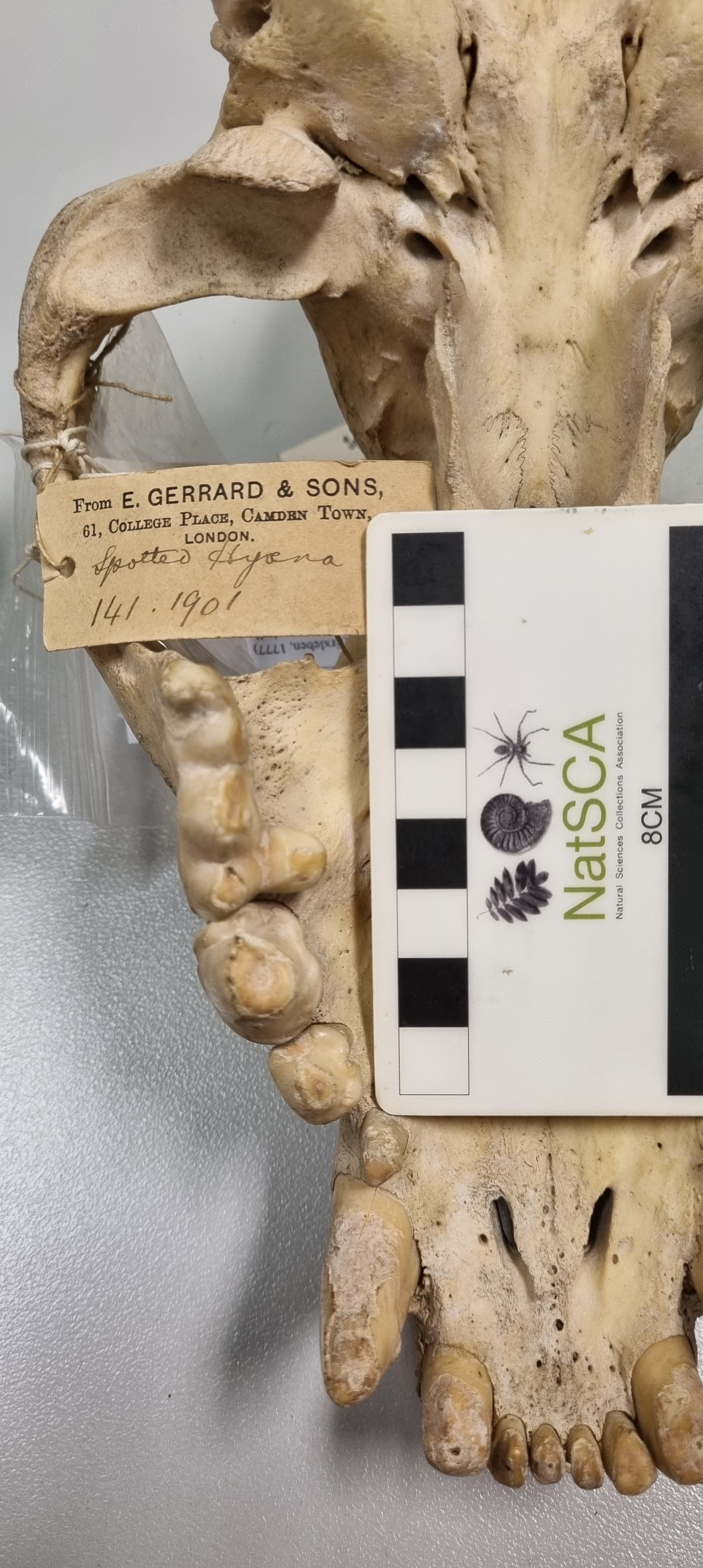
The label attached to this specimen indicated that this is the skull of a Leopard, which is clearly wrong. The label also identified the specimen as having been collected in East Africa by Major A.W.V. Plunkett.

Labels like this worry me. Not because they contain a misidentification, but because they may indicate that someone in the past has mixed up the specimen labels. This is a much bigger problem than a simple misidentification, as it can mean the real specimen has become dissociated from its information.

The huge, robust teeth of this specimen should make it fairly clear that it belongs to one of those specialist bone-crushers – the hyenas:

However, there are three species of hyena to choose from (I’m leaving the Aardwolf of this, since they don’t match this dental morphology even remotely).

My first thought was that this specimen is on the small side for a Spotted Hyena:

Striped Hyena on left, Spotted Hyena on right

Size is seldom a definitive feature, especially in species that display sexual dimorphism, but what is more useful is the detail of the tiny molar at the back of the maxillary toothrow. This is absent in Spotted Hyenas, but it occurs in both Striped and Brown Hyenas.

So you might ask, how do we distinguish between Striped and Brown Hyenas? This is a good question. For starters, it’s hard to find enough reliable good images of the Brown Hyena’s skull online that show the details needed to distinguish between the species.

However, a bit of searching highlighted that the Brown Hyena has a shorter and more robust angular process of the mandible than the Striped – and the mystery object.

Image of Brown Hyena skull by David J. Stang, 2005.

This long angular process was spotted by katedmonson, but Adam Yates was the first with the identification of Striped Hyena Hyaena hyaena (Linnaeus, 1758).

This one proved a little trickier than I thought at first, due to the similarities between the Brown and the Striped species. But I’m a little relieved that the consensus fell on Striped, both here on the blog, and between myself and George, since the Striped Hyena is found in East Africa, whereas the Brown is limited to South Africa.

This at least agrees with the locality on the label, so it may well have simply been misidentified when the specimen was acquired – especially since it looks like it was skeletonised naturally, so it may have been found dead and already defleshed, making it harder to identify.

I hope you enjoyed the challenge!

Friday mystery object #457 answer

Last week I gave you this skull from the collections of the Dead Zoo to have a go at identifying:

This specimen came to light during some research being carried out on carnivore bones by Dr George Argyros, a Professor visiting us from Emory & Henry College, Virginia. It was identified as Vulpes on the label, but both George and myself were doubtful.

The specimen’s spurious identification can be tracked back to when it was named in the Museum’s register as Vulpes fulva argentata or Silver Fox. This identification was assigned to the specimen when it was given to the Royal Zoological Society by N.H.P. Vickers in March 1900 (see page 127 of the monthly Irish Naturalist covering March 1900):

The Museum bought the specimen in skeletal form from the Royal Zoological Society of Ireland in 1903 and the name Silver Fox was kept until a later review of the taxonomic hierarchy in our database, which ‘corrected’ the name to Red Fox Vulpes vulpes.

However, this name change was not based on the morphology of the specimen. The characteristic lyre-shaped sagittal crest1 immediately made both myself and George think Urocyon and the small size of the specimen made both of us converge on an identification of Island Fox Urocyon littoralis (Baird, 1857) after independent bouts of measuring.

Image of Urocyon littoralis (Island Fox) by Pacific Southwest Region USFWS, 2015.

For those of you interested in seeing the size range parameters for Island Fox skulls, this PDF of the Mammalian Species description of Urocyon littoralis is very helpful indeed.

So I offer a hearty congratulations to everyone who spotted that this skull is from the genus Urocyon, although I think most people were thinking of the Grey Fox, Urocyon cinereoargenteus.

Image of Urocyon cinereoargenteus (Grey Fox) by California Department of Water Resources, 1993.

1It probably shouldn’t really be referred to as that, since it isn’t actually sagittal, except perhaps where the two ridges meet at the very back of the skull – but you know what I mean.

Friday mystery object #455

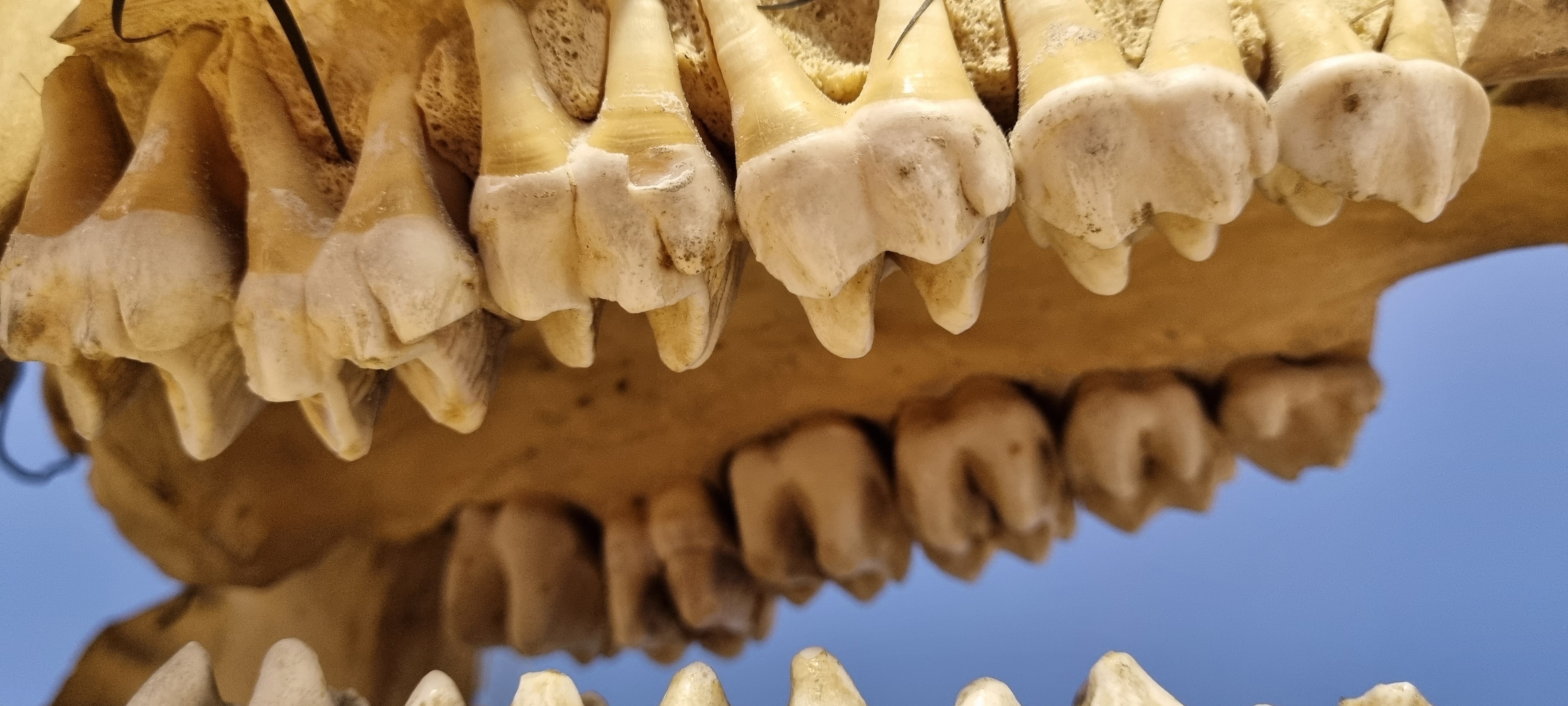
At the Dead Zoo we get quite a lot of enquiries asking for identifications, and many of these requests are for teeth. Mammal teeth are usually quite distinctive – for instance, tooth morphology underpins a lot of small mammal palaeontology as teeth preserve well and can be identified to genus/species with reasonable accuracy. Additionally, they can often give a good indication of diet.

With that in mind, I took a photo of some teeth that I found in the collections, to see if you can work out which species they belong to:

For the mammal fans among you this is probably way too easy, so please try to keep your answers a little bit cryptic, just so that everyone has a chance to figure it out for themselves. Have fun!

Friday mystery object #452 answer

Last week I gave you this guest mystery object from the comparative anatomy collection of the Harry Brookes Allen Museum of Anatomy and Pathology at the University of Melbourne, courtesy of Rohan Long:

Image by Yijie Cheng, 2023

This is one of those specimens that it can take a while to get your head around, as most of the key features are entirely missing. From the top, the skull almost looks mammalian. Perhaps a little like a large rodent missing part of its zygomatic arches:

Skull of a Striped Ground Squirrel

Even from the side there are some similarities, although it looks a bit more like a turtle:

Image of mystery bones by Yijie Cheng, 2023
Image by Yijie Cheng, 2023
Skull of a Loggerhead Turtle

If you look closely at the underside of the skull, you’ll notice that it has a single occipital condyle, which is something you see in reptiles and birds, but that view of the underside also becomes clear that the front section of the mystery object doesn’t taper to create a bill, like you’d see in a turtle:

Image by Yijie Cheng, 2023

In fact, a bill is the most diagnostic feature that’s missing, and that’s because it’s fallen off.

Those cervical vertebrae are quite distinctively avian – and from a long-necked avian at that. Once you realise that this is the braincase of a fairly large long-necked bird, the next task thing is to look at birds with a bulbous and cleft region on the head, just at the base of the bill (most bird skulls taper down to the bill).

For me that indicates one species above all others – the Mute Swan Cygnus olor (Gmelin, JF, 1789).

Mute swan skulls “Cygnus olor”. Technique of bone maceration on display at the Museum of Veterinary Anatomy, FMVZ USP.

I’d like to offer a hearty ‘bravo’ to Adam Yates, who was the first to comment and correctly identify this with a great cryptic clue:

It is an anseriform for sure the large oval basipterygoid articulations are a give away. With that profile, i’d lose my voice while trying to say the name of a certain Western Australian River.

Adam YatesJanuary 20, 2023 at 8:45 am Edit

This was backed up the ever-knowledgable Wouter van Gestel who runs SkullSite, which is the single most useful online resource I know of for bird skull identifications. Speaking of useful online resources, Rohan has been working on a project to make the collections of the Harry Brookes Allen Museum of Anatomy and Pathology available online – so be sure to check it out!

Friday mystery object #452

This week I have a guest mystery object for you to have a go at identifying, courtesy of Rohan Long:

Here’s another specimen from the comparative anatomy collection of the Harry Brookes Allen Museum of Anatomy and Pathology at the University of Melbourne.

I have identified and documented almost the whole collection of almost 500 specimens, except for a few dozen that I have so far been unable to identify – the “box of shame”. These specimens mostly comprise fragmentary or isolated elements.

However, one of these problematic specimens comprises a partial skull articulated with four cervical vertebrae. Despite these particular skeletal elements usually enabling ready identification, this specimen has confounded me for months. I have had various hypotheses as to whom the skull could belong to, but nothing has been quite right.

I have googled images, I have visited our zoology museum, I have looked at books, and I have not been able to find the identity of this skull. Can you solve this osteological enigma? 

Image by Yijie Cheng, 2023
Image of mystery bones, by Yijie Cheng, 2023
Image by Yijie Cheng, 2023

By the way, we have a brand new online database where you can explore our comparative anatomy specimens, along with our other public collections. It’s the first time in about a century that this significant collection has been accessible to people outside of our Anatomy Department.

I think I may know what this is, but both myself and Rohan would love to hear your thoughts!

Friday mystery object #446 answer

Last week I gave you this mystery object from the collection of the late Dr Don Cotton to have a go at identifying:

It led to some really interesting discussion in the comments, which converged on this being a whale vertebra. More exactly, one of the cervical (neck) vertebrae from the neck of a smallish to medium-sized whale.

Whale necks are very short and the bones are a bit odd, as in they can be fused together in the adults and sometimes in juveniles (but not always), and depending on the species they might not fuse at all. This one is not fused, but you can see facets just above the solid centrum section, where the vertebra in front of this one would have snugly nestled.

It looks like the lateral processes (bits that stick out to the side) that would have extended from the facets, but have broken off, presumably due to the action of the waves on the shore where this specimen washed up. This makes it even harder to identify which of the cervical vertebrae this is or the species that it came from. However, the squared centrum and spur-like lower processes make me think that this is probably from one of the cervicals nearer the thoracic (chest) region – my guess would be cervical number 6 (cervical 7 often lacks the lower processes while 3,4 and 5 tend have better developed lower processes).

In the comments the discussion focussed on large dolphins, like the Beluga or Narwhal, but the shape reminds me more of the cervicals I’ve seen from baleen whales like the Fin Whale, although the size is all wrong. However, there is a much smaller member of the Balaenoptera species complex that inhabits Irish waters: the Northern Minke Whale Balaenoptera acutorostrata Lacépède, 1804 – which is what I think this mystery object probably came from.

I could be wrong and this could possibly be from a large dolphin that occurs around Ireland, like an Orca or Long-finned Pilot whale, but these have extensive fusion of the neck vertebrae, so I’m going to stick my neck out with the Northern Minke.

Northern Minke Whales are well documented in the waters around Ireland, especially during the spring and summer months. Don Cotton was a founding member of the excellent Irish Whale and Dolphin Group, which is the source of much of the information we have about the occurrance of these otherwise enigmatic animals in Irish waters.

Friday mystery object #444

This week I finally had a chance to look at some skulls in the Dead Zoo collections, and I thought I’d share the joy of that with you here:

Do you have any idea which two species these skulls might be from?

As ever you can leave your thoughts, questions and suggestions in comments box below. If you find this too easy, maybe make your answer cryptic, to give other people a chance to work it out for themselves. Enjoy!

Friday mystery object #441 answer

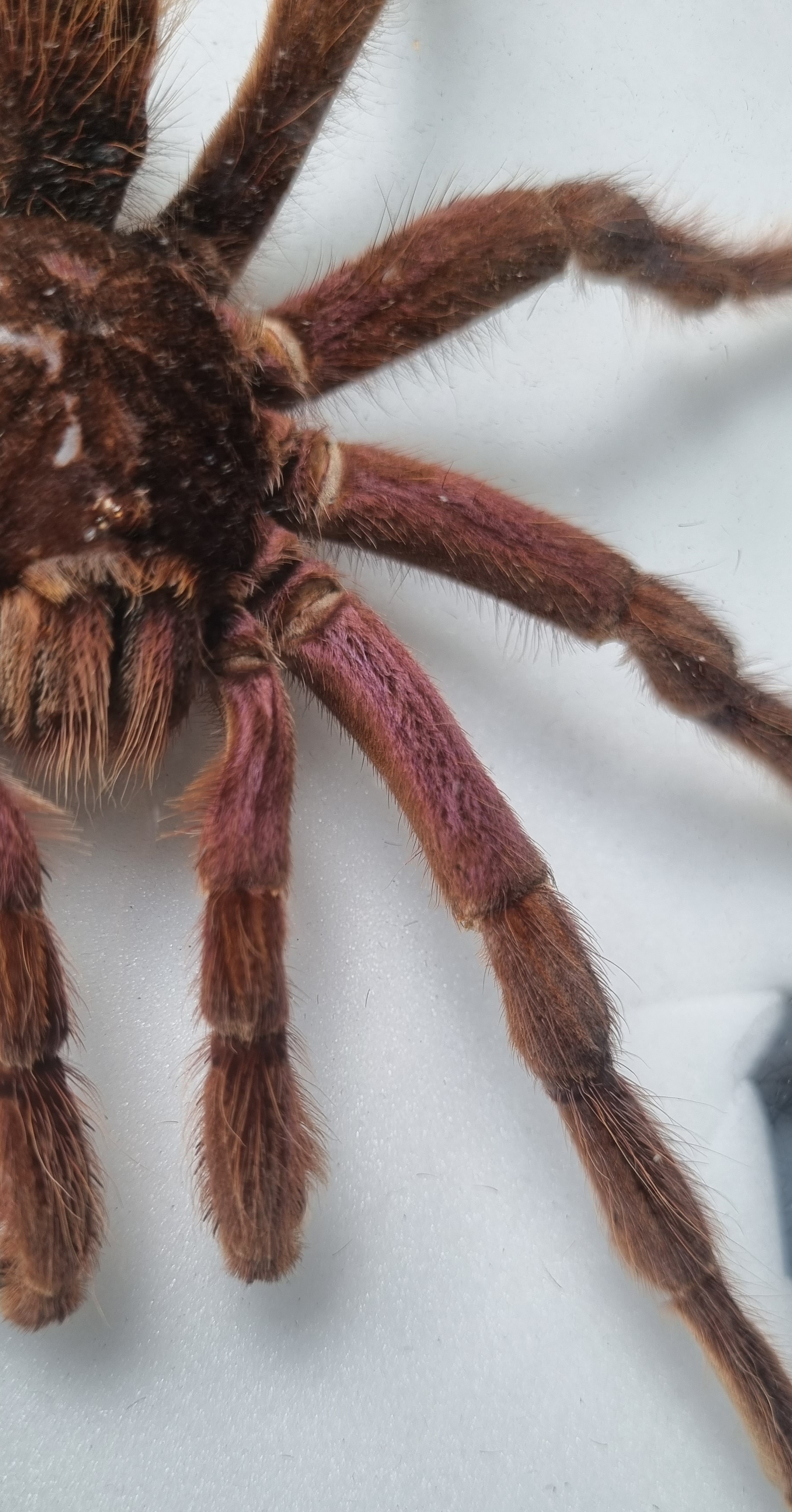
Last week I gave you this rather impressive spider to have a go at identifying:

The huge size had a several people on Twitter and in the comments here suggesting it’s a Goliath Birdeater Theraphosa blondi. It is big, with a leg span of around 19-20cm, but not quite as big (or as chunky) as the Goliath.

Also, although it’s probably not easy to see from the main image, this specimen has tibial spurs on the first pair of legs – which are absent in Goliath Birdeaters:

Tibial spurs on first pair of legs (don’t confuse them with the hooked mating organ at the end of the pedipalp)

Another thing that’s not easy to see in the main image is some subtle purple iridescence on the first three legs, pedipalps and chelicerae:

This is something I only noticed after looking for it with a light and it offers some support for the identification on the side of the box:

This label suggests the specimen is Bolivian (or in this case Peruvian) Blue-leg Birdeater Pamphobeteus antinous Pocock, 1903, but that species (as hinted at by the name) has quite distinctly blue legs:

There are fourteen other species in the genus Pamphobeteus, some of which also display some degree of iridescence on the same parts of the body, so I suspect that what we have here is one of the other species. I’m wondering if it might be Pamphobeteus grandis Bertani, Fukushima & Silva, 2008, which is very similar in appearance to P. antinous, except it has purple iridescence rather than violet/blue.

Unfortunately, I’m no spider expert and I don’t have time at the moment to go through the diagnostic features of P. grandis and relatives under a microscope, but when I get a chance I’ll check my tentative identification!

Friday mystery object #440 answer

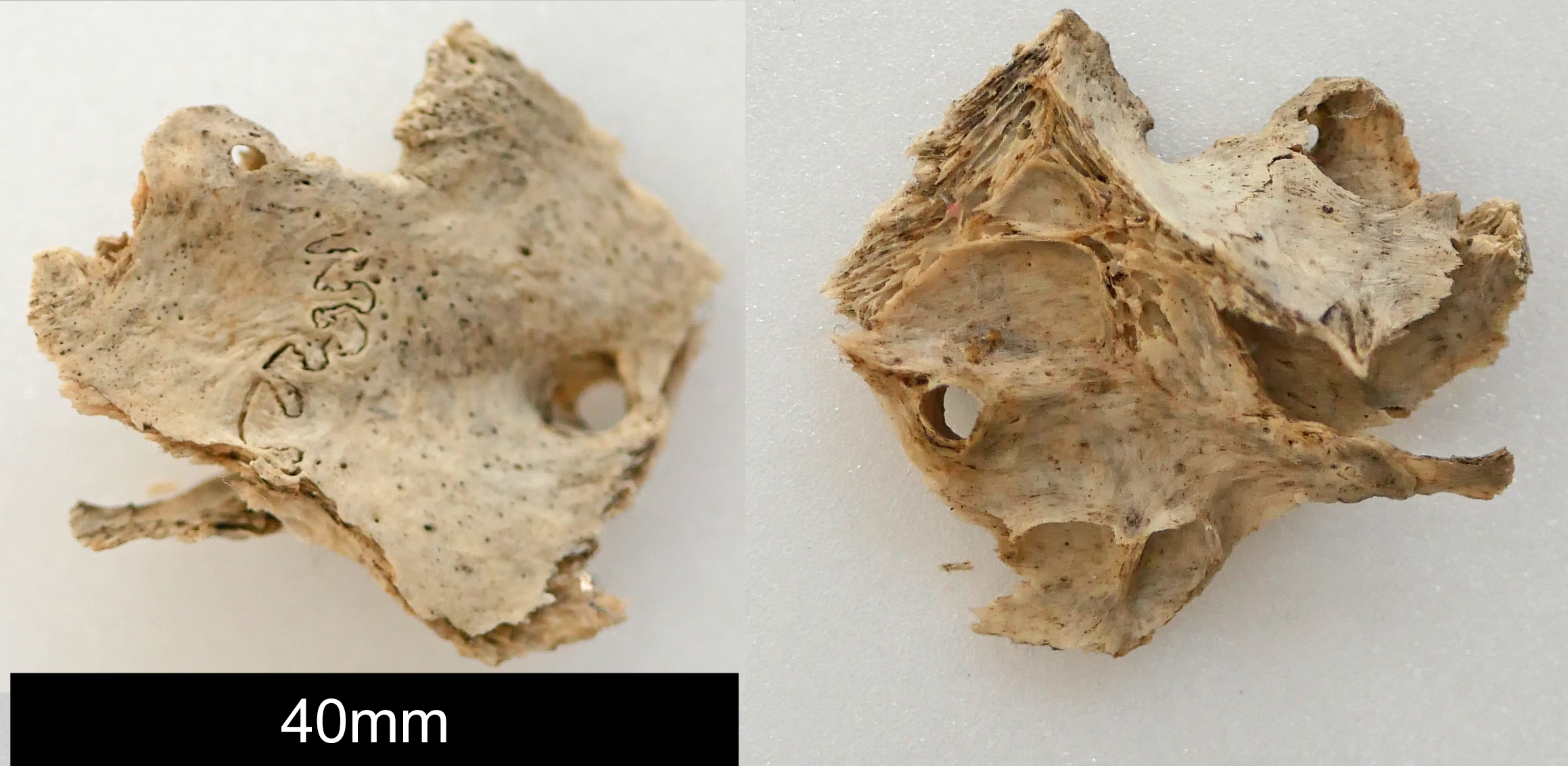
Last week I gave you this piece of bone to have a go at identifying:

It was a particularly difficult challenge and I’m still not 100% sure of what it is, but I was very interested to hear your thoughts.

There was a general leaning towards one of the (many) bones of the skull – although since there’s a suture running through the middle of this, it must consist of at least two different bones that have fused.

This feels right to me, since there aren’t many other parts of the skeleton consisting of fused bony plates containing foramina. But as to which bones of the skull and which animal, that’s a much more difficult identification prospect.

Unfortunately this kind of identification usually depends on a combination of familiarity with a range of skulls and comparative collections to figure it out and, I’m sad to say, that I’ve had very little opportunity to immerse myself in cranial collections for several years now and I rarely get a chance to work on comparative material these days.

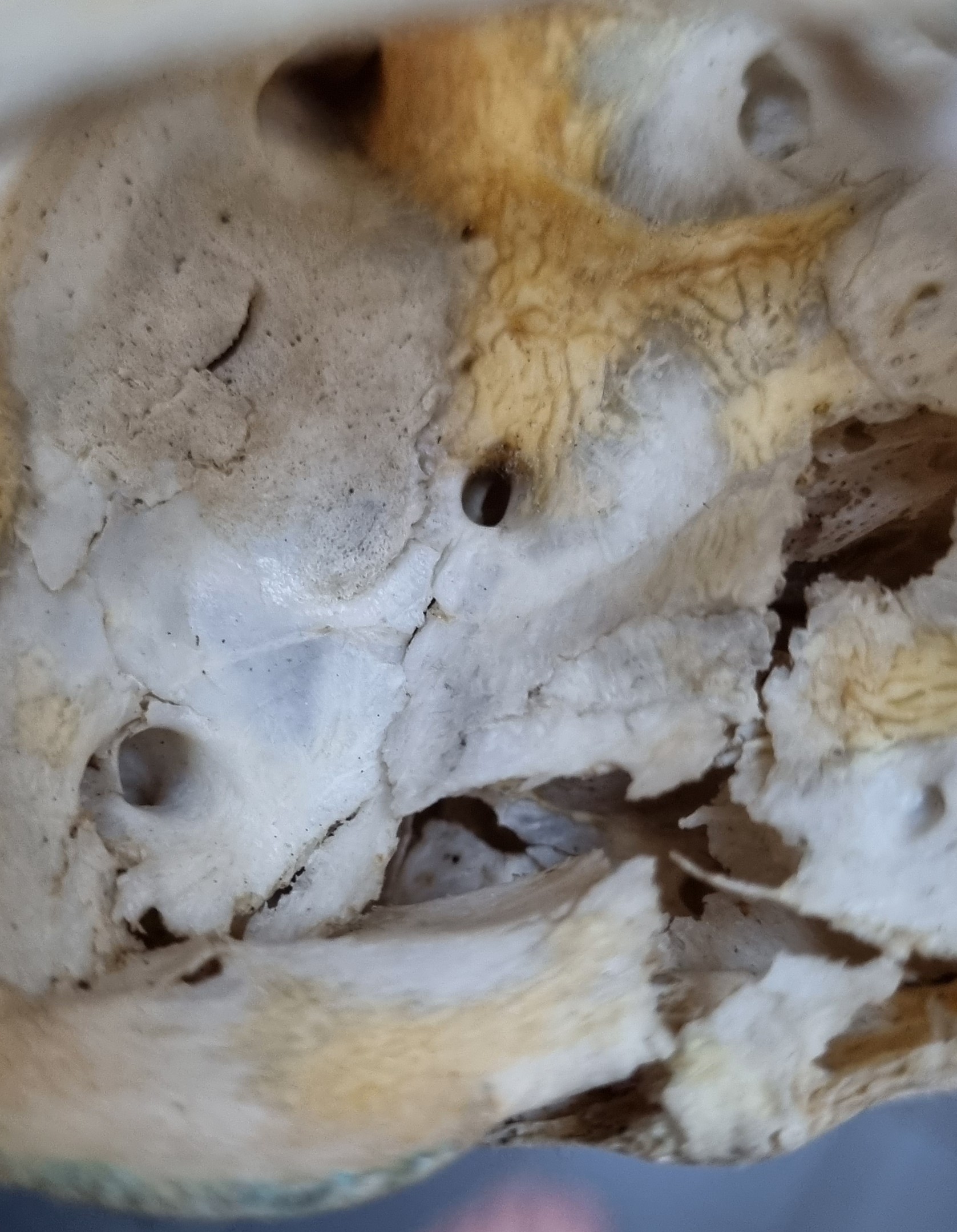
The best I could come up with is this being a section from the upper internal portion of the orbit of a Sheep Ovis aries Linnaeus, 1758 (or something quite similar).

I’m thinking this partly due to the V-shaped notch in the margin of the bone, which can be hard to spot in the initial photos, so here it is from the side:

This notch is something I think of as being present in some (but by no means all) Sheep specimens (e.g. take a look at the dorsal view in Mike Taylor’s fantatsic SV-POW! blogpost featuring a very helpful Sheep skull multiview). When I checked with a couple of my own specimens, I think I can just make out where this mystery section might sit – but it’s very hard to be sure since the region is quite variable between individuals (or perhaps breed) by the looks of my specimens:

I hope that wasn’t too disappointing as a challenge, and I apologise for not offering a definitive answer, but if I manage to track down some old specimen that is missing this exact section of bone, I’ll be sure to share it here!

In the meantime, please feel free to offer more suggestions and, if you have comparative material of your own, maybe see what you think? Thanks everyone!

Friday mystery object #438 answer

Last week I gave you this closeup of a mystery object from the Dead Zoo:

I thought it might be a bit too easy, so I asked for cryptic clues – and I was neither wrong, nor disappointed.

There were a variety of comments both here on the blog and on Twitter, and it was fairly clear that some key ideas emerged. Termites and ants were mentioned a lot (in relation to diet), but it was one of the seven deadly sins that was most often referenced. Clearly this sin is Sloth, but the animal is also clearly not a Sloth, since it has five claws and not just two or three. Plus, Sloths eat leaves rather than invertebrates.

However, there is of course a termite hunting critter with five toes and “Sloth” in its name – the Sloth Bear Melursus ursinus (Shaw, 1791).

Like their cousin the Giant Panda, the Sloth Bear has veered off the quite generalist diet of most bear species and focused on something locally abundant and easy to access – assuming you have the right equipment. In this case the equipment is a set of absolutely MASSIVE claws, long lips and tongue and no teeth in their upper jaw.

Sloth Bears are somewhat lanky looking compared to their similarly-sized Black Bear cousins and while they are less carnivorous, they can be quite formidable when faced with another predator thanks to a their large canine teeth and those impressive claws.

This particular specimen has been displaced from its usual location thanks to building works taking place in the Dead Zoo. Unfortunately, the wild living population is also being displaced due to habitat loss and degradation.

My thanks to everyone who commented on the mystery object – there were some great cryptic answers and while I’m a bit put out because so many of you figured it out, I’m happy that so many of you clearly know about these somewhat odd – but in my opinion, very interesting – members of the bear family.

Friday mystery object #437 answer

Last week I gave you this mystery bone to have a go at identifying:

It’s clearly a scapula (aka a shoulder blade), and it’s quite large. There were plenty of suggestions, which generally leaned towards a large cervid – such as a Giant Deer.

Giant Deer at the Dead Zoo

The general shape isn’t far off, but there are a few details that are different. One is the size – a Red Deer scapula is smaller maybe around 20-23cm long, but Giant Deer scapulas are even bigger than the mystery object.

But also the shape of the scapula spine isn’t quite right, especially the wobble just visible halfway down and at the acromion process, where the scapula spine ends near the articulation with the humerus.

That acromion process also helps us rule out Horse, as Adam Yates pointed out in the comments.

This scapula most closely matches that of a Cow Bos taurus Linnaeus, 1758.

So well done to palreyman1414 and katedmondson, who spotted the bovine nature of this bone.

Friday mystery object #432 answer

Last week I gave you a mystery object from the Grant Museum of Zoology, UCL, with this old photo from my time as the Curator there:

This is one of those species that I have a bit of a soft spot for, due to the general weirdness of the skull. That does however make it quite recognisable as a specimen, even in a photo that hasn’t been taken for the purposes of identification – like this one.

Everyone who commented recognised that this is some sort of turtle, and thanks to that very flat skull with all the features towards the very front end, most people worked out that it’s a from a Mata-mata Chelus sp. Duméril, 1806.

Illustration of Chelus fimbriatus, by R. Mintern, 1885

Back in 2016, when I took the photo of the specimen, that would have been enough for a species identification (which would have been Chelus fimbriata), but today it’s simply not good enough, since molecular taxonomists determined a species level split in populations from the Amazon and Orinoco basins in 2020. Darn.

Fortunately, morphological differences between Mata-mata from different basins have been recognised for a while (link opens a pdf of ), reflecting the molecular split between species. Unfortunately, the main area of morphological difference is in the carapace, which isn’t in the photo I provided (if only I’d known that the species was going to split back in 2016…).

But fear not – back in 2018 Hannah Cornish did a Specimen of the Week blogpost about this very specimen, with some more useful images. The overall outline of the Grant specimen seems more rectangular than oval, which may indicate that it is an Amazon Mata-mata, making the original identification of Chelus fimbriata (Schneider, 1783) still correct – although a proper examination of the specimen would be needed to confirm that.

So a hearty congratulations to everyone who figured out what this was – and I would suggest taking a look through the comments from the mystery object, as there are some very interesting observations and discussions about that strange skull which are well worth a read. That’s the kind of thing that I love most about running this blog!