
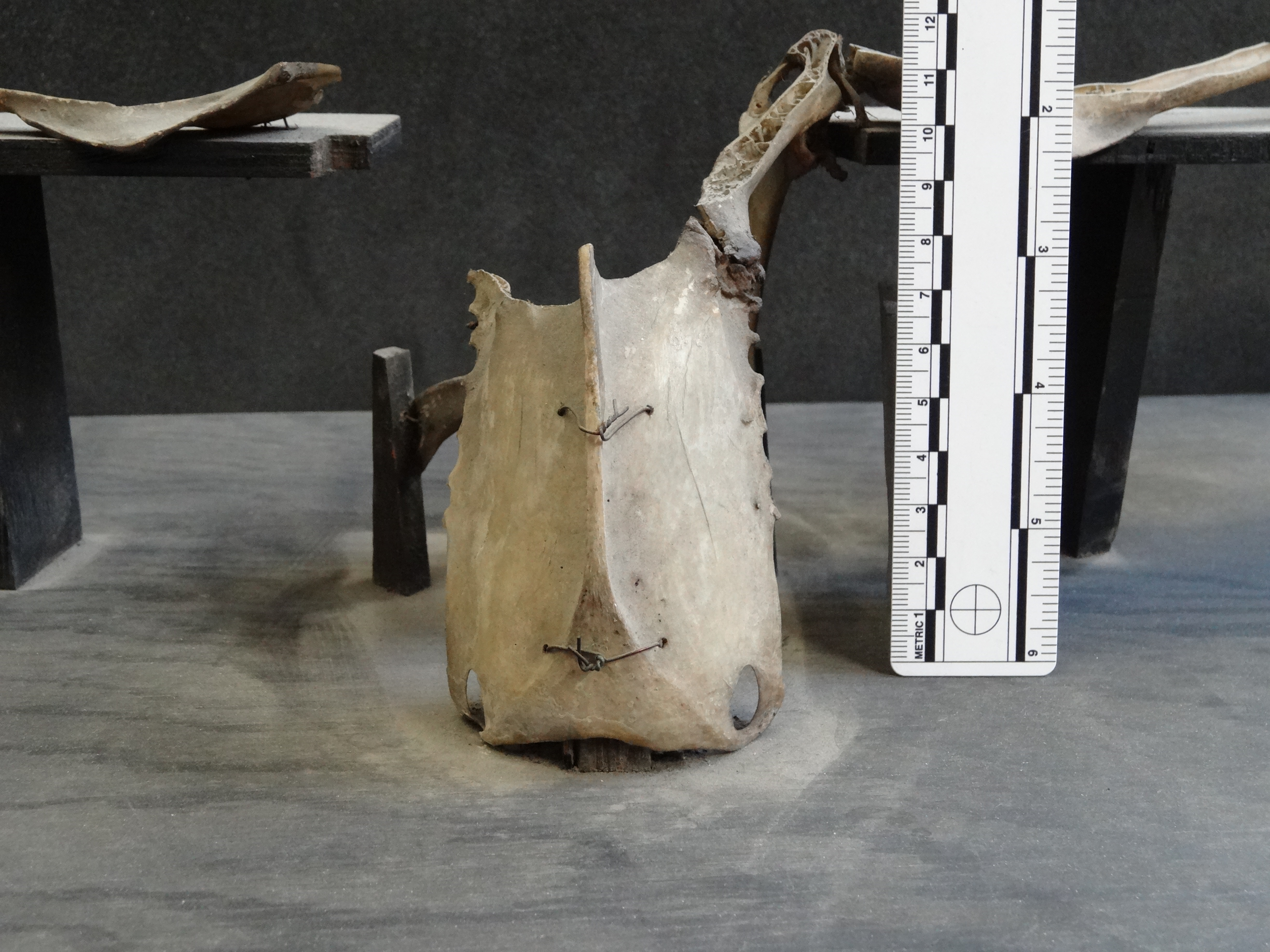
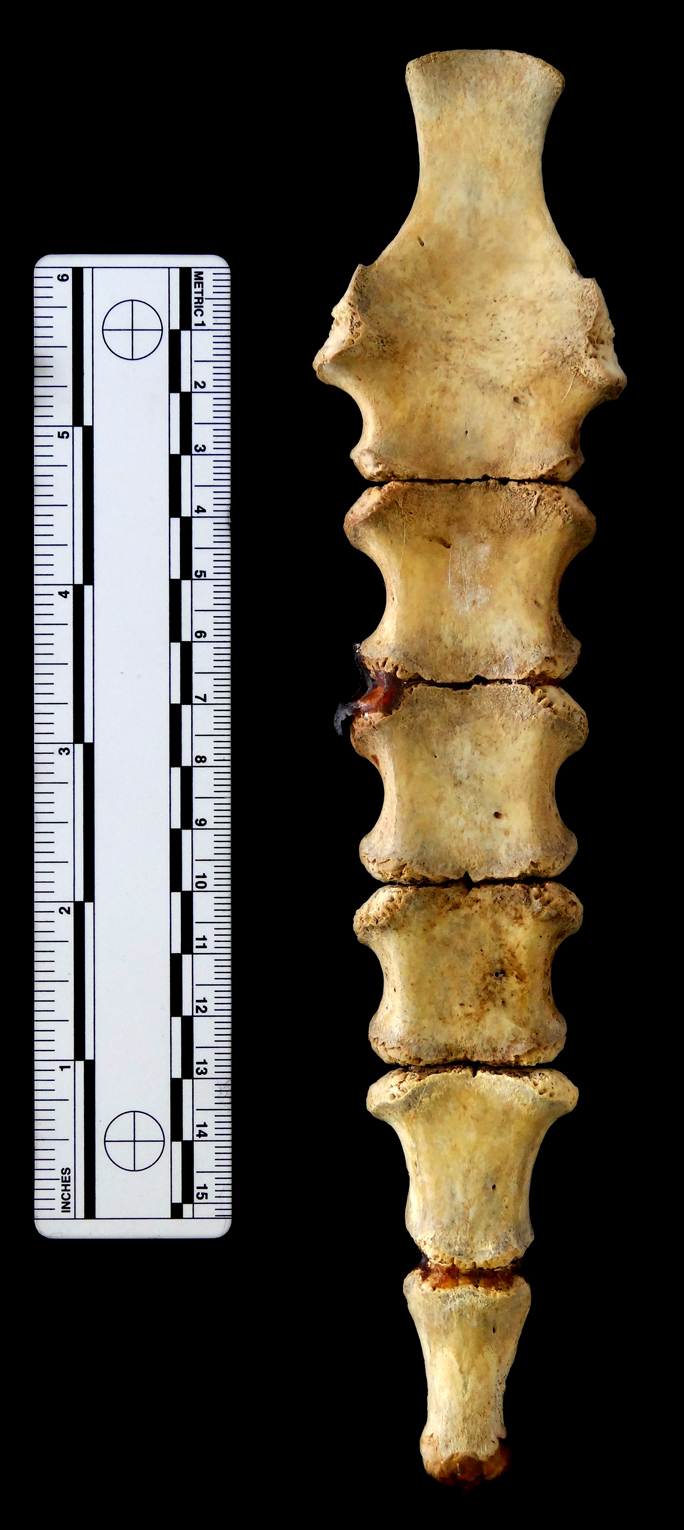
Last week I gave you this piece of bone to have a go at identifying:

I have to admit, it’s even harder than I thought it would be, so I should probably apologise about now! Adam Yates got as close as I think is really achievable from just this photo, dropping the clue:
He was very stern and he flipped me the bird when I suggested it looked like a ship: galley-form you could say.
This of course is a hint that the bone is a sternum from a bird in the Order Galliformes. Adam then followed up with:
I’m grousing because its proving difficult for me to identify beyond tribe level
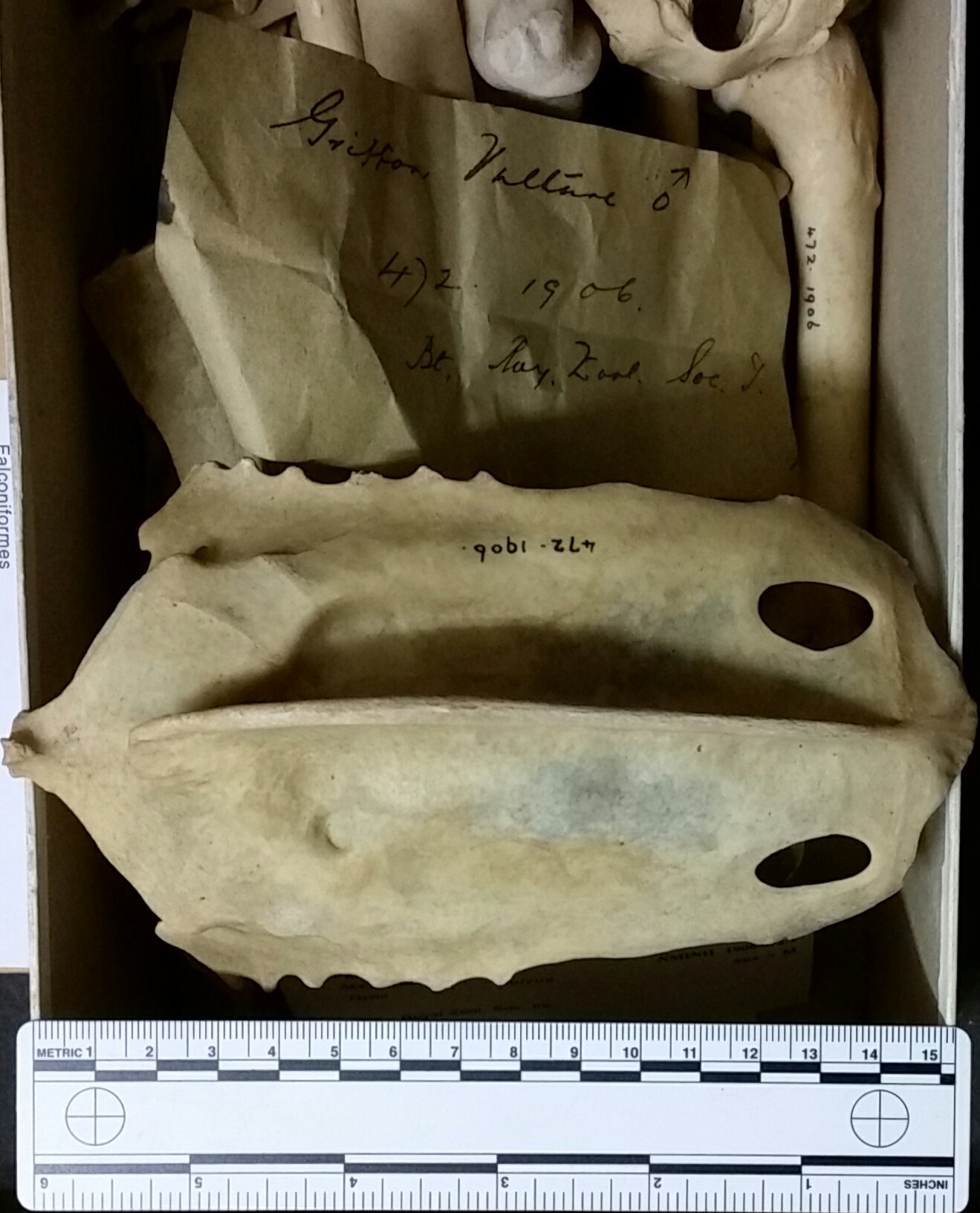
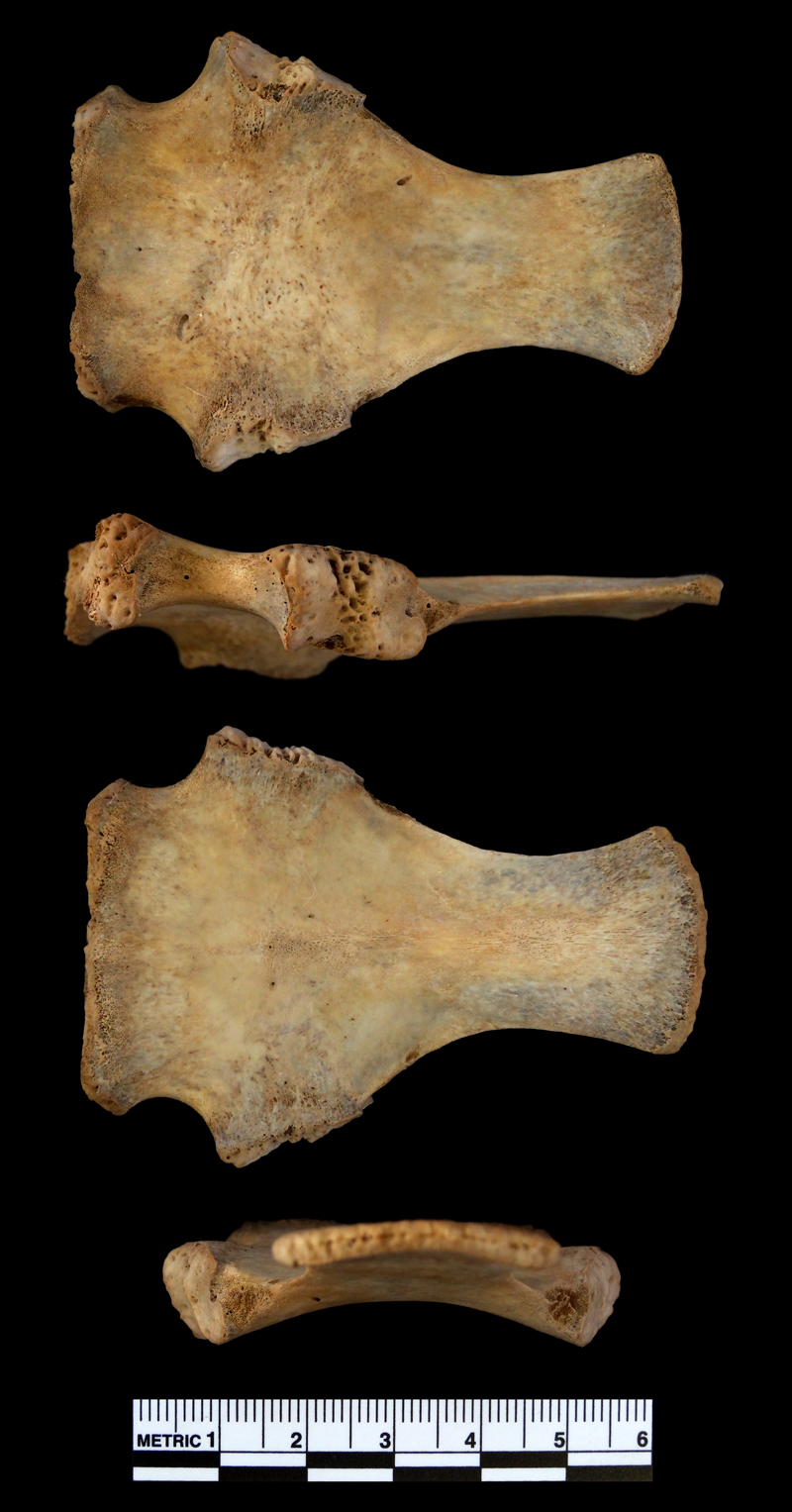
This points us in the direction of the Tetraonini – the tribe within the Galliformes that contains the various species of Grouse. I’m entirely in agreement with Adam. Bird sterna are quite characteristic, as you can see from the gallery of different sterna below:
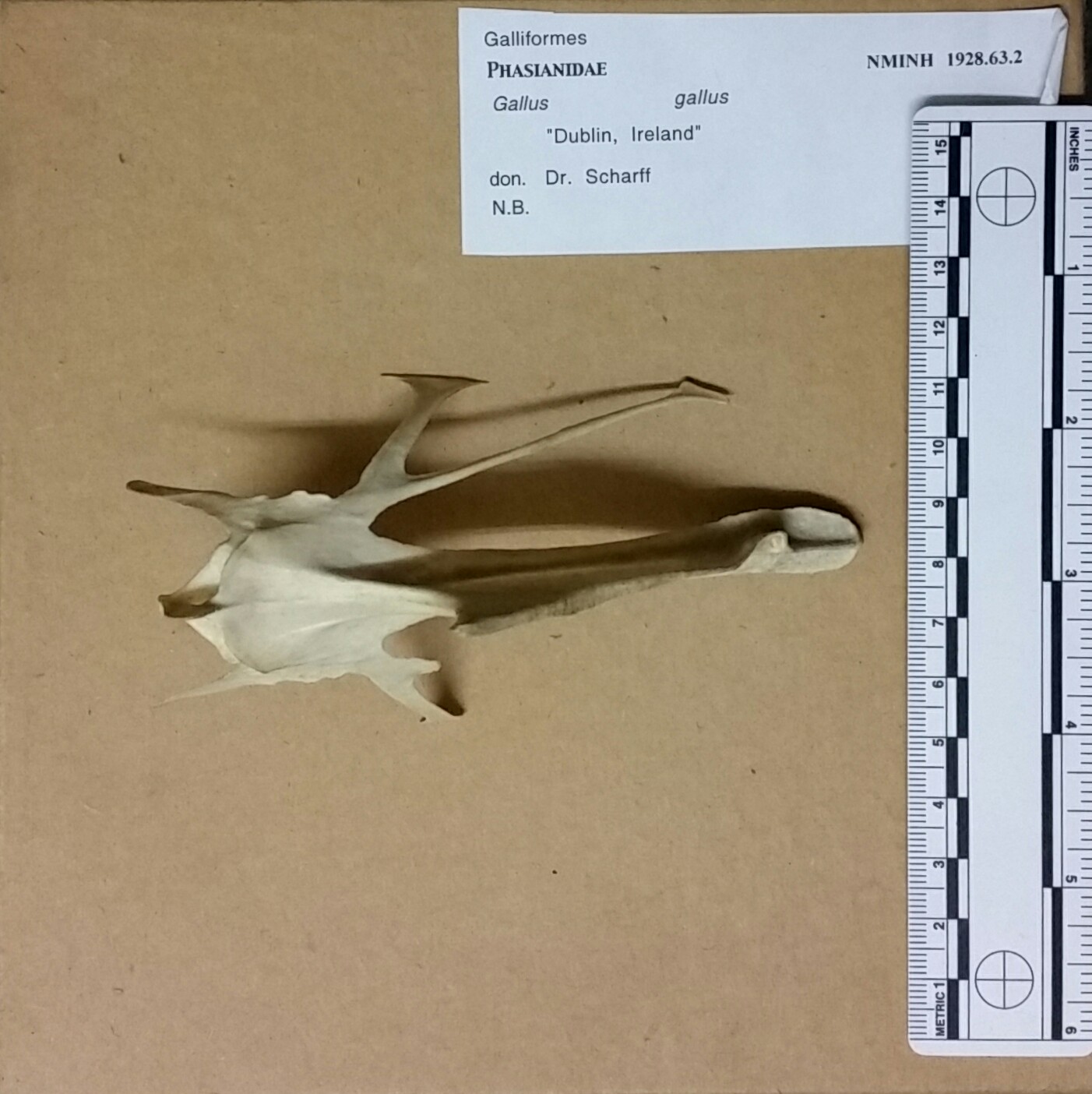
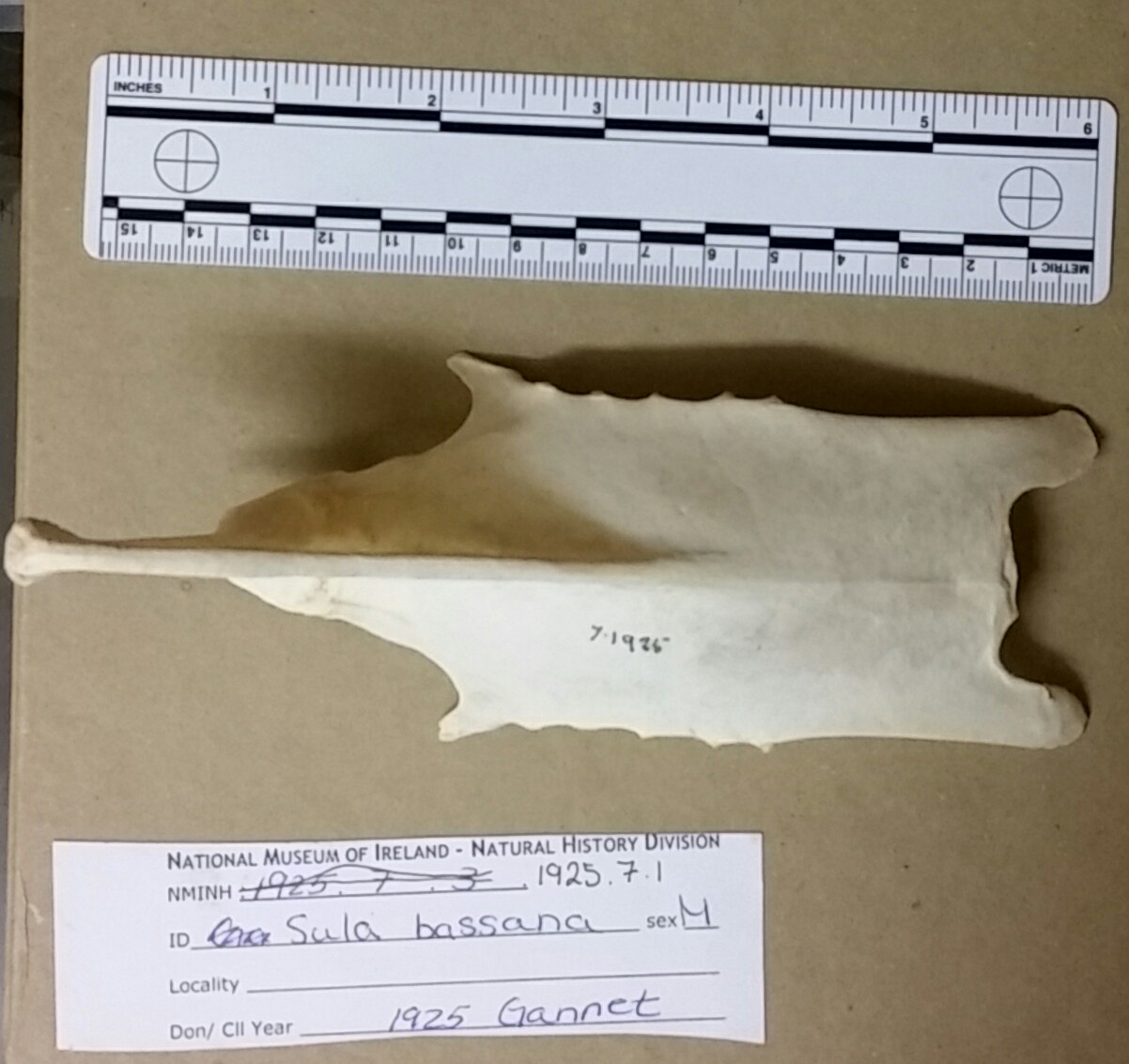


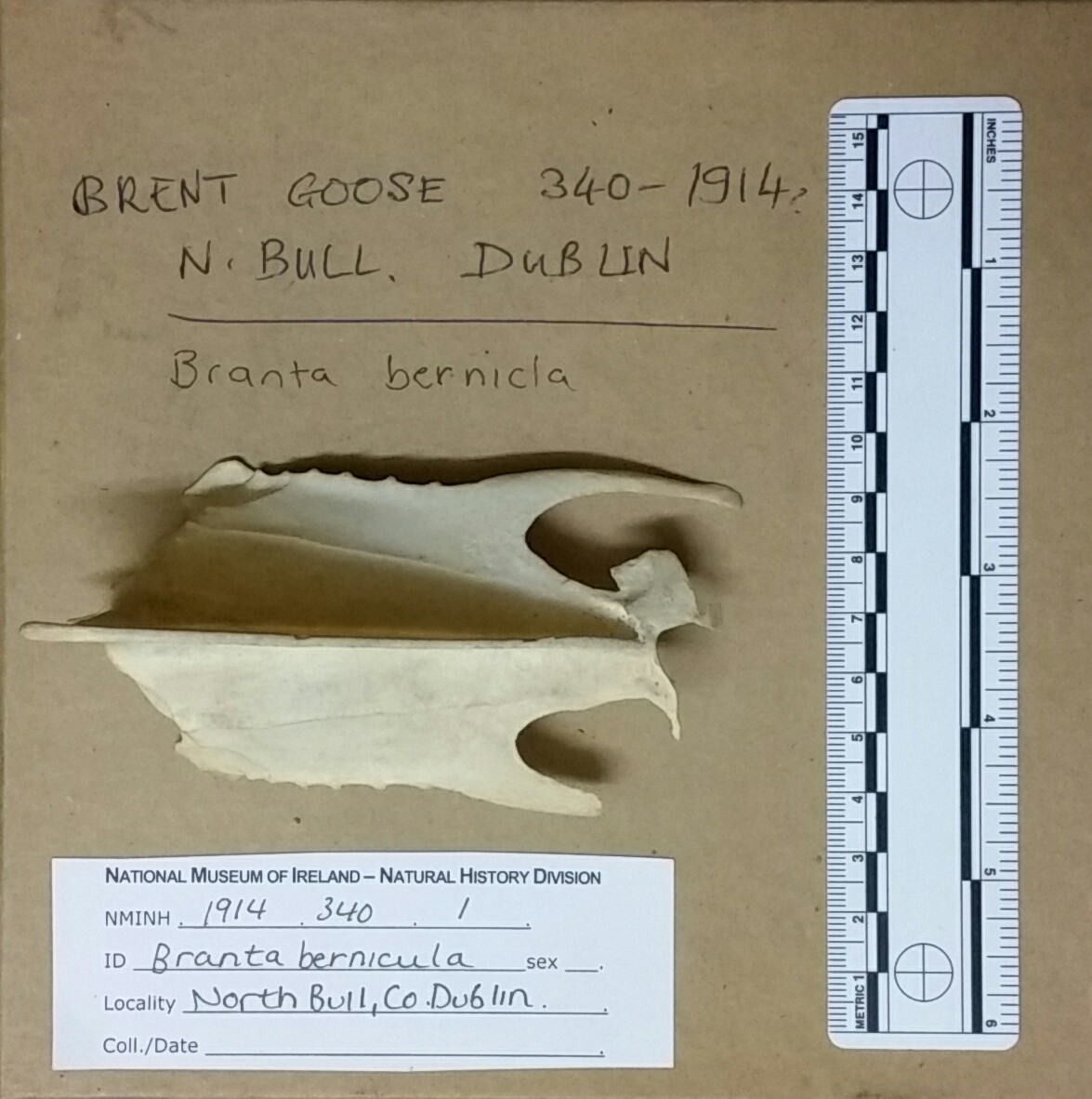
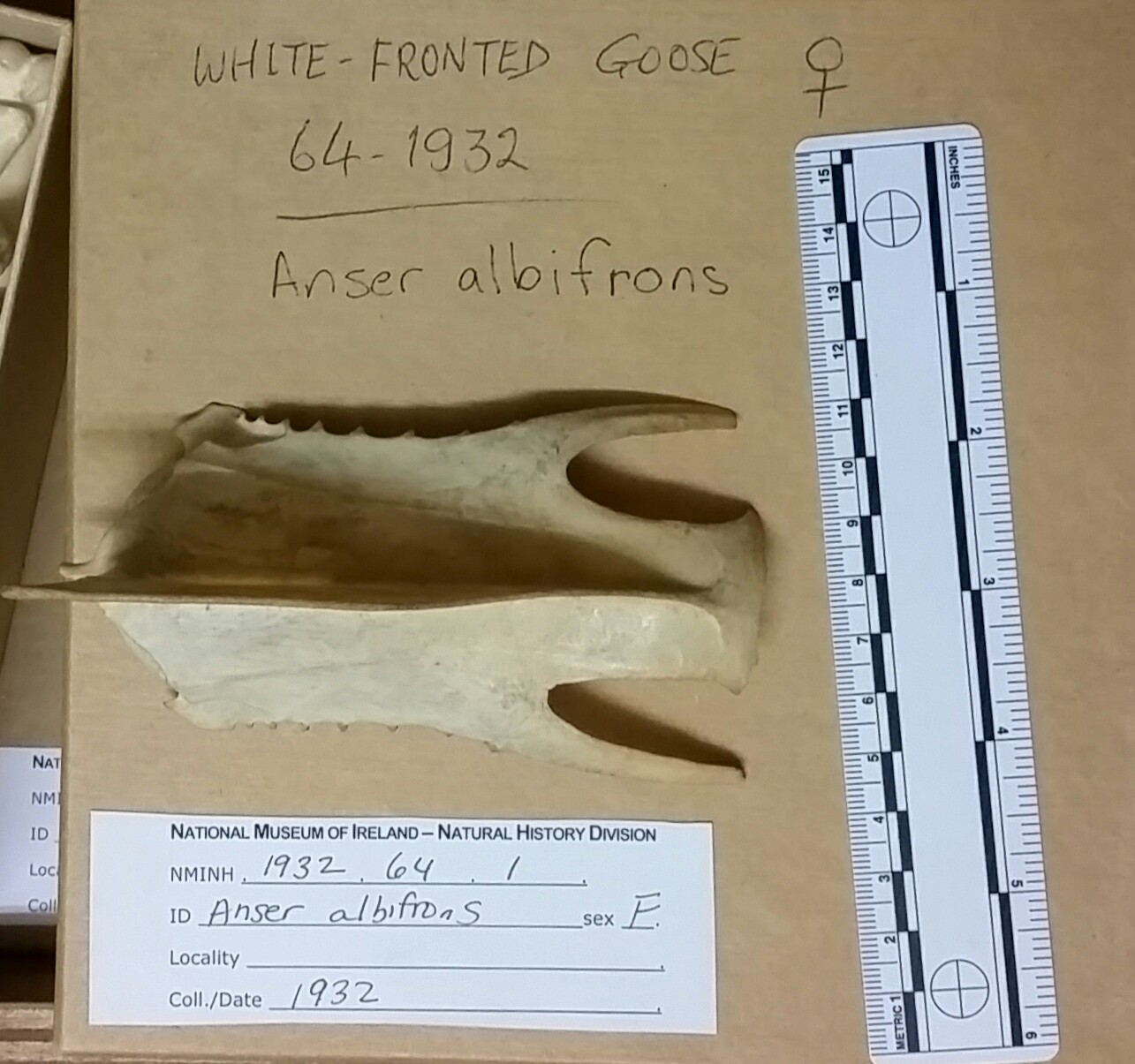


The chicken sternum in the images above (first one pictured) is the closest in form to the mystery object. The Galliformes have a tiny flat section to their sternum, with long processes coming off to support the pectoral muscle, unlike most other birds which have large flat sections to accommodate the muscle. This likely reflects the low use that the flight muscles tend to get in the Galliformes, which generally (although not exclusively) avoid flying if possible.
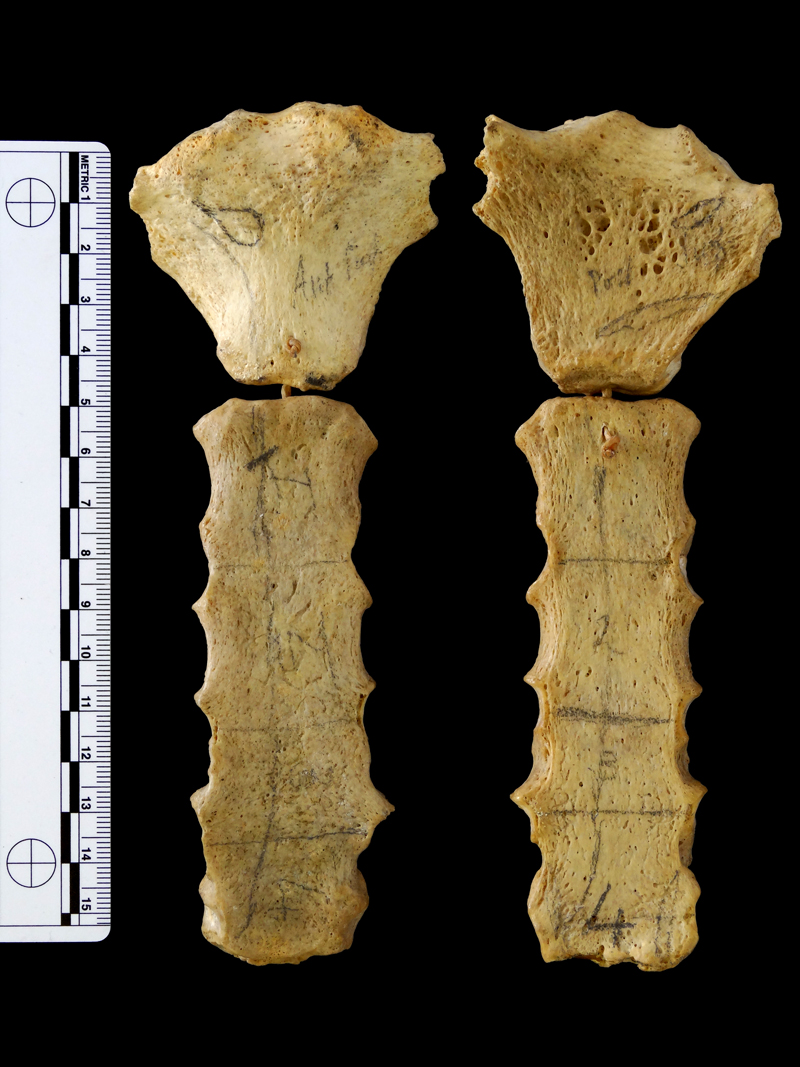
The fact that the sternum is showing its ventral side and it’s broken in several places, it’s really not feasible to definitively identify it to species based on the available information.
However, I have some additional context, because this piece of bone is actually just a small piece of set-dressing in a diorama from the Dead Zoo, depicting a Peregrine Falcon nest:
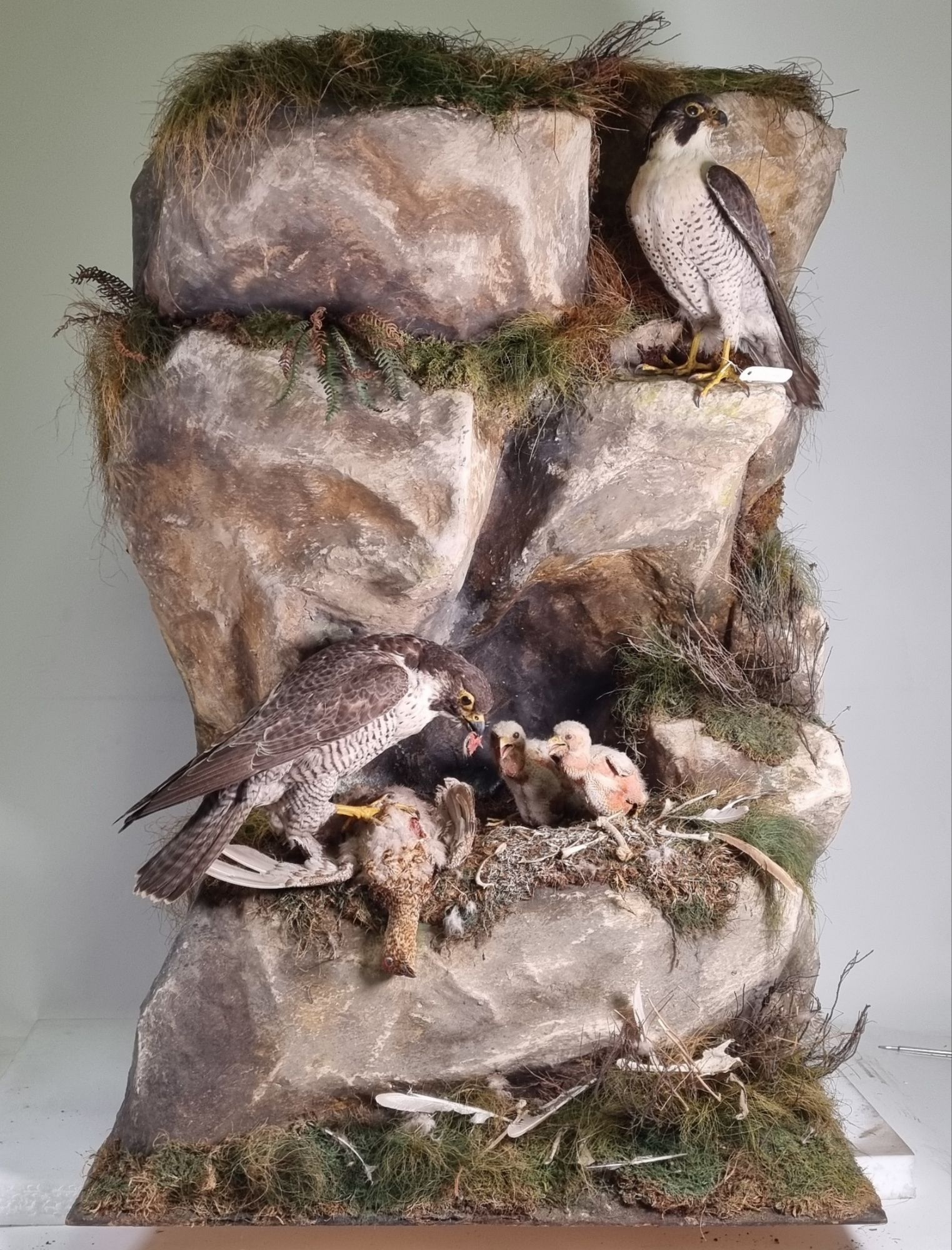
In this diorama the Peregrine chicks are being served a tasty portion of Red Grouse:

Since the bones of the Red Grouse would have been removed as part of the taxidermy process, there’s every chance that some of those bones used in the dressing of the diorama may have come from the specimen, although I’m sure there would be plenty of bones from Pheasants and other Red Grouse available in the taxidermy studios of Williams & Sons, where this was made.
So well done to everyone who got as far as Galliformes – I promise it won’t be quite so difficult next time!




 Zygoma