This week I have a third mystery bird pelvis for you to try your hand at identifying:
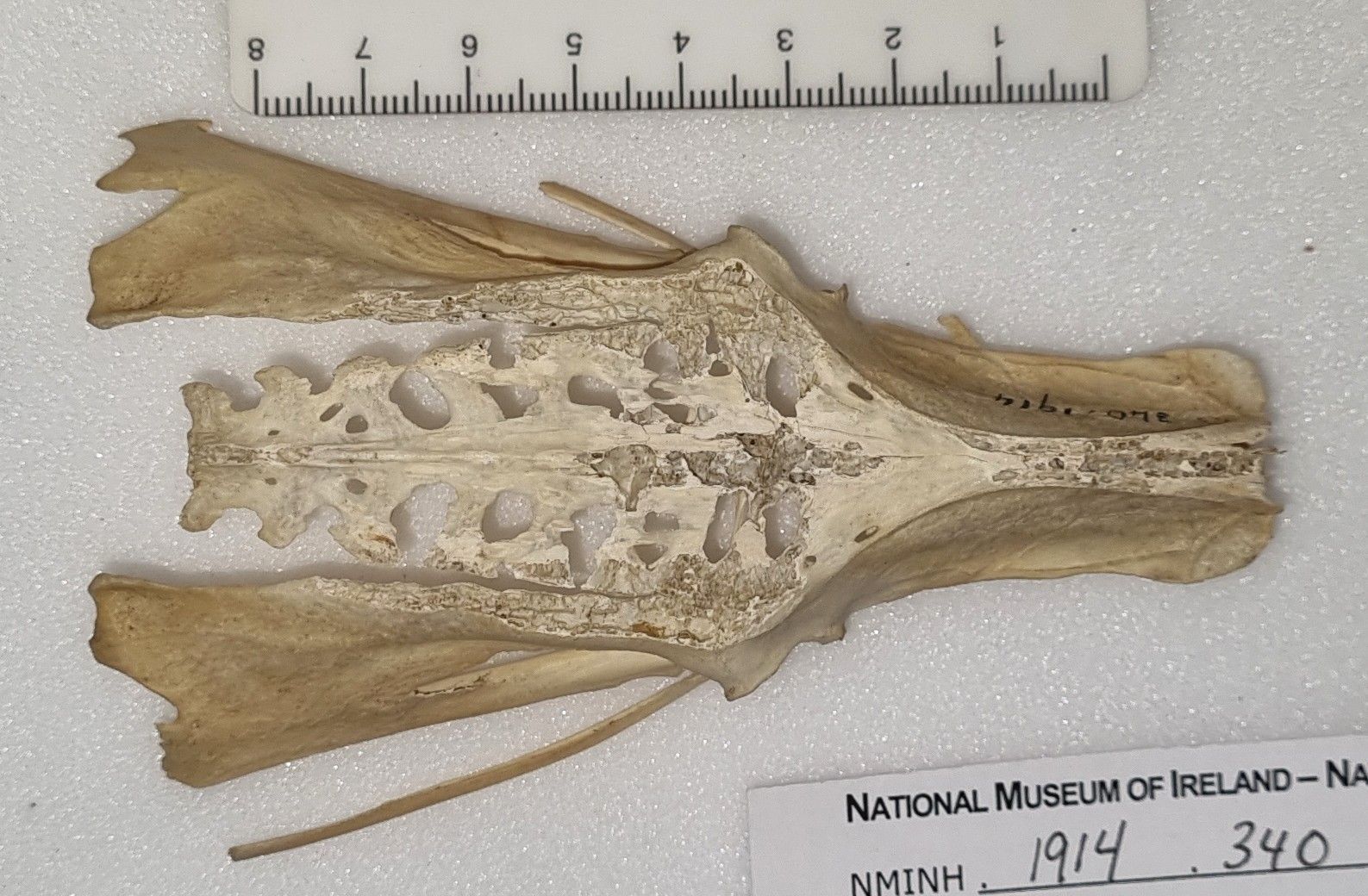
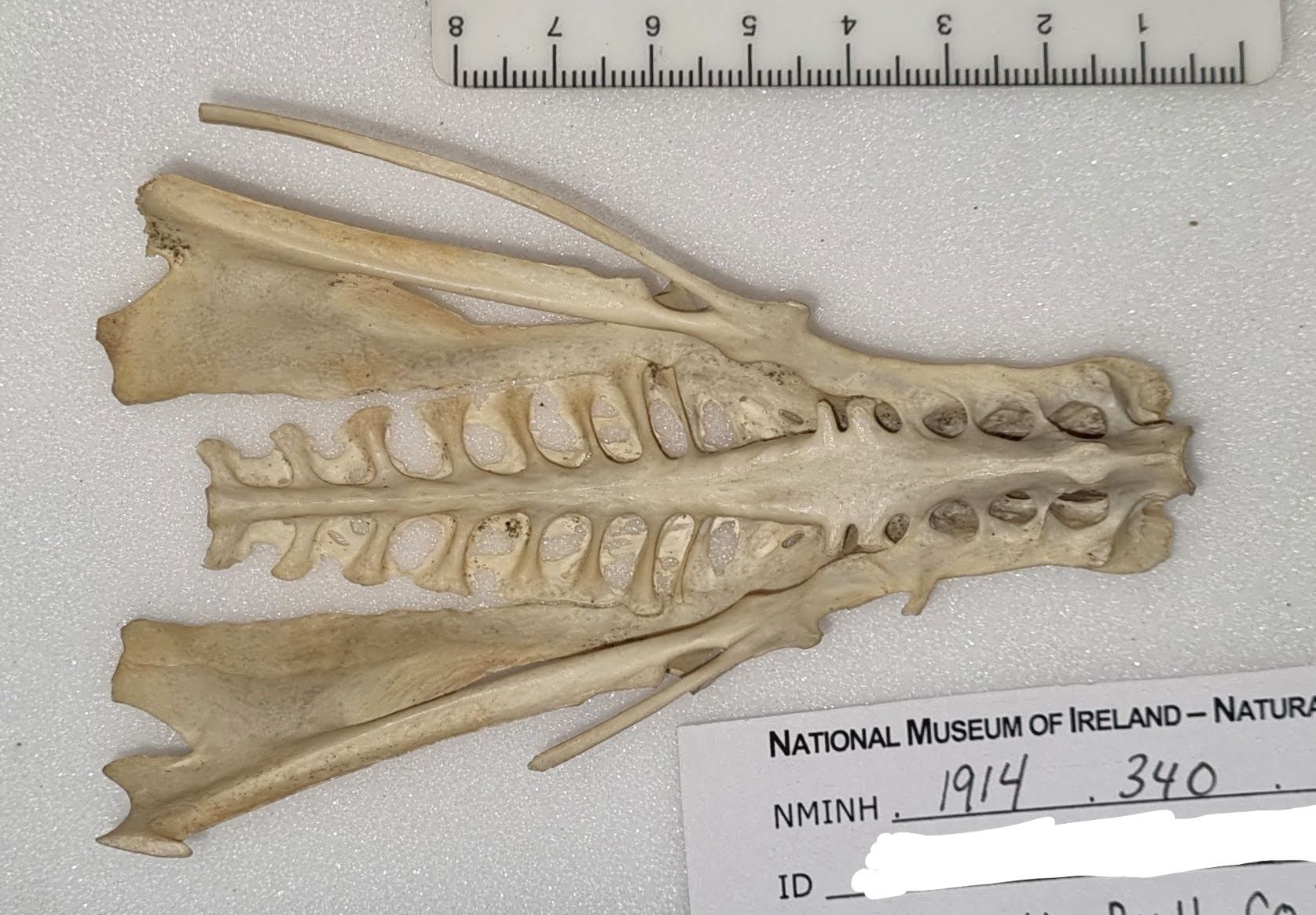
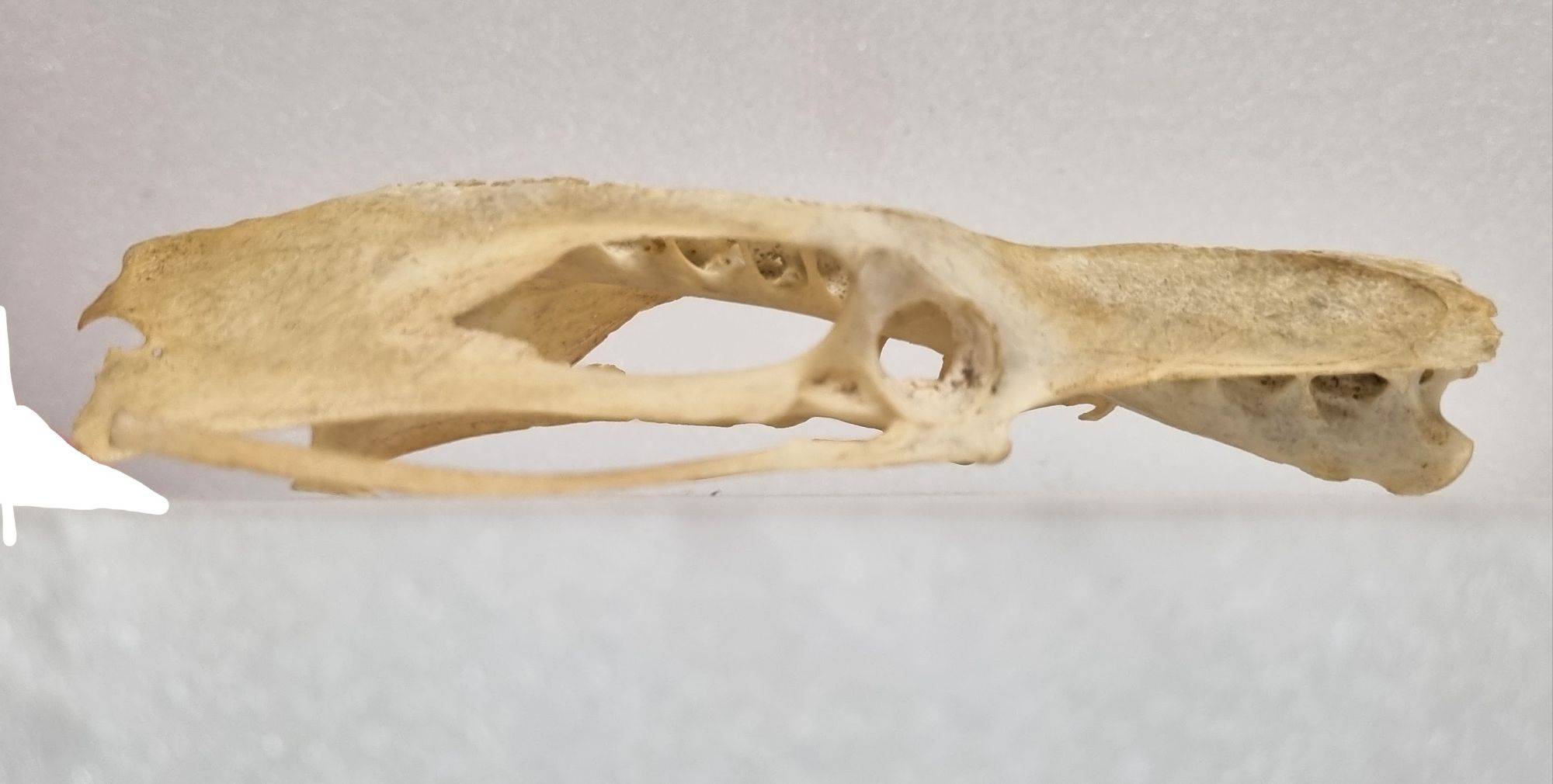
Let me know what you think this might be from – I’d be keen to hear your reasoning!

This week I have a third mystery bird pelvis for you to try your hand at identifying:
Let me know what you think this might be from – I’d be keen to hear your reasoning!
Last week I gave you the second of a series of bird pelvises to try your hand at identifying:
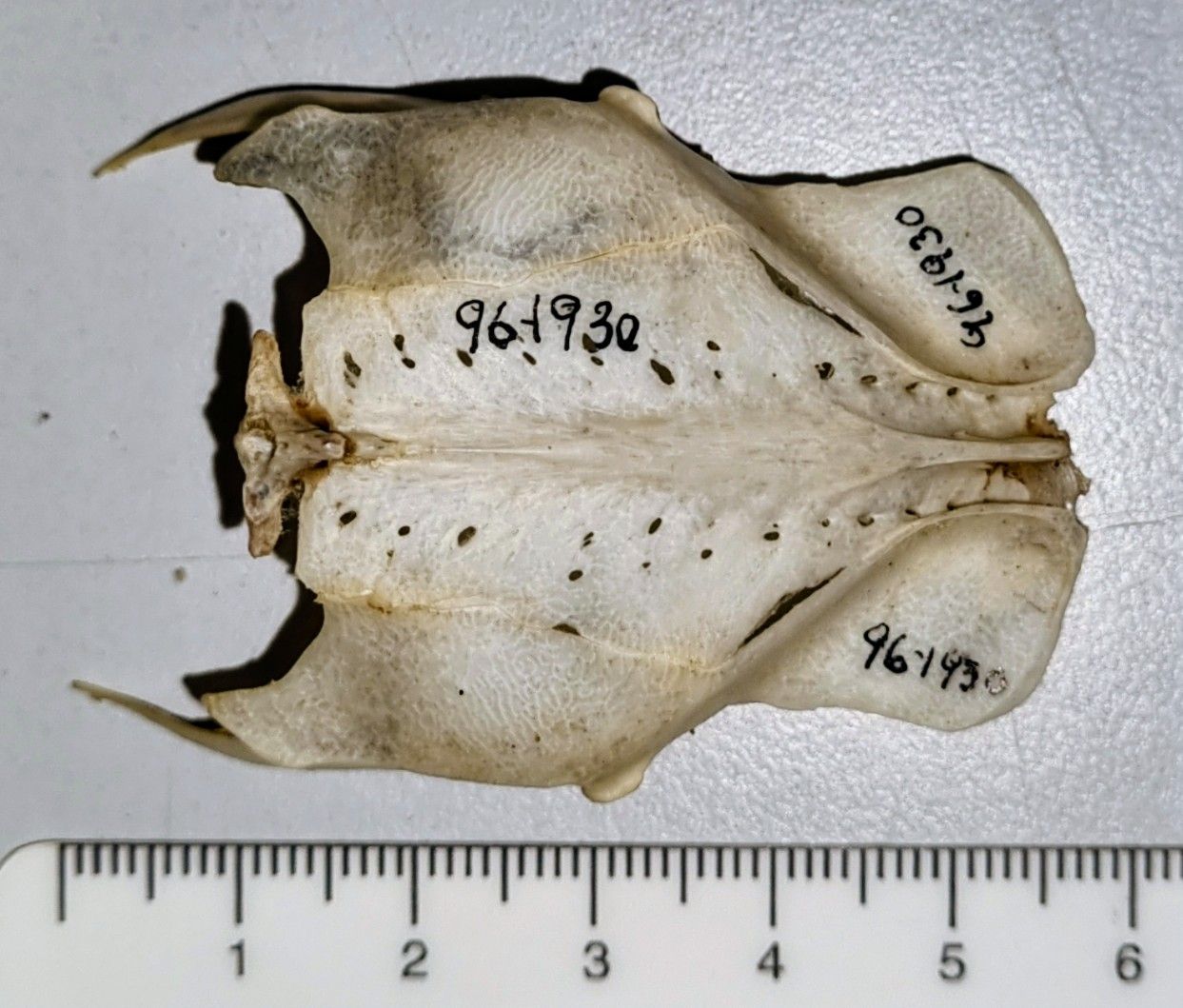
This one proved a bit more difficult than the previous example I offered up, which was from a Chicken – here’s that one for comparison:
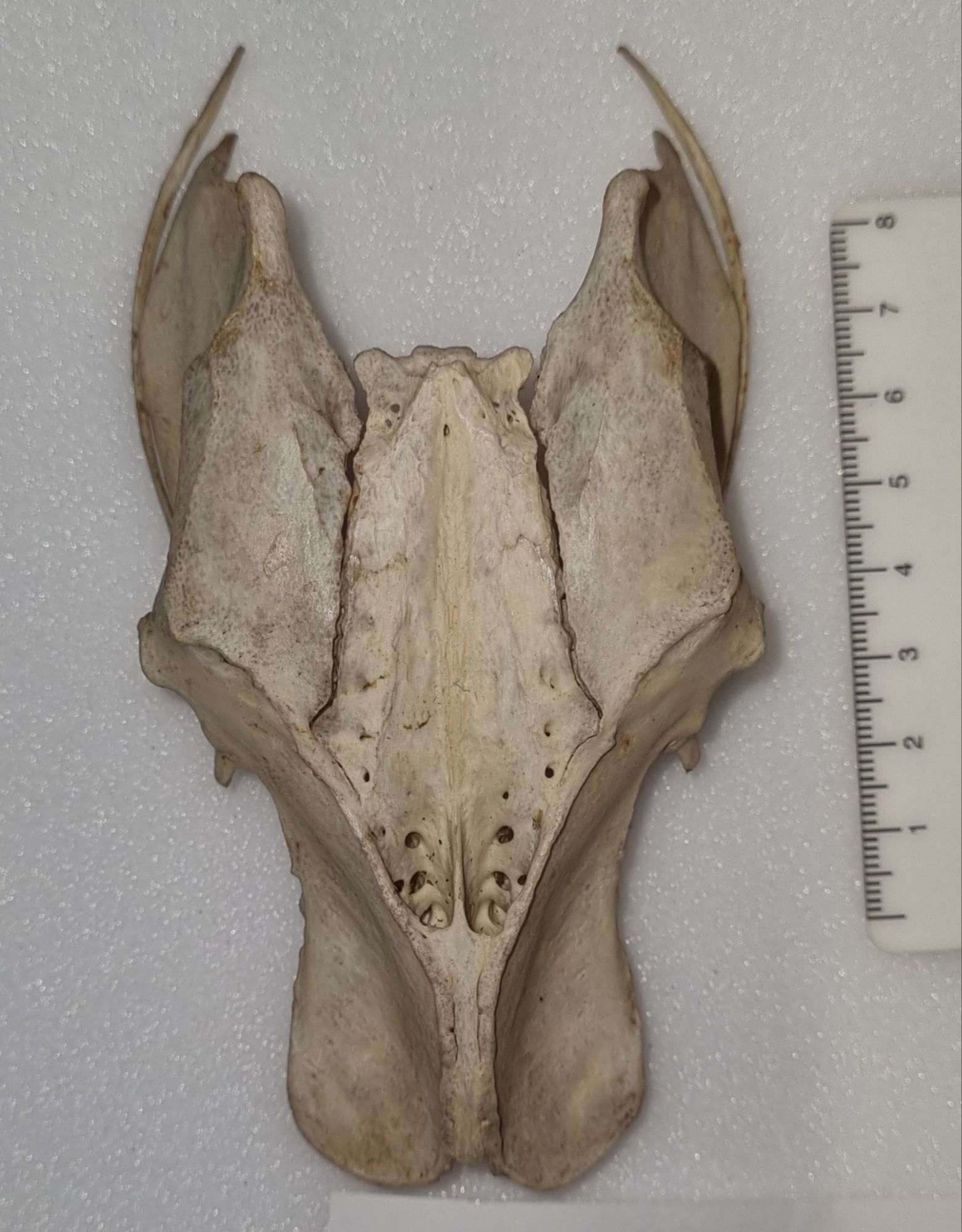
As you can see, our mystery pelvis is a good bit smaller than that of the Chicken, and in terms of the shape, while it has some similarities, but it’s more compact and almost square. I’m not 100% sure why, but that makes me think of something that has a more upright body orientation than a Chicken.
Part of the reason it’s more square is that the areas of muscle attachment for the iliotrochantericus caudalis muscles (which I talked about a couple of weeks ago) don’t extend far forward, which suggests its femur isn’t being stabilised to enable a long stride. The attachment is quite wide though, so I suspect it may be optimised to cope with large forces in a burst instead.
There are a few species that would fit the bill (if you’ll excuse the pun) including Grouse – which was suggested by Chris Jarvis and it is remarkably similar – but this is the pelvis of a Rock Dove (in this case the domestic version) Columba livia Gmelin, JF, 1789 which was correctly spotted by Adam Yates.
I thought this one might be nice to use, as it lets me share a blast from the past that looks at the explosive take-off of a Pigeon, from Ben Garrod’s TV series Secrets of Bones, which I had the privilege to be scientific advisor for back in 2014. I hope you find the clip interesting!
The last mystery object was a bit of bird bone that I personally found really interesting, and it’s inspired me to offer up the same bit of bone, but from a different bird:
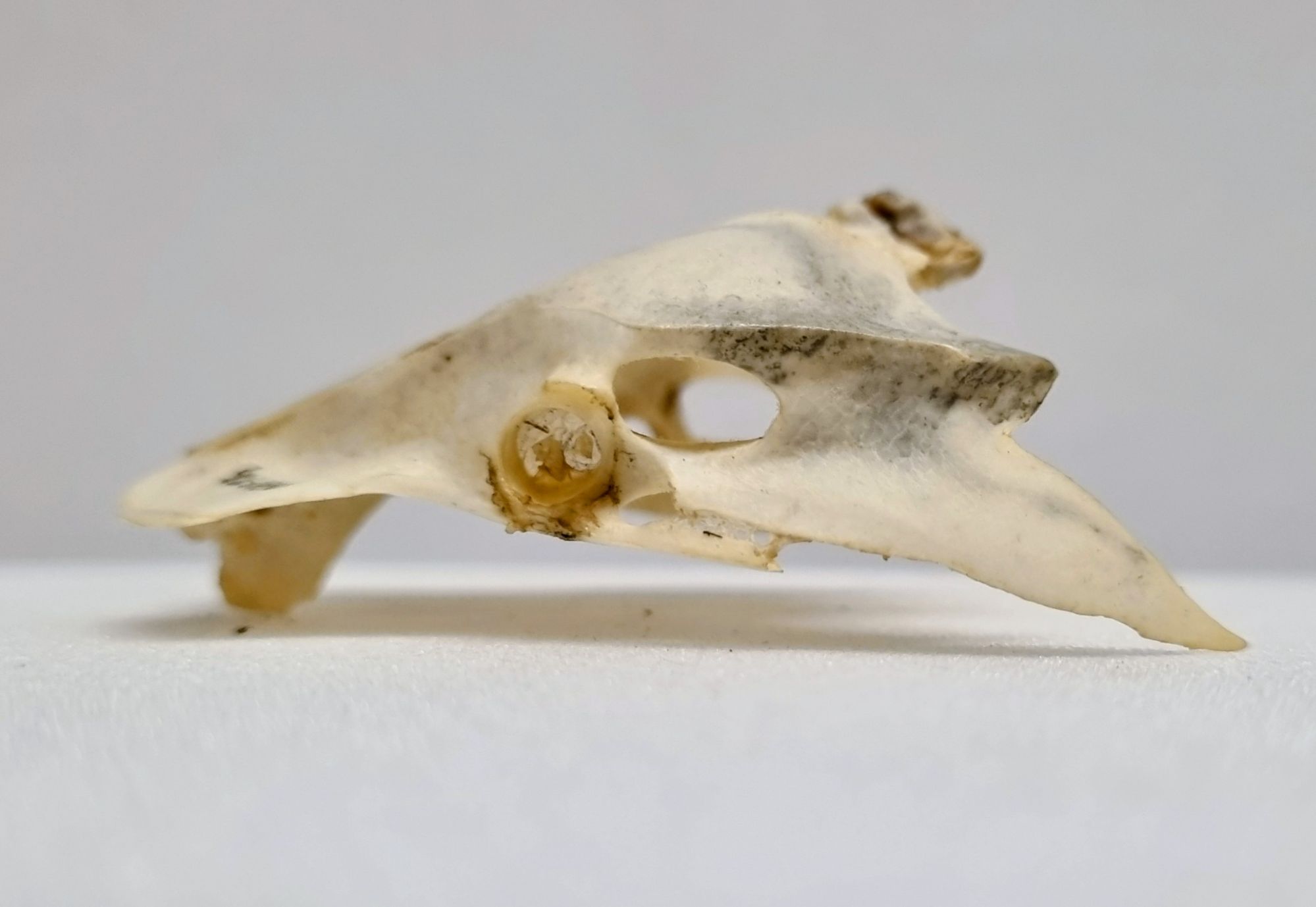
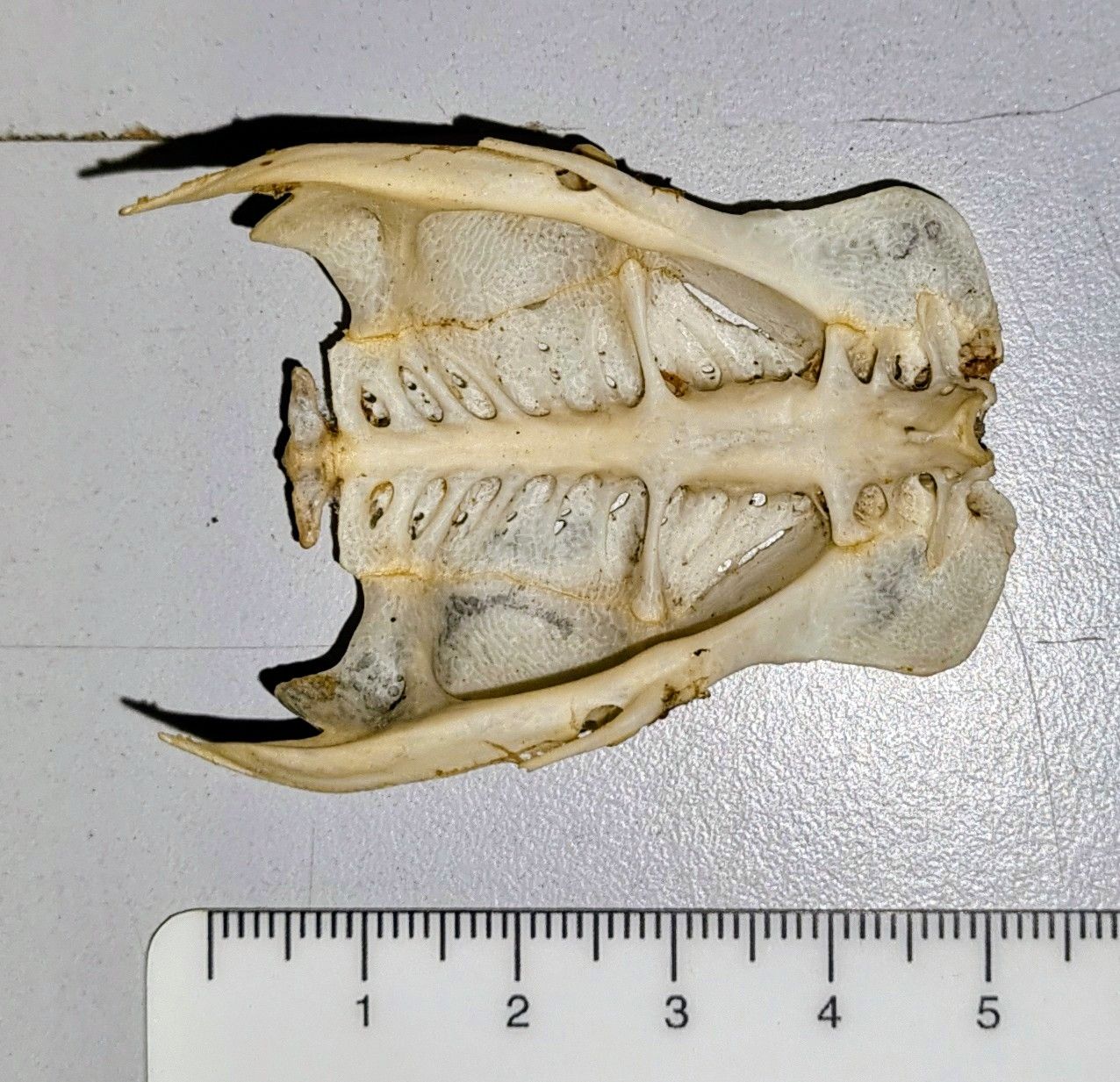
Any idea of the species that this came from? I’d love to hear your thoughts in the comments box below!
Last week I gave you this bony structure to identify:
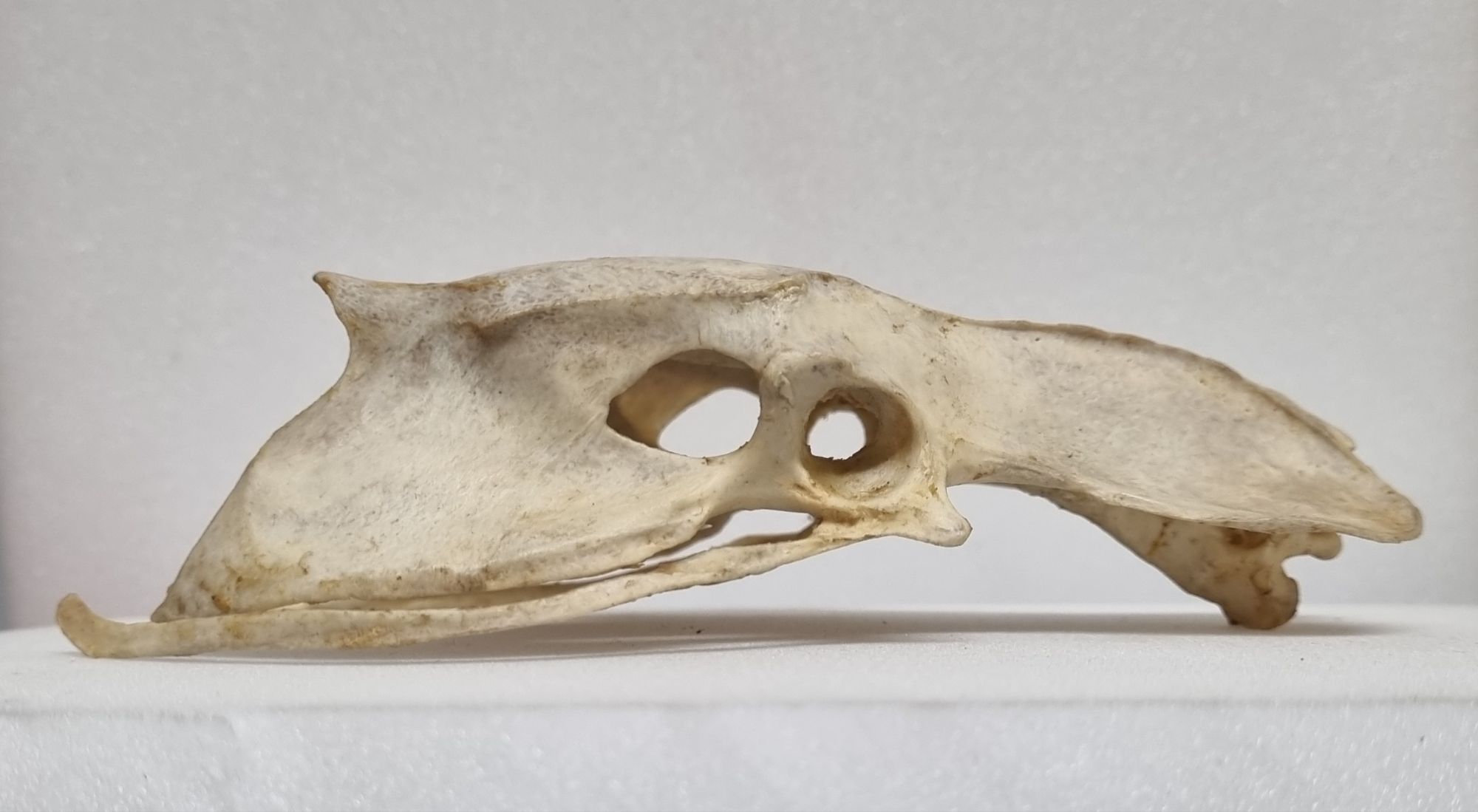
I didn’t think this one would prove too difficult, since I went with something that most people have probably encountered on their dinner table or thrown in their domestic waste at some point. I wasn’t wrong and Chris Jarvis was first to drop a hint, with reference to Elvis the Pelvis and a famous brand of fried foodstuff from Kentucky.
This is of course the pelvis of a Chicken Gallus gallus domesticus (Linnaeus, 1758).
Bird pelvises are interesting structures, that are a bit more extensive than the usual mammalian equivalent1 due to the extended and fused vertebrae around the sacrum – the sacrum being the area of fused vertebrae where the hip bones attach to the spine. This extended region of fused vertebrae along the midline of the pelvis is referred to as the synsacrum.
In birds the fusion of the pelvis can be very extensive, and provide large areas for muscle attachment. If you look at the bottom of the photo above you can see where there are two scooped-looking sections, and this is where the “oysters” would be found in a roast Chicken. Those “oysters” are more technically referred to as the iliotrochantericus caudalis muscles and they attach to the femur and help stabilise the bird while walking.
The highly sculpted form of a bird’s pelvis creates quite a distinctive locomotor unit that reflects the way in which the bird uses its legs to walk, perch, paddle, swim or whatever else it may get up to. This means that the pelvis of a bird will usually reflect function very well and it will also carry a strong taxonomic signal since birds that are closely related will often share similar locomotion habits, lay similar sized eggs (that have to pass through the pelvis) and so on.
To my mind, the synsacrum provides an evolutionary mechanism to allow effective bipedalism while maintaining a horizontal spine – as opposed to the upright stance used in primates, which seems to come with some issues if my back is anything to go by. My background is in biomechanics and anatomy, so for me this is a topic that I find very interesting. So interesting that I may see if I can find another bird pelvis from a species with different habits to test your skills next week – let me know what do you think of that idea in the comments!
 Zygoma