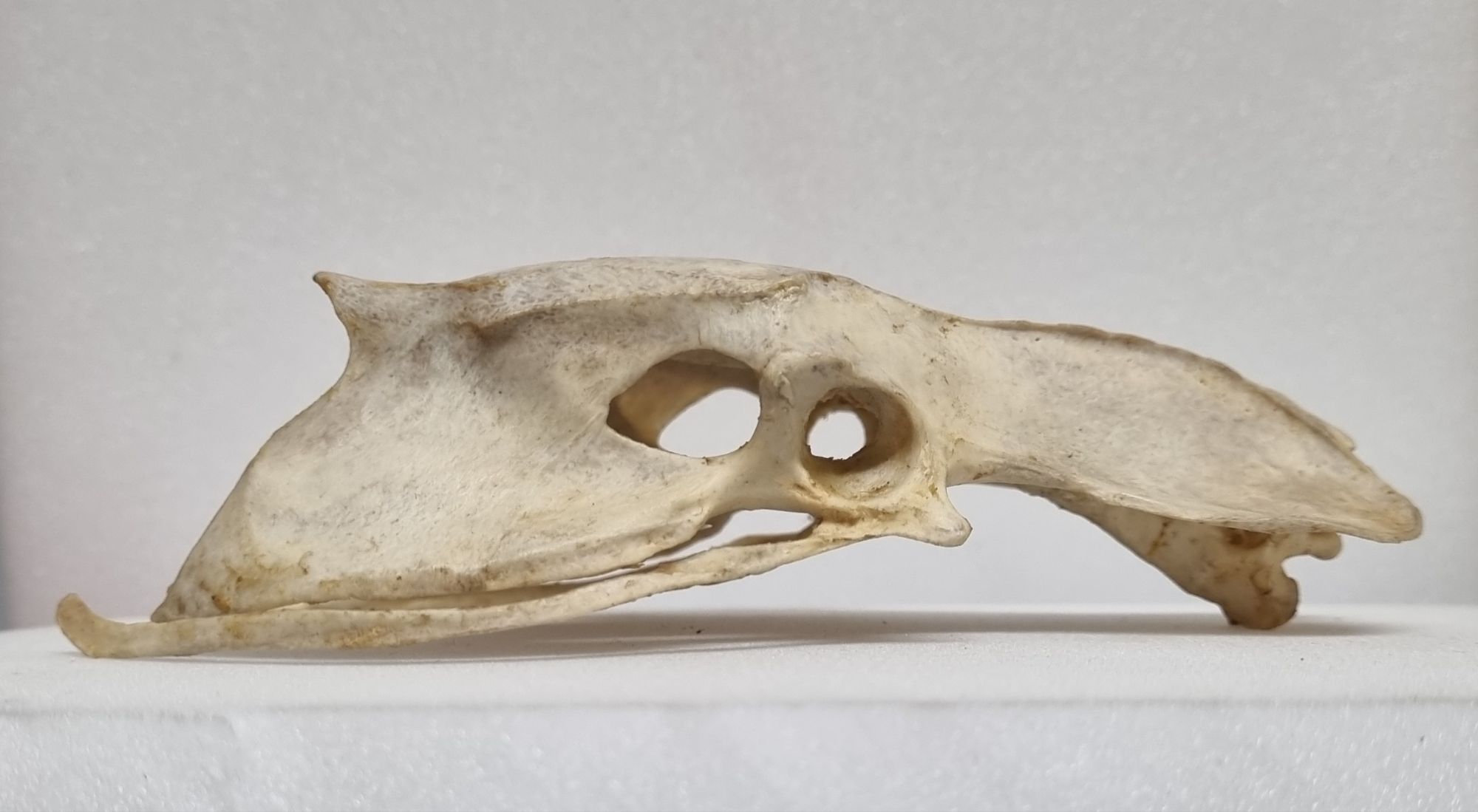
This week I have an invertebrate for you to have a go at identifying for a change:
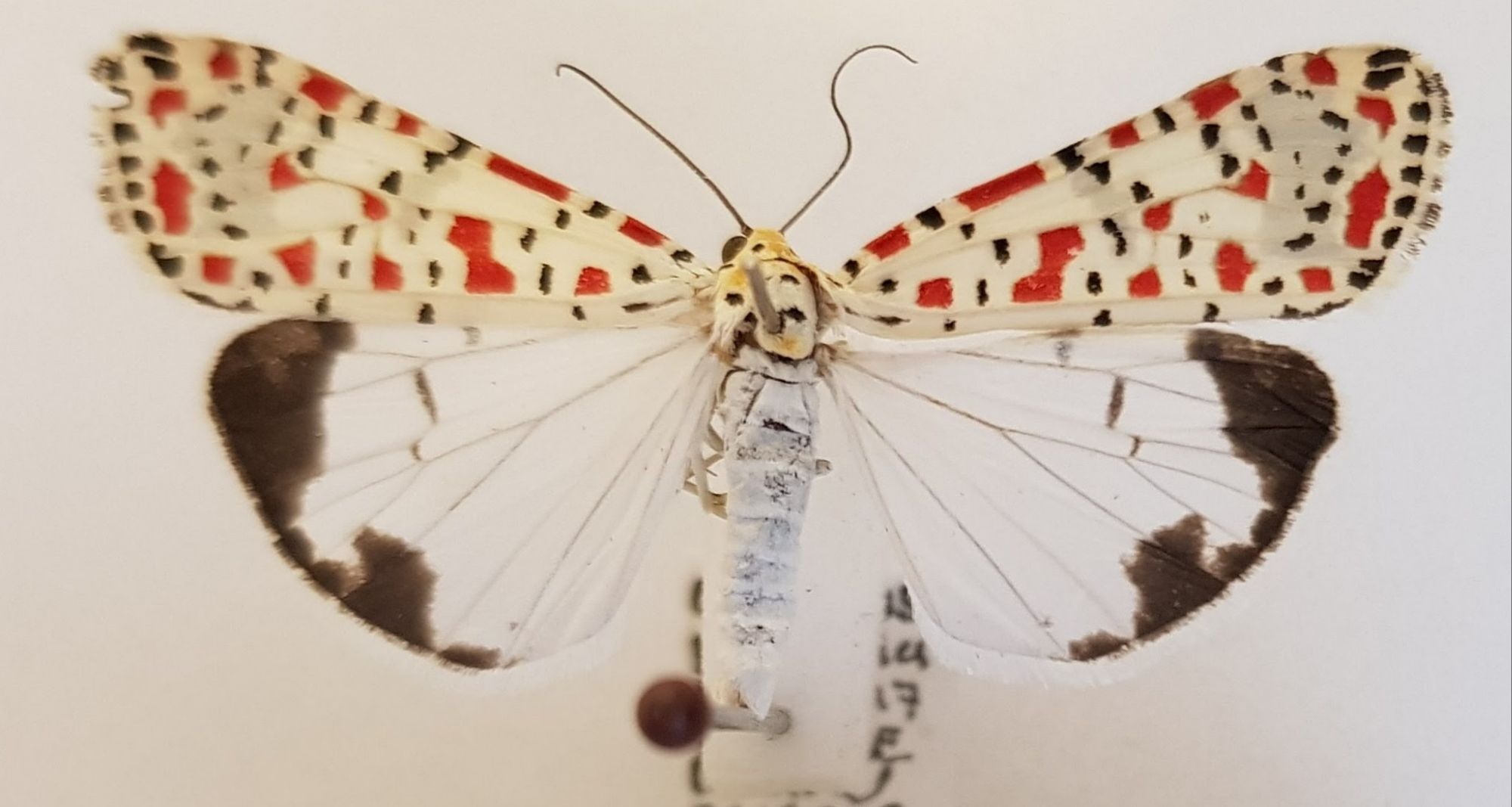
Any idea what this rather beautiful beastie might be?
Let me know what you think it might be in the comments below. I hope you have fun working it out!

This week I have an invertebrate for you to have a go at identifying for a change:
Any idea what this rather beautiful beastie might be?
Let me know what you think it might be in the comments below. I hope you have fun working it out!
Last week I gave you this genuine mystery object from the forests of Borneo to get your thoughts on:

This was sent to me by Dave Hone (who runs Archosaur Musings), but it was found and photographed by his colleagues Lauryn and Tom of Queen Mary University of London, who are doing research in Borneo.
I had an idea of what it might be, and I’m pleased to say that everyone who responded – both here and on social media – came to the same conclusion as me.
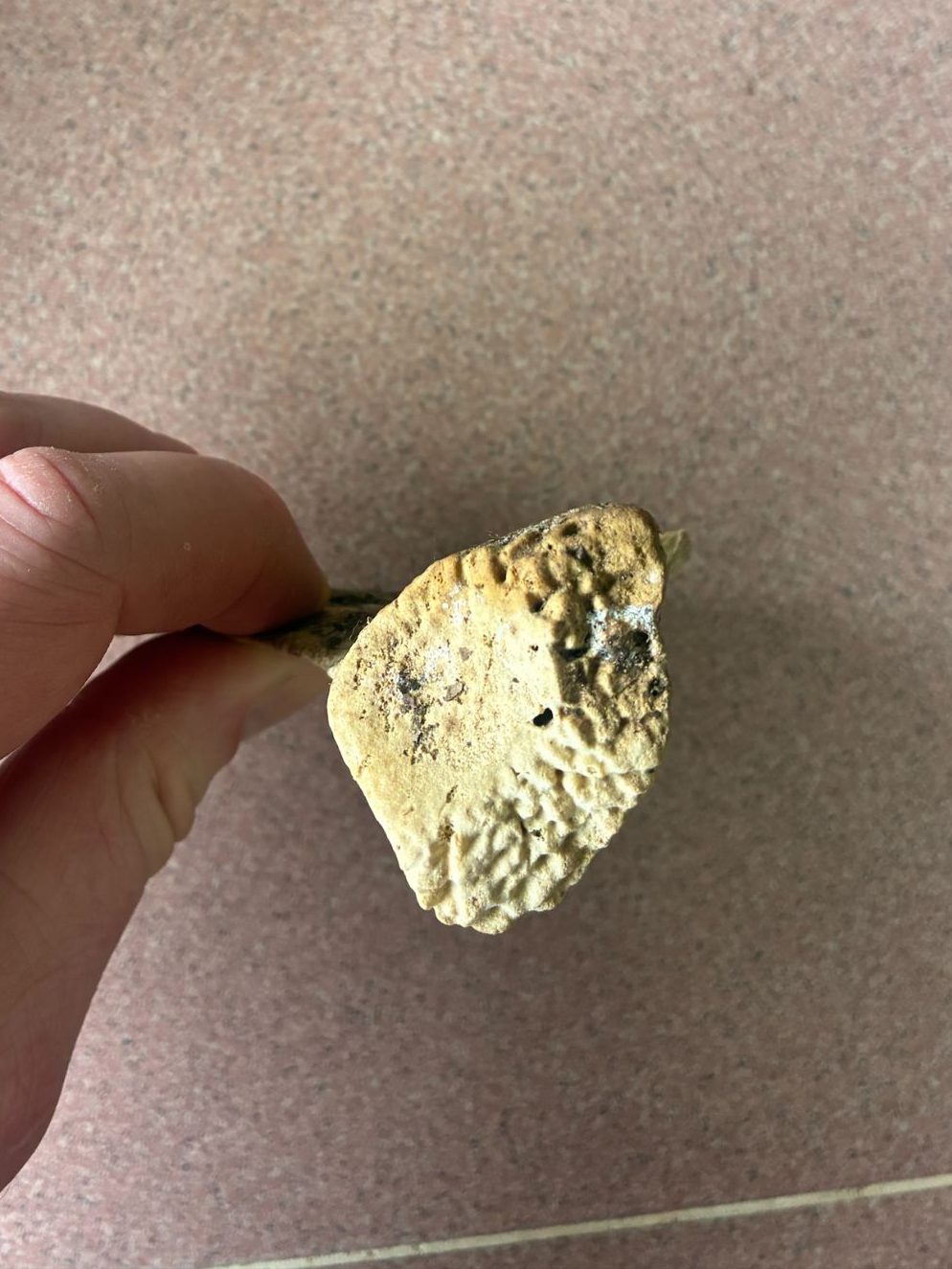
This is the left ilium crest from the pelvis of a juvenile animal. That much can be seen from the unfused sections where this would have connected to the sacral vertebrae and the pubic bone:
An unusual thing about this ilium is the position of the point of fusion with the sacrum:
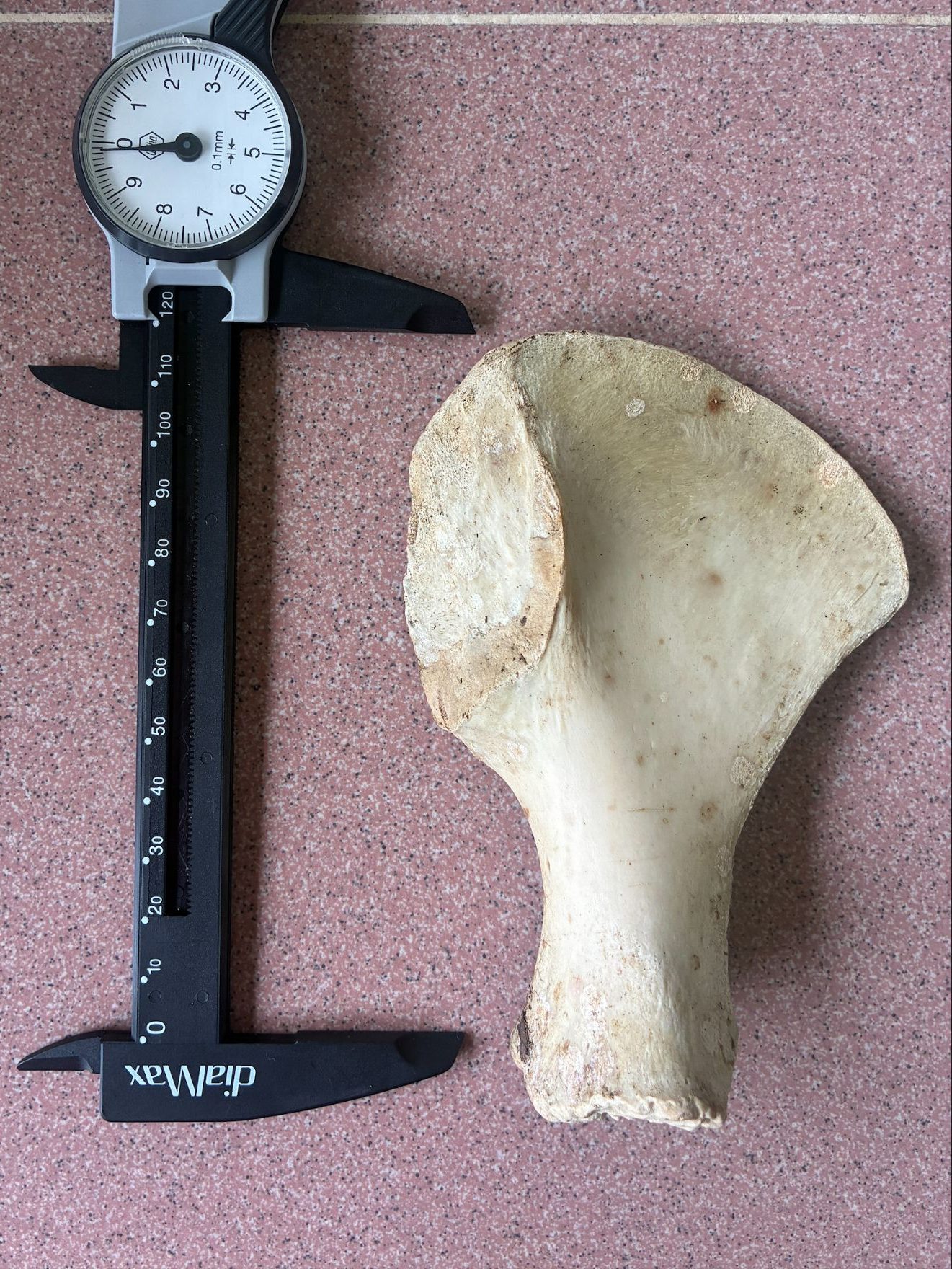
For most species the iliac crest (that’s the curved bit at the top) extends upward quite a bit before flaring out – and that flaring is often quite squared off and tends to be narrow and more blade-like. That configuration is what you would expect to see from most quadrupedal mammals – a notable exception is in the form of the human pelvis, due to our bipedalism.
However, this pelvis doesn’t quite conform to the human shape, as it’s a little bit less curved and a little more blade-like. This is consistent with one of our close cousins – there are some useful comparisons of disarticulated primate pelvises on the Bone Clones website and while this is very similar to a female Chimpanzee that’s shown, the location of Borneo suggests a more likely option – a Bornean Orangutan Pongo pygmaeus (Linnaeus, 1760).
On BlueSky, osteoarchaeologist Terry O’Connor spotted this straight away, as did Adam Yates and Chris Jarvis here in the comments. 10 year old Viren, who is a new visitor to Zygoma, was also spot-on. So well done to everyone, and thanks for your thoughts – it’s great to have my conclusion supported!
This week I have a genuine mystery for you to help solve, courtesy of Lauryn and Tom – researchers working in the forest in Borneo, and passed on by Dave Hone (an old friend and fellow blogger who runs Archosaur Musings):
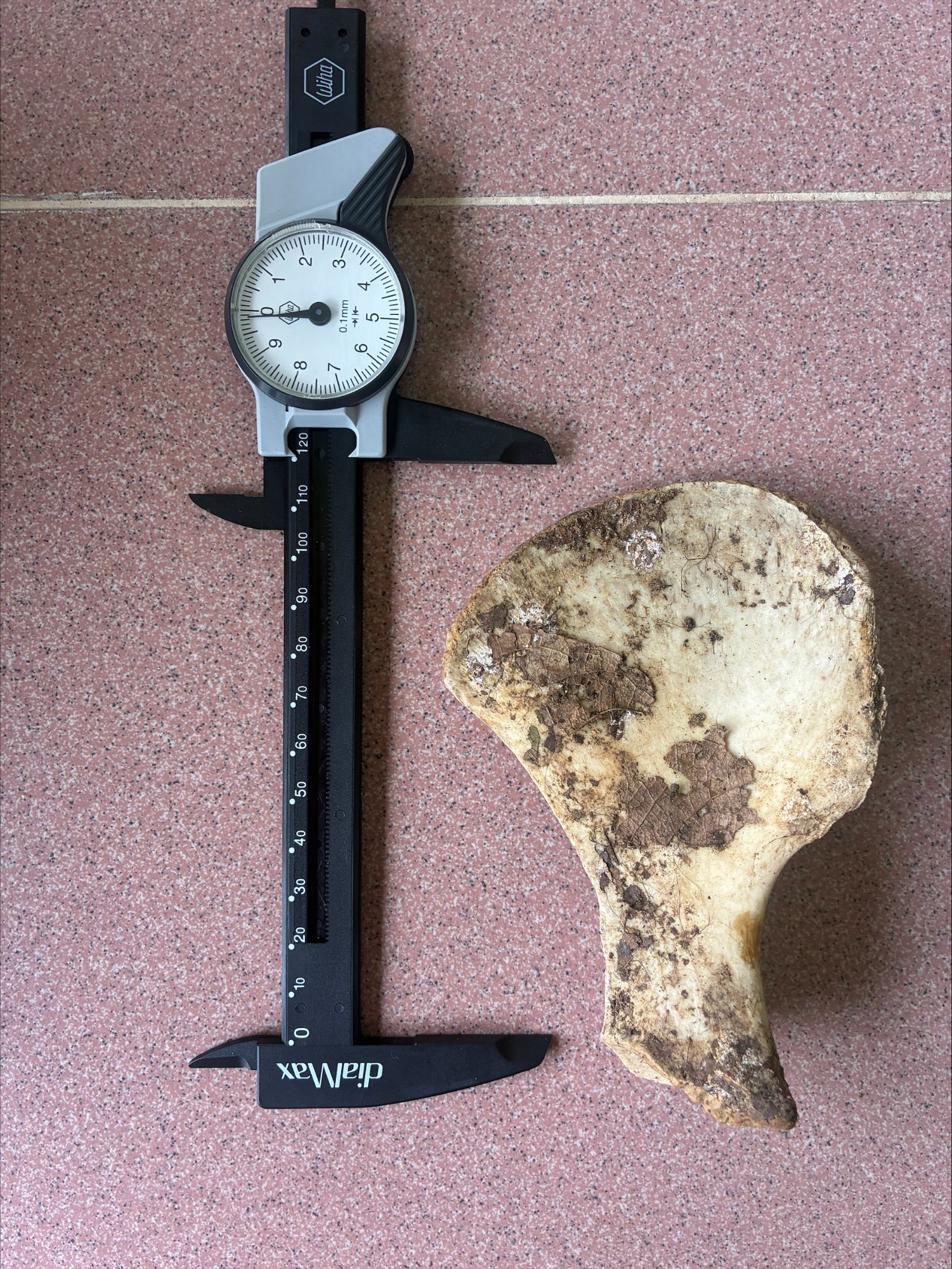
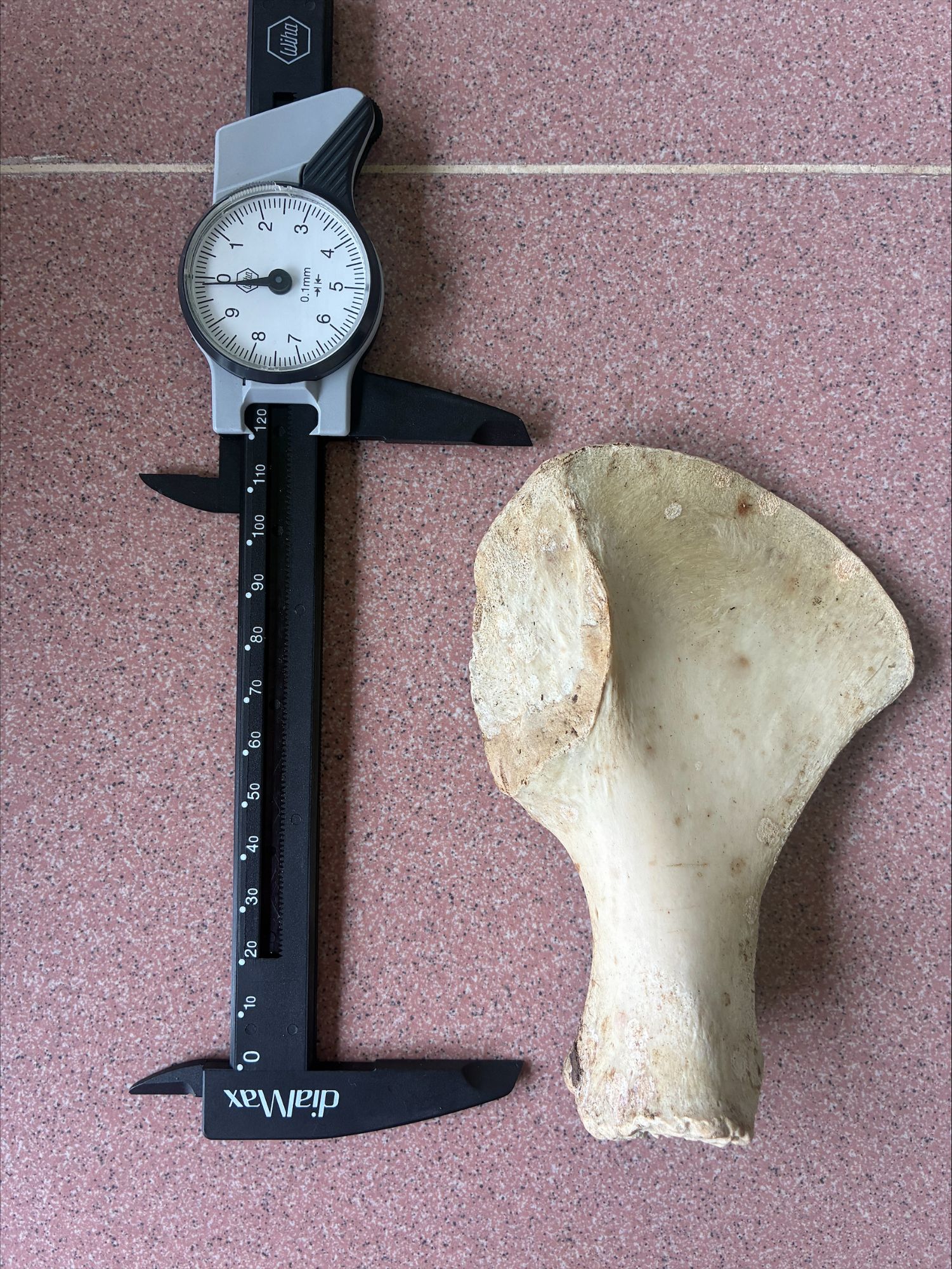
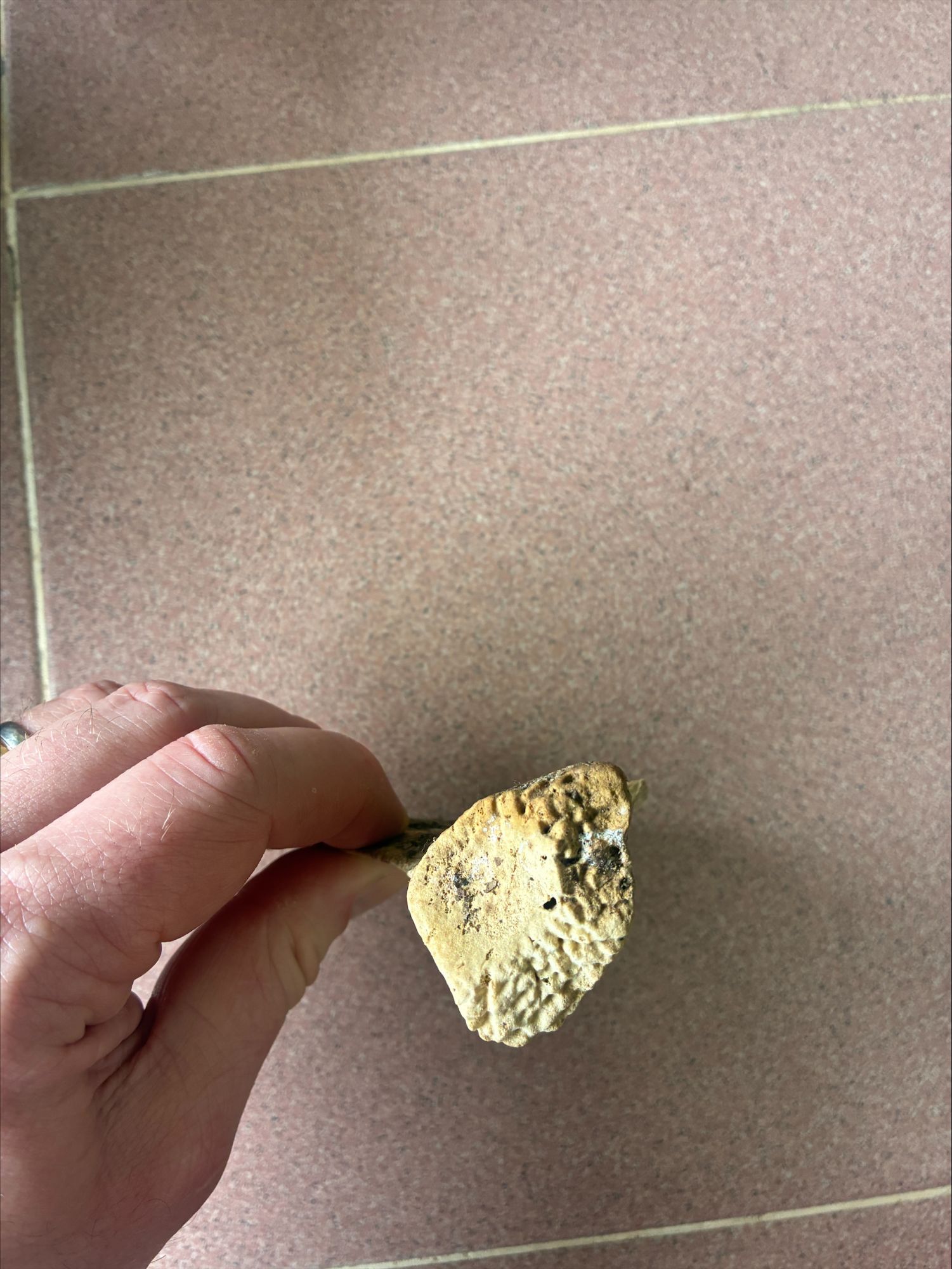
I think I know what this is and what it’s from, but I’d love to hear your thoughts on this Bornean bone in the comments below!
Last week I gave you this bird pelvis to have a go at identifying, as part of a series of posts on that particular feature across birds utilising different environments:
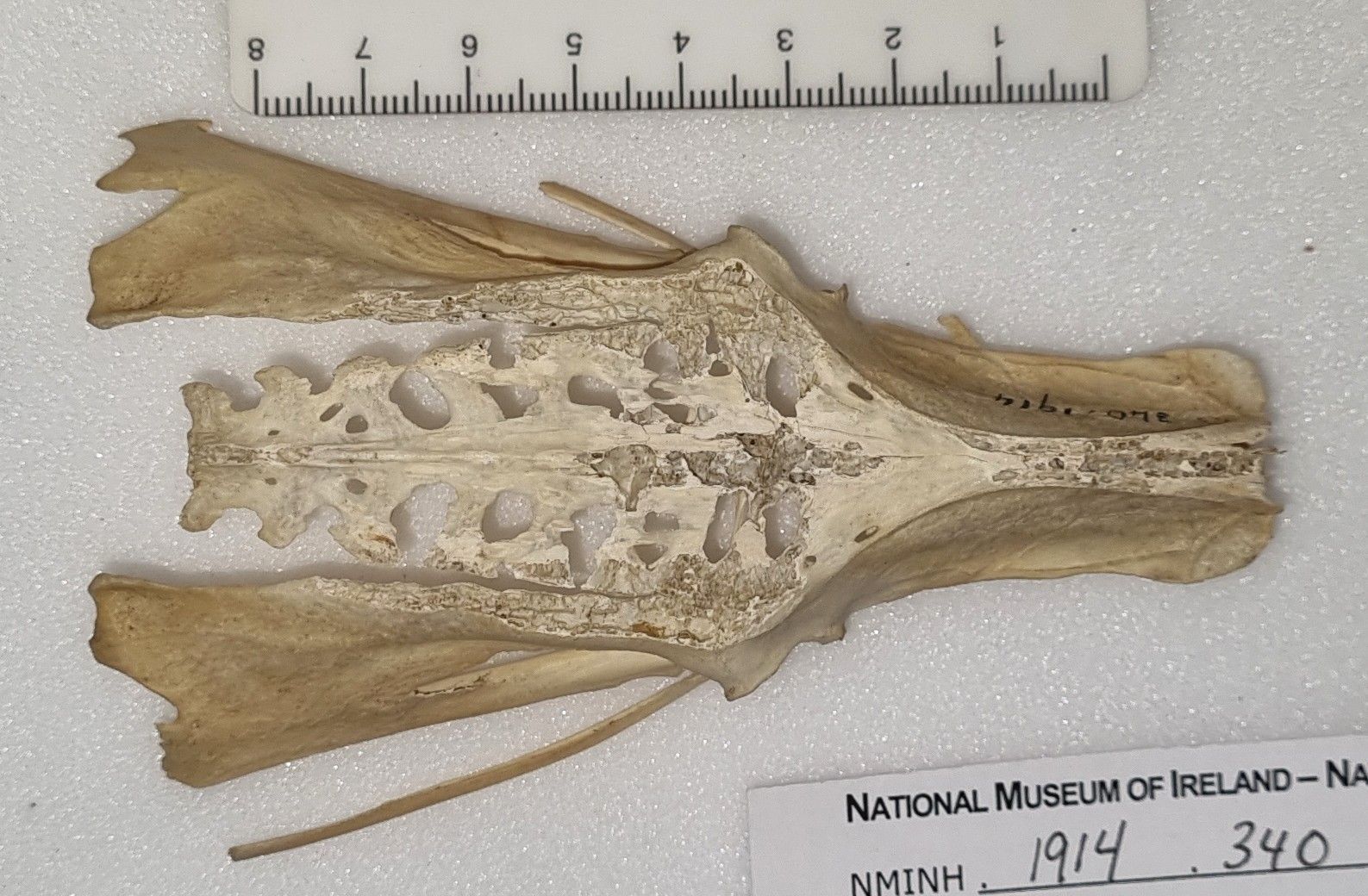
It probably wasn’t the easiest challenge, since this pelvis is damaged. It’s missing part of its dorsal surface and with some small amount of damage to the posterior margin of the right ischium (that’s the broad bit that flares out on the bottom left of the image) and with both of the pubic bones snapped (those are the long skinny bits that stick out to either side).
Still, the overall shape still gives some useful clues. The long, narrow, triangular form offers some ideas about the distribution of mass and use of the legs, to give a sense of possible locomotion habits.
The pelvis is very flat and the points of articulation with the femur are quite far forward:
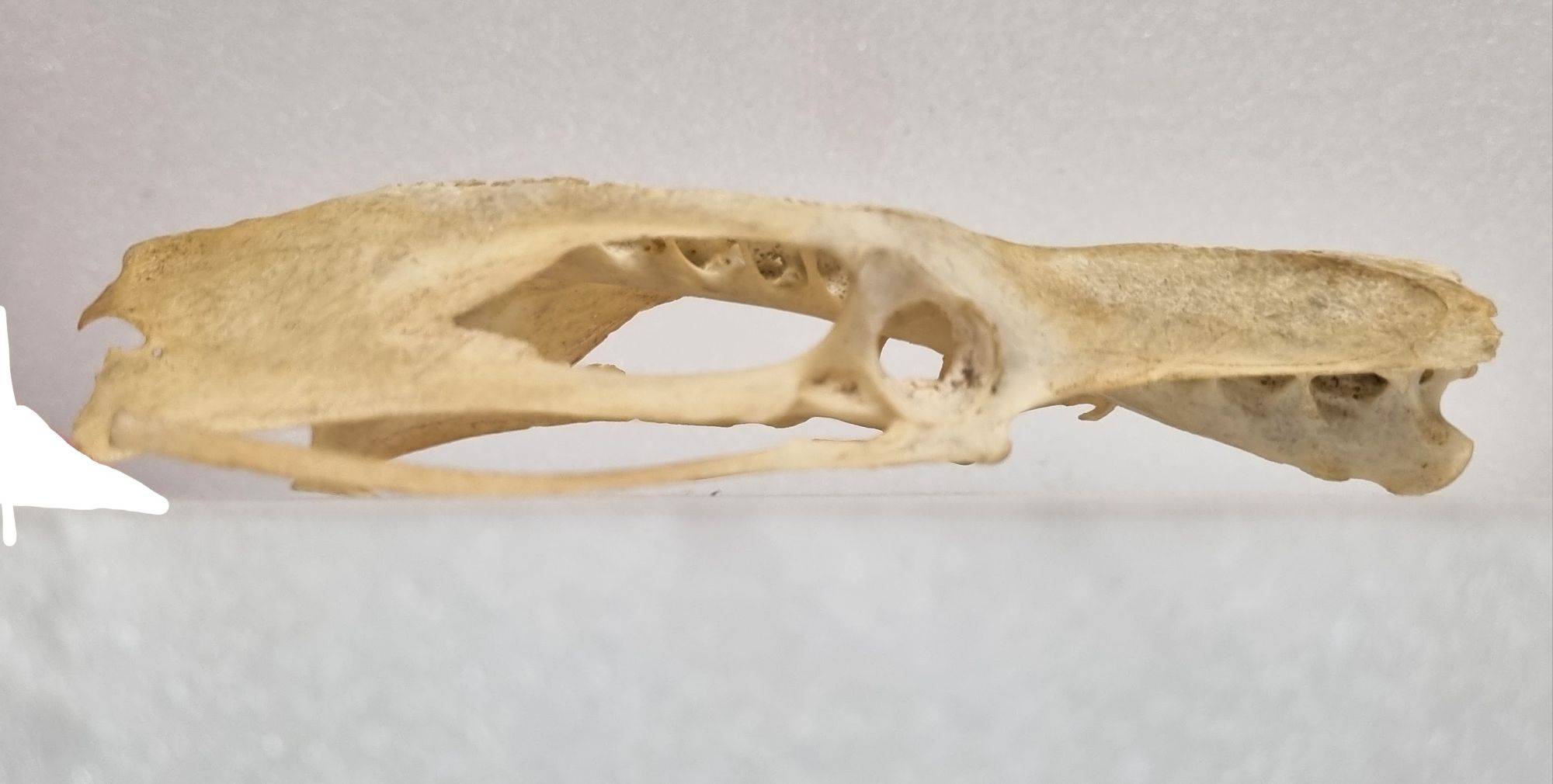
At least in comparison with something like a Chicken:
This suggests something that has a centre of mass that’s quite far forward compared the foot position. This immediately raises the question of why? The obvious answer for me is that this is a species that doesn’t brisky strut around, relying on more of a low-speed waddle to get around – or perhaps a paddle.
Waterbirds have legs located quite far back in the body to aid propulsion in the water. Perhaps a bit confusingly this requires the articulation of the femur with the pelvis to be pushed further forward due to the more horizontal orientation of the spine to allow the correct orientation of the legs to push water backwards and the body forwards – unlike terresrial species that are more interested in pushing the body upwards against gravity.
There are of course a lot of waterbirds, from the Pelecanimorphae mentioned in the comments by Adam Yates, to the Anseriformes. That’s what we’re looking at here.
There are a lot of ducks and geese, so narrowing it down isn’t easy. The size of this mystery specimen is in the right range for a large duck or small goose, but if you look at the left ischium (the undamaged one) you’ll notice a deep notch – this is something seen in geese.
You may also notice an additional extra notch – which I think offers a great clue to hint at the species. This is the pelvis of a Brent Goose Branta bernicla Linnaeus, 1758.
I’m not sure if the thoughts I’ve laid out here, and over the last couple of mystery objects are helpful for guiding future identifications of bird pelvises, but I hope they may be of use. Let me know your tips on working these things out – more ideas are always welcome!
 Zygoma