This week I have bony mystery object for you.:
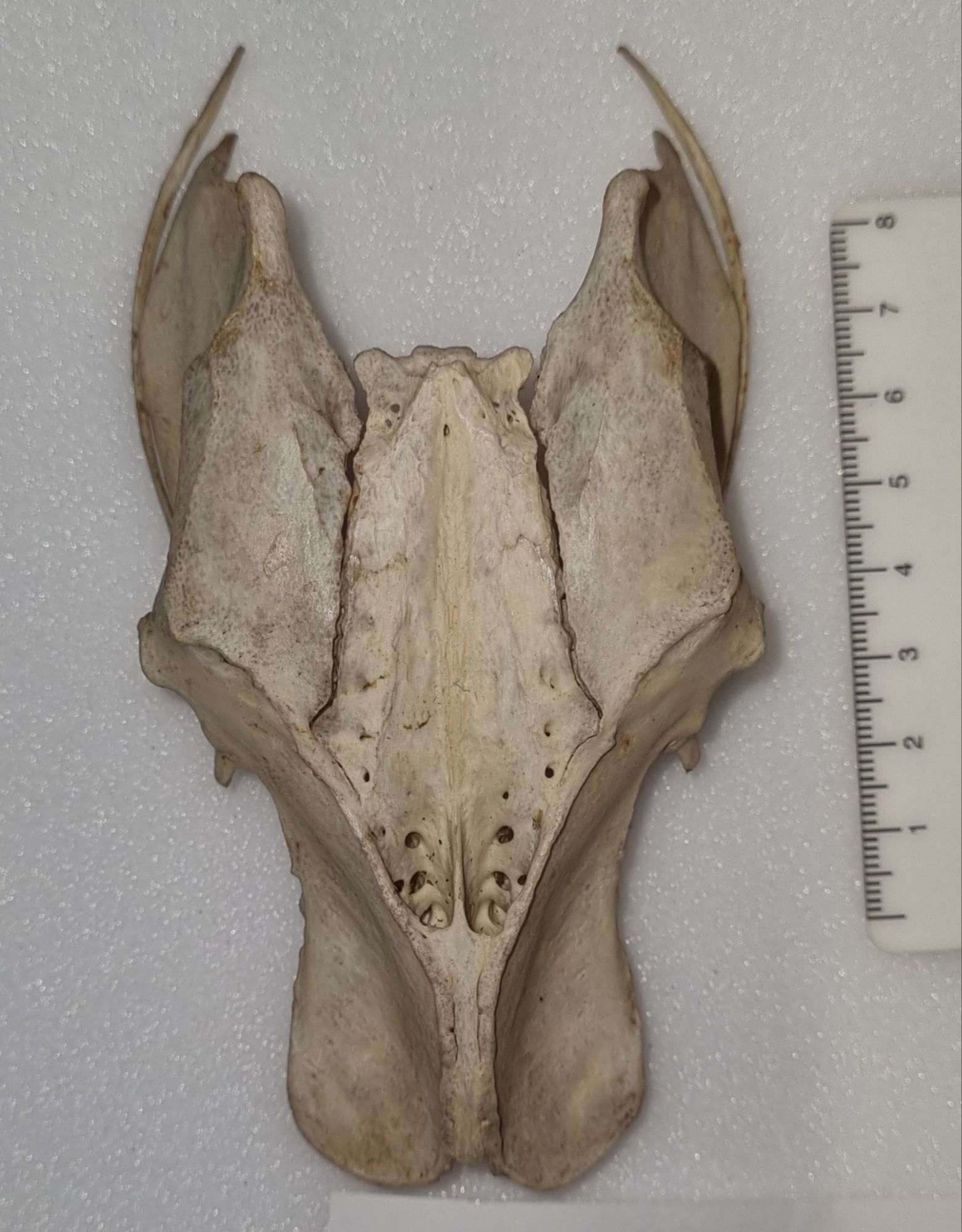
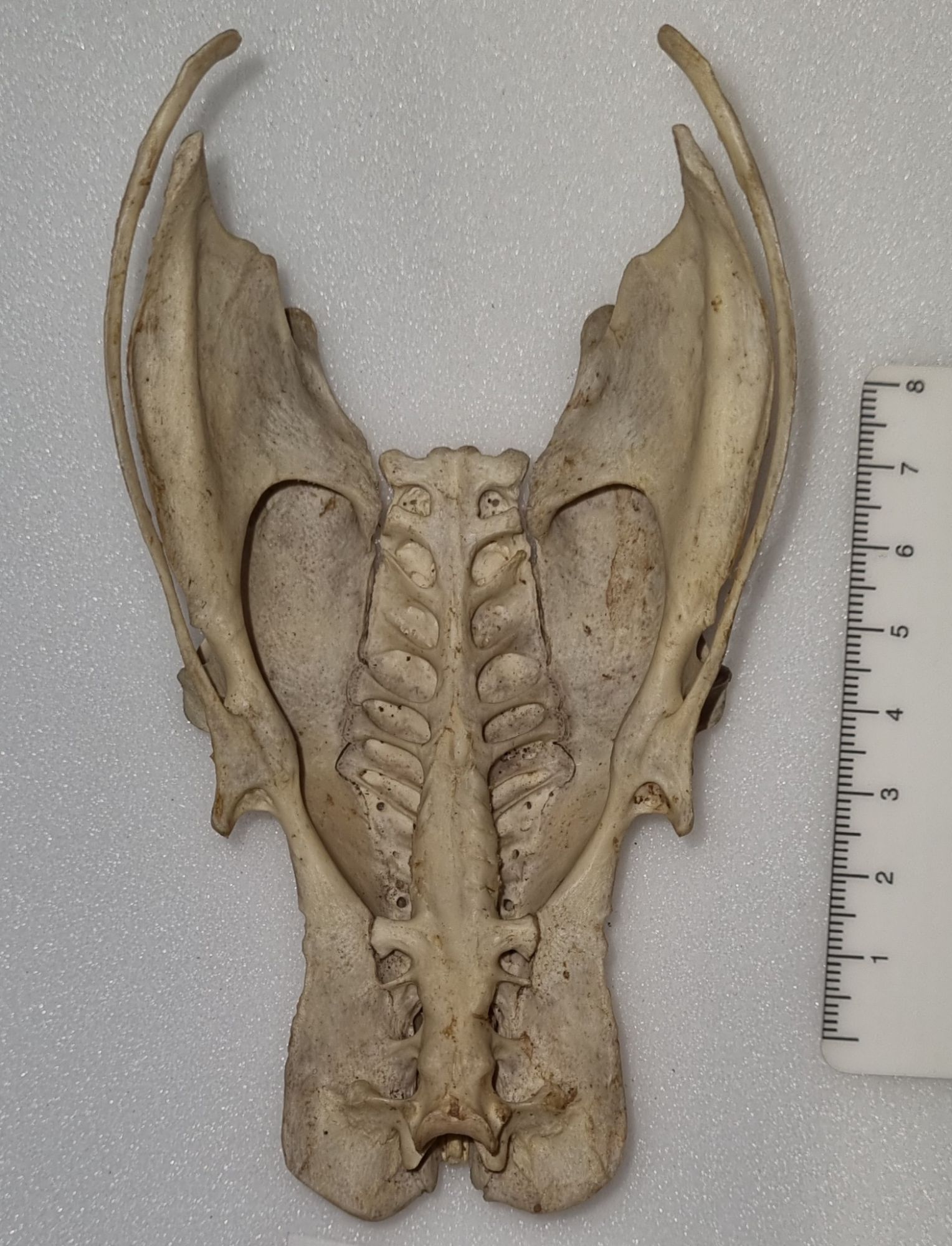
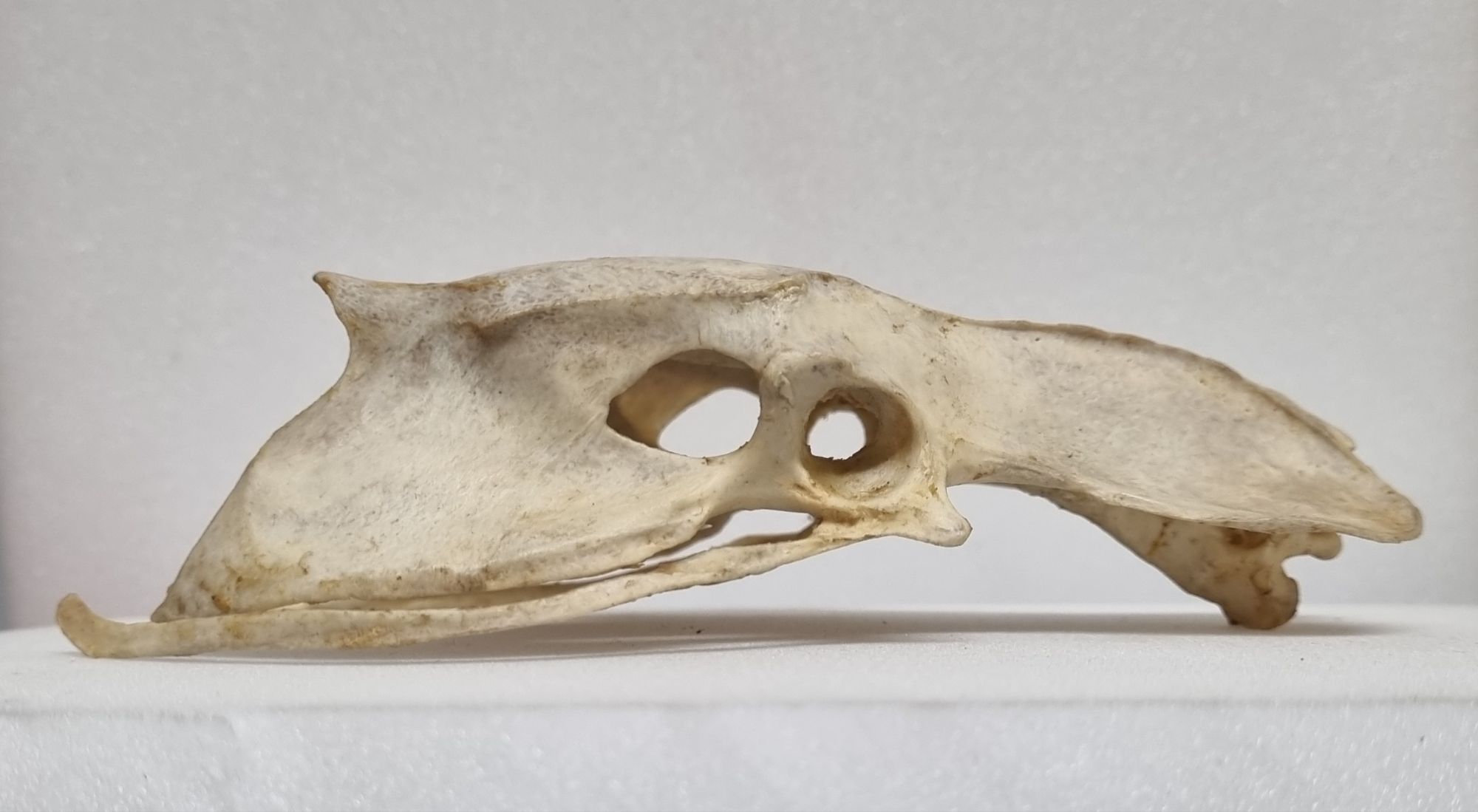
Do you have any idea of the species that this came from?
As ever, you can leave your questions, observations and suggestions in the comments section below. Have fun with it!

This week I have bony mystery object for you.:
Do you have any idea of the species that this came from?
As ever, you can leave your questions, observations and suggestions in the comments section below. Have fun with it!
Last week I gave you this cute little netsuke (pronounced nets-keh) to see if you could identify what it was carved from:
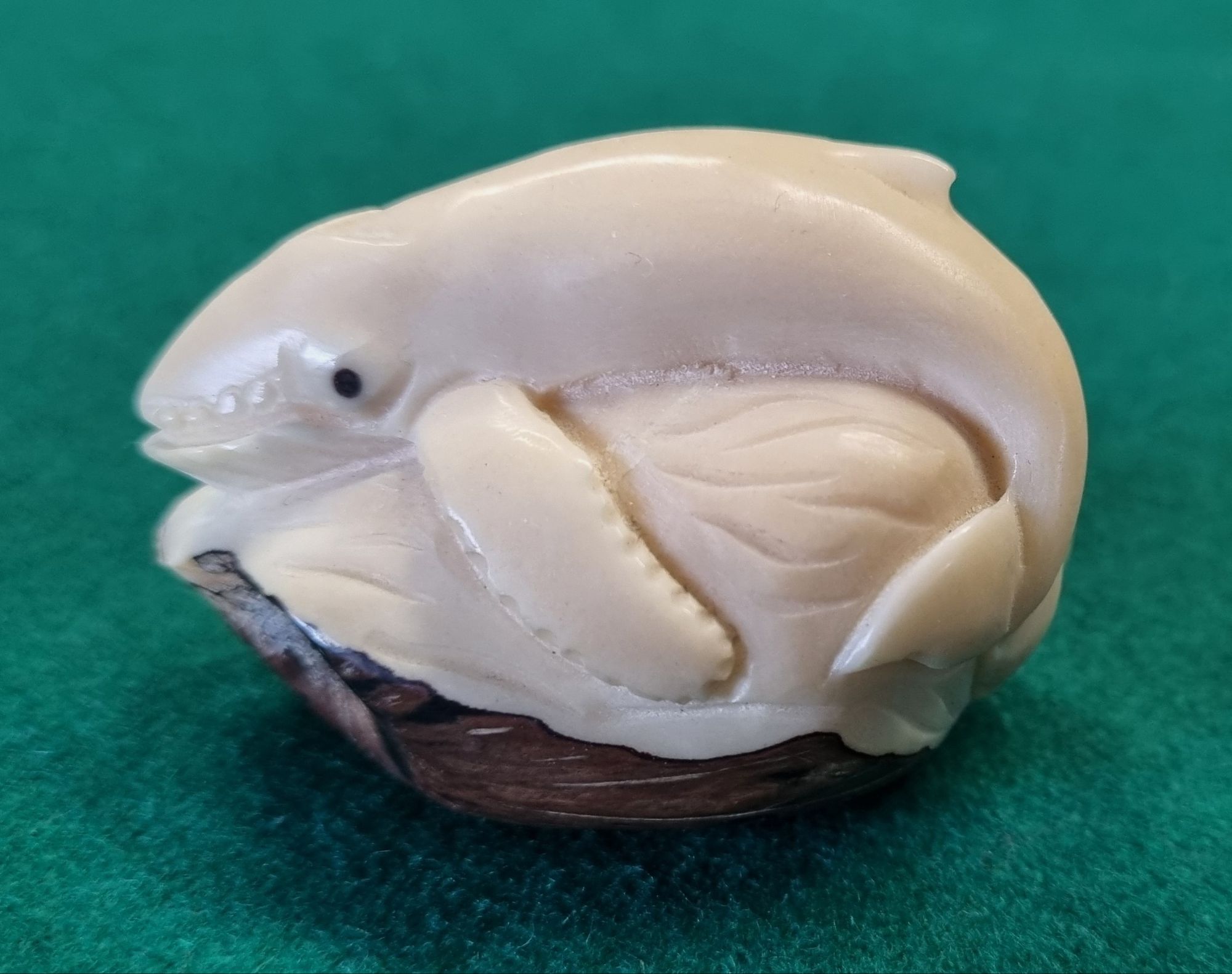
I was hoping it might offer a bit of a challenge, with a few options being put forward for a variety of ivories, and perhaps some pondering on the topic of the carving, but I was disappointed by how quickly and comprehensively everyone told me exactly what this is.
I suppose I shouldn’t be surprised, since the community here on Zygoma are really good at identifying things (I suspect there’s a bit of self selection going on there!) The shape is quite distinctive, but more there’s also a small section on the base that’s just visible, which is very characteristic if you know what you’re looking for.
Here it is pictured from underneath:
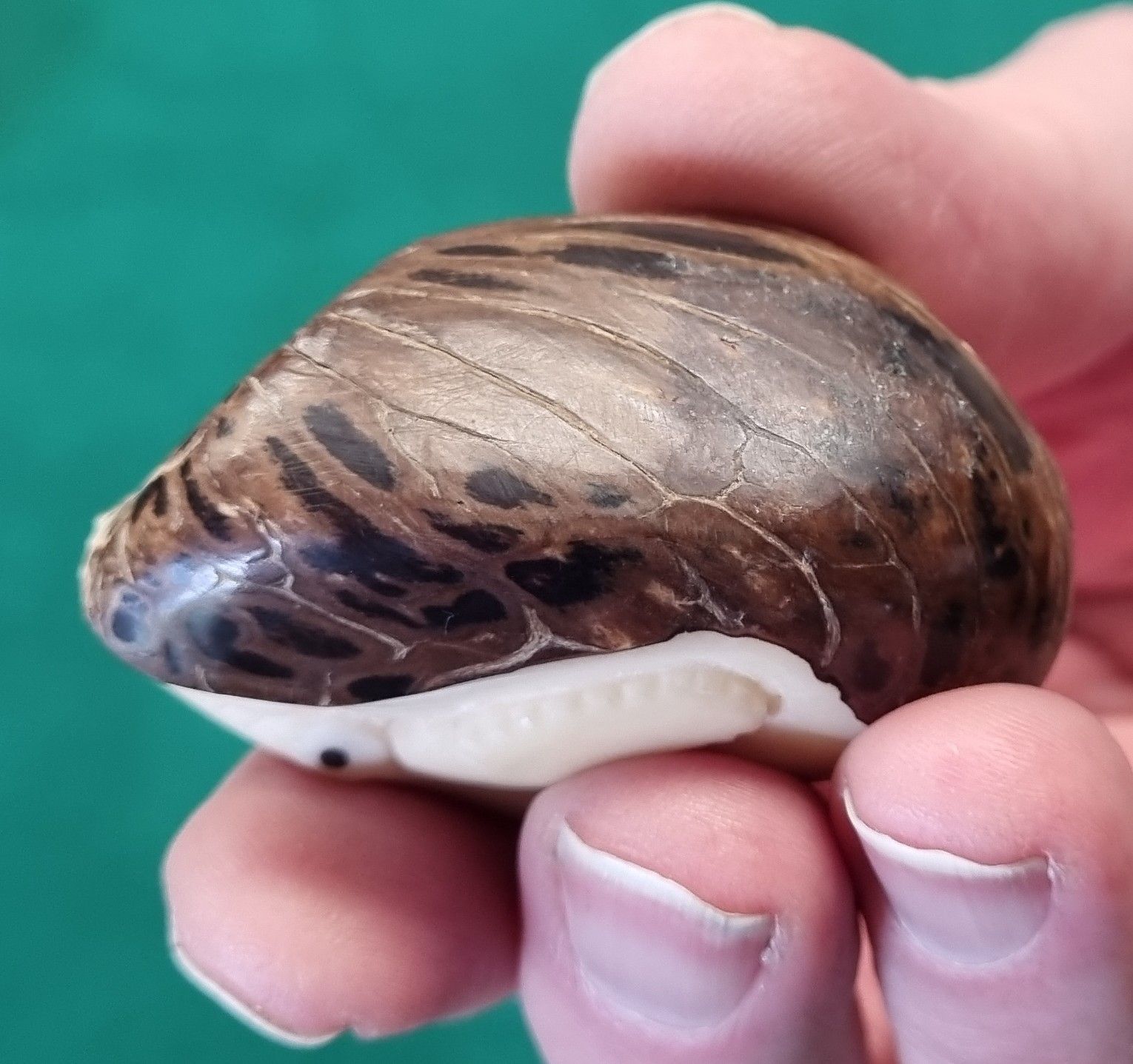
This is an example of vegetable ivory – a material derived from the nut of a Tagua Palm in the genus Phytelephas Ruiz & Pav. These large seeds have a creamy, ivory coloured flesh that is easily carved when wet, but which become hard when dried.
This particular specimen is from the National Herbarium at the National Botanic Gardens in Glasnevin, where I was fortunate to be shown it during a visit to see a very impressive herbarium digitisation project they’ve been undertaking.
The vegetable ivory lacks the Schreger lines found in proboscidean ivories, such as mammoth or elephant:
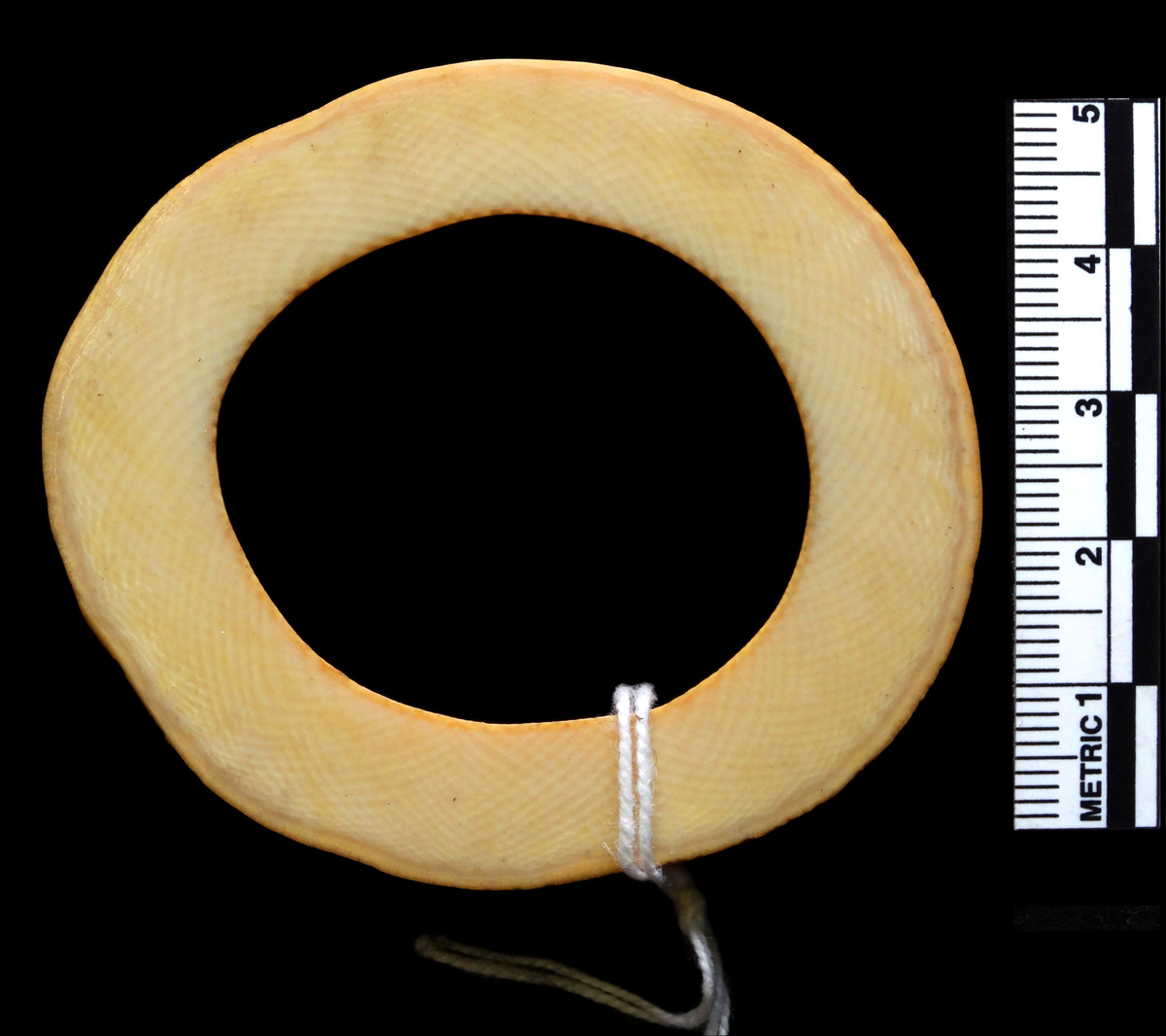
There are plenty of other ivories of course, some of which have similarly distinctive aspects to look for, like Walrus ivory that has a central section that looks almost like clouds due to secondary dentine secretion in the root space of the tusk, and Hippopotamus canine ivory that has a subtle discoloured arch in the middle that results from the flattened triangular shape of the tooth.
In the case of the Tagua nut there is a hole in the centre, but this will often be avoided by not carving too deeply, or by incorporating the natural void into the design of the carving.
So well done to everyone – your skills are still top notch! You can test them again soon, as there will be more mysteries to come next week.
One type of enquiry we get in the museum relates to the identification of natural materials. Often these come from law enforcement or customs officials, who may need an expert eye cast over a material to check whether it’s been imported or sold illegally.
Here’s a worked piece of natural material – I’d be keen to hear your thoughts on what it might be:
As ever, you can leave your suggestions in the comments section below. I look forward to hearing your thoughts!
Last week I gave you this somewhat faded and oddly shaped fish to have a go at identifying as a New Year challenge:
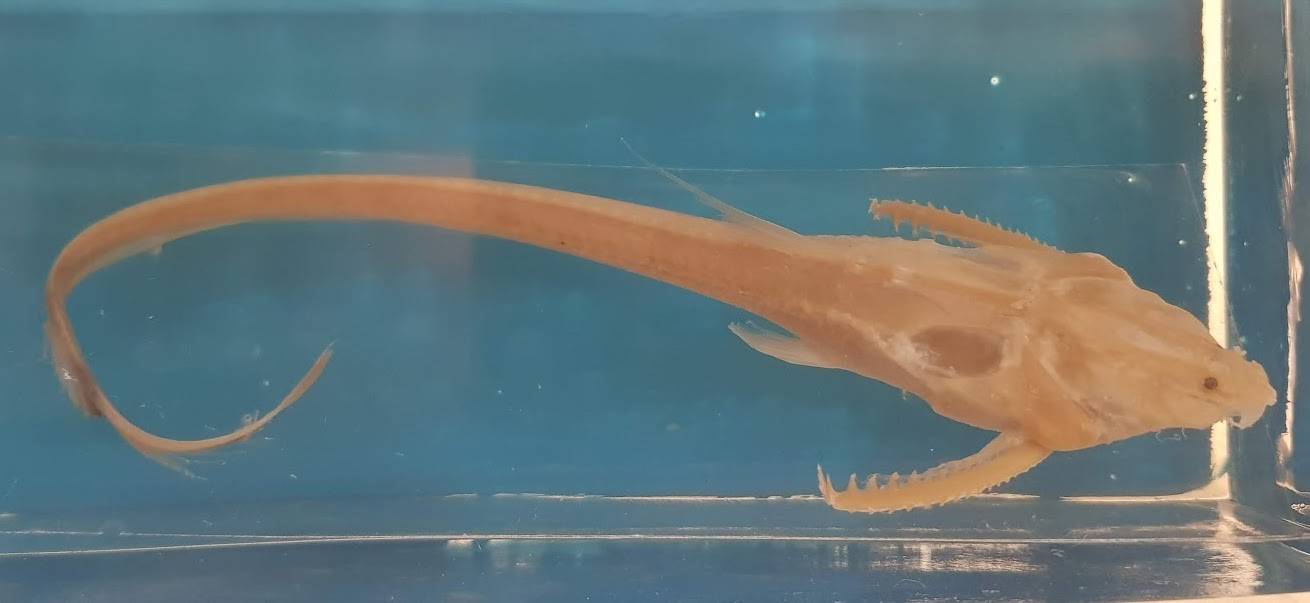
It was a very big ask, as the image isn’t really detailed enough to allow a species identification, but it was great to hear your various thoughts.
Adam Yates got very close with the suggestion it could be one of the Loricariidae – a family containing the armoured suckermouth catfish, but while this is from the same Order (the Siluriformes) this particular catfish is from a different Family.
While it has an armoured appearance, and shares those ornamented pectoral fin spines that are found in many catfish, this one has a filamentous tail and dorsal fin (that you can only just make out). What you can’t really see are the eight pectoral fin rays and the seven barbels present on the head.
This long thin tail is a hint that this is one of the Banjo Catfish, and the details of the barbels and pectoral fin rays I mentioned above let us know that it’s the Sevenbarbed Banjo Aspredinichthys filamentosus (Valenciennes, 1840).
For some reason the name Banjo Catfish always makes me think of this scene from the film Deliverance:
Musical shenanigans aside, these South American fish are bottom feeders in brackish waters, and have the unusual reproductive trait of the female attaching her eggs to her underside, so they can be moved around in the muddy waters in order to keep them oxygenated during their development.
That was certainly a challenging mystery object to start 2026, so I may see if I can find a slightly easier, but hopefully no less interesting specimen for the next mystery object!
Happy New Year! I hope you enjoyed seeing in 2026 and I wish you all a very healthy and enjoyable year ahead.
This Friday’s mystery object is a specimen from the spirit collections in the Dead Zoo:
Do you know what this mystery aquatic beastie might be?
Let me know your thoughts in the comments below – I hope you enjoy the challenge!
 Zygoma